Steel fasteners guide to grades, coatings, and selection risks
Why steel fasteners need more than a strength label
Steel fasteners are used across construction, machinery, vehicles, electrical equipment, and general hardware because they offer a practical mix of strength, availability, machinability, and cost control. Selecting them is not a matter of choosing the strongest bolt or the thickest coating. A reliable specification connects the base steel, mechanical property class, thread form, nut and washer compatibility, coating, service environment, and installation method. Standards from ISO, ASTM, ASME, and related bodies define much of this language, but the user still has to match the standard to the actual joint. For related articles, visit the Fasteners category.
Before approving steel fasteners for an assembly, buyers, engineers, and maintenance teams need to confirm more than size and appearance. The review usually starts with load, then moves through corrosion exposure, temperature, joint behavior, installation control, and documentation.
What counts as a steel fastener
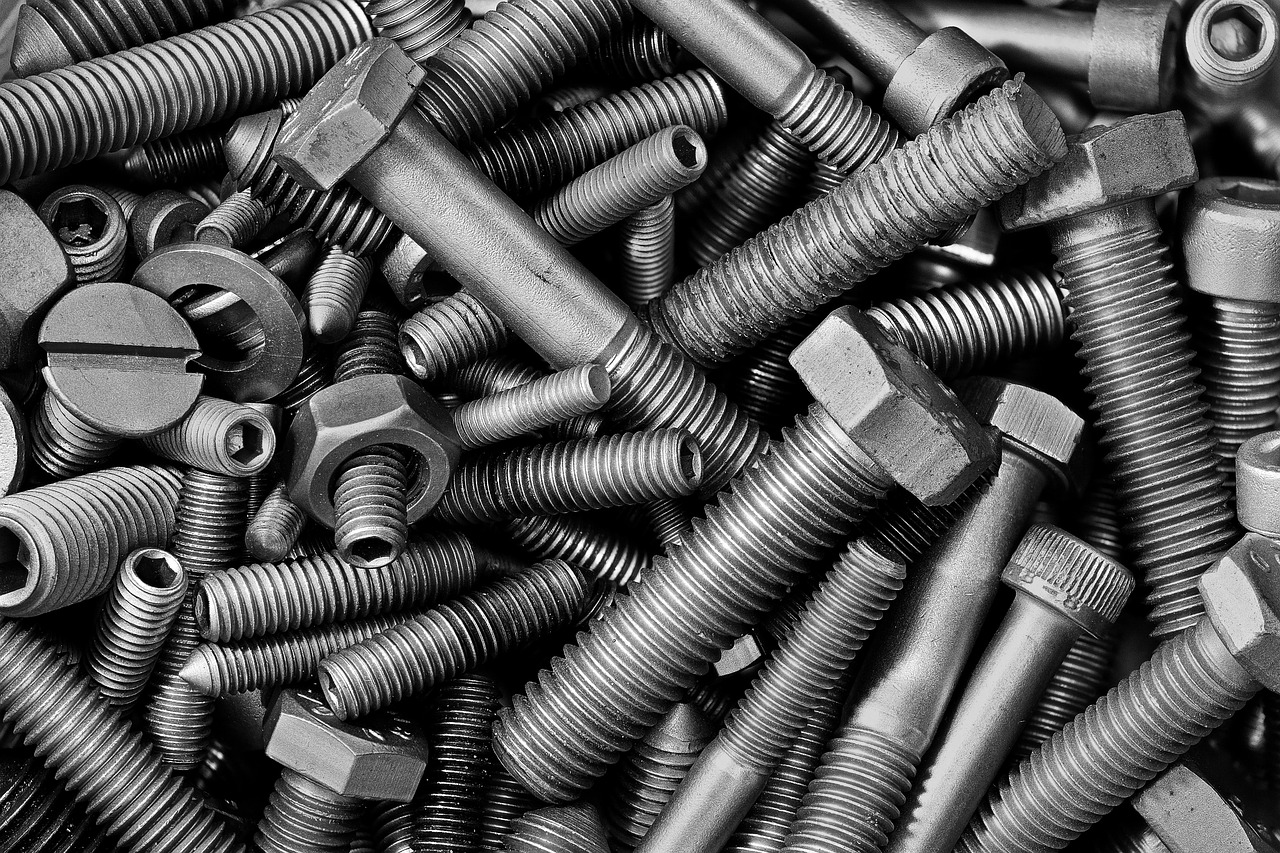
In industrial purchasing, steel fasteners can include bolts, screws, studs, nuts, washers, rivets, pins, anchors, threaded rods, and special formed parts made from carbon steel, alloy steel, stainless steel, or weathering steel. Because the term is broad, purchase documents should avoid vague wording such as “steel bolt” unless the application is noncritical and already well understood.
Carbon steel fasteners are common in general assemblies where moderate strength and economical supply are important. Alloy steel fasteners use controlled alloying elements and heat treatment to achieve higher strength or toughness. Stainless steel fasteners are selected mainly for corrosion resistance, although their strength system is different from carbon and alloy steel grades. Structural steel fasteners form a separate group because building and bridge connections may require defined bolt assemblies, installation procedures, and inspection rules.
Three points often cause mistakes. First, stainless steel is still steel, but it should not be treated as a direct substitute for property class 8.8, 10.9, or 12.9 carbon or alloy steel without checking the required mechanical properties. Second, a coating does not turn a low-strength fastener into a high-strength fastener. Third, a familiar commercial name may not be enough for regulated or safety-related work; the standard, grade, dimensions, and test documentation may all be required.
Key standards and grade systems to understand
Standards do not replace engineering judgment, but they provide a common language for dimensions, strength, testing, marking, coatings, and acceptance. ISO 898-1 specifies mechanical and physical properties for bolts, screws, and studs made from carbon steel and alloy steel with defined property classes, tested at ambient laboratory temperature. ISO lists the 2013 edition as confirmed in 2025, which means it remains a current reference within the ISO system.
For corrosion-resistant stainless steel fasteners, ISO 3506-1:2020 specifies mechanical and physical properties for stainless steel bolts, screws, and studs with grades and property classes. ISO also notes that fasteners used outside the ordinary temperature range require careful material selection because properties can change at elevated or low temperatures.
In North American structural work, ASTM F3125/F3125M is a major reference for high-strength structural bolts and assemblies made from steel and alloy steel. Recent ASTM listings describe inch-dimension tensile strength levels including 120 ksi, 144 ksi, and 150 ksi, with metric dimensions listed at 830 MPa and 1040 MPa classes. Structural joints are then designed, installed, and inspected under specifications such as those maintained by the Research Council on Structural Connections.
| Application need | Common reference area | What it helps define |
|---|---|---|
| Metric carbon and alloy steel bolts, screws, and studs | ISO 898-1 | Property classes, mechanical properties, and physical requirements |
| Stainless steel bolts, screws, and studs | ISO 3506-1 | Stainless grades, property classes, and temperature cautions |
| High-strength structural bolts and assemblies | ASTM F3125/F3125M and RCSC specification | Structural bolt grades, assemblies, installation, and inspection framework |
| Electroplated fastener coatings | ASTM F1941/F1941M | Coating thickness, corrosion resistance, and hydrogen embrittlement precautions |
| Hot-dip zinc coatings for fasteners | ASTM F2329/F2329M and related zinc coating standards | Coating requirements for carbon and alloy steel threaded fasteners |
The main point is not to memorize every standard number. It is to specify the correct family of requirements. A metric machine screw, a stainless marine bolt, and a high-strength structural bolt may all be steel fasteners, but they are not governed by the same assumptions.
How material and heat treatment affect performance
Mechanical performance depends on steel chemistry, forming process, heat treatment, and final inspection. Low-carbon steel may be suitable for light-duty hardware, clamps, covers, brackets, or furniture assemblies. Medium-carbon and alloy steels can be heat treated to reach higher tensile and yield strength. In metric systems, property classes such as 8.8, 10.9, and 12.9 communicate performance levels for many carbon and alloy steel fasteners, but the class must be read through the relevant standard.
Higher strength also reduces the margin for some errors. A high-strength bolt may be less tolerant of incorrect tightening, poor plating control, or unexpected environmental exposure. If a joint depends on preload, the installer must achieve a controlled clamp force without damaging the fastener or the clamped material. If the joint is exposed to vibration, fatigue, or repeated service loads, material strength alone is not enough; thread engagement, under-head bearing area, locking method, and inspection access also matter.
Stainless steel fasteners offer a different balance. Austenitic stainless grades are widely used for corrosion resistance and general durability, but they may gall during tightening, especially when stainless nuts are used on stainless bolts. Lubrication, compatible thread condition, and controlled torque can reduce that risk. Martensitic and duplex stainless grades may offer different strength or corrosion profiles, but they require more careful selection than simply choosing stainless.
For critical joints, substitutions should be controlled. Replacing a carbon steel 10.9 bolt with a stainless steel fastener may improve corrosion resistance but reduce strength if the stainless property class is not equivalent. Replacing a plain fastener with a coated one may change thread fit or installation torque. Replacing one component of a structural assembly with a nonmatching nut or washer can change the behavior of the joint.
Coatings, corrosion, and hydrogen embrittlement risks
Steel corrodes when it is exposed to moisture, oxygen, salts, chemicals, or high-temperature environments without suitable protection. Coatings slow that process, but each coating has limits. Zinc electroplating is common for indoor and mild service conditions where a clean appearance and moderate corrosion resistance are required. Hot-dip galvanizing provides a thicker zinc layer and is often considered for outdoor exposure, but thread allowances, nut fit, and coating uniformity must be handled through the correct specification.
Zinc flake coatings, mechanical zinc coatings, phosphate and oil, black oxide, organic topcoats, and stainless steel material selection all have places in the market. The right option depends on exposure severity, required service life, installation method, appearance, electrical considerations, and whether the coating is suitable for the fastener’s strength level.
Hydrogen embrittlement is one of the most important hidden risks for high-strength steel fasteners. It can occur when hydrogen enters susceptible steel during processes such as acid cleaning, pickling, electroplating, or service exposure. ASTM coating and test standards for fasteners address precautions and process control for high-strength and surface-hardened fasteners. In purchasing terms, the coating is not just a finish color; it is part of the fastener’s risk profile.
Buyers should confirm whether the coating specification covers thickness, corrosion resistance, adhesion, thread function, and embrittlement relief when applicable. For high-strength parts, avoid approving a decorative plating process unless it is clearly suitable for the material hardness and service conditions. When corrosion exposure is severe, it may be better to choose a compatible stainless grade, a qualified structural coating system, or a design change that reduces water retention rather than relying only on a heavier finish.
How to specify steel fasteners for real assemblies
A usable fastener specification should answer the questions that inspection, purchasing, and installation teams will face. At minimum, it should define the fastener type, size, thread, length, material or grade, coating, mating components, applicable standard, and acceptance documentation. A complete line item may also need to identify the bolt grade, nut grade, washer requirement, coating system, thread pitch, and whether a certificate of conformity or test report is required.
The service environment should be stated before the coating is chosen. Indoor dry equipment, exterior construction, coastal equipment, chemical exposure, food-processing washdown, and high-temperature assemblies create different corrosion and cleaning demands. Temperature needs particular attention because standards often test properties at ambient conditions, while real equipment may operate much hotter or colder. See also: Buying Guides.
Installation is just as important. Torque is an indirect way to achieve clamp force and can vary with lubrication, coating friction, thread condition, washer surface, and tool control. A fastener that works in one plant may loosen, seize, or fail in another if the installation practice changes. For structural joints, installation and inspection procedures are part of the specification, not a separate afterthought.
- Define the load case: tension, shear, combined load, fatigue, vibration, or slip resistance.
- Confirm the standard and grade system: ISO, ASTM, ASME, DIN-derived, or project-specific.
- Match nuts and washers to the bolt grade and coating.
- Check thread pitch, tolerance, and coating thickness before approving substitutions.
- State the environment: indoor, outdoor, marine, chemical, high temperature, or low temperature.
- Require suitable documentation for safety-related or traceable assemblies.
- Control installation method, lubrication, torque, pretension, or inspection where joint performance depends on it.
This level of detail may be unnecessary for simple commodity hardware, but it prevents costly mistakes in machinery, infrastructure, energy equipment, and export orders. It also helps suppliers quote the same part rather than similar-looking alternatives.
Common selection mistakes and how to avoid them
The first mistake is treating all steel fasteners as interchangeable. A hex bolt for a guard panel, a socket head cap screw for a machine tool, and a heavy hex structural bolt may have similar shapes but very different standards and performance expectations. Shape is only the starting point.
The second mistake is leaving corrosion resistance until the design is already fixed. If water is trapped under a washer, if dissimilar metals create galvanic corrosion, or if maintenance chemicals attack the coating, even a correctly made fastener may deteriorate faster than expected. Design details such as drainage, sealing, isolation, and access for inspection can be as important as the coating itself.
The third mistake is assuming stronger is always safer. A higher strength class can reduce ductility, increase sensitivity to notches or hydrogen, and require more controlled tightening. If the joint does not need the extra strength, a lower class with better toughness, corrosion protection, or installation tolerance may be more appropriate.
The fourth mistake is ignoring mating components. Bolts, nuts, and washers function as a system. A high-strength bolt paired with the wrong nut can strip threads or produce unreliable preload. A washer with the wrong hardness can embed into the surface and reduce clamp force. A coating mismatch can create assembly problems or change friction.
The fifth mistake is weak documentation. For noncritical hardware, a commercial invoice may be enough. For structural, safety, pressure, lifting, transportation, or export-controlled applications, documentation may need to include standard designation, grade, heat number, coating batch, test results, and inspection records. These requirements should be stated before the order is placed.
Practical outlook for buyers and specifiers
The steel fastener market is moving toward tighter documentation, clearer coating control, and more careful material substitution. Several forces are behind this shift: global sourcing, cross-border standards, infrastructure repair, electrification, corrosion-related maintenance costs, and the need to reduce assembly failures. That does not mean every washer needs a complex certificate, but it does mean vague specifications create more risk than they used to.
For routine industrial purchasing, a small internal fastener map can be useful. List the standard parts your organization uses, the grade and coating for each, approved substitutions, required documents, and applications where substitutions are not allowed. Engineering teams can add design notes explaining why a grade or coating was selected. Maintenance teams can label critical joints so replacement hardware is not chosen only by diameter and length.
Steel fasteners remain one of the most versatile hardware categories because the material family is broad. The same category can cover economical low-carbon screws, high-strength alloy bolts, stainless corrosion-resistant studs, and specialized structural assemblies. The value comes from specifying the right steel fastener for the load and environment rather than relying on a generic label.
Frequently asked questions
Are stainless steel fasteners stronger than carbon steel fasteners?
Not automatically. Stainless steel fasteners are usually chosen for corrosion resistance, while carbon and alloy steel fasteners are often chosen for defined high-strength property classes. Some stainless grades can be strong, but the property class and standard must be checked before substitution.
When should galvanized steel fasteners be used?
Galvanized steel fasteners are commonly considered for outdoor or moisture-exposed applications where zinc protection is needed. The specification should confirm the galvanizing standard, thread fit, compatible nuts, and whether the assembly method is suitable for the coating thickness.
Why is hydrogen embrittlement important for high-strength fasteners?
High-strength steel can be susceptible to delayed cracking if hydrogen enters the material during processing or service. Plating and coating specifications for fasteners often include precautions or relief steps for susceptible parts, so the coating process must be matched to the fastener strength and hardness.
Can a metric 10.9 bolt replace an inch Grade 8 bolt?
They may appear similar in strength level, but they are not direct replacements without checking dimensions, thread form, standard requirements, nut compatibility, coating, and the design code for the joint. Substitution should be approved by the responsible engineer or specification owner.
What should be listed on a purchase order for steel fasteners?
A clear purchase order should include fastener type, size, thread pitch, length, grade or property class, standard, coating, mating nuts or washers, quantity, packaging needs, and required documentation. Critical applications may also require heat traceability and test reports.