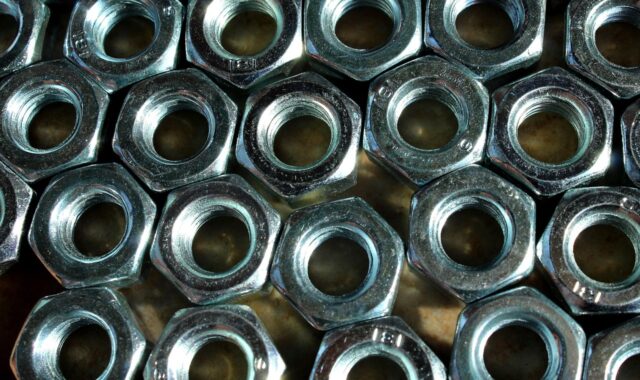
Plastic fasteners for lightweight and corrosion-resistant assemblies
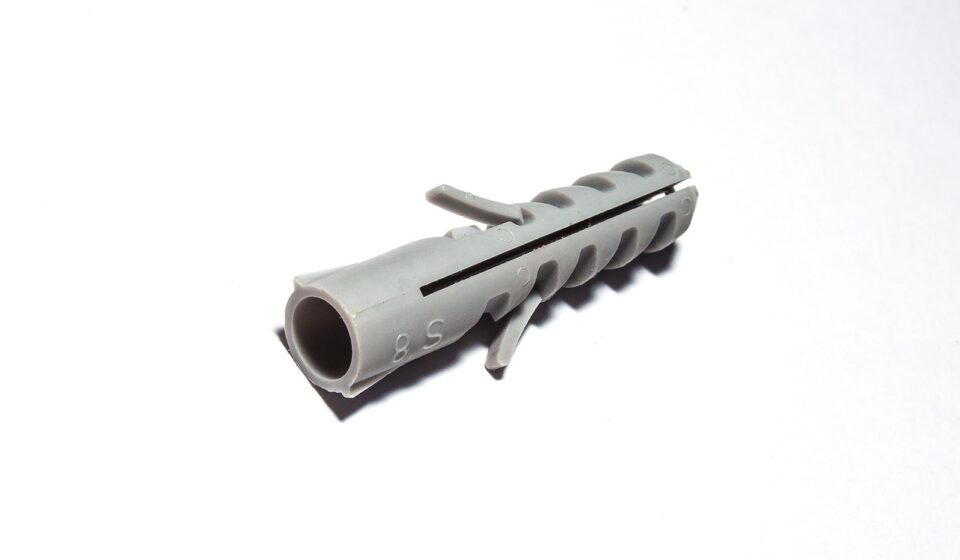
What plastic fasteners are and when they make sense
Plastic fasteners are non-metal joining and retaining parts made from engineering polymers. Common examples include screws, nuts, washers, rivets, clips, spacers, standoffs and cable management components. They are not direct replacements for steel in every joint. Their value is strongest when a design needs low weight, electrical insulation, corrosion resistance, non-magnetic behavior, vibration damping or contact with finished surfaces that should not be scratched. For broader fastening topics, see the Fasteners category.
The trade-off is important. Plastic fasteners usually have lower tensile strength, lower thread strength and lower sustained clamp load than comparable metal fasteners. They are also more sensitive to temperature, moisture, ultraviolet exposure, chemicals and installation torque. A sound plastic fastener specification therefore starts with the service environment and joint function, not only with nominal size.
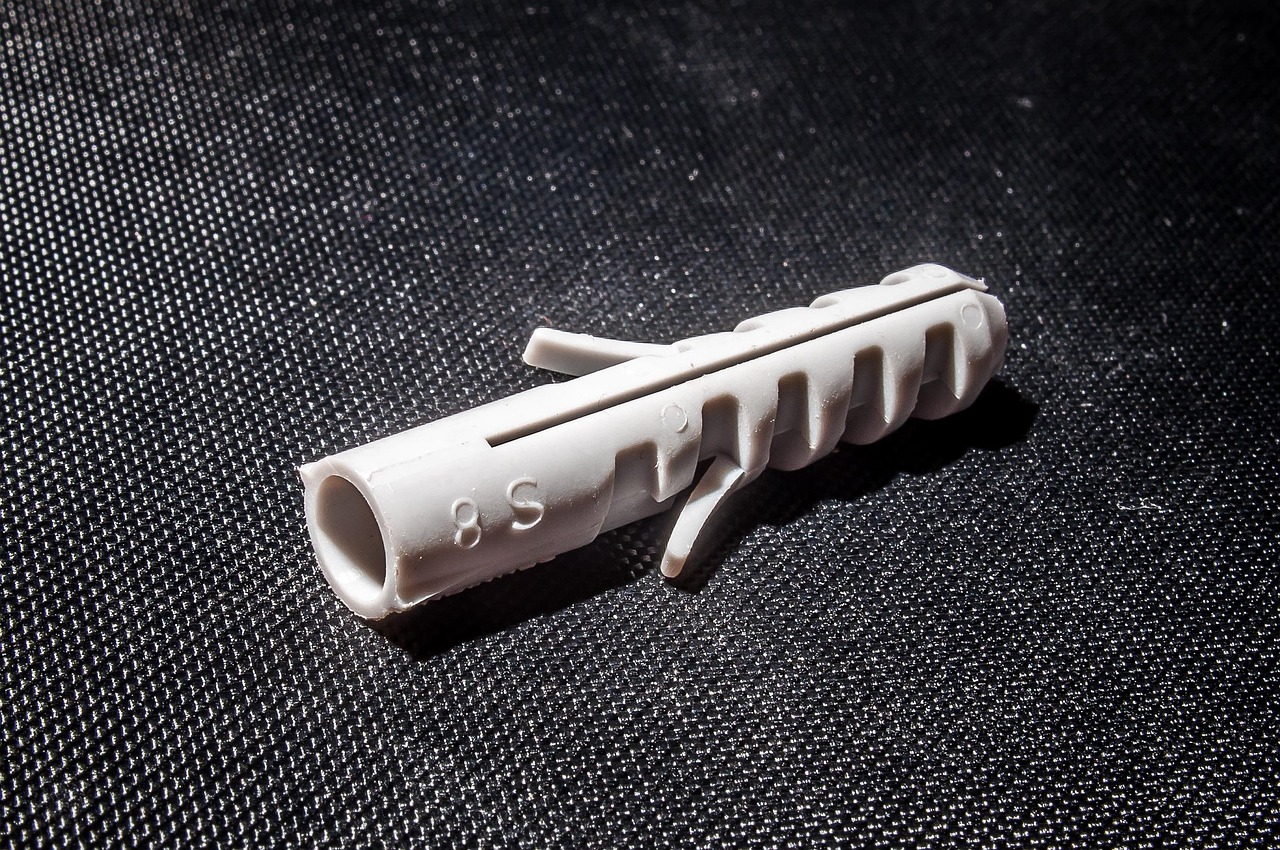
This article uses public technical references from standards organizations and fastener manufacturers as background, including ISO 898-1 for the contrast with steel fasteners, ASTM material classification standards for engineering plastics, and UL 94 flammability terminology. The practical takeaway is to use plastic fasteners where their material properties solve a defined assembly problem, and to verify them carefully when the joint carries structural load.
Common plastic fastener materials
The word plastic covers many materials with very different behavior. A nylon screw, a polypropylene rivet and a PEEK bolt may all be called plastic fasteners, but they should not be specified as if they were interchangeable.
| Material | Typical strengths | Important limitations | Common uses |
|---|---|---|---|
| Nylon or polyamide | Tough, widely available, good wear resistance, useful electrical insulation | Absorbs moisture, which can change dimensions, stiffness and strength; not ideal for every chemical environment | PCB hardware, washers, spacers, light-duty screws, clips and snap rivets |
| Acetal or POM | Good dimensional stability, low friction, good fatigue behavior in many applications | Compatibility must be checked with strong acids, oxidizers and high-temperature exposure | Precision clips, low-friction parts, light mechanical assemblies |
| Polypropylene and polyethylene | Good chemical resistance in many wet or corrosive environments, low density | Lower stiffness and heat resistance than many engineering plastics | Chemical tanks, ducts, laboratory fixtures and light-duty retainers |
| PVC and CPVC | Useful chemical resistance and electrical insulation in selected applications | Temperature and impact performance vary by formulation; long-term stress must be considered | Electrical, fluid handling and chemical processing hardware |
| PTFE | Very low friction and broad chemical resistance | Low mechanical strength and cold flow make it unsuitable for many high-clamp-load joints | Sealing, chemical equipment and low-friction contact areas |
| PVDF | Strong chemical resistance, UV resistance and good performance in higher-purity environments | Higher cost than commodity plastics | Chemical processing, water treatment and high-purity assemblies |
| PEEK | High heat resistance, strong chemical resistance and better mechanical performance than many plastics | High material cost; still not a simple substitute for high-strength steel | Aerospace, semiconductor, medical device and demanding industrial assemblies |
Nylon remains one of the most common choices because it balances cost, toughness and availability. However, nylon is hygroscopic, meaning it absorbs moisture from the surrounding environment. Published polymer studies on nylon 6,6 show that moisture can reduce stiffness and strength while increasing ductility. In fasteners, that matters because a part that fits and tightens well in a dry condition may behave differently after storage or service in a humid environment.
For harsher chemical or thermal conditions, designers often move away from general-purpose nylon toward PVDF, PTFE, PPS or PEEK. That change can improve performance, but it also raises cost and may affect availability, lead time, molding feasibility or machining feasibility. Material selection should be tied to documented application requirements rather than a broad claim that one polymer is universally better.
Plastic fasteners versus metal fasteners
The most useful comparison is not plastic versus metal in general. It is the function the joint must perform. A steel bolt is normally selected for high tensile load, predictable preload and high thread strength. A plastic fastener is often selected because it solves a different problem.
- Electrical insulation: Plastic screws, washers and spacers can separate conductive parts in electronics, batteries, sensors and control cabinets.
- Corrosion resistance: Polymer fasteners do not rust, so they can be useful near water, salt spray, chemical vapor or cleaning fluids, provided the polymer is chemically compatible.
- Weight reduction: Plastic hardware can reduce mass in panels, covers, instruments and portable equipment.
- Non-marring contact: Plastic washers, nuts and clips can reduce the risk of scratching painted, polished or plated surfaces.
- Non-magnetic behavior: Plastic fasteners may be useful around instruments or assemblies where magnetic materials are undesirable.
The limitations are just as important. A plastic screw usually cannot maintain the same preload as a steel screw of similar size, especially when temperature changes or long-term load are present. Plastics also creep, meaning they can deform slowly under sustained stress. In a joint, creep can reduce clamp load even if the initial installation torque appeared correct.
ISO 898-1:2013 is a useful reminder of this distinction because it specifies mechanical properties for carbon steel and alloy steel bolts, screws and studs, not plastic fasteners. A plastic fastener with a metric thread may resemble a metal fastener dimensionally, but the performance class system used for steel should not be assumed to apply. If a drawing needs strength, torque or proof-load requirements for a polymer fastener, those requirements should be specified separately and verified by test data or supplier documentation.
How to choose plastic fasteners for an assembly
Start with the joint function
Define whether the fastener is holding a cover, spacing a circuit board, preventing rotation, locating a part, sealing an opening or carrying structural load. A plastic push rivet for a trim panel has a very different risk profile from a plastic bolt in a loaded bracket. If failure could create a safety issue, metal fasteners, hybrid designs or additional retention should be considered.
Check load, torque and thread engagement
Plastic threads are easier to damage than metal threads. Over-torque can strip the thread, crack the head, distort the mating part or introduce stress that later appears as creep or cracking. The safest approach is to establish installation torque through trial assembly and inspection, then document the torque range for production. Where repeated service is expected, a metal threaded insert in the plastic component may be better than repeatedly driving a screw into polymer threads.
Match the material to the environment
Temperature, chemicals, water, UV exposure and cleaning agents should be reviewed before choosing a resin. Continuous service temperature is more relevant than a short-term melting point. Chemical resistance tables are helpful, but they are starting points, not final proof. Real parts may see combined stress, heat and chemical exposure, which can accelerate cracking or deformation.
Review fire and electrical requirements
For electronics and appliance-related assemblies, flammability classification may be required. UL 94 is commonly used to describe how plastic materials behave in small-flame tests, with ratings such as HB, V-2, V-1 and V-0. A rating belongs to a material at a tested thickness and condition; it should not be assumed for every color, formulation or part geometry. If compliance is required, the specification should state the rating, the material thickness basis and the documentation required from the supplier.
Design details that prevent common failures
Many plastic fastener problems are caused less by the material itself than by the way the part is installed or supported in the joint. Small design choices can have a large effect on reliability. See also: Buying Guides.
- Use broad bearing areas: Washers or larger heads can spread load and reduce local indentation in softer materials.
- Avoid sharp corners: Sharp transitions concentrate stress and can encourage cracking in molded plastic parts.
- Allow for thermal expansion: Plastics typically expand more than metals, so mixed-material assemblies need clearance and controlled clamp load.
- Do not rely on excessive torque: More torque does not always mean a stronger plastic joint; it may simply damage the thread or head.
- Use compatible threadlockers: Some liquid threadlockers, solvents and adhesives can attack plastics. Compatibility should be confirmed before production use.
- Consider service access: If the part will be removed often, choose a reusable fastener style or add a metal insert rather than depending on a plastic thread that wears with each cycle.
Designers should also distinguish between plastic fasteners and screws designed for plastics. Thread-forming screws for plastic are often metal screws with special thread profiles intended to form mating threads in plastic bosses. They can create strong joints in molded parts, but they are not themselves plastic fasteners unless the screw is made from polymer. Confusing the two can lead to incorrect purchasing specifications and unexpected assembly results.
Specification checklist for purchasing and quality control
A clear purchase specification reduces the chance that a supplier substitutes a similar-looking part with different performance. This is especially important because many plastic fasteners are bought by nominal size, color and head style, even though the resin grade controls much of the behavior.
- Part type, size, thread form, length, head style and drive style.
- Exact polymer family and, when needed, the grade or filler content.
- Color, because pigments and additives can affect availability and sometimes performance.
- Dimensional tolerances and critical fit dimensions.
- Required flammability rating, if any, such as a UL 94 classification.
- Regulatory documentation needs, such as RoHS or REACH declarations for electrical or export-sensitive products.
- Expected temperature range, chemical exposure and humidity exposure.
- Installation torque range or supplier-recommended torque data.
- Packaging and conditioning needs, especially for nylon parts affected by moisture content.
- Inspection method, sample size and acceptance criteria for incoming quality control.
ASTM D4066 for nylon materials is an example of a material classification system that can support more precise callouts, but it is not a substitute for finished-part validation. Standards identify material families and test methods; the final fastener still needs to work in its actual geometry, mating material and service environment.
Where plastic fasteners are most useful
Plastic fasteners are particularly well suited to electronics, instrumentation, light machinery, enclosures, signage, HVAC components, laboratory equipment and selected chemical processing assemblies. In electronics, nylon or other polymer spacers and screws help maintain clearance between circuit boards and conductive housings. In corrosive environments, polypropylene, PVDF or PTFE hardware may avoid rust and reduce contamination risk. In consumer and industrial panels, snap rivets and clips can simplify assembly where the joint does not require high structural load.
They are less appropriate as a default choice for heavy structural brackets, safety-critical lifting points, high-temperature engine areas, high-vibration load-bearing joints or assemblies that require precise preload over long service life. In those cases, the design may need metal fasteners with insulating washers, coated steel, stainless steel, inserts, bushings or a hybrid fastening strategy.
The practical rule is to treat plastic fasteners as engineered components, not as low-cost accessories. When the design benefits match the material properties, they can solve corrosion, insulation and weight problems. When they are chosen only because they are inexpensive or readily available, the risks of creep, cracking and thread damage increase.
Frequently asked questions
Are plastic fasteners strong enough to replace metal screws?
Sometimes, but not in every joint. Plastic fasteners can work well for light-duty retention, spacing, insulation and corrosion-resistant assemblies. They should not be assumed to replace metal screws where high preload, high tensile strength or safety-critical load capacity is required.
Which plastic fastener material is most common?
Nylon is one of the most common materials because it is tough, widely available and economical. Its main limitation is moisture absorption, which can change stiffness, dimensions and mechanical behavior. For chemical or high-temperature service, materials such as PVDF, PTFE, PPS or PEEK may be more suitable.
Can plastic fasteners be used outdoors?
They can be used outdoors if the material is selected for UV exposure, moisture, temperature cycling and chemical contact. Not every plastic handles sunlight or weathering well. Outdoor applications should use material data, supplier guidance and, when possible, field or accelerated testing.
Do plastic fasteners need special installation torque?
Yes. Plastic fasteners generally need lower and more carefully controlled torque than metal fasteners. Over-tightening can strip threads, crack heads or create stress that later leads to creep. Production torque should be validated with actual parts rather than copied from steel fastener tables.