Rubber door stopper Screwfix guide for choosing floor, wall and wedge stops

What this search usually means
A search for rubber door stopper Screwfix usually covers more than one product type. You may be comparing a full rubber stop, a metal stop with a rubber bumper, or a movable rubber wedge. The right choice depends on where the door makes contact, how hard it swings, what surface can be drilled safely, and whether the door must close for fire safety or security.
For most interior doors, a fixed floor or wall stop with a rubber contact point gives neater, more reliable protection than a loose wedge. For temporary use, a wedge or freestanding stop can be convenient, but it should not be used as a substitute for a compliant hold-open device on a fire door.
The main types you will see in a Screwfix-style door stop range
Retail door stop ranges are commonly grouped by mount type: floor mounted, wall mounted and freestanding. Screwfix listings also include full rubber stops, rubber-and-steel projection stops, metal cylinder stops with rubber buffers, wedges and weighted dome stops. Prices and stock can change by branch and date, so the buying decision should not rest only on availability. Construction, fixing method, projection and size all need to suit the door and the surrounding surface.
Full rubber cylindrical floor stops
A full rubber cylindrical stop is a compact option for internal doors where the bottom or lower face of the door can meet a fixed point on the floor before the handle reaches the wall. These stops are usually low profile, inexpensive and quiet on impact. They suit lightweight internal doors, utility spaces and areas where a black, white or neutral rubber finish is acceptable.
The main limitation is durability. In a busy commercial area, a full rubber stop can deform, tear around the fixing, or look worn sooner than a metal-bodied stop. It also needs a sound floor fixing. If the screw works loose, the stop may rotate or pull out after repeated impact.
Rubber-tipped wall or projection stops
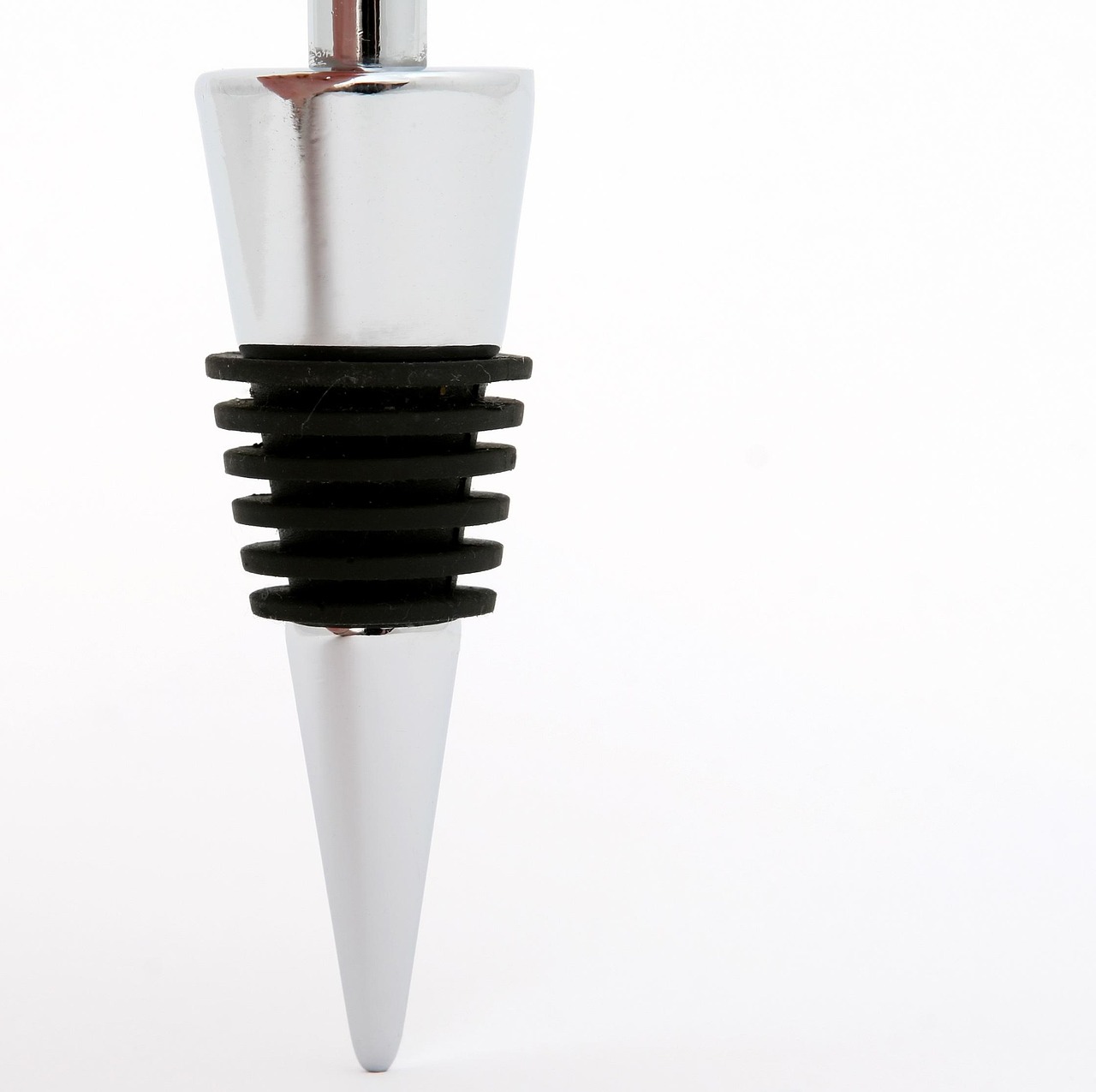
Rubber-tipped projection stops use a metal body with a rubber end or ring. Depending on the design, they may be fixed to a wall, skirting board or floor. The metal body takes the structural load, while the rubber face cushions the contact. This makes them a strong general-purpose option for doors that are opened frequently or pushed with force.
Wall-mounted projection stops are useful where the door handle would otherwise damage plaster, tiles or a painted wall. They are also less likely to become a toe-stubbing point than some floor stops. Positioning still matters. If the stop is too high, too low or too close to the hinge side, the door may twist on impact rather than meet the rubber cleanly.
Door wedges and freestanding stops
A wedge is not mainly a wall-protection product. It is designed to hold a door open by friction between the bottom of the door and the floor. Rubber wedges often grip better than smooth plastic or timber wedges on many hard floors, but their performance still depends on floor texture, door weight and the gap under the door. A freestanding weighted stop is useful when drilling is not allowed, although it can move if the door has momentum.
| Type | Best use | Main caution |
|---|---|---|
| Full rubber floor stop | Low-cost protection for internal doors | Needs a firm fixing and may wear faster in heavy-use areas |
| Metal stop with rubber bumper | Regularly used doors and neat wall or floor protection | Choose the right projection length and fixing surface |
| Rubber wedge | Temporary hold-open use on ordinary internal doors | Not suitable for holding open fire doors |
| Weighted freestanding stop | Rental spaces or rooms where drilling is not allowed | Can slide if too light for the door |
How to choose the right mounting position
The best door stop catches the door before damage occurs without creating a new obstruction. Open the door slowly and follow the swing arc. The contact point should usually be close to the outer third of the door, not close to the hinge. Stopping a door near the hinge puts more leverage into the leaf and fixings. The stop should also prevent the handle, lock case or glass panel from striking the wall.
- Open the door to the maximum safe position and mark where the handle would hit the wall.
- Move the proposed stop location slightly inward so the door hits rubber before the handle reaches the wall.
- Check that the stop will not sit in a common walking line, especially near bathrooms, bedrooms and corridors.
- Confirm that there are no pipes, cables or underfloor heating below the drilling point.
- Test the door from several opening speeds before final tightening.
For more hardware selection articles, see the Buying Guides section.
Material and size details that matter
Rubber is used because it absorbs impact and reduces noise better than a bare metal contact point. That does not mean every rubber door stop performs in the same way. Softer rubber cushions quietly but can mark, compress or tear. A firmer rubber buffer can last longer, although it may transmit more noise. Black rubber is practical in workshops and utility spaces, while white or clear rubber may be less visible in residential interiors.
The body material matters as well. Stainless steel is a sensible choice in damp areas or where cleaning is frequent. Brass, zinc alloy and plated steel can all work well indoors, but scratch resistance and corrosion performance vary by finish. For bathrooms, entrance lobbies and commercial washrooms, check whether the listing states internal use only or internal and external use.
| Detail to check | Why it matters | Practical buying tip |
|---|---|---|
| Height or projection | Determines whether the door hits the stop before the handle hits the wall | Measure the handle projection and add a small clearance |
| Mount type | Controls whether load goes into floor, wall or skirting | Choose the strongest surface you can drill safely |
| Rubber color | Affects visibility and possible transfer marks | Use lighter rubber where marks on pale surfaces would be noticeable |
| Fixing style | Affects appearance and serviceability | Concealed fixings look neater; exposed screws are easier to inspect |
| Pack quantity | Changes value on multi-door projects | Buy consistent packs for matching rooms or corridors |
Installation notes for common surfaces
Timber floors and skirting boards
Timber is usually the easiest surface for a screw-fixed stop. Mark the location, drill a pilot hole smaller than the screw core, and tighten the stop until it is secure without crushing the rubber. On old skirting, check that the timber is solid rather than split or softened. If the fixing goes into MDF skirting, avoid overtightening because the screw can strip the material. See also: Fasteners.
Masonry and plasterboard walls
For masonry, use the correct drill bit and wall plug for the screw size. The stop should be firm enough to absorb repeated impact without rocking. For plasterboard, a standard plastic plug in hollow board may not be enough for a door that is pushed hard. A suitable hollow-wall fixing or a fixing into a stud may be needed. If the wall is tiled, use a tile bit, drill slowly, and avoid placing the stop near the tile edge where cracking is more likely.
Laminate, tile and rented property
Floor-mounted stops on laminate can be awkward because floating floors need movement space. Fixing through the laminate into the subfloor may restrict expansion or cause local damage if the floor moves. On tile, drilling is possible but permanent, so position matters. In rented property, a freestanding stop or wedge may be more appropriate unless the landlord agrees to a fixed fitting.
Safety and compliance points before you buy
The main caution is fire safety. UK fire-door guidance stresses that fire doors need to close effectively and should not be obstructed or wedged open. Industry hardware guidance also treats manually operated mechanical hold-open methods as unsuitable for fire doors. If a fire door genuinely needs to stand open in normal use, the safer route is a compliant hold-open device that releases automatically when the fire alarm or detector operates.
There is also a basic trip and impact issue. A small floor stop can protect a wall but create a hazard if it is placed in a walking route, near a bed edge, or close to a bathroom threshold. In public or workplace areas, door hardware should be considered alongside accessibility, cleaning routines and escape-route management. A wall-mounted stop is often tidier in a corridor, while a floor stop can be acceptable behind a door that normally remains against the wall.
For external doors or heavy entrance doors, a small internal rubber cylinder may not be enough. Wind pressure, door closers and heavy leaves can apply more force than a light domestic stop is intended to handle. In those cases, look for a heavier-duty metal-bodied stop, a magnetic holder designed for the application, or advice from a qualified ironmongery supplier.
A practical buying checklist
- Decide whether the goal is wall protection, door hold-open, noise reduction or all three.
- Choose floor mounted, wall mounted or freestanding before comparing finishes.
- Measure the handle projection and the door opening angle.
- Check whether the fixing surface is timber, masonry, plasterboard, tile or a floating floor.
- Match the product to the door weight and use frequency, not just the lowest price.
- Avoid wedges on fire doors and do not interfere with self-closing devices.
- For bathrooms, utility rooms and exterior-adjacent spaces, prefer corrosion-resistant materials.
- Buy matching packs for multi-door projects so heights, colors and finishes remain consistent.
- Inspect the rubber contact face periodically and replace stops that split, harden or loosen.
Frequently asked questions
Is a rubber door stopper from Screwfix suitable for heavy doors?
It can be, but a full rubber stop is not always the strongest option for a heavy or fast-closing door. A metal-bodied stop with a rubber bumper usually handles repeated impact better, provided it is fixed into a strong surface. For very heavy doors, check product dimensions, fixing type and intended use carefully.
Should I choose a floor-mounted or wall-mounted stop?
Choose a floor-mounted stop when the floor is strong, the stop will not sit in a walking line, and the door can hit it near the outer part of the leaf. Choose a wall-mounted stop when the handle would otherwise damage the wall or when you want to avoid a floor obstruction. Skirting-mounted stops can work well if the skirting is solid.
Can I use a rubber wedge on a fire door?
No. A rubber wedge should not be used to hold open a fire door. Fire doors are designed to close and resist the spread of fire and smoke. If a fire door needs to be held open for access or ventilation, use an appropriate automatic release hold-open system specified for that purpose.
Do rubber door stops mark floors or walls?
They can. Softer black rubber may leave visible marks on pale paint, light flooring or white doors, especially under repeated impact. White, grey or clear rubber can reduce visible marking, although any stop can collect dirt over time. Regular cleaning and correct positioning help.
How far from the wall should a floor stop be fitted?
Fit it where the door contacts the rubber before the handle, lock or glass reaches the wall. The exact distance depends on the handle projection and door angle. As a rule, test with the door opened slowly, mark the first safe contact point, and leave a small clearance so the handle never touches the wall.