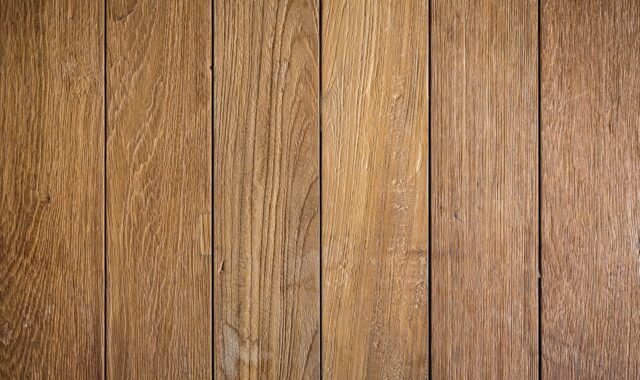
Wood floor maintenance tips for cleaning, moisture control and scratch prevention

Practical wood floor care starts with moisture, grit and the right cleaner
Good wood floor maintenance usually comes down to controlling three everyday risks: standing moisture, abrasive dirt and direct furniture contact. The most useful wood floor maintenance tips are straightforward. Remove grit before it scratches the finish, wipe spills promptly, clean with a lightly damp method rather than a wet mop, keep indoor humidity reasonably stable, and choose products that match the floor finish.
Guidance from wood flooring trade organizations, the U.S. Environmental Protection Agency and public health agencies points to the same practical conclusion: moisture control matters for both flooring performance and indoor conditions.
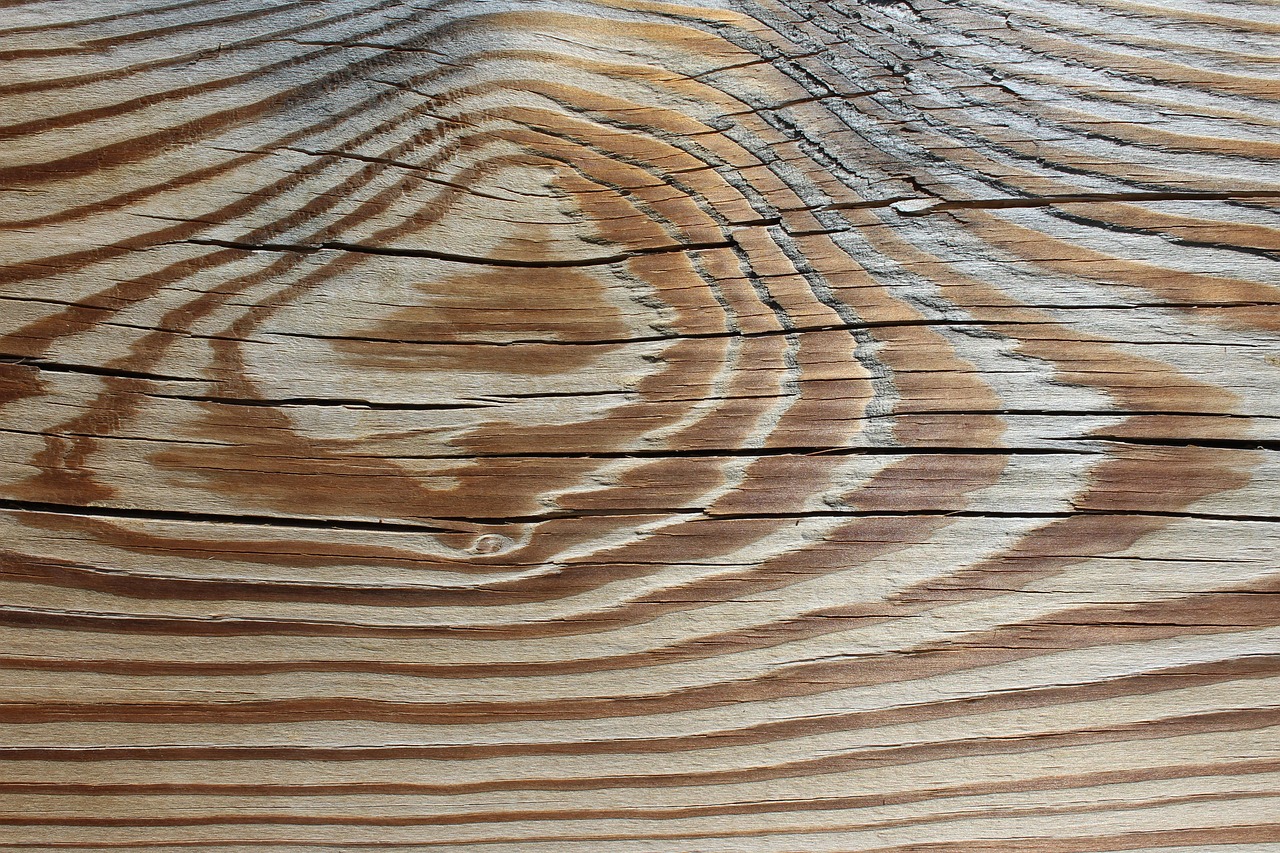
This guide focuses on routine care for residential wood floors, including solid hardwood, engineered wood and common factory-finished flooring. It does not replace the flooring manufacturer’s warranty instructions. Instead, it gives homeowners and maintenance teams a clear checklist for protecting the finish, reducing seasonal movement and recognizing when professional repair is the safer option.
Know the floor before choosing a maintenance routine
The first step is identifying what you are maintaining. A wood floor is not just a wood surface; it is a wood surface protected by a finish. Most modern floors use polyurethane, water-based urethane, aluminum oxide factory finish, penetrating oil, hardwax oil or, in older homes, wax. Each finish responds differently to water, detergents, polish and abrasion.
If the finish type is unknown, avoid aggressive cleaners, wax, steam and oil soaps until you have better information. The National Wood Flooring Association recommends following the flooring or finish manufacturer’s maintenance instructions when they are available. If the manufacturer is unknown, a qualified wood flooring professional can often identify the finish and recommend suitable cleaning products.
A practical rule is to treat an unknown floor conservatively. Start with dry dust removal, a microfiber mop and a wood-floor cleaner labeled for finished wood surfaces. Test any new product in a hidden area, such as inside a closet or behind a door swing. If the test area becomes cloudy, sticky, slippery or dull after drying, stop using that product.
Solid hardwood versus engineered wood
Solid hardwood is made from one piece of wood and can often be sanded and refinished multiple times, depending on the remaining thickness. Engineered wood has a real wood veneer over a layered core. It may be more dimensionally stable than solid wood in some conditions, but the wear layer limits how often it can be sanded. For maintenance, both types still need moisture control, grit control and protection from dents.
Finished wood versus unfinished or worn wood
Most care advice assumes the surface is sealed. If water quickly darkens the floor, bare wood is exposed in traffic lanes, or the finish is flaking, routine cleaning alone will not solve the problem. That floor may need screen-and-recoat work, spot repair or refinishing rather than more cleaner.
Build a simple cleaning schedule that avoids over-wetting
Regular cleaning protects wood floors because sand, dust and grit can act like sandpaper under shoes, chair legs and pet paws. The goal is to remove abrasive material without leaving water on the floor.
| Frequency | Task | Why it matters |
|---|---|---|
| Daily or as needed | Dust mop high-traffic areas and clean visible grit near entrances. | Reduces fine scratches in the finish. |
| Immediately | Wipe spills with a dry or slightly damp cloth, then dry the area. | Limits swelling, staining and finish damage. |
| Weekly | Vacuum with a hard-floor setting or soft brush attachment. | Removes debris from board edges and corners. |
| Every few weeks | Clean with a lightly misted microfiber mop and a cleaner approved for finished wood. | Removes residue without saturating the floor. |
| Seasonally | Check mats, felt pads, humidity and signs of gaps or cupping. | Catches problems before they become repair issues. |
A vacuum is useful if the attachment is suitable. Use a hard-floor head, a soft brush or a vacuum setting that turns off the beater bar. A rotating beater bar designed for carpet can scuff some wood floor finishes, especially when grit is trapped underneath.
When damp cleaning, use as little liquid as practical. Spray the mop pad or lightly mist a small section of floor rather than pouring solution onto the surface. The mop pad should be damp enough to pick up soil, not wet enough to leave puddles or visible streaks of water. If moisture remains on the floor for more than a short time, dry it with a clean cloth.
Control humidity because wood moves with moisture
Wood is hygroscopic, which means it gains and loses moisture as surrounding conditions change. When indoor air is very dry, boards can shrink and show seasonal gaps. When indoor air is too humid, boards can swell, cup or press against each other. Some movement is normal, but large or repeated swings can stress the flooring system.
Several public agencies advise keeping indoor humidity under control for broader building and health reasons. The EPA commonly recommends an indoor relative humidity range around 30% to 50% for indoor air quality and moisture control, while the CDC advises keeping home humidity no higher than 50% where possible to reduce mold risk. Wood flooring manufacturers may specify their own range, so the warranty document should take priority for a particular product.
For practical maintenance, use a digital hygrometer instead of guessing. A small humidity reading in the main living space can help show whether the issue is cleaning, weather or HVAC balance. In dry winter conditions, a humidifier may reduce excessive shrinkage. In humid seasons, air conditioning, ventilation and dehumidification may help limit swelling. The target is not a perfect number every hour; it is avoiding long periods of extreme dryness or dampness.
Signs of moisture imbalance
- Seasonal gaps: Narrow gaps that appear in dry months and close later may be normal, but wide or permanent gaps deserve attention.
- Cupping: Board edges rise higher than the center, often linked to excess moisture below, above or within the floor.
- Crowning: The board center rises higher than the edges and can occur after sanding a cupped floor too soon or after moisture changes.
- Dark stains near seams: These can indicate spills, pet accidents, planter leaks or repeated wet cleaning.
If cupping, dark staining or a musty odor appears, do not cover the issue with polish. Find and correct the moisture source first. Common sources include entryway water, leaking appliances, damp basements, wet crawl spaces, overfilled plant saucers and steam cleaning.
Prevent scratches, dents and wear in high-traffic areas
Scratch prevention is usually cheaper than repair. Entry mats, felt pads and careful furniture movement can protect the finish without changing how the room looks or functions.
Place a walk-off mat outside and inside exterior doors where weather and grit enter the home. Avoid rubber-backed mats unless the flooring manufacturer allows them, because some backings can discolor the finish or trap moisture against the floor. Breathable mats that can be lifted and cleaned are usually safer. Shake them out regularly so they do not become grit reservoirs.
Use felt pads under chair legs, tables, sofas and movable furniture. Replace pads when they flatten, collect grit or slide off-center. For heavy furniture, use wide floor protectors that distribute weight better than small pads. When moving furniture, lift it instead of dragging it. If lifting is not possible, use clean moving blankets or approved sliders, and inspect the path for grit first.
Pet nails, high heels and small stones in shoe soles can concentrate force into tiny contact points. Keeping pet nails trimmed, removing outdoor shoes at entrances and cleaning grit-prone zones more often are practical ways to reduce finish damage. These habits matter most in kitchens, hallways, dining areas and doorways, where traffic repeats over the same boards. See also: Buying Guides.
A note on tall furniture and wall anchoring
Floor protection should not create a safety problem. If you add glides or pads under tall furniture, make sure the furniture remains stable. The U.S. Consumer Product Safety Commission has long warned that dressers, shelving and TVs can tip if not properly anchored. For homes with children or vulnerable occupants, anchor tall or top-heavy furniture according to the manufacturer’s instructions before focusing only on floor protection.
Choose cleaning products carefully and avoid common mistakes
Many wood floor problems come from using the wrong product repeatedly. A floor can look dull because it is dirty, but it can also look dull because layers of residue have built up. Adding more shine product may make the surface slippery, uneven or harder to recoat later.
- Avoid steam mops unless the floor manufacturer clearly permits them. Heat and vapor can force moisture into seams and may damage some finishes.
- Avoid wet mopping. Standing water can seep between boards and into exposed edges.
- Avoid vinegar as a default cleaner. Although common in household cleaning, acidic solutions can dull some finishes over time.
- Avoid oil soap on modern urethane finishes unless approved. Residue can interfere with recoating and leave a hazy surface.
- Avoid wax on non-wax finishes. Wax can create adhesion problems if the floor later needs a maintenance coat.
Use a cleaner made for finished wood floors and follow the dilution instructions exactly. More concentrate does not mean more protection; it often means more residue. Wash or replace microfiber pads often during cleaning, especially across large rooms. A dirty pad can simply move grit and soil from one area to another.
If a floor becomes cloudy after cleaning, stop using the current product and review the last few products applied. Haze can come from cleaner residue, polish buildup, moisture trapped under a coating or finish wear. A flooring professional may be able to remove residue, but if the finish itself is damaged, cleaning alone will not restore clarity.
Use seasonal maintenance checks to catch problems early
Seasonal changes are when many wood floor issues become visible. A short inspection in spring, summer, fall and winter can keep small problems from becoming expensive repairs.
| Season | What to check | Maintenance action |
|---|---|---|
| Winter | Dry air, gaps, salt and wet footwear. | Use mats, remove wet shoes, monitor humidity and clean salt residue promptly with an approved cleaner. |
| Spring | Rainwater at entries, mud and planter leaks. | Clean mats, inspect door thresholds and keep plant saucers off direct floor contact. |
| Summer | High humidity, air-conditioning balance and sun exposure. | Use dehumidification if needed and consider window coverings in strong direct sun. |
| Fall | Leaves, grit and heating system startup. | Replace worn felt pads, clean entry zones and begin humidity monitoring before winter dryness. |
Sunlight also deserves attention. Ultraviolet exposure and heat can change the color of wood and some finishes over time. Rugs and furniture can leave lighter or darker outlines because covered areas age differently from exposed areas. Rotating rugs and using window coverings during strong sun can help the floor age more evenly.
For more practical home upkeep guides, browse the Maintenance Tips section.
Know when cleaning is not enough
Maintenance can preserve a sound floor, but it cannot reverse every type of damage. Deep dents, black water stains, exposed raw wood, peeling finish, loose boards and widespread cupping usually require repair rather than another cleaning product.
Screen-and-recoat service may help when the finish is worn but the wood is not deeply damaged. This process lightly abrades the existing finish and adds a new coat. It is different from full sanding, which removes more material and may be needed for deeper scratches, stains or uneven color. Floors contaminated with wax, oil soap or certain polishes may need special preparation before recoating, which is another reason to avoid unapproved products.
Call a flooring professional if moisture damage continues, boards are lifting, the floor feels soft, or gaps suddenly widen after a leak. It is also wise to get professional advice before sanding engineered wood, because the veneer thickness determines whether sanding is possible.
Frequently asked questions
How often should wood floors be cleaned?
Dust mop high-traffic areas daily or as needed, vacuum weekly with a hard-floor-safe attachment, and damp clean only when the floor actually needs it. Homes with pets, children or outdoor grit may need more frequent dry cleaning, but not necessarily more wet cleaning.
Can I use a steam mop on wood floors?
In most cases, steam is not a safe default for wood floors. Heat and moisture can enter seams, affect finishes and worsen existing cracks or gaps. Only use steam if the flooring manufacturer specifically approves it for that exact product.
What humidity level is safer for wood floors?
Many homes aim for a moderate indoor range around 30% to 50% relative humidity, which is also commonly referenced in indoor moisture guidance. However, the flooring manufacturer’s recommended range should be followed when available, because products and regional conditions differ.
Why does my wood floor look dull after cleaning?
Dullness can come from fine scratches, cleaner residue, polish buildup, worn finish or moisture damage. If the dull look appeared after changing cleaners, stop using that product and test a small area with an approved wood-floor cleaner. If bare wood or peeling finish is visible, the issue is likely wear rather than dirt.
Do rugs protect or damage wood floors?
Rugs can protect high-traffic areas, but they should be breathable, clean and compatible with the finish. Avoid backings that trap moisture or discolor the surface unless approved by the flooring manufacturer. Lift rugs periodically to clean underneath and check for color change or moisture.
A realistic maintenance plan protects both the finish and the wood
The most effective wood floor care plan is consistent, not complicated. Keep grit off the surface, wipe spills quickly, clean with minimal moisture, protect furniture contact points and monitor humidity through seasonal changes. Use the manufacturer’s instructions when available, and be cautious with unknown finishes. When damage reaches the wood itself or moisture problems continue, move from routine cleaning to diagnosis and repair. That approach protects the floor’s appearance while reducing the risk of making a small maintenance issue worse.