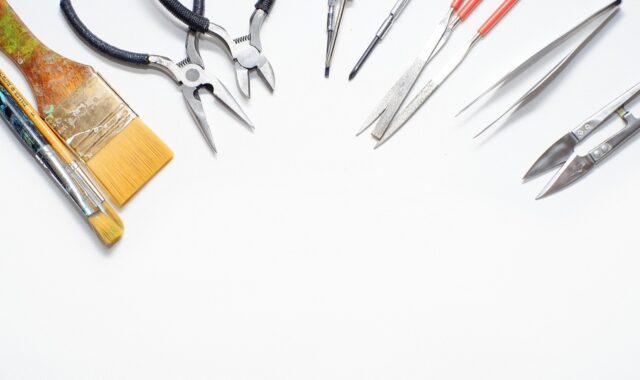
Small pond maintenance tips for clear water and reliable equipment
Start with prevention, not emergency cleaning
The most useful small pond maintenance tips are straightforward: limit nutrient runoff, remove debris before it decays, keep water moving, inspect equipment regularly, and make changes gradually. Because a small pond has limited water volume, heat, leaves, excess fish food, fertilizer, and pump problems can affect water quality within days. Effective maintenance is less about occasional heavy cleaning and more about steady observation.
For a backyard ornamental pond, the usual goal is clear enough water, healthy plants or fish if present, and reliable pumps, liners, edging, fasteners, and filtration hardware. Clear water does not mean sterile water. A pond is a living system, so some algae, plant growth, sediment, and insects are normal. The maintenance challenge is to stop small imbalances from turning into cloudy water, odors, clogged pumps, liner damage, or oxygen stress.
This guide is written for homeowners, landscapers, and maintenance teams. It combines basic pond care with the hardware and material checks that often determine whether a small pond stays manageable over time. For more general upkeep guides, see our Maintenance Tips section.
Understand what makes small ponds harder to maintain
Small ponds react quickly because they have limited dilution. A handful of leaves, a short pump shutdown, or a heavy rainstorm that washes lawn fertilizer toward the pond may show visible effects within days. U.S. Environmental Protection Agency guidance on nutrient pollution identifies fertilizer, yard waste, and stormwater runoff as common sources of nitrogen and phosphorus that can encourage algae growth in water bodies. University extension pond guides also emphasize that aquatic plant control should begin with correct identification and prevention, not guesswork.
Several conditions make a small pond more likely to develop maintenance problems:
- Too much direct sunlight: Sunlight supports algae and can raise water temperature in shallow ponds.
- Organic buildup: Leaves, grass clippings, uneaten food, and dead plant matter decay and consume oxygen.
- Poor circulation: Stagnant areas collect debris and may develop odor or mosquito problems.
- Excess nutrients: Fertilizer, soil erosion, pet waste, and fish overfeeding can feed algae blooms.
- Undersized filtration: Filters that are too small or poorly cleaned clog quickly and reduce flow.
- Material deterioration: UV exposure, rusting fasteners, cracked tubing, and torn liners can turn a water-quality issue into a structural repair.
Treat the pond as both a water system and a hardware system. If water quality declines, check pumps, filters, inlets, outlets, skimmers, tubing, and electrical connections before assuming a chemical treatment is the right answer.
Build a simple weekly maintenance routine
A weekly routine prevents many small pond problems. It does not need to take long, but it should be consistent. Spend 15 to 30 minutes observing the pond, removing obvious debris, and checking whether water is moving as expected. Sudden changes usually matter more than a single imperfect reading.
Remove floating and sinking debris early
Leaves and grass clippings are easiest to handle before they sink. Use a pond net, skimmer basket, or fine mesh scoop to remove debris from the surface. If the pond sits near trees, increase this task during leaf drop and after storms. As organic matter breaks down, it can add nutrients to the water and increase oxygen demand.
Check pump flow and filter pressure
Look at the waterfall, fountain, or outlet flow. If flow is weaker than usual, the cause may be a clogged intake, blocked hose, dirty filter media, trapped air, or a worn pump component. Turn off power before handling electrical pond equipment. When beneficial bacteria are part of the filtration system, rinse mechanical filter pads with pond water rather than chlorinated tap water. Replace cracked tubing, brittle hose clamps, and corroded screws before they fail under load.
Observe water, smell, and fish behavior
Cloudiness, surface scum, rotten odors, fish gasping near the surface, or a sudden change in plant growth should trigger a closer inspection. Extension pond resources commonly connect low dissolved oxygen with warm weather, heavy organic decay, and sudden die-off of algae or aquatic plants. If fish are present and appear stressed, increase aeration immediately and avoid drastic cleaning that stirs bottom sediment throughout the pond.
Control algae by managing light, nutrients, and circulation
Algae control is one of the most common reasons people look for small pond maintenance tips. Algae are both a symptom and a problem. If nutrients and sunlight remain high, quick fixes may only provide temporary improvement.
Start with nutrient control. Do not allow lawn fertilizer, compost, mulch fines, or soil to wash into the pond. The EPA advises applying fertilizer only when needed, avoiding application before windy or rainy weather, and keeping fertilizer away from waterways. For a small backyard pond, the same principles are practical: maintain a planted buffer, redirect downspouts if they carry dirty runoff, and sweep hard surfaces instead of hosing debris toward the pond.
Use shade and plants carefully. Floating or marginal plants can reduce direct sunlight and take up some nutrients, but excessive plant coverage may create its own oxygen and maintenance problems. A balanced pond usually has open water, some plant habitat, and enough circulation to prevent stagnant corners. Avoid introducing invasive aquatic plants, and identify unknown weeds before removing or treating them.
Finally, improve circulation and aeration. A small waterfall, fountain, or diffuser can help keep water moving and support oxygen exchange. EPA stormwater pond maintenance guidance notes that aeration systems require maintenance and that algae, weeds, and debris can bind moving parts. In a small ornamental pond, the aeration device itself should be part of the inspection routine, not treated as a set-and-forget solution.
Choose materials and hardware that reduce future problems
Maintenance is easier when the pond is built with durable, accessible materials. Hardware decisions affect leak risk, pump reliability, cleaning time, and safety.
Liners and underlayment
A flexible pond liner should be protected from sharp stones, roots, tools, and exposed edges. Underlayment helps cushion the liner and reduce puncture risk. During maintenance, avoid dragging metal rakes, pointed shovels, or rough baskets across the liner. If the water level drops faster than normal evaporation, inspect the liner edge, waterfall return, hose fittings, and low spots before assuming the liner has failed.
Pumps, tubing, and clamps
Choose a pump that can circulate the pond volume appropriately for the pond purpose, head height, and filter design. A pump that is too weak may leave stagnant water; a pump that is too strong for the filter may cause bypassing or overflow. Use tubing sized for the pump outlet, and check clamps and connectors seasonally. Stainless steel or corrosion-resistant fasteners are often worth using near water, especially where replacements would be difficult after installation. See also: Buying Guides.
Edging, grates, and safety hardware
Stone edging, metal grates, access covers, and support brackets should be stable, smooth, and safe to step near. Loose edging can shed soil into the pond and create a trip hazard. Galvanized or coated metal may be suitable for many outdoor uses, but any metal placed where it contacts pond water should be selected with care, particularly if fish are present. When in doubt, choose pond-safe components intended for aquatic environments.
| Component | What to inspect | Maintenance action |
|---|---|---|
| Pump | Reduced flow, noise, vibration, blocked intake | Clean intake, check impeller, confirm safe power connection |
| Filter | Clogged pads, bypassing water, poor return flow | Rinse mechanical media, replace worn pads, avoid over-cleaning biological media |
| Liner | Exposed edges, punctures, wrinkles pulling downward | Protect edges, remove sharp objects, patch confirmed leaks with compatible material |
| Tubing and clamps | Cracks, leaks, loose joints, UV brittleness | Tighten or replace fittings, use weather-resistant tubing |
| Edging | Loose stones, soil wash-in, unstable supports | Reset edging, add compacted base, prevent runoff channels |
Use a seasonal pond maintenance schedule
Small ponds need different attention through the year. Climate, pond depth, plant type, and fish load will change the details, but the seasonal pattern is consistent: prepare in spring, prevent overheating and oxygen stress in summer, remove organic debris in fall, and protect equipment in winter.
Spring
Spring is the time to restart systems gradually. Remove winter debris, inspect the liner perimeter, clean the pump housing, and confirm that water is circulating normally. Trim dead plant material before new growth hides it. If fish are present, feed lightly as temperatures rise and avoid sudden water chemistry changes. Check fasteners, brackets, filter boxes, and electrical protection before the pond enters peak growth season.
Summer
Summer maintenance focuses on oxygen, evaporation, and algae prevention. Warm water holds less dissolved oxygen than cool water, and heavy plant or algae die-off can worsen oxygen stress as material decomposes. Top up water when needed, but avoid large sudden changes unless required for safety or water quality. Clean intake screens more often, add aeration if fish are present, and reduce feeding when water quality appears unstable.
Fall
Fall is debris season. Net the pond if leaves are heavy in your area, empty skimmer baskets often, and remove sinking leaves before they become sludge. Cut back dying marginal plants and inspect edging before freeze-thaw movement. This is also a good time to replace worn hoses, cracked plastic fittings, or corroded hardware because access is often easier after plant growth declines.
Winter
Winter care depends on local climate. In freezing regions, protect pumps and tubing according to equipment instructions. Some pond owners remove and store pumps; others run winter-rated equipment or maintain a small opening in ice for gas exchange. Do not smash ice with a heavy tool near fish, because shock and liner damage are possible. In mild climates, continue light debris removal and watch for storm runoff.
Avoid common maintenance mistakes
Many pond problems are caused by overcorrection. A cloudy pond does not always need a full drain. Algae does not always mean chemicals are required. A filter should not always be sterilized. The safer approach is to identify the likely cause, make one or two targeted changes, and observe the result.
- Do not overfeed fish. Uneaten food decays and adds nutrients. Feed only what fish consume quickly.
- Do not clean every surface at once. Beneficial bacteria live on filter media, stones, and pond surfaces. Over-cleaning can disrupt biological balance.
- Do not treat unidentified plants blindly. Extension guides recommend identifying aquatic vegetation before choosing a control method.
- Do not ignore runoff. If every rainstorm sends soil or fertilizer into the pond, cleaning the water will not solve the source problem.
- Do not postpone hardware repairs. A small leak at a hose connection can become pump damage, liner exposure, or bank erosion.
Chemical algaecides or herbicides should be used cautiously and only according to the product label. For ponds with fish, plants, pets, or wildlife access, consider the risk of oxygen depletion after large plant or algae die-off. When a pond has recurring severe algae, fish kills, or unknown contamination, contact a local extension office, pond professional, or water-testing service rather than relying on repeated treatments.
Quick maintenance checklist for small ponds
Use this checklist as a practical routine. Adjust the frequency based on weather, fish load, tree cover, and how quickly debris accumulates.
- Remove leaves, grass clippings, and floating debris weekly.
- Check pump flow, filter condition, and intake screens weekly.
- Inspect tubing, clamps, and visible fittings monthly.
- Keep fertilizer, mulch, soil, and pet waste away from the pond edge.
- Trim dead plant material before it decays in the water.
- Maintain some shade or plant cover without letting plants take over the surface.
- Top up evaporated water gradually when possible.
- Watch for sudden fish behavior changes, odors, foam, or unusual color.
- Inspect liner edges and edging stones after storms or freeze-thaw movement.
- Review electrical safety, outdoor-rated connections, and GFCI protection with a qualified professional when needed.
Frequently asked questions
How often should a small pond be cleaned?
Most small ponds should be lightly maintained every week and deeply cleaned only when necessary. Regular debris removal, pump inspection, and filter care are better than draining and scrubbing the pond too often. A full cleanout may be appropriate when sludge is excessive, the liner needs repair, or equipment must be reworked, but it should be planned to avoid stressing fish and plants.
Why does my small pond turn green so quickly?
Green water usually indicates suspended algae supported by sunlight and nutrients. Common causes include fertilizer runoff, overfeeding fish, too little plant balance, poor filtration, shallow warm water, or decaying organic matter. The long-term solution is to reduce nutrient inputs, improve circulation, and remove debris before it breaks down.
Should I run my pond pump all the time?
Many small ponds benefit from continuous circulation, especially when fish are present or when the filter depends on steady water flow. However, the right setup depends on pump type, pond design, energy use, and climate. If the pump is turned off seasonally, clean and store it according to the manufacturer’s instructions and make sure the pond still has safe oxygen conditions.
Can I use tap water to refill a small pond?
Tap water can often be used for topping up, but large additions may require dechlorination if fish or sensitive aquatic life are present. Add water gradually when possible, and avoid sudden temperature changes. If your local water is very hard, soft, or chemically treated, test before making major water changes.
What is the most overlooked small pond maintenance task?
Runoff control is often overlooked. Many pond owners clean filters and treat algae while fertilizer, soil, leaves, and lawn debris continue entering the water. Redirecting runoff, maintaining pond-edge planting, and keeping surrounding hard surfaces clean can reduce the maintenance burden more than repeated emergency treatments.