How to choose galvanized steel fittings for corrosion-resistant assemblies
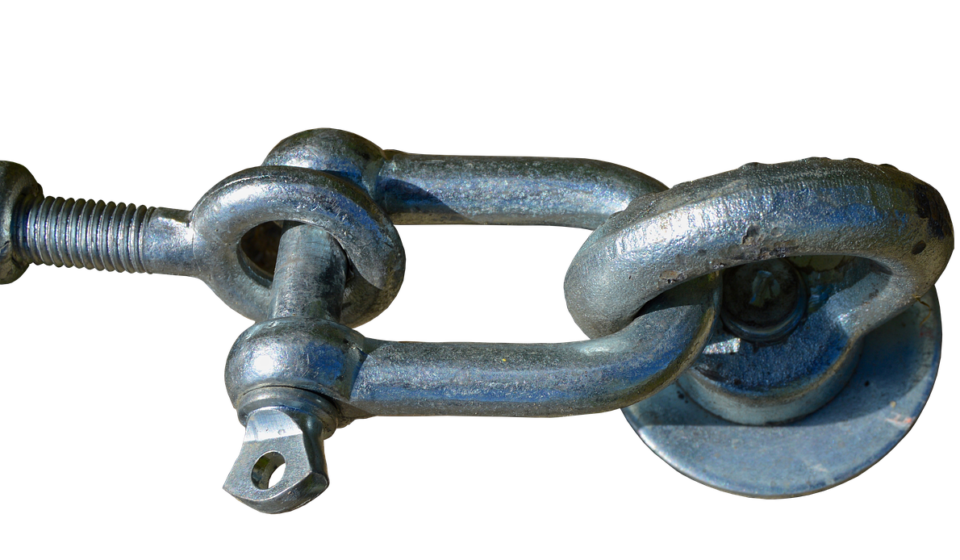
Why galvanized steel fittings are specified
Galvanized steel fittings are used when an assembly needs the strength and workability of steel with additional corrosion protection from zinc. In a practical specification, the main question is not only whether the part is galvanized. It is how the part was galvanized, what base material standard applies, and whether the coating is appropriate for the environment, threads and installation method.
Hot-dip galvanizing is often selected for exterior or industrial exposure because the steel is immersed in molten zinc, forming a bonded zinc coating. Electro-galvanized or light zinc-plated parts can look similar in a catalog photo, but they are usually better suited to lighter-duty or more sheltered conditions. For buyers, engineers and installers, the safer approach is to specify the fitting type, steel or iron grade, coating standard, thread or dimensional standard, and inspection expectations together.
For more articles on related components and selection details, visit the metal fittings category.
The coating method matters more than the word galvanized
The word galvanized is broad. It may refer to hot-dip galvanizing, electro-galvanizing, mechanical zinc coating, zinc-rich repair coatings, or pre-galvanized sheet that is later formed into parts. These routes do not produce the same coating thickness, coverage or service behavior.
Hot-dip galvanized fittings are made by cleaning the steel or iron and dipping it into molten zinc. Under commonly used ASTM and ISO galvanizing standards, this process creates zinc and zinc-iron alloy layers on the surface. The coating works first as a physical barrier, slowing contact between steel, oxygen and moisture. Zinc also provides sacrificial protection near small damaged areas, meaning the zinc corrodes preferentially before the steel in many atmospheric conditions.
Electro-galvanized or zinc-plated fittings are usually smoother and more uniform in appearance. That can be useful for indoor hardware, light brackets and parts where the finish is visible. The trade-off is that the zinc layer is commonly thinner than a hot-dip galvanized coating, so it should not be treated as an equal substitute for outdoor structural hardware unless the project specification allows it.
Pre-galvanized material creates another important distinction. A fitting stamped or formed from zinc-coated sheet may have protected faces but exposed cut edges, punched holes or weld zones. That may be acceptable in some light-duty applications, but it is different from galvanizing after fabrication, where the finished article is coated as a whole.
Standards to check before buying
A clear specification avoids the vague phrase galvanized finish and names the relevant product and coating standards. As of October 2026, the following documents are widely referenced in North American or international specifications for galvanized steel and iron products. Project requirements can differ, so the latest contract documents and local codes should control.
| Application area | Commonly referenced document | Why it matters |
|---|---|---|
| Fabricated steel articles and structural shapes | ASTM A123/A123M or ISO 1461 | Sets requirements for hot-dip galvanized coatings on fabricated iron and steel articles. |
| Iron and steel hardware | ASTM A153/A153M | Applies to hot-dip zinc coatings on hardware such as small parts that are often centrifuged to remove excess zinc. |
| Bolts, screws, washers, nuts and special threaded fasteners | ASTM F2329/F2329M | Addresses hot-dip zinc coating requirements for carbon and alloy steel threaded fasteners. |
| Steel pipe supplied black or galvanized | ASTM A53/A53M | Covers seamless and welded steel pipe supplied black or hot-dipped zinc-coated in defined nominal pipe sizes. |
| Malleable iron threaded fittings | ASME B16.3 | Defines requirements for Classes 150 and 300 malleable iron threaded fittings. |
| Pipe plugs, bushings and locknuts | ASME B16.14 | Covers pressure-temperature ratings, dimensions, materials, marking and threading for these ferrous pipe-threaded parts. |
| Repair of damaged galvanized coatings | ASTM A780/A780M | Describes accepted repair methods such as zinc-rich paint, zinc alloy repair materials and metallizing. |
This table is not a universal checklist for every job. A railing fitting, threaded pipe fitting, conduit support, fastener and pipe clamp may all be called galvanized steel fittings in casual purchasing language, but they are not specified the same way. Match the standard to the product form and the end use.
Where galvanized steel fittings work well
Galvanized fittings are commonly used in outdoor frames, handrail systems, fence assemblies, cable tray supports, greenhouse frames, utility brackets, pipe supports, sign structures, access platforms and general industrial maintenance work. They are attractive in these applications because the parts can often be handled, bolted and assembled without applying a paint system immediately after installation.
Atmospheric exposure is the service condition most closely associated with galvanized coatings. The American Galvanizers Association describes service life as dependent on zinc coating thickness and environment, with rural, suburban, marine, tropical marine and industrial atmospheres behaving differently. This matters in purchasing: two fittings with the same coating can age very differently if one is installed at a dry inland warehouse opening and the other is placed near salt spray or chemical fumes.
Galvanized steel fittings are not a universal corrosion solution. Submerged service, highly acidic or highly alkaline exposure, direct contact with incompatible metals, abrasive service and chemical washdown areas may require stainless steel, duplex coating systems, nonmetallic components or a project-specific corrosion study. For potable water, fire protection, fuel gas, process piping and life-safety systems, the finish alone is not enough. The fitting must also meet the governing code, listing, and pressure or temperature requirements.
Fit-up issues that are easy to miss
Many installation problems are not caused by poor material. They come from mixing incompatible products or overlooking the added zinc thickness on threads and bearing surfaces.
Threaded fasteners need matching parts
Hot-dip galvanized bolts are larger over the threads after coating because zinc adds measurable thickness. Nuts intended for hot-dip galvanized bolts are commonly tapped oversize to allow assembly. A standard uncoated nut or a light zinc-plated nut may not run properly onto a hot-dip galvanized bolt, even when the nominal thread size appears correct. For structural or load-critical joints, specify the fastener grade, coating standard, nut grade, lubrication requirements and tightening method as a system rather than buying loose look-alike items.
Threaded pipe fittings require more than a coating description
For pipe-related work, galvanized does not define the pressure class, thread form, fitting material or allowable service. A malleable iron threaded elbow, a steel pipe nipple, a bushing and a locknut may fall under different standards. The drawing or purchase order should state the size, class, thread standard, base material, coating and service limitations. This is especially important in maintenance work, where replacement parts may be sourced from different suppliers over time. See also: Buying Guides.
Field welding changes the coating
Welding, flame cutting or heavy grinding after galvanizing removes or damages zinc near the work area. It can also create fumes that require proper ventilation and safety controls. If field modification is unavoidable, the exposed area should be repaired using a method recognized in the project specification, often by reference to ASTM A780/A780M. For repeat fabrication, it is usually better to drill, cut, weld and clean the component before hot-dip galvanizing rather than modifying it afterward.
How to inspect galvanized fittings on arrival
Inspection should consider both performance and appearance. A hot-dip galvanized surface is not always as smooth or bright as electroplated zinc. Spangle, dull gray areas, slight roughness and color variation can occur without automatically indicating poor corrosion protection. More important warning signs include bare spots, heavy runs that interfere with fit-up, clogged holes, damaged threads, sharp zinc projections, excessive warping, missing markings or shipping damage that exposes steel.
For critical assemblies, check the paperwork before the parts are installed. Useful documents may include a certificate of compliance for the coating standard, material test reports for the base part when required, fastener certifications, dimensional inspection reports and any approved repair records. If repairs are visible, confirm whether the repair size and method are allowed by the specification. A small repaired area may be acceptable; repeated large bare areas suggest a process or handling problem that should be reviewed before installation.
White rust also needs attention. It appears as a white, powdery zinc corrosion product, usually when newly galvanized parts are stored wet with poor airflow. Light white rust may be mainly cosmetic after cleaning and drying, but heavy deposits can consume zinc and shorten service life. Storage practices matter: keep fittings dry, separate layers to allow air movement, and avoid trapping water under plastic wrapping.
Galvanized steel versus common alternatives
Material selection is a trade-off between corrosion exposure, strength, price, appearance, maintenance access and code requirements. Galvanized fittings often sit in the middle: more corrosion-resistant than bare or lightly painted carbon steel in many outdoor conditions, usually less expensive than stainless steel, and easier to install than multi-coat paint systems on complex shapes.
| Option | Typical advantage | Important limitation |
|---|---|---|
| Hot-dip galvanized steel fittings | Good atmospheric corrosion protection and full-article coverage when galvanized after fabrication. | Coating is consumed over time, and threads or tight tolerances need planning. |
| Electro-galvanized or zinc-plated fittings | Smooth appearance and useful for many indoor or light-duty parts. | Usually not a direct substitute for hot-dip galvanizing in exposed outdoor service. |
| Stainless steel fittings | Strong corrosion resistance in many environments and no zinc coating to consume. | Higher material cost and possible galvanic compatibility issues with adjacent metals. |
| Painted carbon steel fittings | Flexible color and coating system choices. | Edges, chips and hidden surfaces require careful surface preparation and maintenance. |
| Duplex systems over galvanizing | Combines zinc protection with an organic coating for severe or appearance-driven exposure. | Requires compatible surface preparation and coating procedures. |
The right option depends on the actual environment. A lightly loaded indoor bracket does not need the same coating strategy as a coastal platform connection. Conversely, saving a small amount on a thinner zinc coating can be false economy when the fitting is difficult to replace after installation.
A practical selection checklist
- Define the environment. Note whether the fitting will be indoors, outdoors, sheltered, coastal, industrial, submerged or exposed to chemicals.
- Identify the product type. Separate pipe fittings, structural connectors, fasteners, clamps, brackets and fabricated assemblies.
- Specify the coating route. Use hot-dip galvanizing after fabrication when full coverage and stronger outdoor durability are required.
- Name the relevant standard. Match ASTM, ISO or ASME documents to the product rather than using one generic galvanizing requirement.
- Check thread compatibility. Use matched galvanized bolts, nuts and washers where the zinc coating affects fit.
- Plan for modification. Complete cutting, drilling and welding before galvanizing whenever possible.
- Control storage. Keep newly galvanized fittings dry and ventilated to reduce white rust risk.
- Document repairs. If coating damage occurs, use an approved repair method and record it for critical work.
Frequently asked questions
Are galvanized steel fittings the same as zinc-plated fittings?
No. Zinc-plated fittings have a zinc coating, but they are not necessarily hot-dip galvanized. Hot-dip galvanizing and electroplating use different processes and generally produce different coating characteristics. For outdoor or industrial work, the specification should state the required coating standard rather than relying on the word galvanized.
Can galvanized steel fittings rust?
Yes. Zinc slows corrosion, but it is gradually consumed as it protects the steel. Rust can appear where the coating is missing, badly damaged, fully consumed or exposed to an environment beyond the coating design. Proper coating thickness, drainage, storage and repair practices all influence service life.
Can galvanized fittings be welded?
They can be welded only with appropriate safety controls and acceptance by the project specification. Welding burns away zinc near the weld and requires repair of the exposed area afterward. For planned fabrication, welding before galvanizing is usually the better route.
Why will a galvanized bolt not fit a standard nut?
The zinc coating on a hot-dip galvanized bolt adds thickness to the threads. Nuts intended for these bolts are often tapped oversize so the assembly can fit correctly. Mixing hot-dip galvanized bolts with ordinary nuts can lead to galling, poor engagement or installation delays.
Are galvanized steel fittings suitable for potable water or gas systems?
That depends on the local code, the specific fitting standard, the fluid, pressure, temperature and any required listing. Do not approve a fitting for potable water, gas or fire protection service based only on the galvanized finish.
Bottom line
Galvanized steel fittings are useful, widely available components for corrosion-resistant assemblies, but they should be specified with precision. The coating method, product standard, base material, thread compatibility and exposure environment all matter. A clear purchase description and a basic receiving inspection prevent many of the failures commonly blamed on galvanizing itself. When in doubt, treat galvanized as a performance requirement to be defined, not a single finish name that means the same thing in every catalog.