Mechanical fasteners guide for reliable bolted, screwed and riveted joints
Mechanical fasteners are a design choice, not just a hardware item
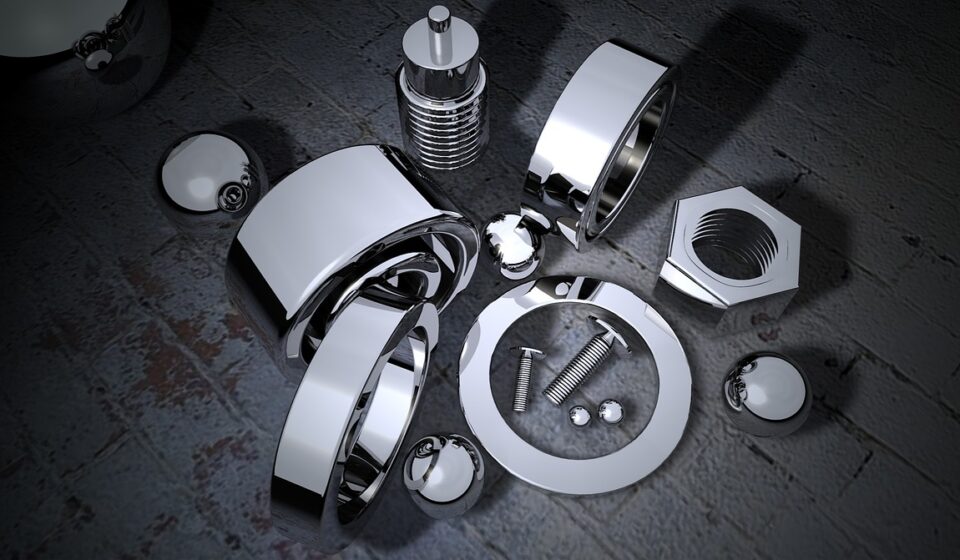
Mechanical fasteners are components used to join two or more parts mechanically, either permanently or in a way that allows removal for service. In hardware sourcing, the term covers bolts, screws, nuts, washers, studs, pins, rivets, clips, inserts and related parts. ISO/TC 2 describes fasteners as products designed to join parts into solid or movable fastened connections, including bolts, screws, nuts, washers, pins and rivets. (iso.org)
For buyers, engineers and maintenance teams, the key question is not simply “which fastener fits the hole?” The fastener also has to carry the load, suit the environment, assemble consistently and remain inspectable over the equipment’s service life. A small screw, a structural bolt and a blind rivet are all mechanical fasteners, but they are selected for very different joint problems.
This guide focuses on specification decisions for industrial and hardware applications. It is written for readers comparing options in the Fasteners category, not as a substitute for an engineer’s calculation or a project-specific standard.
What counts as a mechanical fastener?
The phrase “mechanical fastener” is broad because it describes the joining method rather than one product shape. A mechanical joint may rely on geometry, thread engagement, clamping force, deformation, interference or a locking feature to hold components together. That separates it from adhesive bonding, welding or soldering, even though those methods may be used alongside fasteners in the same assembly.
Common mechanical fastener families include:
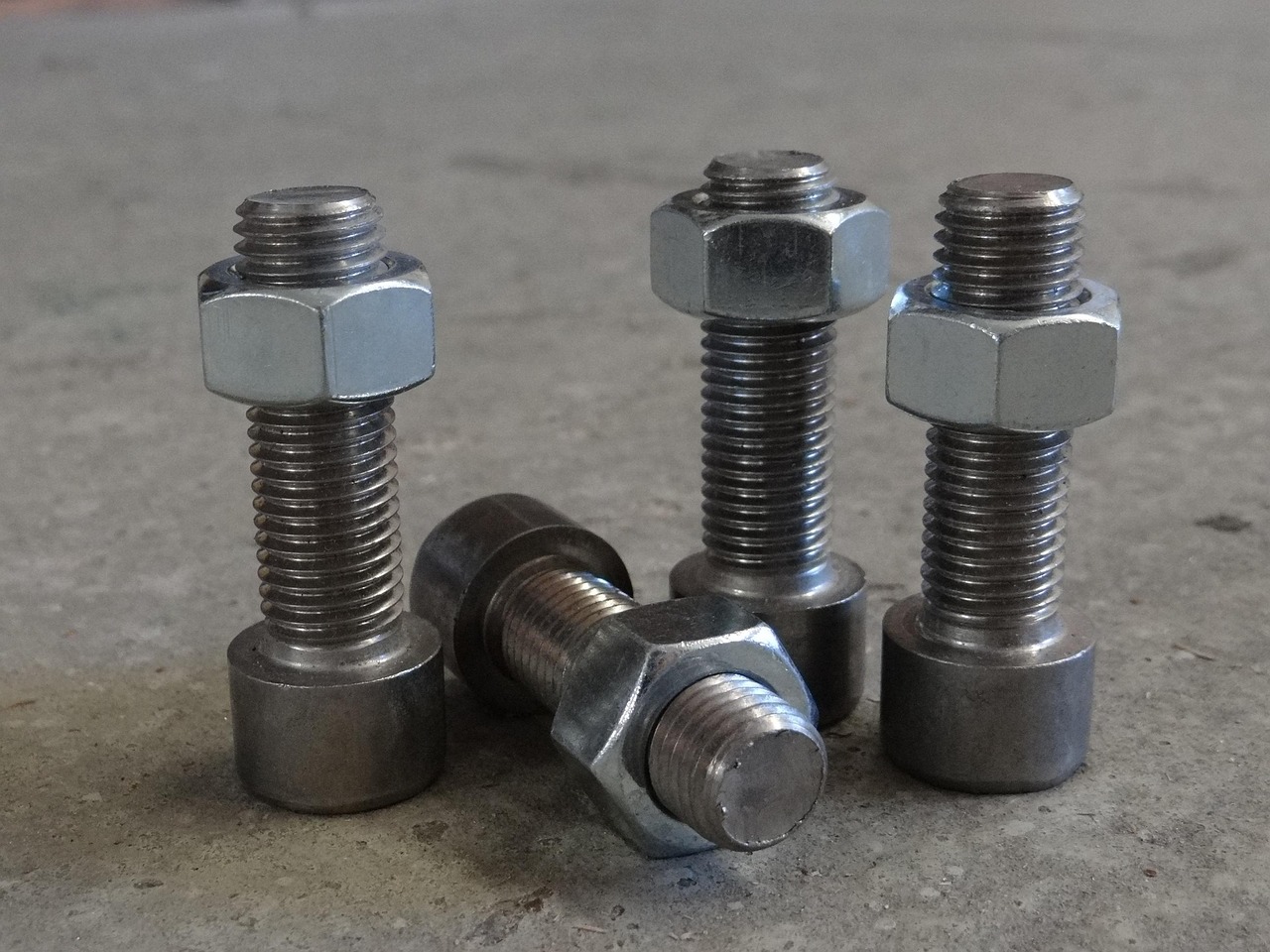
- Bolts and nuts for clamped joints where access is available from both sides.
- Machine screws and cap screws for threaded holes, tapped bosses or mating nuts.
- Self-tapping and thread-forming screws for sheet metal, plastics or prepared holes where a separate nut is not used.
- Studs for repeated assembly, alignment or applications where one end remains installed.
- Rivets for permanent or semi-permanent joints, including solid, tubular and blind styles.
- Pins, retaining rings and clips for alignment, shear transfer, rotation control or retention.
- Washers and spacers that distribute load, protect surfaces, adjust spacing or contribute to locking.
- Threaded inserts that provide durable internal threads in softer materials.
Standards bodies separate many of these products by dimensions, mechanical properties, tolerances, material grades and test methods. ISO notes that fastener standards support reliability, durability and compatibility across nuts, bolts, screws and threads. (iso.org)
Match the fastener to the joint function
A reliable specification starts with the function of the joint. Product names help identify a part family, but they do not define performance by themselves. The same nominal size may work for a light cover plate and be unsuitable for a vibrating machine bracket if the load, assembly method or inspection requirement changes.
Clamping joints
Bolts, nuts and many machine screws are often used to create clamp force. In a properly designed clamped joint, fastener preload keeps the mating parts in contact so service loads do not immediately loosen the joint or shift the parts. This is why torque, thread condition, lubrication and bearing surface condition matter. The fastener is not just a metal part in tension; it is part of a system that includes threads, washers, mating materials and installation controls.
Shear, alignment and location
Pins, dowels, shoulder screws and some rivets are used where location and shear transfer are important. A dowel pin may locate parts accurately while separate bolts provide clamp force. A rivet may carry shear through its shank while also holding thin sheets together. When alignment is the priority, tolerance and hole quality can be as important as nominal strength.
Permanent or limited-access joints
Rivets, blind rivets and certain clips are selected when the joint is not intended to be removed frequently or when access is available from only one side. Blind rivets are common in sheet assemblies because they can be installed without reaching the back side of the joint. Their limits still need to be checked: grip range, mandrel retention, corrosion compatibility and vibration behavior can all affect performance.
Key specification variables that affect performance
Fastener selection is clearer when the specification is built around measurable variables. The table below summarizes the main items to review before substituting one fastener for another.
| Specification variable | Why it matters | Common risk if ignored |
|---|---|---|
| Diameter and thread pitch | Control engagement, strength, fit and compatibility with mating threads | Thread stripping, poor assembly or mismatched inventory |
| Length and grip range | Determine thread engagement, bearing area and whether the joint stack is fully captured | Bottoming out, insufficient clamp or exposed threads in the wrong location |
| Material and property class or grade | Define strength, ductility and suitability for the application | Overloaded fasteners, brittle failure or unnecessary cost |
| Coating or finish | Influences corrosion resistance, friction and appearance | Premature corrosion, changed torque-tension behavior or coating damage |
| Head style and drive type | Affect installation access, bearing area and serviceability | Cam-out, tool clearance problems or surface damage |
| Locking feature | Helps resist loosening where vibration or thermal cycling is present | Loss of preload, rattling or fatigue risk |
| Inspection requirement | Confirms that purchased and installed fasteners match the specification | Uncontrolled substitutions and difficult failure analysis |
A substitution should be treated as an engineering change when it alters material, strength class, coating, thread form, head style, bearing area or locking method. Parts that look similar in a bin or catalog can behave differently after installation.
Standards help prevent ambiguous fastener specifications
Mechanical fasteners depend heavily on standardization because a drawing or purchase order must communicate geometry, material, mechanical properties and inspection expectations. ISO 225:2010, for example, defines symbols and descriptions for dimensions of bolts, screws, studs and nuts for use in product standards and drawings. (iso.org)
In inch-series and North American industrial contexts, ASME, ASTM, SAE and IFI documents are frequently used alongside company specifications. ASME B18.18 is focused on quality assurance for fasteners and establishes in-process and final inspection requirements as well as a receiving inspection plan for purchasers. (asme.org)
Structural bolting shows why the exact standard matters. ASTM F3125 covers high-strength structural bolts in steel and alloy steel, including 120 ksi and 150 ksi minimum tensile strength classes, and was created to align standards with the same intended use and simplify maintenance of structural bolt specifications. (store.astm.org)
For general hardware articles and purchasing notes, it is often enough to identify the standard family and the required grade or property class. For safety-critical equipment, public infrastructure, pressure systems, lifting devices or regulated products, the controlling project document should state the exact standard edition, acceptance criteria and traceability requirements.
Material, coating and environment should be specified together
Fastener material is often chosen for strength, but the environment can be just as important. Carbon steel, alloy steel, stainless steel, brass, aluminum and specialty alloys all involve different trade-offs. A high-strength steel fastener may be appropriate in a dry structural joint but poorly suited to a corrosive environment unless the coating, maintenance plan and installation method are also controlled. See also: Buying Guides.
Coatings and finishes are not only cosmetic. Zinc plating, hot-dip galvanizing, mechanical galvanizing, phosphate coatings, black oxide and passivation can change corrosion behavior and surface friction. Because torque is only an indirect way to control tension, changes in finish and lubrication can change clamp load. Where preload is critical, the tightening method and surface condition should be specified together rather than handled as separate details.
Galvanic compatibility is another practical issue. When dissimilar metals contact each other in the presence of an electrolyte, one metal may corrode faster. This concern is common in outdoor assemblies, marine hardware, HVAC equipment and mixed-metal sheet assemblies. Designers often address it through material pairing, isolation washers, sealants, coatings or controlled drainage.
Temperature should also be reviewed. Plastics can creep, coatings can degrade, and some metals lose strength or toughness outside their normal service range. A fastener that performs well in a room-temperature fixture may require a different material or locking method in thermal cycling.
Installation quality is often the difference between design intent and field performance
Many fastener failures are not caused by choosing a completely wrong product. They occur because installation did not produce the intended joint condition. Common causes include under-tightening, over-tightening, contaminated threads, damaged mating threads, incorrect washers, mixed coatings, reused locking hardware, poor hole alignment and uncontrolled substitutions.
For threaded fasteners, the installation method should match the risk level of the joint. Low-risk covers may only need standard hand tools and visual checks. More important joints may require calibrated torque tools, torque-angle control, direct tension indicators, prevailing-torque nuts, thread-locking compounds or documented assembly procedures. The higher the consequence of loosening or fracture, the more important it is to define the method instead of only listing the fastener size.
Inspection should also match the application. Receiving inspection may verify marking, dimensions, coating, thread fit and documentation. In-process inspection may confirm assembly sequence, torque tool calibration or washer orientation. Final inspection may check witness marks, exposed thread count, rivet setting, clip engagement or evidence of damage. IFI describes its technical resources as covering manufacturing, inspection and use of mechanical fasteners, which reflects how closely these topics are connected in practice. (tech.indfast.org)
Practical selection workflow for hardware buyers and engineers
A clear workflow reduces specification errors and makes supplier discussions more productive. The following sequence is suitable for many general industrial and hardware applications:
- Define the joint purpose. Decide whether the fastener provides clamp force, alignment, shear transfer, retention, spacing or permanent attachment.
- Identify the service conditions. Include vibration, temperature, moisture, chemicals, outdoor exposure and maintenance access.
- Choose the fastener family. Compare bolts, screws, studs, rivets, pins, clips or inserts based on access and removability.
- Specify dimensions and fit. Control diameter, length, thread pitch, hole size, grip range and tolerance where relevant.
- Select material and strength level. Use the required property class or grade rather than a vague phrase such as “strong bolt.”
- Specify coating and installation condition. Include finish, lubrication assumptions and any locking feature.
- Define inspection and documentation. Decide whether certificates, lot traceability, dimensional checks or installation records are needed.
- Control substitutions. Treat changes in grade, coating, geometry or locking feature as review items, not simple equivalents.
This workflow is especially useful when a purchasing team is comparing catalog items that look similar but are governed by different standards or intended for different load conditions.
Frequently asked questions
Are all mechanical fasteners removable?
No. Some mechanical fasteners, such as bolts and screws, are normally removable if access and thread condition are maintained. Others, such as solid rivets or some clips, are intended to be permanent or destructive to remove. Removability should be specified early because it affects joint design, maintenance and installation access.
What is the difference between a bolt and a screw?
In everyday use, the terms are sometimes mixed. Functionally, a bolt is often used with a nut to clamp parts together, while a screw is commonly driven into a threaded or formed hole. Standards may define terms more precisely, so drawings and purchase documents should rely on the applicable product standard rather than informal naming alone.
Can a stainless steel fastener replace a carbon steel fastener?
Not automatically. Stainless steel may improve corrosion resistance in some environments, but its strength, thread behavior, galling risk, cost and compatibility with mating materials can differ from carbon steel. A substitution should confirm grade, strength, coating, lubrication and service conditions.
Why do similar fasteners have different prices?
Price differences can reflect material grade, heat treatment, coating, dimensional tolerance, inspection level, standard compliance, packaging, traceability and production volume. A lower-priced fastener may be appropriate for a non-critical application, but it should not replace a specified item without checking the performance requirements.
When should a fastener specification include a standard?
A standard should be included whenever interchangeability, strength, inspection, safety or procurement consistency matters. For simple non-critical hardware, a catalog description may be adequate. For engineered joints, the relevant standard, grade or property class, coating and inspection requirements should be stated clearly.