Types of metal fittings and how to choose the right one
What metal fittings do in an assembly
The main types of metal fittings include pipe and tube fittings, flanges, threaded fasteners, brackets, plates, hinges, latches, rigging hardware, clips, clamps and specialty panel fittings. In practice, the right choice depends less on the part name and more on the job the fitting must do: carry load, seal pressure, allow movement, resist corrosion, align components or make future maintenance easier. A pipe elbow, a stainless hinge and a galvanized angle bracket are all metal fittings, but they solve different engineering problems.
In industrial and construction use, a metal fitting is usually a joining, supporting, sealing, guiding or fastening component made from steel, stainless steel, aluminum, brass, bronze, copper alloy or another metal. Public standards reflect this range. ASME describes its B16 work as covering valves, flanges, pipe fittings, gaskets and related pressure-service components, while manufacturing guidance from SME identifies threaded fasteners such as screws, nuts and bolts alongside pin-type fastening components. (event.asme.org) (sme.org)
Main types of metal fittings by function
The most useful way to classify metal fittings is by function. Product names can vary by region, supplier and industry, but the function normally stays the same. The table below gives a practical overview for buyers, fabricators and project teams comparing hardware options.
| Type of metal fitting | Common examples | Main purpose | Key selection checks |
|---|---|---|---|
| Pipe and tube fittings | Elbows, tees, reducers, couplings, unions, caps, plugs | Change direction, connect runs, reduce size or close a line | Fluid, pressure, temperature, thread or weld type, material compatibility |
| Flanges and gasketed fittings | Weld-neck flanges, slip-on flanges, blind flanges, flanged adapters | Create bolted, serviceable joints in piping or equipment | Pressure class, bolt pattern, gasket type, face finish, applicable standard |
| Threaded fasteners | Bolts, screws, studs, nuts, washers, threaded inserts | Clamp parts together while allowing disassembly | Thread size, grade, preload, vibration, corrosion protection |
| Brackets and plates | Angle brackets, mending plates, gussets, corner braces | Support, reinforce or locate structural members | Load path, thickness, hole spacing, edge distance, coating |
| Hinges and pivots | Butt hinges, strap hinges, continuous hinges, clevises | Allow controlled rotation or swinging movement | Load, cycle life, pin material, lubrication, alignment |
| Latches and catches | Draw latches, cam latches, toggle clamps, hasps | Hold a door, cover or panel closed | Grip range, vibration, access frequency, security need |
| Rigging and lifting fittings | Shackles, turnbuckles, eye bolts, thimbles, wire-rope clips | Connect tension members or adjustable support points | Rated load, direction of pull, inspection access, safety factor |
| Clips, clamps and supports | Pipe clamps, hose clamps, spring clips, beam clamps | Hold, guide or restrain components without full structural joining | Diameter range, vibration, surface damage, adjustability |
| Panel and enclosure fittings | Standoffs, cable glands, cord grips, handles, knobs | Mount, space, seal or organize enclosure components | Panel thickness, sealing rating, electrical isolation, service access |
Pipe, tube and pressure fittings
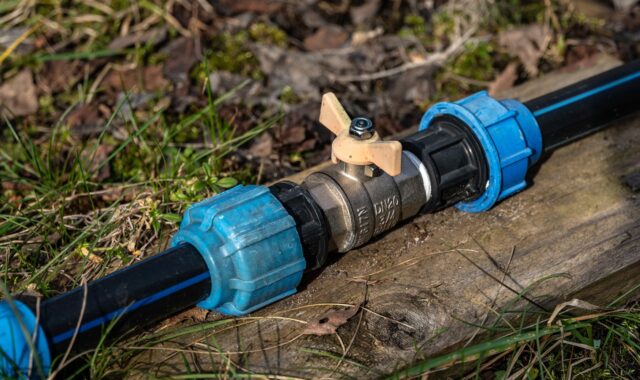
Pipe and tube fittings are among the most standards-driven metal fittings because they can affect pressure containment, leakage, safety and maintenance. Common forms include elbows for direction changes, tees for branch connections, reducers for size transitions, unions for removable joints and caps or plugs for closing openings. Flanges add a bolted joint that can be opened for inspection, cleaning or equipment replacement.
For pressure service, dimensional and material standards matter. ASME B16.24, for example, covers cast copper alloy pipe flanges, flanged fittings and valves in specified pressure classes and addresses requirements such as pressure-temperature ratings, dimensions, materials, bolting, gaskets, tolerances, markings and tests. ASTM A403/A403M covers wrought austenitic stainless steel piping fittings and includes fitting classes for WP stainless grades. (asme.org) (store.astm.org)
Not every project needs a formal pressure-code component, but the same selection logic still applies. A fitting used for water, gas, hydraulic oil, compressed air or process fluid should be checked against the medium, pressure, temperature, joining method and corrosion exposure. In lower-risk decorative or furniture work, appearance and ease of installation may matter more than pressure rating.
Fastening, support and movement fittings
Threaded fittings and removable joints
Bolts, screws, studs, nuts and washers are often treated as fasteners rather than fittings, but they are still essential metal joining hardware. Their main advantage is serviceability: a bolted joint can usually be inspected, adjusted or replaced without cutting or destroying the parts being joined. Typical checks include thread form, material grade, washer selection, tightening method, vibration exposure and whether the joint works mainly in tension, shear or both.
Brackets, plates and reinforcement fittings
Brackets and plates distribute loads and create attachment points. An angle bracket may support a shelf, a gusset may stiffen a frame and a mending plate may join two members across a seam. A common mistake is selecting only by width or hole count. Thickness, bend radius, hole placement, base material and fastener spacing can be just as important because they determine how force moves through the assembly.
Hinges, pins and pivot fittings
Hinges and pivots turn a fixed assembly into a moving one. Door hinges, strap hinges, clevis pins and pivot brackets should be selected for load, movement angle, alignment and wear. A hinge that looks strong may still fail early if the pin is poorly supported, the leaves are misaligned or the metal is exposed to a corrosive environment without protection.
Latches, catches and access fittings
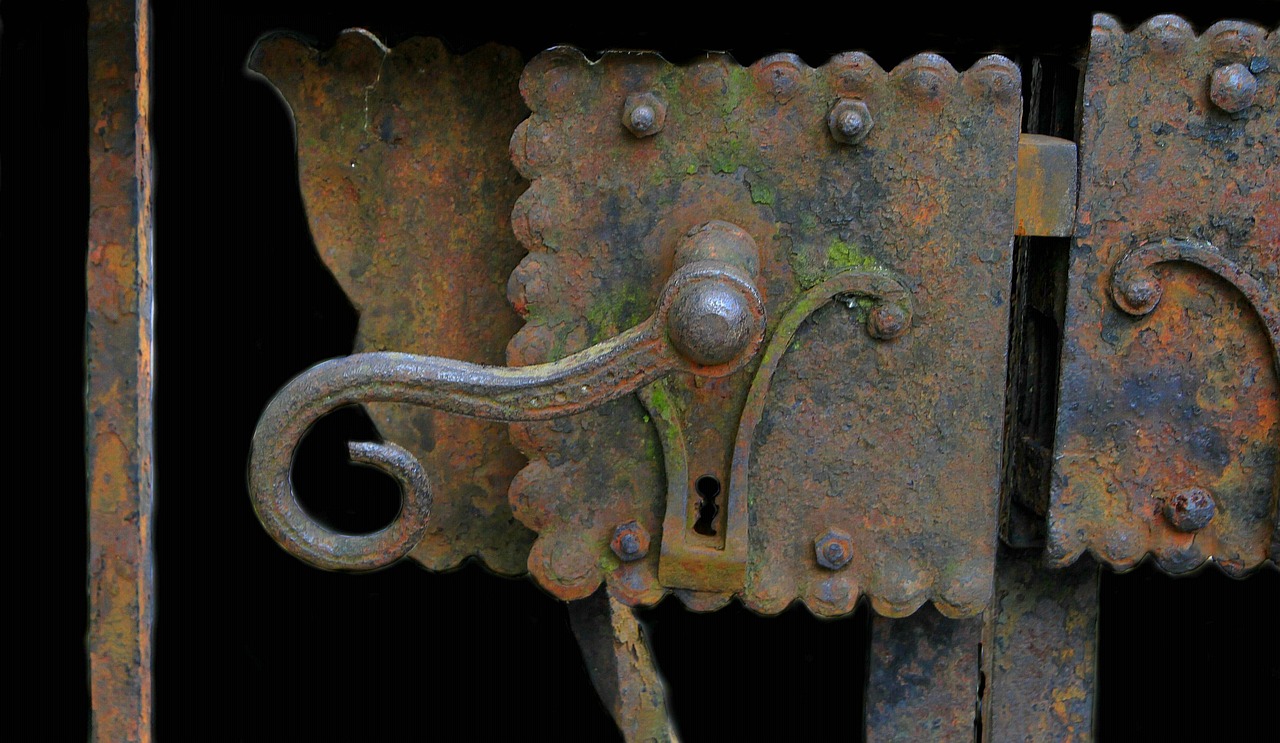
Latches and catches are chosen around access frequency and holding force. A cam latch may suit a light enclosure door, while a draw latch or toggle clamp may be used where panels must be pulled tight. If the panel sees vibration, a latch with a positive locking feature is usually safer than one that depends only on friction.
Material choices for metal fittings
Material choice affects strength, weight, corrosion resistance, cost, appearance and compatibility with the surrounding assembly. No single metal is suitable for every environment. The Nickel Institute notes in its stainless steel piping guidance that no piping material is resistant to all corrosive media, and it highlights chloride-related risks such as pitting, crevice corrosion and stress-corrosion cracking for stainless steels under unsuitable conditions. (nickelinstitute.org)
| Material | Typical strengths | Common limitations | Typical fitting uses |
|---|---|---|---|
| Carbon steel | High strength, broad availability, cost-effective | Needs coating or controlled environment to limit rust | Structural brackets, bolts, pipe fittings, plates |
| Stainless steel | Good corrosion resistance and clean appearance | Can still suffer localized corrosion in chlorides or crevices | Outdoor hardware, food-related equipment, marine-adjacent fittings |
| Aluminum | Lightweight, easy to machine or form, corrosion-resistant oxide layer | Lower stiffness than steel, galvanic concerns with some metals | Frames, panels, handles, lightweight brackets |
| Brass and bronze | Good machinability, attractive finish, useful corrosion behavior in many water and architectural uses | Strength and dezincification resistance depend on alloy and environment | Plumbing fittings, decorative hardware, bushings, small valves |
| Galvanized or zinc-plated steel | Improved corrosion protection over bare steel | Coating damage, cut edges and incompatible metals can reduce service life | Outdoor brackets, straps, clips, general hardware |
| Cast or forged alloys | Useful where shape, pressure class or strength requirements demand specific manufacturing methods | Properties depend on alloy, heat treatment and standard compliance | Flanges, valves, heavy clevises, lifting fittings |
Galvanic compatibility is another key point. The British Stainless Steel Association explains that bimetallic corrosion requires dissimilar metals in electrical contact and an electrically conductive liquid bridging them. In practical terms, stainless steel, aluminum, galvanized steel, brass and copper alloys should not be mixed casually in wet or outdoor environments without considering drainage, isolation washers, coatings or compatible fasteners. (bssa.org.uk) See also: Buying Guides.
Connection methods and when they fit
Metal fittings are also defined by how they connect. A threaded pipe coupling, welded elbow, compression fitting and push-in pneumatic fitting may all join a line, but their installation tools, serviceability and failure modes are different.
- Threaded connections are common in pipework, fasteners and adjustable fittings. They are easy to assemble but require the correct thread form, sealing method and torque control.
- Bolted connections suit flanges, brackets, machinery guards and access panels. They are serviceable, but loosening under vibration must be addressed with proper preload, washers, locking features or maintenance checks.
- Welded or brazed connections create permanent joints and can be compact, but they demand process control, compatible metals and inspection when safety or leakage matters.
- Compression and flare connections are often used for tubing where field assembly and service access are important. Tube outside diameter, wall thickness and fitting design must match.
- Riveted and pinned connections are useful where rotation, permanent assembly or one-sided access is needed. They are not automatically interchangeable with bolts because removal and inspection differ.
- Clamped connections allow adjustment and reduce the need for drilled holes, but clamp range, band width, surface protection and vibration resistance must be checked.
How to choose the right type of metal fitting
A reliable selection process starts with the application, not the catalog page. Before comparing prices or finishes, define the job the fitting must perform and the consequences of failure.
- Identify the function. Decide whether the fitting must seal, support, align, pivot, hold tension, clamp, space, protect or decorate.
- Estimate the load or service condition. Consider static load, impact, vibration, pressure, temperature, movement cycles and exposure time.
- Choose the connection method. Decide whether the joint should be removable, adjustable, permanent, sealed or tamper-resistant.
- Select the material and finish. Match strength, corrosion resistance, appearance and compatibility with nearby metals.
- Check relevant standards or ratings. For pressure, lifting, structural or safety-related uses, do not rely on appearance alone. Look for the applicable pressure class, grade, load rating or standard reference.
- Confirm installation details. Verify hole size, thread size, gasket, washer, torque, welding procedure, clearance and required tools.
- Plan maintenance and replacement. If the fitting will wear, corrode or loosen, make sure it can be inspected and replaced without damaging major components.
For general hardware, this process helps prevent both overbuying and under-specifying. For pressure lines, rigging, structural supports or machinery guards, it also helps avoid unsafe substitutions. A stainless part is not automatically stronger than a carbon steel part, and a thicker bracket is not automatically better if the fasteners, base material or load path are wrong.
Common mistakes when comparing metal fittings
- Choosing by appearance only. A polished part may still have the wrong alloy, load rating or thread for the job.
- Ignoring the environment. Indoor, dry, wet, coastal, chemical and high-temperature environments require different materials and finishes.
- Mixing metals without a plan. Dissimilar metals can be acceptable, but wet service may require isolation, coating or drainage.
- Assuming similar parts are interchangeable. Two elbows, hinges or brackets can have different dimensions, grades, wall thicknesses or manufacturing methods.
- Overlooking maintenance. Permanent fittings may look clean at installation, but removable fittings can be better where inspection or replacement is expected.
- Using non-rated parts in rated applications. Lifting, pressure and structural work require components with suitable ratings and documentation.
Frequently asked questions
What are the most common types of metal fittings?
The most common types are pipe and tube fittings, threaded fasteners, brackets, plates, hinges, latches, clamps, clips, flanges and rigging fittings. In building hardware, brackets, hinges and screws are common. In mechanical and fluid systems, pipe fittings, flanges, couplings and compression fittings are more common.
What is the difference between a fitting and a fastener?
A fastener mainly joins parts together, usually with a threaded or mechanical locking action. A fitting is a broader term. It can include fasteners, but it also covers components that seal, support, guide, adapt, space, connect or allow movement. A bolt is a fastener; a pipe elbow, hinge, bracket and cable gland are fittings.
Which metal fitting material is best for outdoor use?
There is no single best material for all outdoor use. Stainless steel, galvanized steel, aluminum, brass and bronze can all work depending on load, appearance, drainage, pollutants, salt exposure and contact with other metals. For wet or coastal exposure, material compatibility and corrosion risk should be reviewed before purchase.
Are stainless steel fittings always better than galvanized fittings?
No. Stainless steel often offers better corrosion resistance and appearance, but galvanized steel can be economical and suitable in many general outdoor applications. The better choice depends on load, cost, chloride exposure, galvanic contact, expected service life and whether damaged coatings or cut edges are likely.
How do I know if a metal fitting needs a standard or rating?
If the fitting is used for pressure, lifting, fall protection, structural support, machinery safety, electrical enclosure sealing or another safety-critical function, it should have a suitable standard, rating, grade or manufacturer documentation. For decorative or light-duty uses, dimensions, finish and basic material compatibility may be enough.