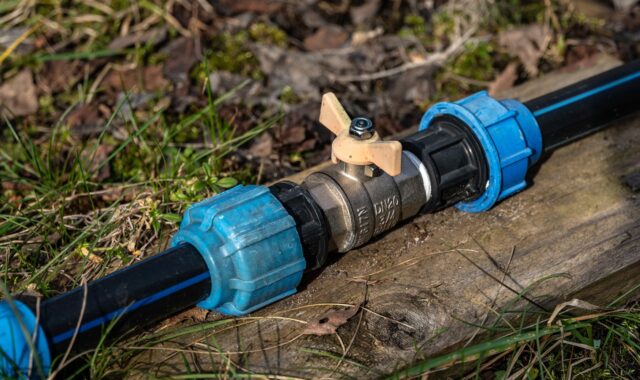
Galvanised iron pipe fittings explained for durable piping systems
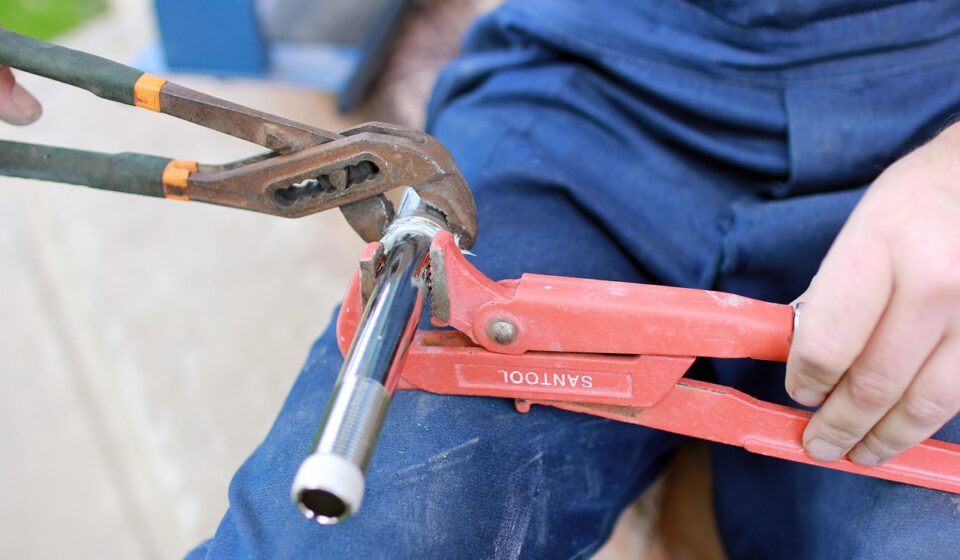
What galvanised iron pipe fittings are used for
Galvanised iron pipe fittings are connectors, direction changers and branch components used with galvanized steel or malleable iron piping where threaded assembly, mechanical strength and moderate corrosion resistance are required. The zinc coating is what separates them from plain black iron or bare steel fittings. It helps protect the underlying iron or steel from atmospheric moisture and from many mild service environments.
These fittings are common in general water lines, compressed air systems, irrigation, structural pipe assemblies and some fire protection or industrial auxiliary lines. They are not suitable for every piping system. Potable water rules, gas codes, thread standards, pressure class, fluid chemistry and contact with other metals all affect whether galvanised fittings are acceptable for a project. For related components, see our metal fittings category.
What the zinc coating actually does
The word galvanised describes an iron or steel surface protected by zinc. In hot-dip galvanising, fabricated parts are dipped into molten zinc so the coating bonds to the surface. Standards such as ISO 1461 describe general properties and test methods for hot-dip galvanized coatings on fabricated iron and steel articles.
In pipe and fitting applications, the coating has two functions. First, it forms a physical barrier between the base metal and the surrounding environment. Second, zinc can provide sacrificial protection because zinc is more active than steel in many corrosion conditions.
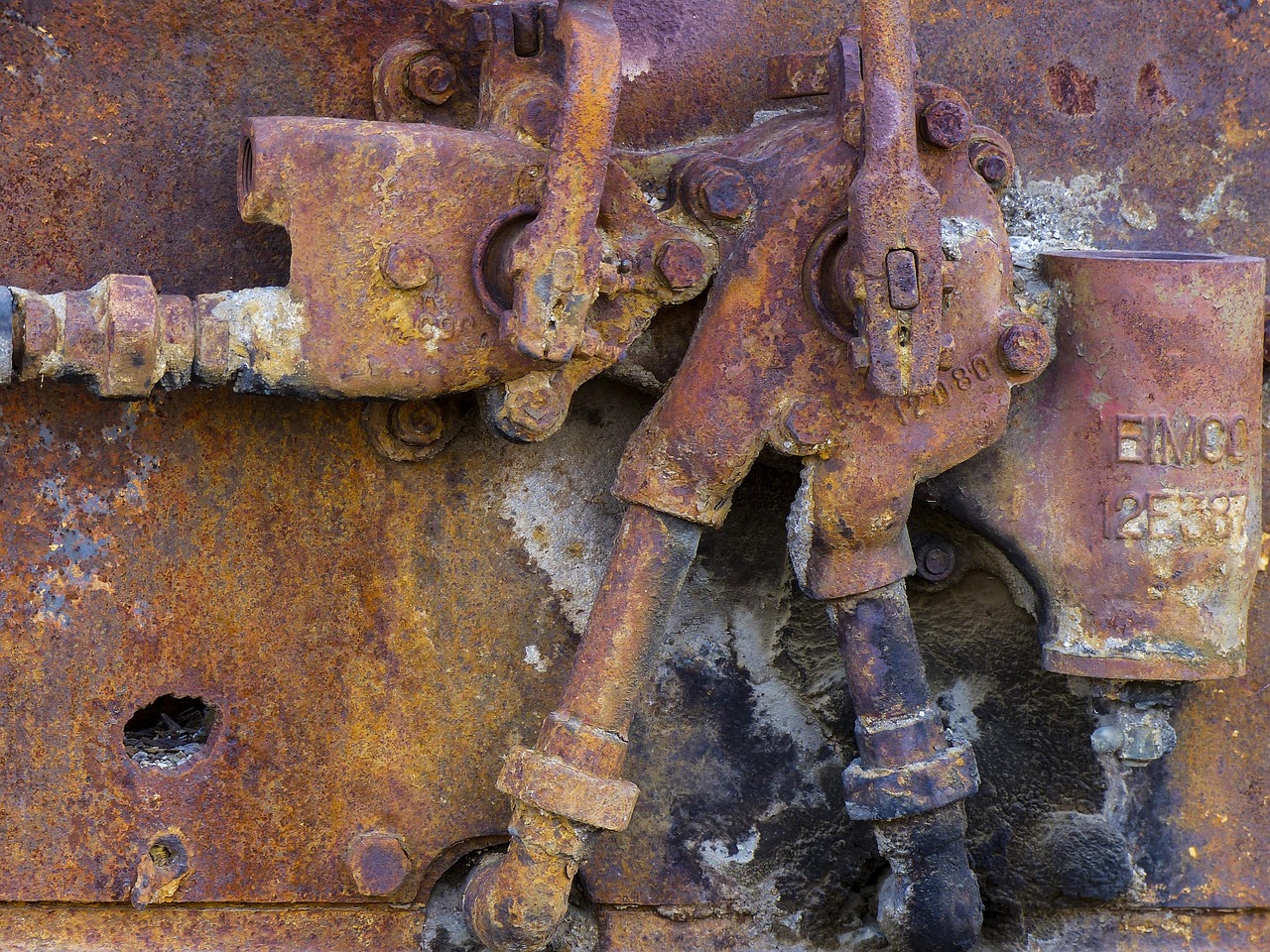
That protection has limits. Galvanised fittings can still corrode when exposed to aggressive chemicals, high chloride levels, abrasion, standing water, trapped moisture, acidic condensate, thread cutting or poor storage. Once the zinc layer is consumed or broken, the base material can rust. Galvanised fittings perform best when the service environment is understood and when installers protect threads, cut ends and exposed surfaces.
Hot-dip galvanised versus electro-galvanised fittings
Hot-dip galvanised coatings are generally thicker and more robust than many electro-galvanised finishes, which makes them more suitable for many outdoor and utility applications. Electro-galvanised fittings may look bright and uniform, but a thin coating can offer less long-term protection in damp or abrasive conditions. Appearance is not a reliable specification. Purchase documents should state the required finish, applicable standard, thread type, material grade and pressure class.
Why threads are a common weak point
Threaded joints are convenient, but threads are also a common corrosion risk. Cutting or machining threads can reduce coating coverage on the crests and roots. Thread sealants support sealing performance, but they do not automatically restore galvanic protection. For outdoor, humid or washdown service, exposed threads and damaged areas may need compatible touch-up protection if allowed by the project specification.
Key standards and specifications to check
Galvanised iron pipe fittings are often selected by habit, but reliable specification starts with standards. Publicly referenced standards identify dimensions, thread forms, materials or coating requirements. They do not replace engineering review for a specific system. The table below summarizes common references that buyers and specifiers may encounter.
| Reference | What it generally covers | Why it matters for fittings |
|---|---|---|
| ASME B16.3 | Malleable iron threaded fittings in Classes 150 and 300 | Helps define dimensional and pressure-temperature expectations for common threaded malleable iron fittings |
| ASTM A53/A53M | Black and hot-dipped, zinc-coated welded and seamless steel pipe | Often appears in specifications for galvanized steel pipe used with compatible fittings |
| ASME B1.20.1 | General purpose inch pipe threads, including NPT series | Important for U.S. threaded pipe systems where taper thread engagement affects sealing |
| ISO 7-1 | Pressure-tight pipe threads used in many BSPT-type systems | Relevant where international thread compatibility is required |
| ISO 1461 | Hot-dip galvanized coatings on fabricated iron and steel articles | Useful when coating quality and test requirements must be specified |
| NSF/ANSI/CAN 61 and 372 or local lead-free rules | Drinking water system health effects and lead content requirements | Needed when a fitting is intended for potable water service in regulated markets |
Pipe, fitting and thread standards are not interchangeable. A pipe may meet one standard, the fitting may follow another and the thread form may be defined by a third. Mixing NPT, BSPT or other thread systems can cause poor engagement, leakage, cracked fittings or unreliable pressure performance. When replacing old parts, confirm the thread type before ordering rather than relying on nominal size alone.
Where galvanised iron pipe fittings make sense
The strongest use case for galvanised fittings is a system that needs threaded metal durability, moderate corrosion protection and reasonable cost. Typical applications include utility water, agricultural lines, wash stations, compressed air distribution, handrail or frame assemblies, low-pressure mechanical services and selected industrial lines. They are often chosen where plastic fittings lack impact resistance or where bare steel would corrode too quickly.
Water and plumbing applications
For non-potable water, irrigation and many utility systems, galvanised fittings may be practical if the water chemistry is not unusually aggressive. For potable water, the decision is more restricted. In the United States, the Safe Drinking Water Act lead-free definition limits lead to a weighted average of 0.25 percent across the wetted surfaces of pipes, pipe fittings, plumbing fittings and fixtures, with a separate 0.2 percent limit for solder and flux. Local plumbing codes may also require specific product listings.
Older galvanized systems can develop internal scale, reduced flow and corrosion deposits, so new drinking water projects often use other approved materials. If galvanised fittings are being considered for drinking water, verify current code acceptance, lead-free certification and manufacturer documentation.
Compressed air and general service lines
Threaded galvanised fittings are widely used in shop air and general utility piping. They offer strength and familiar installation methods, but they still require the correct pressure rating, compatible sealant and proper support. Internal corrosion, oil carryover, condensation and particulate contamination should be considered in compressed air systems. Where extremely clean air is required, such as instrumentation or food-adjacent processes, stainless steel, aluminum air piping or specialty systems may be more suitable.
Fire protection and dry systems
Galvanized steel pipe and fittings have been used in some sprinkler and fire protection systems, especially where corrosion was a concern. Current practice is more nuanced. Fire protection standards and technical reports have raised concerns about corrosion in dry and preaction systems, and galvanized steel is not automatically treated as a complete corrosion-control solution. Designers should follow the applicable edition of NFPA standards, insurer requirements, local authority approvals and corrosion-control guidance rather than specifying galvanized material by assumption.
Common fitting types and selection details
The fitting shape should match the piping function, but the selection details determine reliability. Common galvanised iron pipe fittings include elbows for direction changes, tees for branches, reducers for size transitions, couplings for straight connections, unions for removable joints, caps and plugs for closures, bushings for threaded size reduction and nipples for short pipe connections. For each item, the installer should verify the nominal pipe size, thread type, pressure class, coating, material and service temperature.
| Fitting type | Main function | Selection caution |
|---|---|---|
| Elbow | Changes direction, commonly 45 or 90 degrees | Avoid excessive direction changes that increase pressure loss |
| Tee | Creates a branch connection | Confirm equal or reducing branch sizes before ordering |
| Coupling | Joins two pipe ends in a straight line | Check whether standard, reducing or repair style is required |
| Union | Allows disassembly without rotating long pipe runs | Use where maintenance access is expected |
| Bushing | Reduces a female threaded opening | Do not over-tighten, because wedging forces can crack fittings |
| Cap or plug | Closes an end or port | Confirm whether male or female thread orientation is needed |
Pressure class deserves special attention. A Class 150 fitting is not a blanket assurance that every installation is safe at every temperature, fluid condition and load condition. Ratings depend on the governing standard, manufacturer data, temperature and installation quality. Vibration, water hammer, thermal movement and poor pipe support can all reduce real-world reliability. See also: Buying Guides.
Compatibility risks that are often missed
Many early failures are not caused by the fitting alone. They come from a mismatch between materials, environment and installation practice. Contact with copper or brass in a wet environment can accelerate zinc corrosion because copper alloys are more noble than zinc and steel. Stainless steel contact is often less severe in mild conditions, but galvanic behavior depends on moisture, area ratio, oxygen, temperature and electrolyte chemistry. If dissimilar metals must be joined, use approved dielectric unions, insulating gaskets or compatible transition fittings where the code and system design allow.
Water chemistry is another important limitation. Very acidic water, high chloride concentration, high temperature, stagnant zones and microbiologically influenced corrosion can all shorten service life. Buried installations add soil corrosivity, drainage and coating damage to the list of concerns.
Storage also matters. Fittings left in damp packaging can develop white rust on the zinc surface before installation. Store them dry, ventilated and off the ground, and avoid using damaged or visibly corroded fittings in critical lines.
Installation practices that improve service life
Good installation starts before the wrench is used. Inspect fittings for cracks, damaged threads, bare spots, heavy white rust, blocked passages and coating defects. Clean the threads and confirm that the male and female parts engage smoothly by hand before applying sealant. Use a pipe joint compound or tape approved for the fluid, pressure and temperature. For potable water or gas, use only sealants specifically permitted for that service.
Threaded fittings should be tightened firmly, but not forced. Over-tightening can split elbows, tees and bushings, especially in tapered thread systems where the thread creates wedging stress. Under-tightening can leave inadequate engagement and leakage. Support pipe runs so the fitting is not carrying bending loads from misalignment or long unsupported sections. In vibrating systems, consider hangers, flexible connections or alternative jointing methods specified by the engineer.
After installation, pressure testing should follow the applicable code or project procedure. Do not test with unsafe media or exceed the rated pressure of the weakest component. For systems that carry water, flush debris before commissioning. For compressed air, remove cutting oil, scale and loose particles where downstream equipment could be affected.
A practical buying checklist
Before purchasing galvanised iron pipe fittings, use a checklist that connects the product to the service condition rather than focusing only on nominal size.
- Confirm the actual application: potable water, non-potable water, air, gas, fire protection, structural use or industrial service.
- Identify the thread system, such as NPT, BSPT or another project-specific thread form.
- Check material and fitting standard, especially where ASME B16.3 Class 150 or Class 300 fittings are specified.
- Confirm coating method and quality expectations, including whether hot-dip galvanised finish is required.
- Verify pressure-temperature rating from the manufacturer or project documents.
- Review local code requirements for potable water, fuel gas, fire protection and building services.
- Assess corrosion risks from water chemistry, outdoor exposure, buried service, salt spray or dissimilar metals.
- Plan compatible sealants, supports, dielectric separation and inspection access.
The main purchasing lesson is straightforward: galvanised fittings are a product category, not a single universal product. Two fittings with the same nominal size can differ in thread system, pressure class, coating thickness, material quality and certification. Clear specifications reduce leakage, corrosion problems and replacement costs.
Frequently asked questions
Are galvanised iron pipe fittings the same as galvanized steel fittings?
In everyday trade language, the terms often overlap. Many products described as galvanised iron are actually malleable iron or steel fittings with a zinc coating. The exact material should be verified from the product standard, manufacturer data sheet or purchase specification.
Can galvanised iron pipe fittings be used for drinking water?
Only if they are approved for that use in the relevant jurisdiction and meet applicable lead-free and drinking water certification requirements. Many modern potable water systems use other approved materials because galvanized steel can corrode and accumulate deposits over time.
Do galvanised fittings rust?
Yes. The zinc coating delays corrosion, but it can be consumed, damaged or chemically attacked. Rust is more likely at cut threads, damaged coating areas, stagnant wet zones, salt exposure and locations where galvanized parts contact more noble metals without proper isolation.
Can NPT and BSPT fittings be mixed?
They should not be mixed casually. NPT and BSPT threads have different thread forms and sealing behavior. A joint may seem to start threading but still have poor engagement or leakage risk. Match the thread standard specified for the system.
What is the main advantage of galvanised iron pipe fittings?
The main advantage is a practical combination of mechanical strength, threaded assembly and zinc-based corrosion protection at a widely available cost level. The main limitation is that corrosion resistance is conditional, so the service environment and code compliance must be checked before use.