Aluminum plumbing fittings and where they make sense in piping systems
What aluminum plumbing fittings actually mean
Aluminum plumbing fittings can be useful where low weight, machinability and corrosion resistance in controlled environments are important. They should not be treated as a direct substitute for brass, copper or stainless steel in every water system. For potable water, the key questions are code approval, drinking-water certification, water chemistry, pressure and temperature ratings, and protection against galvanic corrosion. In practice, aluminum may appear as a solid alloy fitting in specialty piping, as a fitting used with aluminum-alloy gas pipe under strict limits, or as part of multilayer composite pipe systems where the aluminum layer reinforces the pipe but is not the main wetted surface.
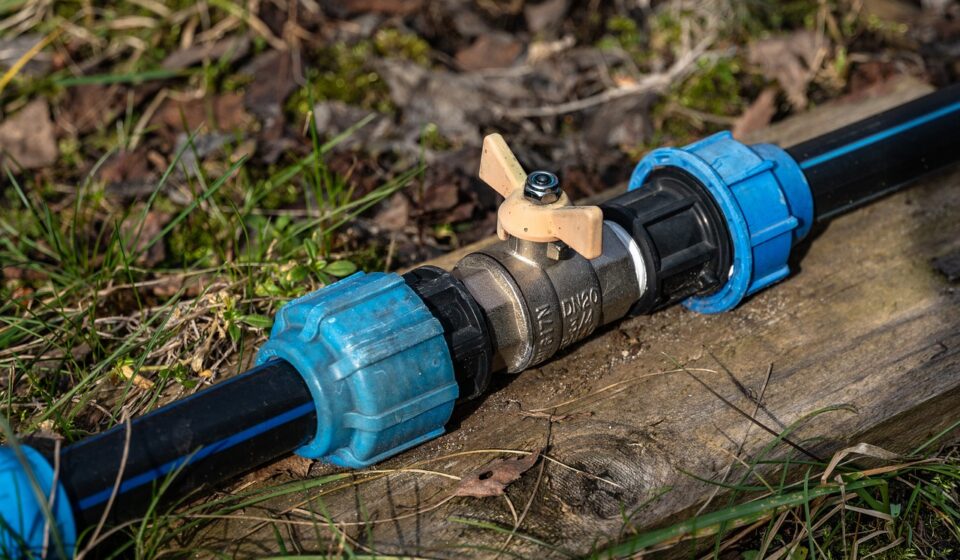
The phrase is broad, which is why it often causes confusion in purchasing documents. Some buyers use it to describe threaded or machined aluminum elbows, adapters, couplings and manifolds. Others use it loosely for fittings connected to PEX-AL-PEX, PE-AL-PE or similar composite pipe. These are different product groups. A solid aluminum fitting exposes aluminum alloy to the fluid or gas. In a composite pipe system, the aluminum barrier layer may sit between plastic layers, while the fitting body may be brass, polymer, stainless steel or another approved material.
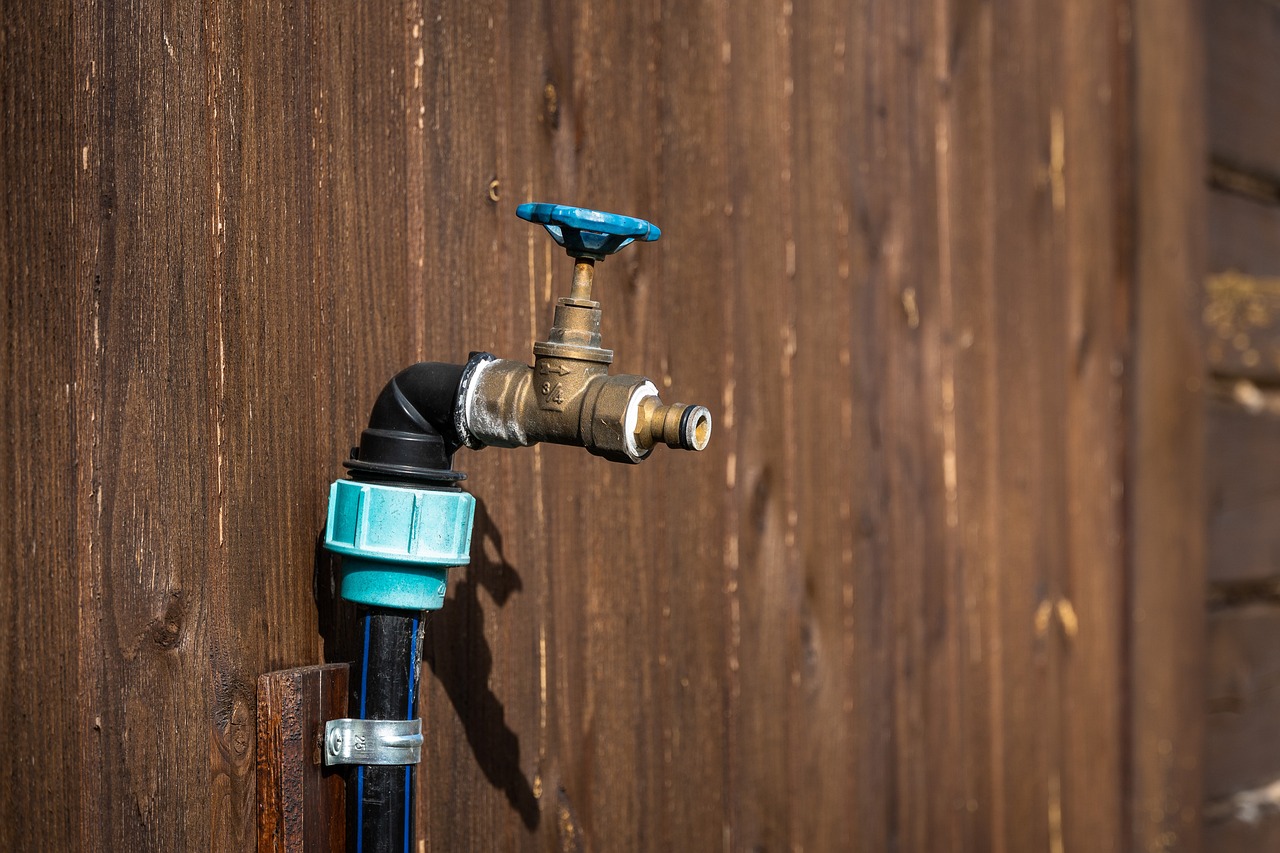
For buyers comparing metal fitting options, aluminum is best treated as a purpose-specific material rather than a default plumbing metal. Broader fitting topics are also covered in the Metal Fittings section.
Where aluminum fittings can be a practical choice
Aluminum’s main advantage is its strength-to-weight ratio. In assemblies that must be moved, lifted, mounted on light frames or installed in equipment with weight limits, aluminum fittings can reduce handling effort and total system mass. This is one reason aluminum alloys are common in pneumatic equipment, instrumentation manifolds, low-pressure fluid transfer, irrigation accessories, marine hardware, and some mechanical or process systems.
Aluminum is also easy to machine, which makes it attractive for manifolds, adapters and custom fittings with multiple ports. Anodizing or other surface treatments may improve wear resistance and appearance. Those treatments, however, should never be assumed to make a fitting suitable for drinking water, hot water, chemicals or buried service unless the complete product is certified and rated for that use.
| Application area | Potential reason to consider aluminum | Main verification point |
|---|---|---|
| Pneumatic lines and light equipment | Low weight and easy machining | Pressure rating, thread form and seal compatibility |
| Non-potable water or irrigation accessories | Lightweight handling and outdoor usability when protected | Water chemistry, coating durability and dissimilar-metal contact |
| Specialty process piping | Custom manifolds and corrosion resistance in selected media | Chemical compatibility and temperature limits |
| Fuel-gas systems allowed by code | Use with aluminum-alloy pipe in limited approved installations | Applicable fuel-gas code, ASTM B241 pipe requirements and installation restrictions |
| Multilayer composite pipe systems | Dimensional stability and oxygen or expansion control from an aluminum layer | System listing, fitting type and potable-water certification where required |
The important point is that aluminum’s value depends on the complete system. A fitting that performs well in dry compressed air may fail prematurely in hot chlorinated water. A fitting that is acceptable in a controlled mechanical assembly may not be approved for a building water-supply system. Material selection should start with service conditions, not with material preference.
Why potable water needs extra caution
Potable water is the area where aluminum plumbing fittings require the most caution. U.S. drinking-water applications are shaped by the Safe Drinking Water Act, model plumbing codes, local amendments and third-party certification systems. EPA guidance defines “lead free” for pipes, pipe fittings, plumbing fittings and fixtures as a weighted average of not more than 0.25 percent lead across wetted surfaces, with a separate 0.2 percent limit for solder and flux. EPA’s 2020 Lead Free Rule also created certification obligations for products introduced into commerce for potable use, with certification requirements becoming enforceable on September 1, 2023.
NSF/ANSI/CAN 61 is widely used to evaluate health effects for products that contact drinking water. The standard covers products such as pipes, fittings, joining materials, mechanical devices and plumbing devices. NSF/ANSI/CAN 372 is used for lead-content evaluation. EPA’s public guidance explains that NSF/ANSI/CAN 61 certification has included lead-free requirements for most non-exempt products since an October 2017 update, but buyers should still confirm the exact marking and listing with the certification body.
Model codes also matter. The 2024 International Plumbing Code, for example, lists water-distribution pipe and fitting materials by standard and requires pipe fittings used in water supply systems to comply with NSF 61. Its typical water-supply fitting table emphasizes materials such as brass, copper alloy, cast iron, ductile iron and stainless steel, rather than treating solid aluminum fittings as a common potable-water default. Local jurisdictions can amend model codes, so final approval rests with the authority having jurisdiction.
For procurement, the rule is straightforward: do not specify a solid aluminum fitting for drinking-water contact unless the product is explicitly listed for potable water, marked to the relevant standard, compatible with the pipe system, and accepted by the local code authority. If the listing is unclear, choose a better-documented potable-water material.
Corrosion and galvanic compatibility are the main technical limits
Aluminum forms a protective oxide film that helps it resist corrosion in many atmospheric environments. That protection can be undermined by unsuitable water chemistry, high chloride concentration, acidic or strongly alkaline conditions, abrasion, deposits, or contact with more noble metals. Public corrosion references from water and engineering organizations consistently warn that water chemistry and dissimilar-metal contact can change corrosion behavior significantly.
Galvanic corrosion is especially important. It occurs when dissimilar metals are electrically connected in the presence of an electrolyte such as water. In many mixed-metal plumbing assemblies, aluminum is less noble than copper or brass, so the aluminum side can become the part that corrodes preferentially. This does not mean every aluminum-to-copper contact fails immediately, but it does mean the joint design must be evaluated, isolated or avoided when water or condensation is present.
Common risk factors include:
- Direct contact between aluminum and copper, brass, stainless steel or carbon steel in wet service.
- Threaded joints that damage protective surface films during assembly.
- Standing water, trapped moisture or repeated wetting from condensation, washdown or leakage.
- Water with high chlorides, unfavorable pH or aggressive dissolved solids.
- Use of sealants, gaskets or thread compounds that are not compatible with aluminum or the transported fluid.
Designers can reduce risk by using compatible materials, isolating dissimilar metals, selecting appropriate gaskets, avoiding water traps, controlling water chemistry where possible, and keeping inspection points accessible. Where galvanic exposure cannot be controlled, stainless steel, brass, bronze, engineered plastics or copper-alloy fittings may provide a more predictable service life.
How aluminum compares with common metal fitting materials
Aluminum is not “better” or “worse” in isolation; it serves a different role. Brass and bronze remain common in plumbing because they machine well, seal reliably and have a long history in valves and fittings. Copper and copper alloys are familiar in water distribution, although they also require attention to water chemistry and lead-free rules. Stainless steel offers strong corrosion resistance in many demanding systems, but it costs more and can require careful thread and galling control. Carbon steel and galvanized steel can be economical and strong, but they need appropriate corrosion protection and are not ideal for many potable-water interiors. See also: Buying Guides.
| Material | Typical strengths | Typical cautions |
|---|---|---|
| Aluminum alloy | Lightweight, machinable, useful in selected dry or controlled systems | Galvanic corrosion, water chemistry sensitivity, limited potable-water use unless specifically listed |
| Brass or bronze | Good machinability, common valves and adapters, broad plumbing familiarity | Must meet lead-free rules for drinking water; dezincification risk in some waters |
| Copper alloy pipe fittings | Established water-system use and standardization | Water chemistry can influence corrosion and metal release |
| Stainless steel | Strong corrosion resistance in many systems, hygienic appearance | Higher cost; chloride and galling issues in some conditions |
| Carbon steel or galvanized steel | Strength and availability for mechanical and gas services | Internal corrosion risk in water; coating and code limits must be checked |
For buyers, the comparison should go beyond unit price. Total installed cost includes certification review, adapters, isolators, sealants, labor, inspection access and the cost of failure. A cheaper lightweight fitting can become expensive if it creates a dissimilar-metal corrosion point or is rejected during inspection.
Selection checklist for buyers and specifiers
Before ordering aluminum plumbing fittings, confirm the following items in writing from the manufacturer or supplier:
- Exact alloy and temper. “Aluminum” is not enough; alloy composition affects strength, corrosion behavior and code acceptance.
- Pressure and temperature rating. Ratings should apply to the fitting, connection type and service medium, not just the raw material.
- Applicable standard. For example, aluminum-alloy fuel-gas pipe may be tied to ASTM B241 in code language, while composite pressure pipe may be tied to ASTM F1281, ASTM F1282 or similar standards depending on construction.
- Potable-water listing when needed. For drinking water, verify NSF/ANSI/CAN 61 and lead-free compliance through the product marking and certification listing.
- Connection compatibility. Check thread type, flare, compression, press, gasket or proprietary joint details.
- Galvanic isolation plan. Identify every transition to copper, brass, stainless steel, steel or other metals.
- Fluid compatibility. Include chlorides, pH, additives, cleaning chemicals, oxygen content and possible contamination.
- Installation environment. Buried, exterior, masonry contact, insulation contact and repeated wetting can all change suitability.
For fuel-gas work, the 2024 International Fuel Gas Code allows aluminum-alloy pipe only under specific conditions. It references ASTM B241, prohibits alloy 5456, requires marking, calls for corrosion protection in certain contacts or wetting conditions, and does not allow aluminum-alloy pipe in exterior locations or underground. It also states that fittings used with aluminum-alloy pipe must be aluminum alloy and that aluminum-alloy fitting threads must not form the joint seal. These details show why product selection must follow the system code rather than a generic material description.
Installation and maintenance considerations
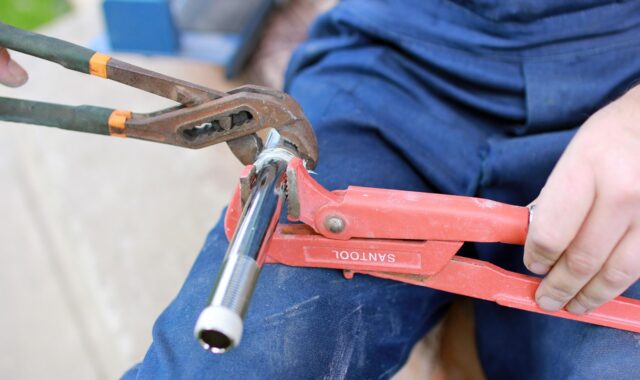
Aluminum fittings are often softer than steel and can be damaged by over-tightening, poor wrench placement or aggressive thread engagement. Installers should use the torque guidance, thread compound and joint preparation recommended for the specific fitting. In threaded aluminum joints, anti-seize behavior and sealant compatibility deserve attention because galling or torn threads can compromise the joint before the system is ever pressurized.
Inspection should focus on early signs of leakage, white corrosion products, pitting near dissimilar-metal transitions, coating damage and moisture traps. In non-potable or mechanical systems, periodic checks are especially valuable after cleaning cycles, seasonal shutdowns or changes in water treatment chemistry. If corrosion appears near a transition joint, replacing only the visible fitting may not solve the root cause; the metal pairing, electrolyte path and isolation method should be reviewed.
The best use of aluminum is selective. It makes sense where its lightweight and machining advantages solve a real design problem and where the service conditions are known. It is a weak choice where approval is uncertain, water chemistry is aggressive, dissimilar-metal contact is unavoidable, or the product lacks clear certification for the intended use.
Frequently asked questions
Are aluminum plumbing fittings safe for drinking water?
Only if the specific product is certified and approved for potable-water contact. Buyers should verify NSF/ANSI/CAN 61, lead-free compliance, pipe-system compatibility and local code acceptance. A generic aluminum fitting should not be assumed safe for drinking-water service.
Can aluminum fittings be connected to copper or brass pipe?
They can sometimes be connected with proper isolation, but direct wet contact increases galvanic corrosion risk. The safest approach is to follow the manufacturer’s transition details and use approved dielectric separation or another compatible transition method where required.
Do aluminum fittings work for hot water?
Hot water increases corrosion and sealing demands in many materials. Aluminum fittings should be used in hot-water service only when the product is rated for the temperature, compatible with the water chemistry and approved for that application.
What is the difference between aluminum fittings and PEX-AL-PEX systems?
PEX-AL-PEX pipe contains an aluminum layer between plastic layers to improve dimensional stability and performance. The fitting used with that pipe is not necessarily aluminum. The fitting material and listing must be checked separately.
What should buyers ask suppliers before purchasing?
Ask for the alloy, pressure and temperature rating, applicable standard, potable-water certification if needed, compatible sealants, allowed pipe materials, corrosion limitations and installation instructions. If the supplier cannot provide these details, the fitting is not a good candidate for code-sensitive plumbing work.