How to choose metal gas pipe fittings for fuel gas systems
What metal gas pipe fittings do in a fuel gas system
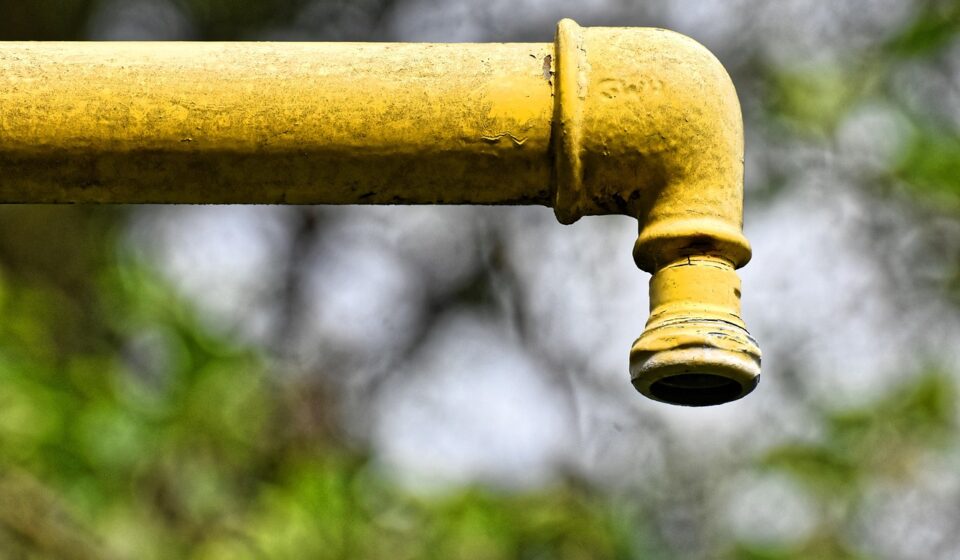
Metal gas pipe fittings connect straight pipe runs, change direction, reduce or increase size, transition between materials, and create safe connection points for valves, regulators, meters, appliances, and test locations. Selecting them is not just a matter of matching nominal pipe size or thread size. A safe specification has to account for the gas being carried, system pressure, pipe material, location, corrosion exposure, joint method, accessibility, and the fuel gas code adopted in the project jurisdiction.
For building systems, the main reference framework is usually the local fuel gas code, often based on the International Fuel Gas Code or NFPA 54, also known as ANSI Z223.1. For utility distribution systems, federal and state pipeline rules, operator standards, and integrity management requirements may also apply. This article provides an industry overview for material selection and risk awareness. It is not a substitute for a licensed installer, engineer, utility operator, or authority having jurisdiction.

For more articles on industrial hardware and connection components, visit the Metal Fittings section.
Key materials used for metal gas fittings
The right fitting material depends on the pipe it connects to and the conditions around the system. In many building fuel gas installations, steel pipe is commonly joined with threaded malleable iron, steel, or approved copper-alloy fittings. Stainless steel may be used where corrosion resistance, cleanliness, or a listed piping system calls for it. Brass and other copper alloys appear in valves, unions, flare fittings, appliance connections, and some transition points, but their use still depends on gas composition and local code acceptance.
The 2024 International Fuel Gas Code treats metallic piping and fittings as a matched system. It allows specific fitting materials with steel, stainless steel, and wrought-iron pipe, while also limiting certain materials and applications. For example, cast-iron pipe is not permitted, and cast-iron fittings are subject to restrictions. Copper and copper-alloy materials are also limited where gas chemistry could be corrosive to them. In practice, a material name is not enough. The fitting must be approved for gas service and compatible with the pipe, the gas, and the installation environment.
| Fitting material | Typical role in gas piping | Important limitation |
|---|---|---|
| Malleable iron | Common threaded fittings for steel fuel gas pipe in many building systems | Must be approved for gas service and protected where corrosion is a concern |
| Steel or stainless steel | Used for threaded, welded, flanged, or specialty connections depending on system design | Specification must match pipe grade, pressure, joint method, and environment |
| Brass or copper alloy | Often used in valves, flare connections, adapters, and some appliance-related fittings | Not automatically acceptable for every gas composition or jurisdiction |
| Cast iron | May appear in limited fitting applications under specific code conditions | Subject to restrictions and not suitable for many modern gas piping choices |
| CSST system fittings | Used with corrugated stainless steel tubing systems | Must follow the listed system and manufacturer instructions |
Joint type matters as much as fitting material
A fitting can be made from an acceptable metal and still be wrong for the job if the joint design is not suitable. Threaded joints are common in smaller steel fuel gas piping. Metallic pipe threads are normally tapered pipe threads, and the thread sealant must be compatible with both the fitting material and the gas service. Damaged threads, burrs, debris, and visible defects should not be treated as minor workmanship issues because they can affect sealing and long-term reliability.
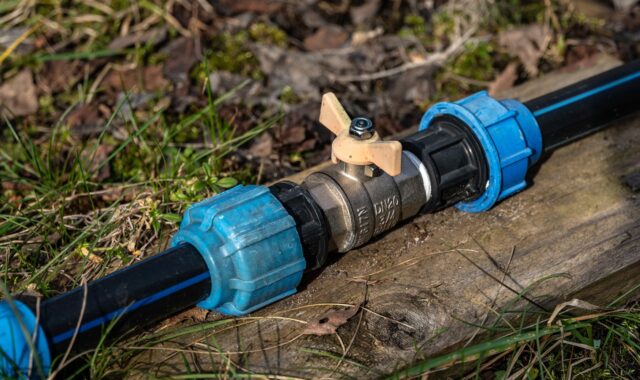
Compression-type mechanical joints are widely discussed in utility distribution because they can connect pipe without welding or threading. They are not all the same. Design, restraint, gasket compatibility, soil movement, installation torque, pipe preparation, and long-term loading can all influence performance. A mechanical fitting used below ground also faces conditions that an indoor threaded elbow does not, including earth movement, moisture, external corrosion, traffic vibration, and excavation risk.
CSST fittings are another category and should not be treated as generic hardware. CSST systems are listed systems, and their fittings, strike protection, routing, bonding, and installation instructions are part of that approval. Substituting an apparently similar fitting from another system can create a code and liability problem even if the part looks mechanically compatible.
Code and standard checks before specifying fittings
Before a fitting is purchased or installed, the specification should be checked against the adopted code and the project documents. In the United States, building fuel gas work often refers to the International Fuel Gas Code, NFPA 54/ANSI Z223.1, manufacturer installation instructions, and local amendments. Some jurisdictions modify model codes, so an installation that is acceptable in one city may not be accepted in another.
Several checks are especially important. First, confirm the gas type. Natural gas, LP-gas, manufactured gas, and special fuel gases can create different material and pressure requirements. Second, confirm operating pressure and test pressure. Fittings must be rated for the system, but rating alone does not prove code compliance. Third, confirm the pipe sizing method. Fuel gas piping is sized around connected load, pressure drop, pipe length, and fitting resistance; undersized fittings and excessive directional changes can affect appliance performance.
Fourth, check whether the fitting will be concealed, buried, exposed outdoors, or located in a corrosive atmosphere. Codes commonly require corrosion protection where metallic pipe and fittings contact corrosive materials or conditions. Fifth, verify whether electrical bonding is required. NFPA 54 includes bonding requirements for gas piping systems that contain CSST, and the National Electrical Code also affects how metal gas piping is bonded. These are installation issues, but fitting selection can affect where bonding clamps and transitions are located.
What recent safety data says about fittings
Public safety data is useful because it shows where fitting problems can become system problems. PHMSA, the U.S. Pipeline and Hazardous Materials Safety Administration, tracks gas distribution performance measures such as incidents, leaks, excavation damage, higher-risk materials, and mechanical fitting failures. PHMSA has reported that mechanical fittings have been involved in about 5.5 percent of hazardous leaks eliminated or repaired in the data it analyzed. That percentage does not mean mechanical fittings are inherently unsafe. It does show that design, selection, installation, and monitoring deserve disciplined attention.
A recent NTSB investigation illustrates why fitting performance cannot be separated from local conditions. In its March 26, 2026 reporting on two January 2024 natural gas explosions in Jackson, Mississippi, the National Transportation Safety Board found that natural gas leaked from compression couplings after service-line pipes partially pulled out due to soil movement. The first explosion on January 24, 2024 caused one fatality, one injury, and destroyed a home. A second explosion on January 27, 2024 destroyed two homes. The NTSB identified inadequate leak management and integrity management as central safety issues.
For fitting selection, the point is not that one fitting type should be universally rejected. A fitting must be evaluated as part of a system. Soil movement, pipe restraint, leak classification, buried joint accessibility, corrosion protection, and inspection intervals can be as important as the catalog description of the fitting. A component that performs well in a stable indoor mechanical room may face very different risks underground in expansive clay soil.
| Risk factor | Why it matters for fittings | Specification response |
|---|---|---|
| Soil movement | Can add pullout or bending forces to buried joints | Consider restrained designs, operator standards, and local geotechnical risks |
| Corrosion exposure | Can weaken threads, bodies, coatings, and adjoining pipe | Use compatible metals and code-compliant protective coatings |
| Excavation activity | Can damage pipe, coatings, tracer wire, and fittings | Maintain utility locating, marking, and damage prevention practices |
| Improper assembly | Can cause leaks even with approved parts | Use trained installers, correct tools, correct torque, and pressure testing |
| System transitions | Can introduce material mismatch or movement points | Use approved transition fittings and follow manufacturer instructions |
Selection checklist for buyers and specifiers
A practical fitting specification should be written around service conditions, not only around diameter. The following checklist is a starting point for procurement teams, contractors, and maintenance planners. See also: Buying Guides.
- Confirm the applicable code, local amendments, utility rules, and inspection requirements before ordering fittings.
- Identify the gas type, system pressure, test pressure, temperature range, and whether the system is indoors, outdoors, concealed, or buried.
- Match the fitting material to the pipe material and the approved joint method.
- Verify that the fitting is listed, marked, or documented for fuel gas service where required.
- Do not mix CSST tubing and fittings outside the listed system unless the manufacturer and local authority allow it.
- Check thread form, pipe schedule, fitting pattern, pressure class, and connection standard.
- Specify compatible thread sealant, gasket material, or compression components for the gas being carried.
- Plan corrosion protection for underground or corrosive locations, including coatings and isolation where needed.
- Account for mechanical stress from settlement, expansion, vibration, appliance movement, or poor support.
- Require pressure testing, leak checks, and inspection before placing the system into service.
Procurement teams should be cautious with vague descriptions such as gas fitting, iron fitting, or brass adapter. A better purchase line identifies material, size, thread or connection type, standard, pressure rating, service, coating, and any system-specific approval. In regulated work, documentation can matter as much as the fitting itself.
Common mistakes to avoid
One common mistake is assuming that any threaded metal fitting can be used for gas. Plumbing fittings for water service may look similar, but appearance is not proof of fuel gas approval. Another mistake is relying on sealant to compensate for poor threading, damaged fittings, or misalignment. Thread compound or tape is a sealing aid, not a repair method.
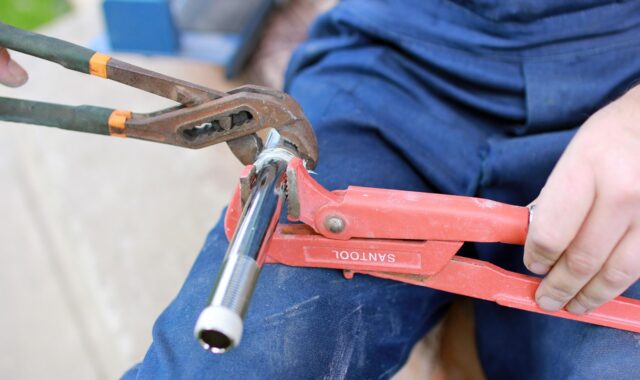
Overtightening is also a problem. It can crack female fittings, distort threads, or create stress that appears later as a leak. Undertightening creates the opposite risk. Both errors point to the same requirement: gas fittings should be installed by qualified personnel using the correct tools and procedures.
Buried metallic fittings need special care because they are harder to inspect and can face soil chemistry, moisture, and movement. Reusing old fittings is another area where judgment is required. Fuel gas codes generally do not allow reuse unless components are free of foreign material and confirmed adequate for the intended service. In practice, replacement is often the safer and easier choice when a fitting has questionable threads, corrosion, impact damage, or unknown service history.
Frequently asked questions
Are metal gas pipe fittings the same as water pipe fittings?
No. Some fittings may look similar, but fuel gas service requires approved materials, compatible sealing methods, correct ratings, and code-compliant installation. A fitting suitable for water is not automatically suitable for natural gas or LP-gas.
Can brass fittings be used for gas piping?
Brass and other copper-alloy fittings are used in many gas-related applications, especially valves, adapters, flare fittings, and appliance connections. However, acceptance depends on the gas composition, fitting design, listing, and local code. They should not be specified only because they are easy to machine or corrosion resistant.
Are black steel and malleable iron still common for gas systems?
Yes. Threaded steel pipe with approved malleable iron or steel fittings remains common in many building fuel gas systems. The installation still needs correct sizing, threading, sealing, support, corrosion protection where required, and inspection.
Do CSST fittings need to match the tubing brand?
In most practical specifications, yes. CSST is treated as a listed system, and the tubing, fittings, installation instructions, bonding requirements, and protective measures are connected. Mixing components outside the listed system can create code and safety problems.
Who should install or inspect gas pipe fittings?
Fuel gas piping should be installed and inspected by qualified professionals according to the adopted code, manufacturer instructions, and local authority requirements. Gas leaks can create fire, explosion, and health hazards, so fitting work should not be treated as casual do-it-yourself maintenance.
Bottom line for specification
Metal gas pipe fittings are safety-critical parts of a larger fuel gas system. Good selection starts with code compliance, but it should not stop there. The fitting must match the pipe, gas, pressure, joint method, environment, and maintenance plan. Public data from PHMSA and recent NTSB investigations shows that fitting-related risks are often system risks involving installation quality, soil movement, corrosion, leak management, and inspection. A careful specification reduces those risks by treating every fitting as part of a tested, documented, and code-compliant fuel gas pathway.
Source note: This overview is based on publicly available information from the International Fuel Gas Code, NFPA 54/ANSI Z223.1, PHMSA gas distribution performance materials, and NTSB pipeline investigation reporting.