What Are Fasteners and How Do You Choose the Right Ones for Industrial Projects?
Why Do Fasteners Matter More Than Most Buyers Expect?
Fasteners may look like minor items on a bill of materials. In real work, they often decide whether a frame stays tight, a machine runs without noise, or a field repair turns into a long stop. If you buy fasteners for industrial assembly, construction, equipment repair, or OEM production, the work is not just ordering bolts and screws. You have to match the strength, thread, finish, packing, and documents to the site where the parts will be used.
Small Parts Carry Real Load
A fastener may cost only a few cents, but it can hold parts worth thousands of dollars. A conveyor guard, a solar mounting rail, or a steel platform in a warehouse all depend on small metal parts doing their job every day.
The fastener has to clamp the parts, handle vibration, resist moisture, and still come out later if maintenance is needed. That is a lot to ask from a small part, so the selection should not be left to guesswork.
Wrong Choices Create Hidden Costs
A low-grade screw can strip during assembly. A poor coating can rust before installation, and a mismatched stainless bolt can gall in the nut and lock halfway.
These issues are not always visible when the purchase order is placed. They show up on the job site, where labor costs more than the fastener and nobody wants to stop the work for a small mistake.
Standards Turn Orders Into Clear Specs
Good fastener buying starts with wording that both buyer and supplier understand. ISO 898-1:2013, for example, covers mechanical and physical properties for carbon steel and alloy steel bolts, screws, and studs tested at 10°C to 35°C.
ISO 3506-1:2020 covers corrosion-resistant stainless steel bolts, screws, and studs with specified grades and property classes. These standards help avoid loose requests like “strong bolt” or “stainless screw,” because those words can mean different things in different markets. (iso.org)
Which Fastener Types Should You Compare First?
Before checking price, look at what each fastener needs to do in the assembly. A bolt is not just a larger screw, and a washer is not just an add-on. In many assemblies, the full set of bolt, nut, and washer matters more than one single part.
Bolts, Nuts, and Washers for Serviceable Joints
Bolts and nuts are a good choice when a joint must be opened later for service. Hex bolts, carriage bolts, flange bolts, structural bolts, and threaded rods all suit different layouts and different access conditions.
Washers spread load, protect the contact surface, and help the joint tighten more evenly. For slotted holes or softer base material, a washer is often a low-cost way to avoid trouble.
Screws for Direct Assembly
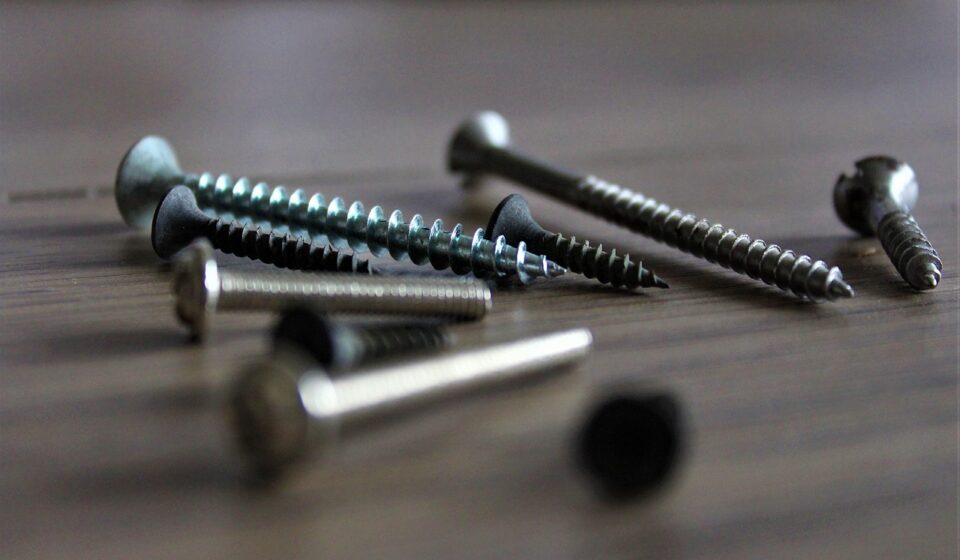
Screws are often used when one side of the assembly cannot be reached. Self-tapping screws work for sheet metal, while machine screws fit tapped holes or nuts.
Wood screws and drywall screws are used for lighter work and should stay with the materials they are made for. In export orders, the drive type also matters because Phillips, Pozi, hex socket, Torx-style drives, and slotted heads affect tool fit and assembly speed.
Anchors, Rivets, and Special Fasteners
Anchors fix loads into concrete, masonry, or hollow walls. Rivets make permanent joints in sheet metal and panels, especially where welding is not suitable or not wanted.
U-bolts, eye bolts, weld studs, clinch nuts, and inserts solve more specific jobs. If you are buying for a mixed project, list each location first, because the roof bracket, motor base, cover plate, and cable tray may all need different fasteners.
How Do You Pick the Right Material and Grade?
Material and grade decide strength, corrosion behavior, magnetic response, and cost. The right choice depends on load, working environment, and expected service life. A shiny part is not always the better part; in some cases, a plain carbon steel bolt with the right coating is better than stainless for strength, price, and delivery.
Carbon Steel for Common Strength and Cost
Carbon steel is the normal choice for many industrial fasteners because it gives usable strength at a fair price. Metric property classes such as 4.8, 8.8, 10.9, and 12.9 are common in global trade.
A higher class usually means higher tensile strength. It can also mean more attention is needed for hydrogen embrittlement risk, tightening method, and coating process.
Stainless Steel for Wet or Clean Areas
Stainless steel fasteners are used in food equipment, outdoor fittings, marine-adjacent hardware, chemical areas, and places where appearance matters. A2 stainless is common for general corrosion resistance, while A4 stainless is often chosen when chloride exposure is stronger.
ISO 3506-1:2020 is the key reference for corrosion-resistant stainless bolts, screws, and studs, including grades and property classes. It is useful when a buyer needs to confirm that “stainless” is not just a surface description but a material requirement. (iso.org)
Alloy and Structural Grades for Heavy Duty Work
For steel structures, bridges, towers, and heavy frames, structural bolt specifications become important. ASTM F3125/F3125M covers high strength structural bolts made from steel and alloy steel, heat treated, with 120 ksi and 150 ksi minimum tensile strength in inch dimensions, and 830 MPa and 1040 MPa in metric dimensions.
That data shows why a structural bolt should not be replaced by a random hex bolt from warehouse stock. The outside shape may look close, but the load rating and intended use can be very different. (store.astm.org)
What Coating Should You Use for Corrosion Protection?
Corrosion is not only a surface problem. It can reduce clamping force, seize threads, stain nearby parts, and make maintenance harder. AMPP’s widely cited IMPACT study reported the global cost of corrosion at about US$2.5 trillion, equal to 3.4% of global GDP, using 2013 data. Fasteners are only one part of that number, but they sit at joints, edges, and holes where corrosion often starts. (impact.nace.org)
Zinc Plating for Indoor and Light Outdoor Use
Zinc plating is common for screws, nuts, washers, and general hardware. It gives a clean look and basic corrosion protection at a low cost.
Yellow zinc, blue-white zinc, and black zinc may be requested for appearance or identification. For indoor machines, furniture hardware, and dry storage racks, zinc plated fasteners often fit the job well.
Hot Dip Galvanizing for Harsh Outdoor Steel
Hot dip galvanized fasteners have a thicker zinc layer than normal electroplating. They are common in fences, steel structures, power hardware, guardrails, farm equipment, and outdoor mounting systems. See also: Metal Fittings.
The thicker coating changes thread fit, so the matching nuts must be specified correctly. This small point is easy to miss, and it causes problems more often than buyers expect.
Black Oxide, Phosphate, and Specialty Finishes
Black oxide gives limited corrosion protection and a dark surface, often for indoor tools or machinery parts. Phosphate coatings can help with oil retention and assembly.
For marine, chemical, or high-temperature service, specialty coatings may be needed. NASA corrosion guidance for harsh launch environments also notes corrosion-resistant bolts and separation methods for dissimilar metals, which is a useful reminder that coating choice and material contact work together. (standards.nasa.gov)
How Should You Match Size, Thread, and Tolerance?
Size mistakes are easy to make because fasteners have many dimensions with similar names. Diameter, length, thread pitch, head style, drive style, and tolerance all matter. A good order line should remove guessing before production starts, not create questions after the goods arrive.
Diameter and Length Must Match the Joint
Diameter affects strength and hole fit. Length affects grip, thread engagement, and clearance, so it should match the actual stack of parts.
For bolts, length is measured from under the head unless the head style uses another convention. For countersunk screws, overall length is normally used, and if drawings are not available, a sample and a caliper photo can save days of back-and-forth.
Thread Pitch Changes Assembly Fit
Metric coarse threads are common, but fine pitch threads are used when vibration resistance, adjustment, or short engagement length matters. Inch threads add another system, such as UNC and UNF.
Mixing M10 x 1.5 with M10 x 1.25 may look like a small paperwork error. On the assembly line, it can turn into damaged threads, rejected parts, and extra checking work.
Tolerance and Surface Quality Affect Performance
Thread tolerance, head dimensions, straightness, burr control, and coating thickness affect how a fastener feels during assembly. These points also affect whether the part fits smoothly with the mating hole, nut, or tool.
A buyer may not mention burrs in the first inquiry, but installers notice them right away. For high-volume assembly, even a rough drive recess can slow a line because bits cam out faster.
What Should You Check Before Placing a Bulk Order?
A professional fastener order should include technical details, commercial terms, and packing instructions. It does not need to be complicated, but it does need to be complete. The supplier should know what to make, inspect, pack, label, and ship without guessing.
Application Details Before Unit Price
Share the application if possible: indoor machine frame, outdoor fence, solar bracket, HVAC duct, concrete anchor, pallet rack, or vehicle repair kit. This helps the supplier understand the working conditions, not just the size on the inquiry sheet.
Load level, moisture, chemical exposure, and assembly tools all change the recommendation. When the job is clear, the supplier can quote faster and is less likely to suggest the wrong fastener.
Inspection Documents and Lot Traceability
For industrial orders, ask for material certificates, dimensional inspection, coating thickness reports, salt spray test reports when relevant, and lot numbers on labels. These records make it easier to check goods at arrival and trace a batch later if there is a field issue.
NASA’s Fastener Design Manual, published in 1990, covers topics such as material selection, platings, lubricants, corrosion, locking methods, washers, inserts, thread types, fatigue loading, and torque. That range is a good reminder that fastener quality is not proven by one single test. (ntrs.nasa.gov)
Packing That Fits Real Warehouse Work
Export packing needs attention because warehouse work is practical work. Carton weight, inner boxes, polybags, labels, barcodes, pallet size, rust-preventive oil, and mixed-item packing can all affect unloading, counting, and storage.
A clear carton label with item number, size, grade, finish, quantity, batch, and country of origin is not special decoration. It prevents mistakes when a busy team is unloading goods near the end of the day.
FAQ
Q1: What Are the Most Common Fasteners for Industrial Use? A: Hex bolts, nuts, washers, machine screws, self-tapping screws, anchors, rivets, threaded rods, and socket screws are common. The right choice depends on load, material, access, and whether the joint needs service later.
Q2: Are Stainless Steel Fasteners Always Better Than Zinc Plated Steel? A: No. Stainless steel resists corrosion better in many wet settings, but zinc plated carbon steel can give better cost and enough strength for dry or light-duty use. Strength grade, environment, and galling risk still need to be checked.
Q3: What Information Should You Send for a Fastener Quote? A: Send type, standard, size, thread pitch, material, grade, coating, quantity, packing request, application, and certificate needs. Drawings or samples help when the item is non-standard.
Q4: Why Does Thread Pitch Matter So Much? A: Thread pitch controls whether the fastener fits the mating part. A wrong pitch may start by hand but damage the nut or tapped hole during tightening, which is why it is one of the most common small errors in fastener sourcing.
Q5: Can One Fastener Supplier Cover Mixed Project Orders? A: Yes, if the supplier handles several categories and keeps specifications clear. For mixed orders, separate each item by size, grade, finish, and packing line so inspection and delivery stay manageable.