Wire fasteners explained for cable management, fencing, and rigging
What wire fasteners are and why the term is broad
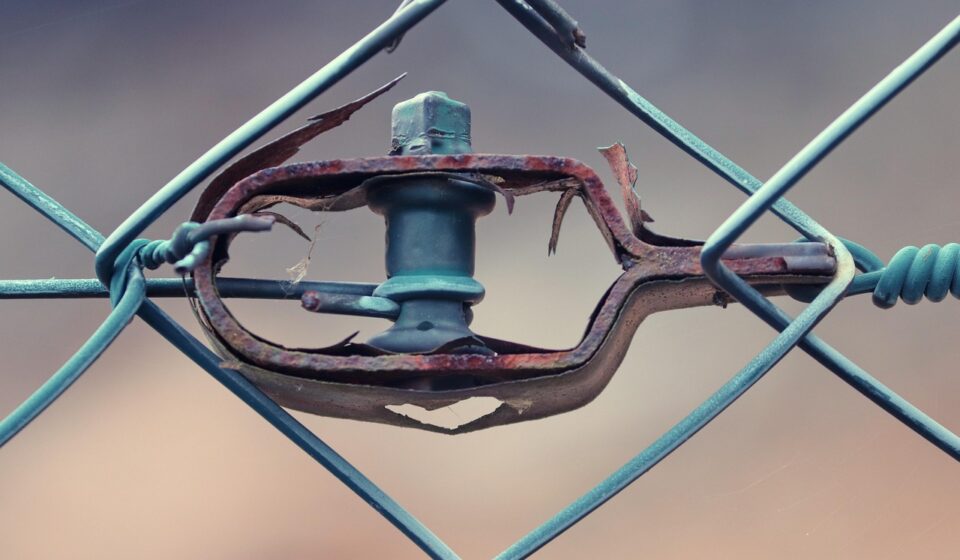
Wire fasteners are hardware items used to bundle, position, restrain, connect, or terminate wire, cable, mesh, and wire rope. The term can mean plastic cable ties in an electrical cabinet, metal clips on a fence, staples around low-voltage cable, hog rings on mesh or upholstery, or U-bolt wire rope clips used to form a loop in wire rope. Because the same phrase is used in electrical, construction, fencing, packaging, and rigging work, selection should start with the job: hold position, carry weight, resist vibration, survive weather, or maintain a rated connection.
For more fastener material and application topics, see the Fasteners category. The practical point is simple: a fastener that is acceptable for organizing wires is not automatically acceptable for supporting cable, securing an animal enclosure, or making a load-related wire rope termination.
Main types of wire fasteners and where they fit
Product names overlap across markets, so it is more useful to group wire fasteners by function. The table below gives a practical comparison rather than a ranking.
| Type | Typical use | Strengths | Common limits |
|---|---|---|---|
| Cable ties and fixing devices | Bundling and routing electrical or communication cables | Fast installation, many sizes, nylon and metal options, available with mounting heads or bases | Not all ties are suitable for primary support, outdoor exposure, plenums, or high heat |
| Wire clips and cable clamps | Holding a cable, wire, hose, or light conduit to a panel, frame, or wall | Better location control than a loose tie; screw, push-in, adhesive, or edge-mount versions | Performance depends on substrate, fastener, screw, adhesive, and installation surface |
| Staples and straps | Securing cable runs, wire mesh, fencing wire, or light-gauge wire to wood or other supports | Low cost and quick installation | Can crush or nick insulation if overdriven; often unsuitable for repeated adjustment |
| Hog rings and clinch clips | Fencing, gabions, bag closing, upholstery, mattress work, and wire mesh assembly | Good for joining flexible materials and mesh intersections | Usually need a matching tool and correctly sized ring or clip |
| Wire rope clips | Forming an eye or termination in wire rope for specific non-prohibited applications | Field installable and adjustable before final tightening | Not a general substitute for swaged fittings, engineered slings, or certified lifting assemblies |
| Safety wire and lock wire | Preventing loosening of drilled fasteners in vibration-prone assemblies | Useful as a locking method where specified by equipment practice | Does not replace correct torque, thread engagement, or approved locking hardware |
Selection factors that matter more than the name
Load, support, and securement
The first question is whether the fastener only keeps a wire in a neat route or whether it bears weight. In cable management, securement means keeping a cable in position, while support means carrying part or all of the cable weight. That distinction matters because a small nylon tie may organize a bundle but may not be rated to support a cable run over time. UL 62275 uses type designations and manufacturer-declared ratings to help distinguish these roles for electrical cable ties and associated fixing devices.
Material and environment
Material choice should match the exposure. Indoor nylon cable ties are common, but ultraviolet light, heat, oils, chemicals, and moisture can weaken polymer fasteners. Stainless steel ties, galvanized steel clips, coated hog rings, and corrosion-resistant staples may be more suitable where weather or washdown is expected. For outdoor polymer ties, look for markings or documentation that specifically state UV resistance rather than assuming that black color alone is enough for a critical installation.
Substrate and installation method
A wire fastener is only as reliable as the surface it grips. A screw-mounted clip on sheet metal, a staple in soft wood, an adhesive base on dusty concrete, and a push-mount tie in a punched hole all fail in different ways. Adhesive-backed bases can be convenient for light positioning, but vibration, temperature cycling, surface contamination, and peel forces can reduce reliability. When the wire or cable cannot be allowed to move, the mounting method deserves as much attention as the tie, ring, or clip itself.
Damage to the wire or cable
Many failures come from over-tightening rather than under-sizing. A staple that dents cable insulation, a metal edge clip without cushioning, or a tie pulled tight around data cables can create electrical, signal, or fatigue problems. For electrical wiring, fasteners should restrain without cutting, flattening, or sharply bending the cable. For mesh and fencing, the fastener should close enough to hold the joint without cutting through the wire coating or creating a stress notch.
Electrical and cable management considerations
In electrical installations, the most relevant public standard for cable ties is UL 62275. The fourth edition of ANSI/UL 62275 was published on May 27, 2025, and covers metallic, non-metallic, and composite cable ties and associated fixing devices used for managing, securing, or supporting wiring systems in electrical installations. UL Solutions also notes in its application guidance, updated in July 2026, that suitability depends on factors such as strength, material type, temperature exposure, vibration, mounting method, support rating, environmental ratings, and package markings.
A useful detail from UL 62275 is that the standard covers cable management hardware, not cable insulation performance. A listed or recognized cable tie does not make the cable itself more abrasion-resistant, more fire-resistant, or mechanically protected from damage. It only indicates that the tie or fixing device was evaluated for declared cable-management functions under defined conditions.
Type designations are also important. UL and CSA classifications include Type 1, 11, 2, 21, 2S, and 21S. In simplified terms, all of these can relate to securing, while the S suffix is associated with support applications when the product is evaluated and marked for that purpose. UL guidance also distinguishes loop tensile strength for cable ties from mechanical strength for fixing devices. A high loop tensile rating on a tie does not automatically prove that an adhesive base, screw mount, or installation surface will hold the same load.
For U.S. nonmetallic-sheathed cable, NEC Article 334.30 is often the reference electricians check for securing and supporting intervals. Public NEC development material describes support and securement by staples, listed cable ties identified for securement and support, straps, hangers, or similar fittings designed and installed so they do not damage the cable, commonly at intervals not exceeding 4.5 feet and within 12 inches of cable entry into boxes or similar enclosures. Local code adoption can vary, so field work should be checked against the edition and authority having jurisdiction for the project.
Fencing, mesh, upholstery, and light assembly uses
Outside electrical work, wire fasteners often solve a more physical problem: joining flexible materials or holding mesh to a frame. Hog rings are common because they start as open C-shaped or D-shaped rings and close around wire, fabric, cord, or netting. They are widely used in chain-link repair, livestock panels, upholstery, bedding, erosion-control products, and industrial bag closing. Clinch clips serve a similar role but are shaped differently and may suit thicker or more rigid assemblies.
For these applications, size matching is critical. A hog ring that is too small may cut into coating or leave the joint under stress. A ring that is too large may rotate, rattle, or allow mesh movement. Point style also matters. Sharp points can penetrate fabric or soft materials more easily, while blunt points are often selected where the fastener should wrap around rather than pierce. Coating selection matters as well: galvanized or stainless options are common where outdoor corrosion resistance is needed, while bare steel may be acceptable only in dry, non-corrosive service.
Tool compatibility should not be treated as a minor detail. Many hog ring pliers, pneumatic tools, and clinch clip tools accept only specific crown widths, wire diameters, and strip formats. Using a nearly fitting ring can jam the tool, deform the fastener, or create a joint that looks closed but lacks holding strength. See also: Buying Guides.
Rigging and load-related wire fastening
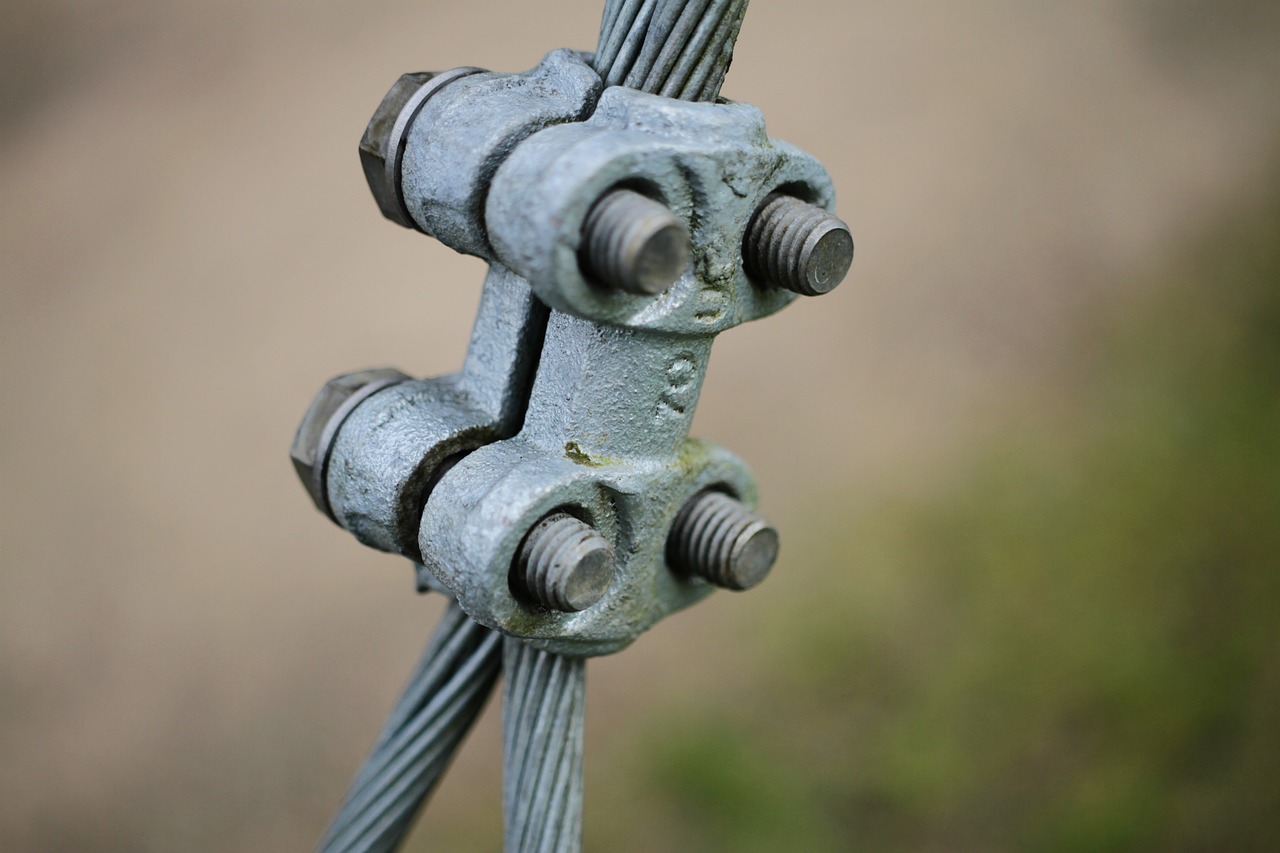
Wire rope clips deserve separate treatment because they can be mistaken for ordinary wire fasteners. A U-bolt wire rope clip typically includes a U-bolt, saddle, and nuts. OSHA construction rule 29 CFR 1926.251 states that when U-bolt wire rope clips are used to form eyes, Table H-2 is used to determine the number and spacing of clips, and the U section is applied to the dead end of the rope. The common rigging reminder is that the saddle belongs on the live, loaded side.
That does not mean wire rope clips are suitable for every rope termination. The same OSHA rule prohibits eyes in wire rope bridles, slings, or bull wires from being formed by wire rope clips or knots. OSHA also requires rigging equipment for material handling to be inspected before use on each shift and as needed during use, with defective equipment removed from service. Incorrect orientation, missing clips, wrong spacing, reused damaged rope, or unverified working load limits can change the risk profile of the entire assembly.
The U.S. Army Corps of Engineers safety manual EM 385-1-1, effective March 15, 2024, gives another useful caution for construction projects: rigging hardware should be of proper size and strength and installed according to manufacturer instructions. It also restricts the use of alloy steel wire rope clips or clamps with eye slings or endless loop slings for hoisting except where prefabricated slings are not practicable and the specific application is designed by a registered professional engineer. For buyers, the practical takeaway is to separate light-duty wire fastening from engineered lifting hardware.
Practical buying and inspection checklist
Before selecting wire fasteners, define the application in plain terms. The checklist below helps avoid the common mismatch between product appearance and actual performance.
- Identify the task. Is the fastener bundling, positioning, securing, supporting, locking, joining mesh, or terminating wire rope?
- Check the rating. Look for loop tensile strength, mechanical strength, working load limit, support marking, temperature range, and environmental rating where relevant.
- Confirm material compatibility. Consider corrosion, galvanic contact, UV exposure, chemical exposure, heat, and abrasion against insulation or coatings.
- Match the substrate. Screws, staples, rivets, push mounts, adhesives, and edge clips all depend on the surface they attach to.
- Avoid cable damage. Do not overdrive staples, over-tighten ties, or place sharp metal directly against sensitive insulation unless the product is designed for that use.
- Use the right tool. Hog rings, clips, staples, and tensioning cable ties often require specific tool sizes for consistent closure.
- Document critical installations. For code, safety, or load-related work, keep product markings, manufacturer instructions, and inspection records available.
A final inspection should look for cracked ties, corrosion, loose clips, cut insulation, missing markings, wrong clip orientation, deformed rings, and fasteners installed on surfaces that can no longer hold the load. Low-cost wire fasteners are often easy to replace, but the damage caused by the wrong one can be expensive.
Frequently asked questions
Are cable ties considered wire fasteners?
Yes. Cable ties are one of the most common wire fasteners, especially for bundling and routing wires or cables. The important limitation is that ordinary ties used for neatness are not automatically rated for cable support, outdoor exposure, plenum spaces, or high-temperature service.
Can one wire fastener type be used for every application?
No. A hog ring, nylon tie, cable staple, wire rope clip, and lock wire all perform different jobs. Selection should be based on load, movement, environment, substrate, required removability, and any applicable code or manufacturer requirement.
What is the difference between securing and supporting cable?
Securing keeps a cable in a defined position or route. Supporting carries part or all of the cable weight. In electrical work, this difference affects which cable ties or fixing devices are acceptable, because support applications may require products marked and evaluated for that function.
Are wire rope clips safe for lifting?
Wire rope clips can be acceptable only in specific applications that allow them and only when installed according to the applicable rule, table, and manufacturer instructions. They should not be treated as universal lifting-sling hardware, and OSHA restrictions apply to certain sling and bridle eyes.
How tight should a wire fastener be around electrical cable?
It should be tight enough to hold the cable in place but not so tight that it crushes, cuts, dents, or sharply bends the insulation or jacket. For electrical installations, always follow the cable manufacturer, fastener manufacturer, and locally adopted electrical code.