Door fasteners for wood, steel and fire-rated openings
What door fasteners need to do
Door fasteners should be specified by load, substrate, environment and code status—not only by diameter, length or finish. In most openings, the critical set includes hinge screws, latch and strike screws, frame anchors, closer screws, bolts and catches. Together, these parts keep the door leaf, frame and hardware aligned through repeated cycles.
Interior light-duty doors can often use standard plated steel screws matched to the wood or hollow-metal preparation. Exterior, wet, high-traffic or fire-rated openings need a tighter specification: compatible metal, adequate embedment, the correct head style, listed hardware where required and enough access for inspection or replacement. The safest practical rule is to match the fastener to the complete door assembly and the hardware manufacturer’s instructions, then verify any code requirements before substituting parts.
Why door fasteners cover more than screws
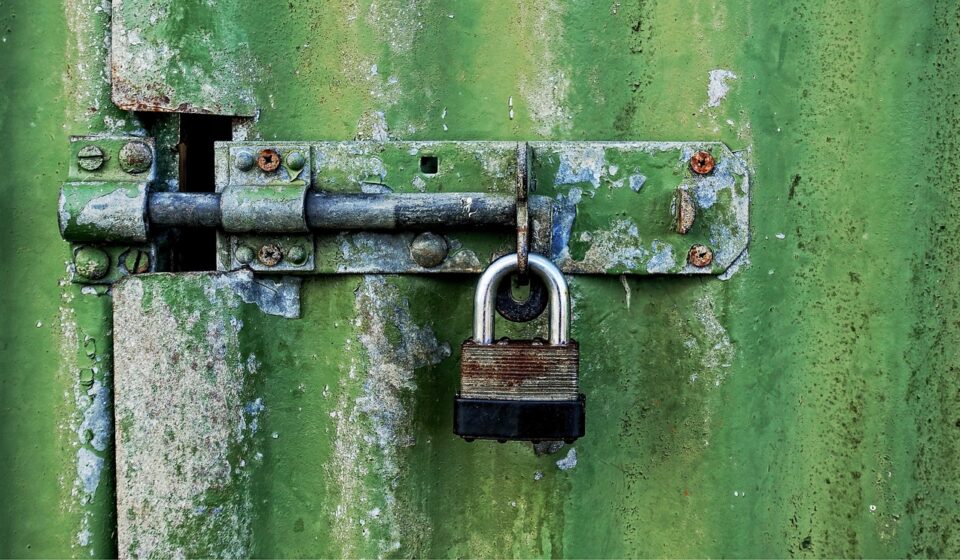
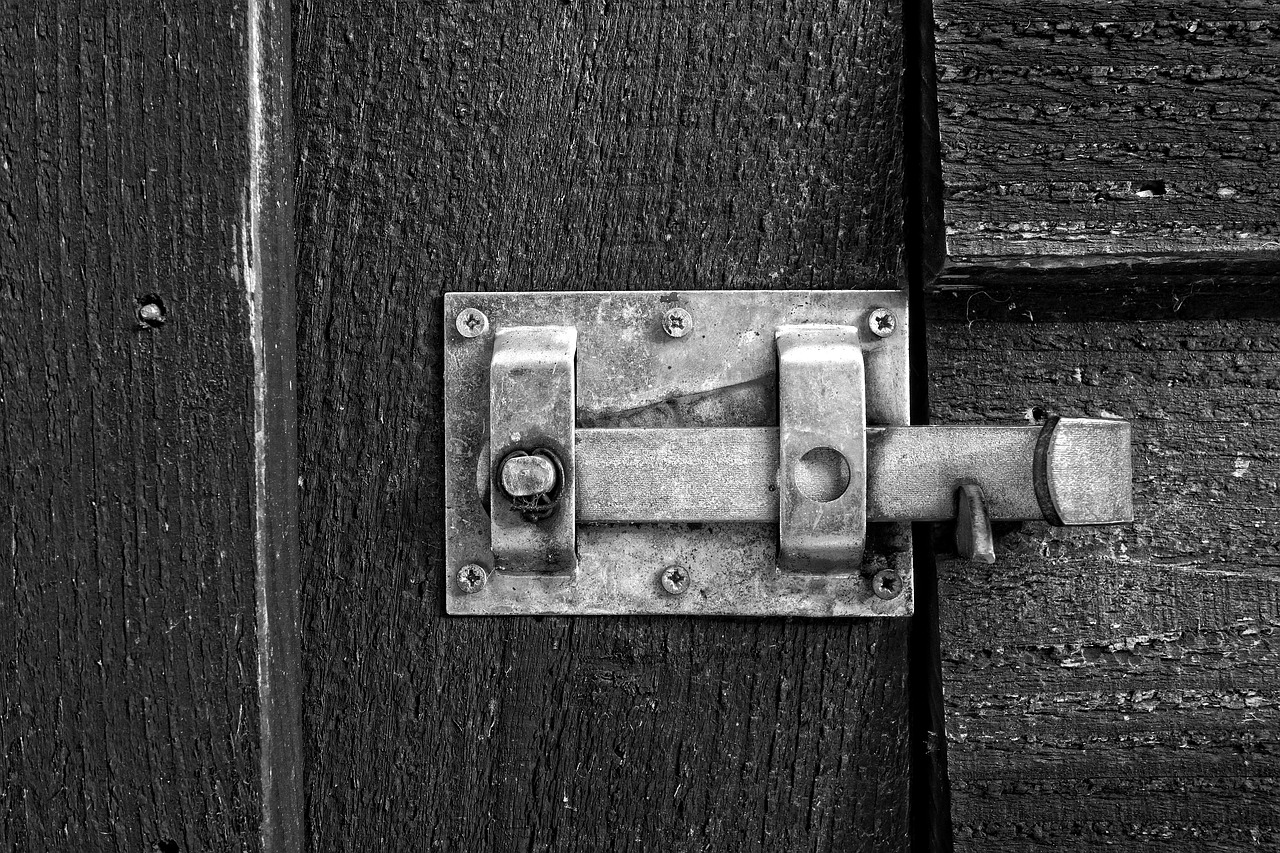
The phrase door fasteners can mean two related things. In a hardware schedule, it may refer to screws, machine screws, through bolts, anchors and other parts that attach hardware to the door or frame. In a broader building-hardware context, it can also include latches, catches, surface bolts, flush bolts and other devices that keep a door closed or secured. UL Solutions lists locks, latches, hinges, electric strikes, flush bolts, surface bolts, viewers and fire exit hardware among fire door and window hardware categories, and states that these items are installed according to NFPA 80, NFPA 105 and manufacturer instructions. (ul.com)
That distinction matters because a strong screw cannot make the wrong hardware perform the right function. A closet ball catch, a residential latch, a commercial strike, a hospital stop, a flush bolt on a pair of doors and a fire exit device solve different problems. Before comparing materials or finishes, define the job: hanging the leaf, resisting pull-out, holding a latch, anchoring a frame, closing a rated opening, or securing a door from one side while allowing egress from the other.
For related articles and category coverage, see the Fasteners section.
Match the fastener to the door and frame material
Wood doors and wood frames
Wood screws work well when the screw length, thread form and pilot hole suit the species and density of the stile or jamb. The most common performance issue is usually not the screw material; it is inadequate bite. A short hinge screw that only engages the trim jamb may loosen on a heavy exterior door, while an overdriven screw can crush fibers and reduce holding power. For high-use hinges or entry doors, longer screws that reach solid framing are often specified on the jamb side, provided they do not distort the frame or violate a listed assembly.
Hollow-metal doors and frames
Hollow-metal openings often rely on reinforcements, tapped holes, machine screws and anchors selected for the wall type. UL guidance emphasizes that wall construction affects door-frame anchoring and that the manufacturer’s instructions, SDI A250.11 and NFPA 80 are used for installation details in fire door frame applications. (ul.com) A self-drilling screw may be convenient for field work, but it is not a universal substitute for a machine screw into prepared reinforcement. If the door or frame is labeled, the approved preparation controls the choice.
Aluminum storefront and thin-gauge sections
Aluminum doors and frames need particular care because thin sections strip easily and dissimilar metals can create corrosion concerns in wet environments. Machine screws into threaded inserts, backing plates or manufacturer-approved reinforcements are usually more reliable than forcing a coarse screw into a thin section. On exterior storefronts, the installer also has to consider water exposure, sealants, drainage paths and whether the selected screw head will sit flush without interfering with pivots, strikes or weatherstripping.
Size, thread, head and drive details that affect performance
Door fastener failures often start with small mismatches. The screw may be strong enough on paper but wrong for the countersink. The drive may cam out during maintenance. The thread may be too fine for wood or too coarse for a tapped metal preparation. The head may stand proud and rub the door edge. The length may be adequate for the hinge leaf but too short to reach reinforcement.
| Location | What to check | Why it matters |
|---|---|---|
| Hinge leaf | Flat head angle, diameter, thread type and embedment | Proud or loose hinge screws can cause binding, sagging and latch misalignment. |
| Strike plate | Screw length, centerline and frame backing | A strike that shifts even slightly can prevent positive latching. |
| Door closer body | Template, reinforcement and screw pack | Closers impose repeated dynamic loads that can loosen underspecified fasteners. |
| Flush or surface bolt | Edge preparation, screw clearance and bolt throw | Wrong screws can split a stile, block bolt travel or weaken a pair of doors. |
| Threshold or door bottom | Corrosion resistance, head profile and substrate | Exposed screws face water, cleaning chemicals, abrasion and trip risks. |
For hinges, current ANSI/BHMA A156.1-2025 covers requirements for butts and hinges, including cycle, wear, friction, strength, material and dimensional tests. The ANSI page also notes that laboratory test results can vary in actual use because of installation, maintenance and environmental conditions. (webstore.ansi.org) In practical terms, a certified hinge still needs the correct screws, preparation and periodic inspection to deliver its intended service life.
Material and finish selection for indoor, outdoor and corrosive locations
Finish is not just appearance. The Builders Hardware Manufacturers Association explains that ANSI/BHMA A156.18 covers architectural hardware materials and finishes, with evaluations such as salt spray, abrasion, perspiration resistance, ultraviolet exposure and finish code numbering. (buildershardware.com) For buyers, a finish designation is more useful than a vague color description such as silver, brass tone or black.
In dry interior locations, zinc-plated or black-oxide steel screws may be acceptable if they are compatible with the hardware and expected load. Exterior doors, washdown areas, coastal buildings and chemical-exposure locations require a different discussion. Stainless steel can be appropriate, but stainless grades and property classes are not interchangeable. ISO 3506-1:2020 specifies mechanical and physical properties for corrosion-resistant stainless steel bolts, screws and studs, and ISO notes that the 2020 edition was reviewed and confirmed in 2025. (iso.org)
A practical specification should separate three questions: Will the fastener resist corrosion in the service environment? Will it provide the required mechanical strength? Will it be compatible with the surrounding metal, coating, wood treatment or sealant? A stainless screw in the wrong aluminum assembly, a plated screw in a wet threshold, or a decorative screw in a high-load closer can all fail for different reasons. Where exposure is severe, rely on the hardware maker’s corrosion guidance rather than treating stainless, galvanized and coated screws as simple upgrades.
Fire-rated and egress openings need assembly thinking
Fire-rated and egress doors are where substitution becomes risky. UL states that products bearing UL Certified, Listed or Classified marks meet the code definition of a listed product, while products without a UL mark are not considered UL Certified. (ul.com) UL also describes fire door markings that can include hourly ratings such as 3 hours, 90 minutes, 1 hour, 45 minutes, 30 minutes or 20 minutes, and notes that fire doors are intended to be installed according to the manufacturer’s instructions. (ul.com)
For a rated opening, the door, frame, glazing, hinges, latch, closer, bolts and fasteners function as an assembly. UL guidance notes that when doors, frames and hardware with different ratings are combined, the overall assembly rating is the lesser rating of the individual components. (ul.com) That is why a missing screw, a substituted latch bolt or an added surface bolt can become more than a maintenance issue. It can change how the assembly is evaluated in the field. See also: Buying Guides.
The 2024 International Building Code includes a clear warning in its means-of-egress provisions: modifications shall not be made to listed panic hardware, fire door hardware or door closers. (codes.iccsafe.org) For openings in an egress path, UL summarizes additional code concerns such as door width, swing direction, hardware mounting height, locks, latches, delayed egress locks and panic hardware in certain occupancies or occupant-load situations. (ul.com) The exact requirement depends on the adopted code and the authority having jurisdiction, but the fastener decision should start with the listed hardware and approved installation method.
Residential openings can also involve code-sensitive hardware. For example, the 2021 International Residential Code section on dwelling-garage opening protection states that certain doors between a garage and residence must be self-latching and equipped with a self-closing or automatic-closing device. (codes.iccsafe.org) In that type of location, a closer screw, latch screw or strike screw is not merely a small accessory; it helps the door perform the required function.
Procurement and inspection checklist
A reliable door-fastener specification can be short, but it should be complete. Use the following checklist before purchasing replacement screws, bolts or latching hardware:
- Identify the opening type: interior, exterior, fire-rated, smoke-control, security, acoustic, storefront or residential service door.
- Record the door and frame material, including wood species or density, hollow-metal gauge, reinforcement, aluminum section thickness and wall construction.
- Check the hardware template and the manufacturer’s screw pack before substituting length, thread, head or drive style.
- Confirm whether the opening carries a label, listing or inspection requirement.
- Choose a material and finish for the actual environment, including humidity, salt air, cleaning chemicals and treated wood.
- Use a drive style that installers can torque properly and maintenance staff can remove without damaging the head.
- Keep thread systems consistent; do not force metric screws into imperial tapped holes or mix machine screws with wood-screw preparations.
- Document substitutions on rated or egress openings and obtain approval where required.
During inspection, look for missing screws, mismatched heads, rust staining, elongated holes, cracked wood around fasteners, loose strikes, door sag, latch rub and evidence that a closer or exit device has been moved. These signs usually appear before the door fails completely.
Common mistakes to avoid
The first common mistake is using general construction screws where hardware screws are required. Drywall screws, for example, are not a good default for hinges, closers or strikes because their head geometry, brittleness, thread and coating are not designed for every door-hardware load. The second mistake is replacing a stripped screw with a shorter or larger random screw instead of repairing the substrate correctly. On wood, that may require a proper plug or reinforcement. On metal, it may require re-tapping, an insert or a manufacturer-approved repair.
The third mistake is ignoring paint and finish buildup. Multiple paint layers under hinges or strikes can change alignment, reduce screw engagement and keep a latch from seating fully. The fourth mistake is treating corrosion as cosmetic. Rust around a hinge or threshold screw often indicates that the fastener, coating or surrounding material is not suited to the environment. The fifth mistake is altering listed hardware to make a field condition work. If a listed closer, panic device or fire door component does not fit the preparation, the answer is not to drill first and justify later; it is to verify the listing, template and approval path.
Frequently asked questions
Are door fasteners the same as door hardware?
Not exactly. Door hardware is the broader category, including hinges, locks, closers, stops, bolts, pulls and exit devices. Door fasteners may refer to the screws and anchors that attach those items, or to holding devices such as latches, catches and bolts. A good specification names both the device and the attachment method.
What screws should be used for door hinges?
Use the screws supplied or specified by the hinge and door manufacturer. For wood frames, hinge screws need enough embedment without splitting or overdriving the jamb. For hollow-metal frames, machine screws into prepared reinforcement are common. On rated doors, do not substitute hinge screws unless the listing, instructions or approval process allows it.
Can missing fire door fasteners be replaced with similar screws?
They should be replaced with the correct specified screws, not merely similar-looking screws. Fire-rated openings are evaluated as assemblies, and UL states that fire door hardware and accessories are installed according to NFPA 80, NFPA 105 and manufacturer instructions. (ul.com) If the approved screw type is uncertain, check the hardware instructions or consult the authority having jurisdiction.
Which door fasteners resist rust best?
The answer depends on exposure and compatibility. Stainless steel, galvanized steel, coated steel, brass and bronze can all be suitable in the right application, but none is universal. For wet, coastal or chemical-exposure locations, specify the grade, coating or BHMA finish designation rather than relying on a generic rust-resistant description.
Why do door fasteners loosen over time?
Loosening usually comes from repeated cycling, vibration, door sag, weak substrate, wrong screw length, stripped threads, misalignment or corrosion. Fix the cause before tightening the screw again. If the door is binding, the latch is rubbing or the closer is slamming, the fastener will keep working loose until the underlying alignment or hardware issue is corrected.