Clip fasteners explained for panels, shafts and assemblies
What clip fasteners do in an assembly
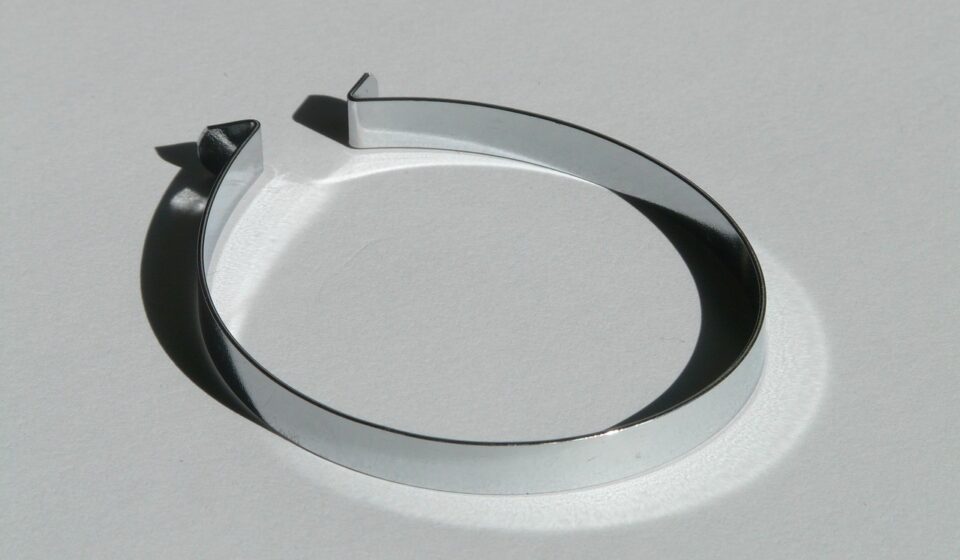
Clip fasteners hold components by spring tension, groove engagement, edge grip or snap-in retention rather than by a fully threaded joint. The term covers several related parts, including panel clips, spring clips, U-clips, E-clips, circlips, retaining rings and certain push-on clips. Their main advantage is speed: they can reduce loose hardware, simplify assembly and support serviceable designs where a screw, bolt or welded joint would be slower or less practical.
The trade-off is that clip fasteners must be selected around load direction, material thickness, groove geometry, corrosion exposure and installation method. A small mismatch in any of these areas can turn a low-cost clip into a weak retention point.
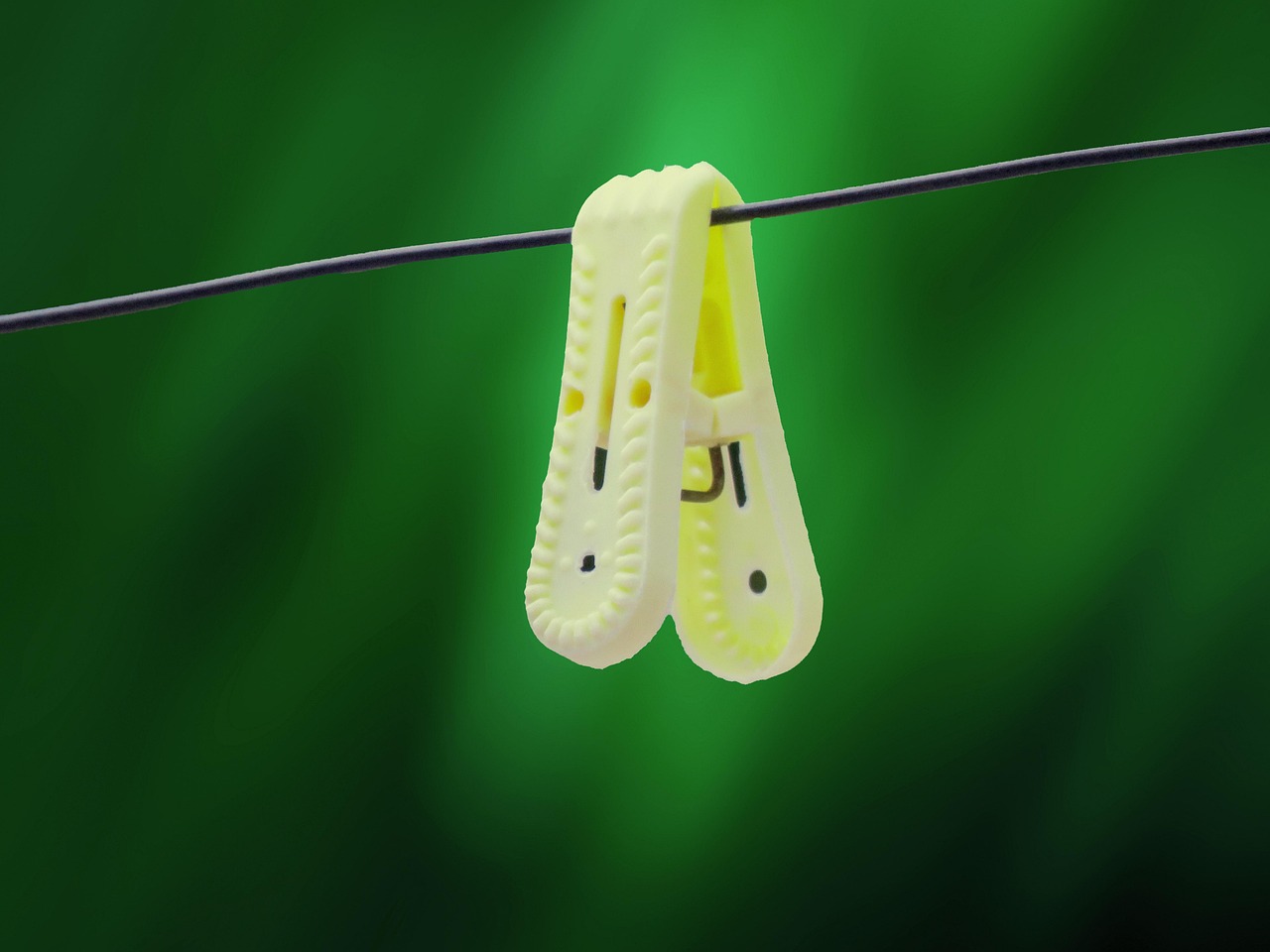
In hardware and manufacturing discussions, clip fasteners are sometimes treated as simple commodity items. That is risky. A panel trim clip used to hold a cover in place does not work like a retaining ring used to locate a bearing on a shaft. A spring clip designed to flex repeatedly is not the same as a push-on clip intended for one-way retention. The right question is not only whether a clip fits, but how it resists movement after vibration, temperature change, coating buildup and repeated servicing.
For more fastener-related explainers, visit the Fasteners section.
Common types of clip fasteners and where they are used
The phrase clip fasteners is broad because it describes a fastening function rather than one fixed geometry. The main groups are usually separated by how they engage with the mating part.
Spring clips
Spring clips rely on elastic deformation. The clip is deflected during assembly and then pushes back against the part it holds. These clips are common in covers, guards, battery contacts, light brackets, sheet metal parts and appliance assemblies. They are useful when the joint needs quick installation and moderate retention without a nut-and-bolt connection.
U-clips and speed clips
U-clips grip the edge of a panel or bracket and often provide a threaded or pierced receiving point for a screw. They are widely used when access to the back side of a panel is limited. A U-clip can replace a loose nut in thin sheet metal, but the designer still needs to check panel thickness range, screw size, pull-out resistance and whether the clip can rotate under tightening load.
E-clips, circlips and retaining rings
E-clips, circlips and retaining rings restrict axial movement on shafts or inside bores. They seat into grooves and are common around bearings, pins, pulleys and rotating or sliding components. ASME B18.27-1998, reaffirmed under stabilized maintenance in 2022, covers inch-series tapered and reduced cross-section retaining rings. DIN 471 and DIN 472 are widely used references for external and internal metric retaining rings, although buyers should always confirm the exact drawing and edition required by the project.
Panel and trim clips
Panel clips are designed for quick snap-in assembly. They may be metal, plastic or a hybrid of both. Their value is fast installation and a clean appearance, especially in equipment covers, enclosures and interior trim. Their limitation is that removal forces, hole wear and repeated service cycles must be considered early, not discovered after production tooling has been made.
Push-on clips and shaft clips
Push-on clips grip a smooth shaft, stud or pin without a machined groove. They are useful for light-duty retention and fast assembly, but many designs are difficult to remove without damage. For assemblies that need regular maintenance, a grooved retaining ring or threaded fastener may be more suitable.
Materials and coatings matter more than part size alone
Clip fasteners are often small, but the material choice has a direct effect on retention force, fatigue life and corrosion performance. Common metallic options include low-carbon steel for economical stamped clips, high-carbon spring steel for higher spring force, stainless steel for corrosion resistance, and copper alloys where conductivity or nonmagnetic behavior is important. Manufacturer technical literature for spring and retaining clips commonly lists carbon spring steels, stainless grades, phosphor bronze and beryllium copper among available options.
Carbon spring steel is a frequent choice where high strength and snap action are needed. It performs well in many indoor mechanical applications, but unprotected carbon steel is vulnerable to corrosion. Stainless steel improves corrosion resistance, but not every stainless grade has the same spring behavior, hardness or fatigue strength. A stainless clip chosen only for rust resistance may underperform if the application also needs high restoring force or repeated flexing.
Coatings add another layer of selection. ISO 4042:2022 covers electroplated coating systems for steel fasteners and explicitly includes non-threaded fasteners such as clips, pins and rivets within its scope. ASTM F1941/F1941M-16(2025) addresses electrodeposited coatings on inch and metric mechanical fasteners and includes requirements related to coating appearance, thickness, corrosion resistance and hydrogen embrittlement risk management. ISO 10683:2018 covers non-electrolytically applied zinc flake coatings for steel fasteners, including clips, and notes their use for high-strength fasteners where avoiding internal hydrogen embrittlement is important.
These standards do not mean every clip fastener must be ordered to an ISO or ASTM coating specification. They do show why coating language should be precise. Zinc plating, zinc-nickel, phosphate and oil, black oxide, passivated stainless and zinc flake systems are not interchangeable descriptions. If the clip is used outdoors, near chemicals, in road-salt exposure or inside electrical equipment subject to substance restrictions, the coating requirement should be written clearly on the drawing or purchase specification.
A practical selection checklist for clip fasteners
A useful selection process starts with the function of the joint. The following checks can help reduce mistakes before samples are ordered or tooling is finalized.
- Load direction: identify whether the clip resists axial movement, pull-off force, shear, vibration, panel separation or screw tightening load.
- Mating geometry: confirm shaft diameter, bore diameter, groove width, groove depth, panel thickness, hole diameter and edge distance.
- Retention requirement: separate normal service load from peak load, shipping load and accidental removal force.
- Serviceability: decide whether the clip must be removable, reusable or intentionally difficult to remove.
- Environment: account for humidity, salt spray, cleaning chemicals, temperature, UV exposure and galvanic contact with nearby metals.
- Assembly method: check whether installation is manual, automated, tool-assisted, blind, overhead or performed in a confined space.
- Inspection method: define how correct seating or engagement will be verified during production.
The most common mistake is choosing a clip by nominal size alone. A shaft clip that fits a diameter may still fail if the groove is too shallow. A panel clip that snaps into a hole may still rattle if the panel stack is thinner than expected. A spring clip that looks strong during first assembly may lose retention if it is over-deflected beyond its elastic range. See also: Buying Guides.
How standards and specifications reduce ambiguity
Clip fasteners benefit from clear specification because many shapes look similar but perform differently. A drawing or purchase description should not stop at the part name. It should include dimensions, material, heat treatment if required, finish, applicable standard if any, performance requirement and packaging or handling limits for small parts.
| Specification item | Why it matters | Example of clearer wording |
|---|---|---|
| Part type | Prevents confusion between spring clips, E-clips and retaining rings | External retaining ring for shaft groove, not generic clip |
| Material | Controls strength, spring behavior and corrosion resistance | Carbon spring steel or specified stainless grade |
| Finish | Controls corrosion resistance and assembly behavior | Zinc flake, zinc-nickel, phosphate and oil, or passivated stainless |
| Critical dimensions | Ensures engagement with the mating part | Groove width, groove depth, panel thickness or shaft diameter |
| Performance | Connects the clip to actual assembly needs | Minimum pull-off force, axial retention or insertion force range |
For retaining rings, dimensional standards are especially helpful because groove geometry is part of the fastening system. The ring and groove work together. If the groove corner radius, depth or width is outside the intended range, the ring may not seat correctly or may carry load on an unintended edge. For spring clips and panel clips, supplier drawings often provide the most useful data because performance depends heavily on the formed geometry and material temper.
Installation and failure modes to watch
Clip fasteners usually fail for predictable reasons. One is over-expansion or over-compression during installation. A retaining ring expanded too far may not return to its intended diameter. A spring clip forced over an oversized edge may take a permanent set. A panel clip installed into a misaligned hole may appear seated while only one side is engaged.
Another failure mode is coating-related fit change. Coatings are thin, but on small clips and grooves they can still affect insertion force or seating. Electroplated coatings can also introduce hydrogen embrittlement concerns in high-strength steel parts if the coating process and relief treatment are not managed correctly. This is why coating standards for fasteners discuss embrittlement risk rather than treating finish as only a cosmetic detail.
Vibration is a further concern. Clips used near motors, rotating shafts, vehicle structures or equipment doors should be reviewed for fretting, loosening and repeated impact. In these cases, a secondary locking feature, different clip geometry or a threaded fastener with controlled preload may be more reliable.
Installation safety should not be ignored. Where powered tools are used to drive fasteners, OSHA construction rules for pneumatic nailers, staplers and similar automatic-feed equipment require muzzle safety devices for tools operating above 100 psi unless the tool is in contact with the work surface. This rule is not specific to every industrial clip, but it illustrates a broader point: tool-driven fastening needs guarding, training and a defined work method.
When a clip fastener is the right choice, and when it is not
A clip fastener is often the right choice when assembly speed, low part count, blind installation or compact packaging matters. It can be especially effective for access panels, light covers, shaft retention, wire routing, trim attachment and small mechanical stops. Clips also support modular assembly because they can be fed, staged and installed faster than many loose threaded fasteners.
A clip is less suitable when the joint needs high structural preload, precise clamping force, repeated heavy servicing or certified load-bearing performance without a defined standard and test plan. In those cases, bolts, screws, rivets, welds or engineered retaining systems may be safer. The decision should be based on function, not on the assumption that a clip is cheaper or easier.
For sourcing and specification, the practical approach is to ask four questions: what movement must the clip prevent, what geometry does it engage, what environment will it see, and how will correct installation be verified? If those answers are clear, clip fasteners can be reliable, economical and assembly-friendly. If they are vague, the smallest part in the bill of materials can become the part that creates the largest field problem.
Frequently asked questions
Are clip fasteners reusable?
Some are reusable, but many are not intended for repeated removal. Reusability depends on material, geometry, deflection during removal and whether the clip takes a permanent set. Retaining rings are often removable with the proper tool, while push-on clips may be damaged during removal.
What is the difference between a clip fastener and a retaining ring?
A retaining ring is a specific type of clip fastener that sits in a groove on a shaft or inside a bore to limit axial movement. Clip fastener is the broader term and can include spring clips, panel clips, U-clips, E-clips and push-on clips.
Which material is best for outdoor clip fasteners?
There is no single best material for every outdoor use. Stainless steel, zinc-nickel coated steel and zinc flake coated steel are common options, but the right choice depends on strength needs, exposure severity, mating metals and cost. For demanding environments, the finish and material should be specified together.
Can a clip fastener replace a screw?
Sometimes. A clip can replace a screw when the joint mainly needs retention, positioning or quick access. It should not automatically replace a screw where controlled clamp load, high structural strength or frequent high-load service is required.