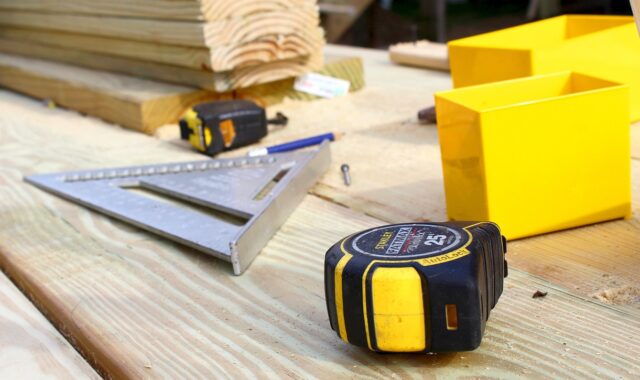
How to choose rough cut joist hangers for true-size lumber

The short answer
Rough cut joist hangers are metal framing connectors made for rough-sawn, full-size, oversized, or older lumber that does not fit standard hangers intended for dressed 1.5 in. wide framing. If a joist measures a true 2 in. wide, do not assume a regular nominal 2x hanger will fit or carry the load. Measure the actual joist width and depth, match the hanger seat width and height, check the manufacturer load table for the species and application, and use only the fasteners specified for that hanger.
For decks, treated lumber, damp locations, and coastal exposure, coating and fastener compatibility are part of the structural selection. They are not just finish details.

This Buying Guides article is about selection and purchasing, not engineering approval. When a connection involves unusual loads, old framing, damaged wood, skewed angles, or nonstandard sizes, confirm the choice with a qualified building professional or the local authority having jurisdiction.
Why rough-sawn lumber changes hanger selection
The main issue is simple: the lumber label is not always the measured size. Standard North American softwood framing is commonly sold by nominal dimensions, while the actual dry dressed size is smaller. For example, industry references list a nominal 2×6 at about 1.5 in. by 5.5 in., and a nominal 2×8 at about 1.5 in. by 7.25 in. after surfacing and drying. NIST also explains that a 2×4 is commonly 1.5 in. by 3.5 in., with “2×4” functioning as a nominal description rather than an exact measurement. (web-media.awc.org)
Rough-sawn, rough cut, full-sawn, reclaimed, and some older house framing can be different. A rough 2x joist may be close to a full 2 in. wide, or it may fall somewhere between dressed lumber and a full-sawn member. In older structures, dimensions can also vary from one joist to the next because of sawmill practice, drying, shrinkage, repairs, or previous alterations. That is why the first step is measurement, not choosing a model number.
A standard hanger that is too narrow can stop the joist from seating fully. A hanger that is too wide can leave side gaps that reduce restraint unless the manufacturer specifically allows a filler method. Bending a hanger in the field, cutting flanges, omitting nails, or substituting unlisted screws can change the tested behavior of the connector. With structural hardware, fit is part of the rating.
How to size rough cut joist hangers before buying
Measure width, depth, and bearing condition
Measure each joist at the connection point with a tape measure or calipers. Record the actual width, actual depth, whether the joist end is square or angled, and whether the hanger will attach to a ledger, beam, rim board, header, or another carrying member. For old framing, check several joists instead of assuming they are identical.
- Width controls the hanger seat width. A true 2 in. wide joist usually needs a rough-lumber hanger with a 2 in. seat, not a standard 1.5 in. seat.
- Depth affects hanger height and lateral restraint. A shallow hanger may not provide the intended support or rotation resistance for a deep joist.
- Header material matters because load tables and fastener schedules can change depending on whether the carrying member is solid sawn lumber, engineered wood, masonry-supported framing, or another assembly.
- Moisture and treatment affect coating selection and corrosion risk.
Match the load category, not just the lumber size
Physical fit is only one part of the purchase. Manufacturer tables typically separate allowable loads by application, such as floor, roof, snow, and uplift. A hanger that fits the joist may still be the wrong choice if its listed load does not cover the project condition. In deck construction guidance, the American Wood Council says joist hangers should be selected from approved manufacturer product data based on the joist or header dimensions they carry. The same guide calls for corrosion-resistant hangers and fasteners in the deck context. (web-media.awc.org)
Building-code language points in the same direction. IRC floor provisions have stated that joist, beam, or girder ends need minimum bearing or support by approved joist hangers, and deck joists framing into the side of a beam or ledger are to be supported by approved joist hangers. Local code editions and amendments vary, so the adopted local code and inspector requirements remain controlling. (codes.iccsafe.org)
Do not treat field modification as a sizing method
If the hanger almost fits, treat that as a warning sign. Do not crush a joist into a tight hanger, spread the hanger seat, cut off flanges, drill extra holes, or leave required holes empty. These changes can put the installation outside the tested and published rating. For nonstandard widths such as 1.75 in., 2.25 in., or uneven reclaimed material, the safer buying path is to find an alternate-width connector, a manufacturer-approved option, or a custom hanger rather than modifying a stock part on site.
Product data points to compare
Recent connector catalogs show why rough cut joist hangers should be selected from table data, not from appearance alone. Simpson Strong-Tie identifies its 2026-2027 Wood Construction Connectors catalog as the current catalog replacing C-C-2024, and its rough-lumber face-mount section lists multiple 2 in. and 4 in. wide rough lumber hanger options with different gauges, heights, fastener schedules, and allowable loads. (strongtie.com)
| Measured member | Common rough hanger seat width | Example model families to compare | What to verify before purchase |
|---|---|---|---|
| True 2×4 rough member | 2 in. | LU24R-18, U24R-type rough-lumber hangers | Height, fastener schedule, load table, and code report reference |
| True 2×6 rough joist | 2 in. | LU26R-18, U26R-type rough-lumber hangers | Whether the lighter or heavier model is appropriate for the required load |
| True 2×8 rough joist | 2 in. | LU28R-18-type rough-lumber hangers | Joist depth, load category, and availability through supplier channels |
| True 2×10 rough joist | 2 in. | LU210R-18, U210R-type rough-lumber hangers | Seat width, hanger height, header fasteners, and required floor or roof value |
| True 4×4 or 4×6 rough member | 4 in. | U44R, U46R-type rough-lumber hangers | Whether the connection is really a joist hanger condition or a beam-support condition |
As an example of the range within one manufacturer table, the 2026 rough-lumber data for Douglas fir and southern pine lists different floor allowable loads for light and heavier models. A rough 2×6 LU26R-18 is shown with a 2 in. width and a floor value of 835 lb, while a U26R is shown with a 2 in. width and a floor value of 1,150 lb. A rough 2×10 U210R is shown with a 2 in. width and a floor value of 2,015 lb. These figures are not universal ratings for all projects; they are catalog values tied to the exact model, species group, application, and fasteners in the table. (rbscorp.com)
Fasteners and coatings are part of the hanger choice
Joist hanger fasteners are not interchangeable with general-purpose deck screws, drywall screws, or random nails. Hanger tables are based on specific nail or approved structural screw types, diameters, lengths, and locations. Missing fasteners or substitutions can reduce capacity and may fail inspection. If a manufacturer allows a structural connector screw in place of nails, that approval usually depends on the exact hanger series and screw model.
Corrosion protection is just as important when rough lumber is used outdoors or with preservative-treated wood. IRC provisions for preservative-treated wood have required fasteners such as hot-dipped zinc-coated galvanized steel, stainless steel, silicon bronze, or copper, with connector coating weights following the connector manufacturer recommendation and, absent that, not less than G185 galvanized steel or equivalent. (codes.iccsafe.org)
The American Wood Council deck guide also notes that metal connectors and fasteners exposed to certain preservative treatments can experience high corrosion rates in accelerated testing. It recommends following chemical manufacturer and treating-industry guidance for corrosion-resistant or hot-dip galvanized protection, and further notes that FEMA guidance recommends stainless steel in saltwater exposure areas. (web-media.awc.org)
For buyers, the practical rule is to specify the hanger finish, fasteners, wood treatment, and exposure category as a system. A galvanized hanger with incompatible screws is not a complete connection. In coastal, wet, or high-corrosion environments, stainless steel hardware may be the more appropriate specification, even if the upfront cost is higher.
Buying scenarios that need extra caution
Old houses with full-dimension joists
Older homes often contain joists that are larger than modern dressed lumber. A true 2 in. wide joist can look close to modern framing until a standard hanger will not seat. Measure every bay where repairs are planned, especially near foundations, crawl spaces, and additions where lumber from different periods may meet.
Decks and exterior repairs
Deck ledgers and side-mounted joists are common locations where hangers are required or expected. They also combine moisture, treated lumber, and inspection scrutiny. For rough lumber decks, confirm that the hanger has the correct width and corrosion rating, then confirm that the fasteners are approved for both the hanger and the treated lumber.
Skewed, sloped, or irregular framing
A straight face-mount hanger may not suit an angled joist. Some hanger families have skewed, sloped, concealed-flange, or alternate-width options, but availability depends on the model. If the joist end is angled, the support is out of plane, or the connection carries uplift, do not buy based on seat width alone.
Reclaimed or uneven rough-sawn lumber
Reclaimed lumber can vary in thickness and may include checking, notches, insect damage, or old fastener holes. Even a correctly sized hanger cannot make damaged wood structurally adequate. If the joist is cracked at the bearing end or reduced by previous notching, the repair may require sistering, blocking, a new carrying member, or engineering review.
Pre-purchase checklist
- Measure the actual joist width and depth at the hanger location.
- Confirm whether the lumber is dressed, rough-sawn, reclaimed, treated, or engineered.
- Select a hanger with the correct seat width, not just the nominal size printed on packaging.
- Check the load table for the correct species group and application, such as floor, roof, snow, or uplift.
- Verify all required header and joist fasteners before leaving the supplier.
- Match coating and fastener material to exposure, preservative treatment, and local code requirements.
- Confirm whether the hanger is suitable for face-mount, top-flange, skewed, sloped, or concealed-flange installation.
- Do not modify the hanger unless the manufacturer provides written instructions for that exact option.
- For unusual loads, old structural repairs, or code-sensitive deck work, confirm the selection with a qualified professional or inspector.
Frequently asked questions
Can I use a standard joist hanger for rough cut lumber?
Only if the actual lumber dimensions match the hanger seat and the manufacturer data supports the installation. Many standard hangers for nominal 2x framing are made for dressed 1.5 in. wide lumber, so a true 2 in. rough joist usually needs a rough-lumber or alternate-width hanger.
Is it acceptable to shim a hanger that is too wide?
Do not assume shimming is acceptable. Some field solutions may be allowed only under specific manufacturer instructions or professional design. A loose joist can reduce lateral restraint and change how fasteners transfer load, so the cleaner purchase is a hanger that fits the measured member.
Are 18-gauge rough cut joist hangers strong enough?
Gauge alone does not answer the question. An 18-gauge hanger may be appropriate for some loads and spans, while a 16-gauge or heavier hanger may be needed elsewhere. Compare the published load table for the exact model, species, fastener schedule, and application.
Can I install joist hangers with deck screws?
General deck screws should not be used unless the hanger manufacturer specifically lists that screw type for the connector and load condition. Use the specified hanger nails or approved structural connector screws shown in the product data.
What if my rough joist is not exactly 2 in. wide?
Measure carefully and look for alternate-width or custom connector options. If the joist is irregular, tapered, damaged, or part of a structural repair, get professional guidance rather than forcing a stock hanger to fit.
Bottom line for buyers
The right rough cut joist hanger must match the real lumber, required load, carrying member, exposure condition, and specified fasteners at the same time. Start with field measurements, then use manufacturer load tables and local code requirements to narrow the options. If any part of the connection is unusual, pause and verify the selection before the hardware becomes part of the structure.