Are Snap Fasteners the Best Choice for Marine Covers, Workwear, and Industrial Fabric?
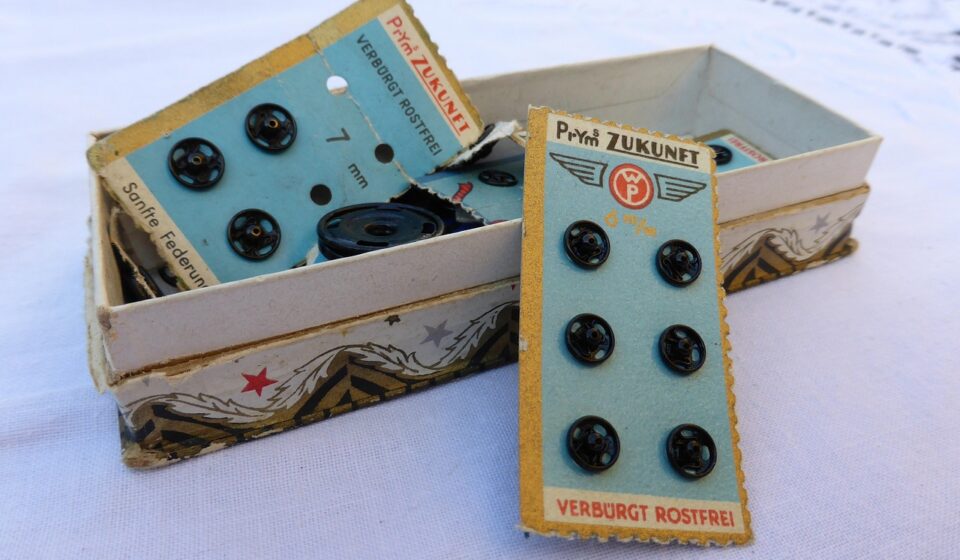
Why Do Snap Fasteners Still Matter in Modern Industrial Fabric?
Snap fasteners look simple, but they handle a common job in marine covers, workwear, upholstery, bags, awnings, and light industrial panels. If you buy hardware for fabric goods, the right snap can reduce returns, make assembly smoother, and give the finished item a cleaner feel in the user’s hand. For more fastening options, you can browse the Fasteners category for related hardware ideas.
A snap fastener is different from a button or zipper because it gives a clear open-and-close action with one push. That matters on a boat cover in low light, on a tool pouch at a jobsite, or on protective canvas that gets opened many times in one shift. Public market data does not often list snap fasteners as a separate product, so a clean global revenue number for this exact item is not easy to confirm. Still, the wider fastener market is large: Grand View Research reported in March 2026 that the U.S. industrial fasteners market is projected to reach USD 23.18 billion by 2033, with metal fasteners holding an 88.6% revenue share in 2025. (grandviewresearch.com)
Fast Opening With Controlled Holding Power
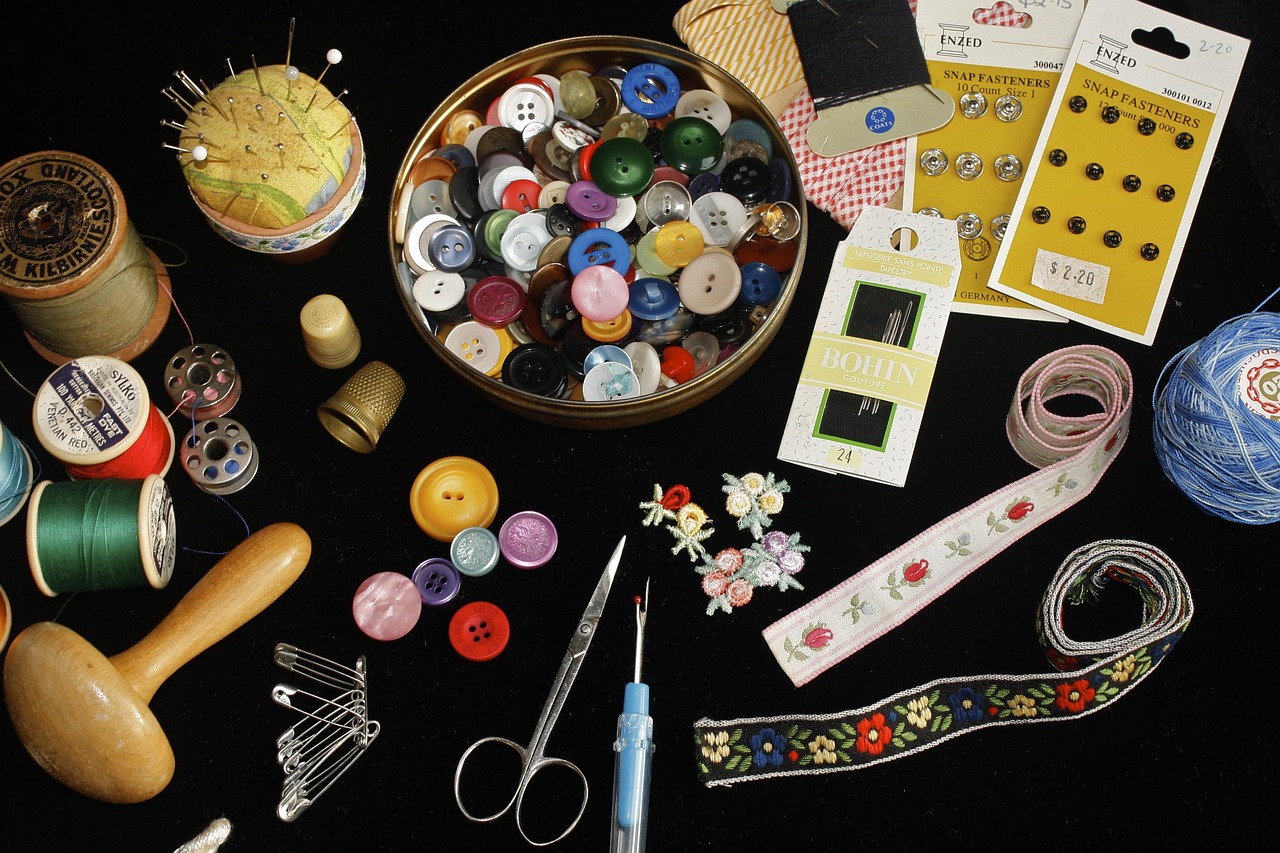
A good snap opens without too much force, but it should not come loose in normal use. This balance is why buyers check snap action, not just metal grade or cap finish. For a rain flap, a light action may be enough. For a trailer cover or sail bag tab, a tighter action is usually better. The small click is useful because it tells the user the closure has seated.
Four Parts That Create One Closure
Most industrial snaps use a cap, socket, stud, and post or eyelet. DOT Fasteners describes the cap and socket as the female half and the stud and post as the male half in its Durable snap system. (dotfasteners.com) This four-part design lets one side attach to fabric and the other side attach to fabric, webbing, wood, plastic, fiberglass, or metal. The right stud style depends on what the snap is being fixed to.
Small Hardware With Big Buying Impact
One weak part can affect a full shipment. A cap that dents, a socket that rusts, or a post that is too short can turn a clean cover into a warranty problem. Snap fasteners cost little compared with fabric, labor, and freight, so saving a small amount on the wrong grade can become expensive later. Warehouse and after-sales teams usually remember these small purchasing mistakes.
Which Snap Fasteners Fit Your Application Best?
The best snap is not always the one with the highest holding force. You need to match release direction, base material, fabric thickness, and how the user will pull it. A gym bag, a tonneau cover, and a flame-resistant work jacket may all use snaps, but they do not need the same setup.
Standard Line 24 Snaps for Daily Use
Line 24 snaps are widely used for canvas, upholstery, boat covers, bags, and tarps. DOT’s glossary states that ligne size measures cap diameter, with one ligne equal to 0.025 inch and a 24-ligne cap measuring 0.600 inch. (dotfasteners.com) For buying work, Line 24 is a practical starting point for medium and heavy fabric projects. It also gives users a snap feel they already know from many canvas and outdoor goods.
Directional Snaps for Higher Security
Directional snaps are useful when a cover faces wind, pull, or vibration from one main side. Lift-the-DOT and Pull-the-DOT styles are made to release from a set direction. DOT Fasteners notes that Lift-the-DOT locks on three sides and releases on the fourth side, which helps on marine canvas and safety covers that should not open by mistake. (dotfasteners.com) The install direction matters, so the sample should be marked before production starts.
Screw Studs and Eyelet Studs for Different Bases
Use eyelet studs when both sides are flexible material. Use screw studs when one side is a hard base, such as a boat deck, wooden frame, plastic board, or metal panel. DOT’s glossary lists wood, self-tapping, self-drilling, and machine screw options for screw studs. (dotfasteners.com) This small choice can stop installers from drilling extra holes or making changes on site.
Which Materials Work Best for Snap Fasteners?
Material choice affects corrosion, appearance, setting quality, and price. The right option depends on the real working conditions of the finished product. A tote bag for indoor use does not need the same hardware as a saltwater cockpit cover. This sounds clear, but mixed-use orders often cause confusion during sourcing.
Brass for General Corrosion Resistance
Brass is a common choice for canvas, apparel, upholstery, and leather goods because it resists rust better than plain steel. It also sets cleanly when the die and press are correct. Nickel-plated brass gives a bright finish and a tidy retail look. Black oxide or painted finishes can match tactical gear or dark canvas, but coating wear should be checked before bulk production.
Stainless Steel for Salt and Outdoor Use
Stainless steel is often chosen for marine and outdoor exposure, especially around salt spray, rain, and strong sun. Sailrite’s 2024 Snap Fastener Tool and Components Guide lists nickel/brass and stainless steel fasteners among the component options handled by common snap tools. (directus.sailrite.com) For boat covers, dockside bags, and outdoor furniture, stainless may cost more at the start. In return, it can reduce staining, rust marks, and stuck sockets later.
Plated Steel for Cost Sensitive Projects
Plated steel can work for low-cost items, short-life promotional goods, or dry indoor applications. The main risk is corrosion after abrasion, washing, or humid storage. If you choose plated steel, treat salt spray data as a rough comparison, not a full promise for field use. Real products may meet sweat, mud, detergent, rain, and rough handling.
How Should You Check Size, Grip, and Pull Strength?
A snap fastener is a fitted part. Size, post length, fabric thickness, and pull strength need to work together. Do not approve a sample only by looking at the cap. Press it, pull it, twist the fabric, wash it or wet it if the final item will meet water, and then check it again.
Line Size and Cap Diameter
Line size controls the cap diameter and usually points to the matching socket and stud family. Small caps fit garments, light bags, and trim. Larger caps fit canvas, marine work, tarps, and heavy upholstery. A larger cap also spreads pressure over more fabric, which can help reduce pull-through on softer materials.
Post Length and Fabric Stack
Post length must match the material stack. If it is too short, the curl may not form well. If it is too long, the part can crush fabric, wobble, or sit too high. DOT notes that Durable caps and posts come in different lengths or heights to suit fabric, canvas, and vinyl thickness. (dotfasteners.com) For bulk orders, send the real layered sample, not only a fabric name on a sheet.
Pull Tests for Real Working Loads
ASTM International’s D4846 test method covers the force needed to disengage snap fasteners with pulls perpendicular and parallel to the plane of the fastener. (store.astm.org) This point matters because a snap may pass a straight pull but fail when the fabric peels from the side. For serious products, record both the pull direction and the sample condition. Useful notes include dry, wet, washed, aged, or after abrasion. See also: Metal Fittings.
How Do Snap Fasteners Fail in Real Use?
Failures usually come from fit, corrosion, poor setting, or the wrong snap style. The metal part often gets blamed first, but the real reason may be fabric compression, thin backing, a worn die, or a worker using the wrong setting pressure. A small trial run can catch these issues before cartons leave the factory.
Loose Setting After Thin Material
Thin fabric often needs backing, reinforcement tape, or a shorter post. Without support, the snap may spin after repeated use. On rainwear or soft canvas, a washer or reinforced patch can make the closure feel firmer. If the end user pulls the fabric instead of the cap, the load goes into the weave rather than the metal part.
Corrosion Around the Socket
Rust or green staining around the socket usually points to moisture, mixed materials, or a finish that does not match the use environment. Saltwater makes the issue show up faster. Wet storage bags and trapped detergent can also cause trouble. If the product is sold for outdoor use, ask for material grade and finish details in writing, then keep that record with the order file.
Wrong Release Direction on Covers
A standard snap may open when wind lifts the edge of a cover. A directional snap can fix this, but only if the release side faces the user’s hand and the locked sides face the load. It is easy to install these backward when the operator has no marked sample. One clear photo on the workbench can prevent a lot of rework.
What Should You Ask Before Placing a Bulk Order?
Good snap fastener sourcing starts with use details, not only unit price. A supplier can give better support when you provide fabric thickness, base material, pull direction, climate, color, finish, package size, and installation method. The order becomes easier to confirm, and sample approval usually moves faster.
Application Details Before Price
Prepare a short use note, such as marine cover, 600D bag, leather strap, PVC-coated fabric, or workwear pocket. Add the expected exposure, including saltwater, rain, washing, abrasion, or outdoor storage. If a customer already had a failure, say it directly. “Socket rusted after three months outside” is more useful than “better quality needed.”
Samples Before Mass Production
Ask for assembled samples and loose components. Test the parts with your fabric and your actual tool. If several factories will install the same snap, each site should test it before mass production. A setting die that works in one shop may give a different curl in another because pressure, alignment, and operator habits are not always the same.
Packing and Traceability for Repeat Orders
Bulk snap fasteners should arrive sorted by part, finish, and size. Mixed sockets and studs can slow a sewing floor in a very ordinary but costly way. Lot numbers, carton labels, and retained samples help when you reorder or check a complaint months later. They also make it easier to discuss the same part with the supplier without guessing.
- Confirm cap size, socket type, stud type, and post length before approval.
- Match brass, stainless steel, or plated steel to the working environment.
- Test pull direction, not only straight opening force.
- Keep approved samples with the production order.
FAQ
Q1: Are Snap Fasteners Good for Marine Covers? A: Yes, they are widely used on marine covers, but material and style matter. Stainless steel or marine-grade brass is usually a safer choice, and directional snaps can help when wind pulls from one side.
Q2: What Is the Difference Between Line 20 and Line 24 Snaps? A: Line 20 snaps are smaller and often suit lighter goods. Line 24 snaps are larger, with a 0.600 inch cap according to DOT’s ligne size reference, so they are common on canvas, upholstery, and heavier fabric.
Q3: Why Do Snap Fasteners Come Loose After Installation? A: Common causes include a post that is too long or too short, thin fabric without backing, worn dies, low setting pressure, or the wrong component mix.
Q4: Should You Choose Brass or Stainless Steel Snap Fasteners? A: Choose brass for many general fabric and leather goods. Choose stainless steel for saltwater, outdoor storage, and tougher weather exposure where corrosion risk is higher.
Q5: Can Snap Fasteners Be Tested Before Bulk Production? A: Yes. Test them on the actual fabric stack with the real setting tool. For formal checks, ASTM D4846 gives a method for measuring unsnapping force in different pull directions.