Cable fasteners guide for electrical and data cable runs
What cable fasteners do in a cable run
Cable fasteners are the clips, ties, clamps, straps, cleats, staples, and fixing devices used to keep cables in a planned position. Their role is more than appearance. A properly selected fastener supports cable weight, controls routing, reduces strain at terminations, protects jackets from abrasion, and keeps future maintenance practical. In electrical, data, and industrial installations, the right choice depends on cable type, load, environment, mounting surface, code requirements, and whether the fastener is only organizing the cable or actually supporting it. For related hardware context, visit the Fasteners category.
The phrase cable fasteners covers a wide range of products. A nylon cable tie inside a control panel, a stainless steel clamp on a machine frame, and a short-circuit-rated cable cleat on a power cable tray all fasten cable, but they are not interchangeable. Treating them as the same product can lead to crushed jackets, overheated bundles, loose runs, failed inspections, or difficult service work.
Common types of cable fasteners and where they fit
The clearest way to compare cable fasteners is by function. Some products simply bundle cables. Some fix a cable to a surface. Others support weight, resist vibration, maintain spacing, or restrain power cables during fault conditions. The table below summarizes common options used across building, equipment, and industrial applications.
| Fastener type | Typical use | Key selection points | Common limitation |
|---|---|---|---|
| Cable ties and fixing devices | Bundling, light positioning, panel wiring, low-voltage organization | Material, tensile strength, temperature rating, UV exposure, listing or certification where required | Can damage jackets if overtightened and may not be suitable as primary support unless identified for that use |
| Cable clips and saddles | Surface routing on walls, frames, enclosures, or boards | Cable diameter, screw or adhesive fixing, edge protection, spacing | Adhesive versions can fail under heat, dust, moisture, or load |
| Straps and staples | Securing building wire or nonmetallic-sheathed cable to framing or surfaces | Compatibility with cable type, correct width, nail or screw holding power, no sharp edges | Incorrect installation can pinch or cut the cable sheath |
| P-clamps and cushion clamps | Machinery, vehicles, equipment frames, vibration-prone runs | Clamp diameter, liner material, corrosion resistance, mounting bolt size | Needs a solid mounting point and adequate clearance |
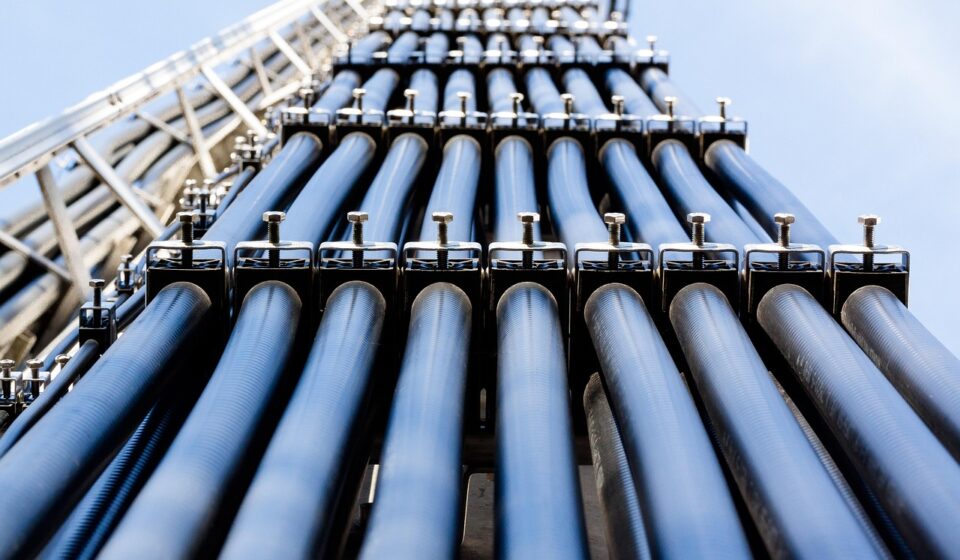
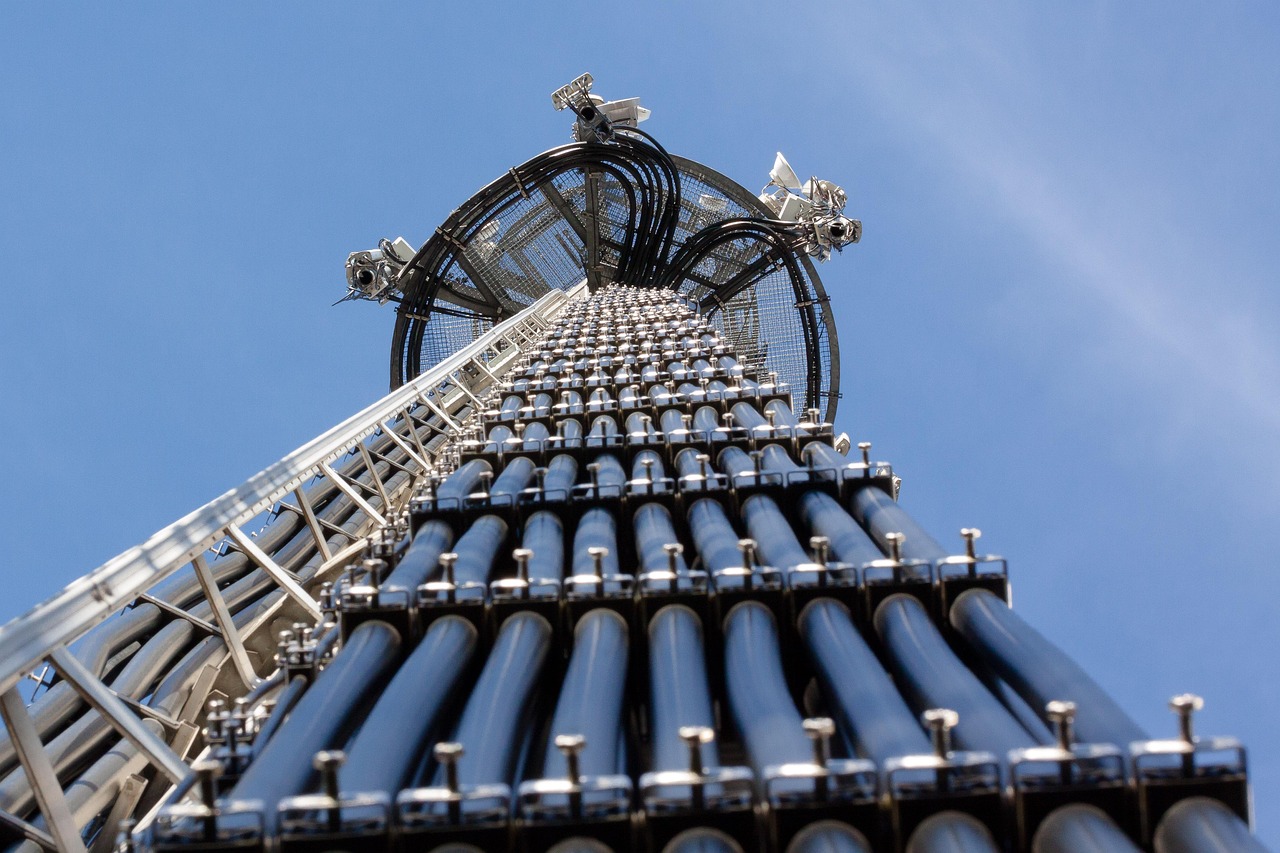
| Cable cleats | Power cables on trays, ladders, and industrial supports | Short-circuit rating, cable formation, cleat spacing, mounting rail strength, IEC 61914 reference where applicable | Not a general substitute for light cable ties or decorative clips |
| Tray clamps and hold-downs | Securing cables or accessories to cable tray systems | Tray type, cable weight, support span, corrosion environment, maintenance access | Must be coordinated with tray load and support design |
This comparison shows why the product name alone is not enough. A buyer or installer should define what the fastener must do: bundle, locate, support, protect, separate, restrain, or allow re-entry. Each function points to a different material, fixing method, and performance requirement.
Code and standards points to check before choosing a fastener
Local electrical codes and project specifications should take priority over generic product claims. In the United States, commonly referenced documents include NFPA 70, the National Electrical Code, and OSHA electrical rules for workplace conditions. Public OSHA material for wiring methods refers to requirements such as securing certain tubing at intervals not exceeding 4.5 ft and fastening certain nonmetallic-sheathed cable conditions within 12 in. of a raceway end. These numbers are useful examples, but they are not a universal spacing rule for every cable type or jurisdiction.
For cable ties used in electrical installations, UL 62275 is an important reference because it addresses cable ties and associated fixing devices for cable management systems. UL Solutions’ application guidance explains that certified ties and fixing devices are evaluated against defined environmental and mechanical conditions, such as temperature exposure, strength, material type, vibration, mounting method, support rating, and markings. That distinction matters because a general-purpose tie from a retail shelf may not be appropriate for a code-regulated support function.
For cable cleats, IEC 61914 is a key international standard. It covers cable cleats and intermediate restraints used to secure cables in electrical installations and includes testing related to mechanical retention and, where declared, resistance to electromechanical forces. This is especially relevant for single-core power cables, trefoil formations, or installations where short-circuit forces can be significant. In those situations, a simple strap or ordinary tie should not be assumed to provide fault restraint.
The practical rule is straightforward: if a fastener is part of an electrical safety function, select a product identified for that function and verify the required installation method. Where a project has an authority having jurisdiction, engineer of record, or client specification, those requirements may be more specific than any general guide.
Material choice depends on environment and cable type
Material selection is often the difference between reliable cable fastening and early failure. Indoor data cabling, rooftop solar wiring, machine-tool wiring, marine panels, and industrial power cables face very different conditions. Temperature, ultraviolet exposure, oils, vibration, moisture, salt, cleaning chemicals, and fire-performance requirements can all change the correct choice.
Nylon and plastic fasteners
Nylon cable ties and plastic clips are common because they are light, economical, nonconductive, and easy to install. They work well for many indoor organization tasks, but grades vary widely. For outdoor use, UV-stabilized materials are important. For elevated temperatures, the product’s stated temperature range should be checked. Where cables run in air-handling or plenum spaces, use only products identified for that environment by the applicable code or specification.
Metal fasteners
Steel, stainless steel, aluminum, and other metal fasteners are used where strength, temperature resistance, or durability is important. Stainless steel ties and clamps can be useful in harsh environments, but metal edges must not abrade cable jackets. Rubber-lined or cushioned clamps help reduce vibration damage. In corrosive locations, stainless grade, coating, and galvanic compatibility should be considered rather than assuming all metal fasteners perform the same way.
Cushioned and insulated designs
Cushioned clamps, lined saddles, and insulated straps are useful when cables may move slightly, vibrate, expand, or contact a hard mounting surface. The liner material should match the environment. For example, a soft insert that performs well indoors may degrade under oil, heat, or ultraviolet light. The fastener should hold the cable without flattening its shape.
Installation practices that prevent cable damage
Even a suitable fastener can fail if it is installed poorly. Much cable damage starts with small repeated stresses: a tie pulled too tight, a clamp placed on a sharp edge, a bend forced below the cable’s minimum radius, or a bundle made so dense that heat cannot dissipate. Good installation practice protects both the cable and the long-term serviceability of the system. See also: Buying Guides.
- Avoid overtightening. Fasteners should hold cables securely without crushing insulation or changing the cable’s round profile.
- Respect bend radius. Do not use a fastener to force a tight corner. Follow the cable manufacturer’s bend-radius guidance, especially for fiber, coaxial, shielded, and high-performance data cables.
- Use proper spacing. Spacing should follow the cable type, weight, project specification, and applicable code. Heavy vertical runs need different support than light horizontal control wiring.
- Protect against sharp edges. Deburr brackets, use bushings or liners where needed, and avoid cable contact with unfinished metal edges.
- Plan for heat. Large bundles can affect heat dissipation. Power cables, densely packed tray runs, and enclosed panels should be arranged with attention to loading and manufacturer guidance.
- Keep access for maintenance. Leave labels visible, avoid burying terminations under permanent ties, and use releasable or hook-and-loop solutions where frequent changes are expected.
- Separate by function where required. Power, control, data, fire alarm, and communications cables may have separation rules or performance reasons to avoid tight shared bundles.
For structured data cabling, installers often prefer hook-and-loop straps over narrow plastic ties because they reduce the risk of over-compression and are easier to reopen during changes. For power or industrial cables, the priority may shift toward load rating, corrosion resistance, and mechanical restraint. The best installation method is therefore application-specific.
How to specify cable fasteners for purchasing or project documents
A clear specification reduces substitutions and installation mistakes. Instead of listing only “cable tie” or “cable clip,” define the performance requirement. This is especially important when a purchasing team, contractor, or maintenance crew will select the actual part.
- Identify the cable. Record cable type, outside diameter, weight, jacket material, bend-radius limits, and whether the run is power, data, control, fiber, or instrumentation.
- Define the fastener function. State whether the part is for bundling, surface mounting, support, strain relief, vibration control, spacing, or short-circuit restraint.
- Confirm the mounting surface. Wood framing, masonry, steel channel, cable tray, DIN rail, enclosure panels, and machine frames require different fixing methods.
- State the environment. Include indoor or outdoor exposure, wet or dry location, UV, temperature, oils, chemicals, salt spray, vibration, and cleaning procedures.
- List compliance requirements. Reference applicable project standards, local code requirements, UL 62275 for relevant cable ties, IEC 61914 for cable cleats where used, or other specified approvals.
- Set installation limits. Include maximum spacing, allowable tension, bend-radius requirements, and whether releasable fasteners are required for service access.
- Check maintenance needs. A permanent tie may be acceptable in a sealed panel, while a releasable strap may be better in a data rack or equipment area that changes often.
This approach helps avoid a common purchasing problem: choosing the cheapest fastener that fits the diameter while overlooking temperature, support load, certification, and service life. A small fastener can become a large failure point if it is the only thing maintaining cable position.
Common mistakes to avoid
The most frequent mistake is using cable fasteners as if all cables behave the same. A low-voltage signal cable, a nonmetallic-sheathed branch-circuit cable, a fiber patch cable, and a medium-voltage power cable all have different mechanical and performance concerns. The fastener should match the cable and the application, not just the installer’s habit.
- Using indoor nylon ties outdoors without confirming UV resistance.
- Pulling ties so tight that the cable jacket is visibly indented.
- Using adhesive mounts as the only support for heavy or warm cable bundles.
- Assuming a cable tie is acceptable as primary electrical cable support without checking listing or project rules.
- Ignoring short-circuit forces on large power cables and using light straps where cleats are required.
- Mixing dissimilar metals in corrosive areas without considering galvanic effects.
- Installing fasteners so labels, inspection points, or terminations are hidden.
Good cable fastening is usually noticed because there are no surprises: cables stay aligned, inspections are easier, heat and movement have been considered, and future technicians can follow the route. Poor fastening often becomes visible only after jacket damage, nuisance faults, failed inspections, or expensive rework.
Frequently asked questions
Are cable ties the same as cable fasteners?
Cable ties are one type of cable fastener. The broader category also includes clips, straps, saddles, clamps, staples, cleats, tray hold-downs, and fixing devices. A tie is useful for bundling and positioning, but it may not be suitable for every support or restraint function.
Can zip ties be used to support electrical cable?
Sometimes, but only when the tie and installation are identified or approved for that use under the applicable code and project specification. For example, UL 62275 is relevant to cable ties and fixing devices used in electrical installations. Ordinary consumer ties should not be assumed to provide compliant primary support.
How tight should a cable fastener be?
It should be tight enough to prevent unwanted movement but not so tight that it crushes the jacket, changes the cable shape, or restricts bend radius. If the insulation or sheath is visibly pinched, the fastener is likely too tight.
Do outdoor cable fasteners need to be stainless steel?
Not always. UV-stabilized plastics, coated metal, galvanized parts, or stainless steel may be appropriate depending on load, exposure, and corrosion risk. Stainless steel is often chosen for harsh environments, but edge protection and compatibility still matter.
When should cable cleats be considered?
Cable cleats should be considered for power cable installations where mechanical restraint is required, especially in tray or ladder systems and where short-circuit forces may be significant. IEC 61914 is the main standard reference for cable cleats in electrical installations.