Fireplace maintenance tips for a safer home heating season

What fireplace maintenance should include before the first fire
Fireplace maintenance is more than removing soot before winter. A sound routine starts with an annual inspection by a qualified professional and continues with cleaning when deposits or blockages are found, proper fuel use, working smoke and carbon monoxide alarms, and a brief visual check before each fire. Public safety guidance from the National Fire Protection Association, the U.S. Fire Administration, the Consumer Product Safety Commission, the Chimney Safety Institute of America, and EPA wood-burning materials supports the same practical view: a fireplace is a heating system, not simply a decorative opening in the wall. Managing it as equipment helps reduce chimney-fire risk, smoke problems, and hidden venting issues.
If you already follow seasonal maintenance for other home systems, add the fireplace to that schedule. For more practical home care guidance, browse the Maintenance Tips section.
Build a maintenance schedule around inspection, not guesswork
The most reliable fireplace maintenance tip is simple: schedule a professional inspection at least once a year, ideally before the main heating season. NFPA public heating safety guidance advises homeowners to have heating equipment and chimneys cleaned and inspected every year by a qualified professional. The U.S. Fire Administration gives similar prevention advice for fireplaces, wood stoves, and chimneys.
Cleaning frequency should still be based on actual condition rather than a fixed calendar rule. A lightly used fireplace may not need the same sweeping interval as a heavily used wood stove or an open fireplace burned every weekend. CSIA homeowner guidance explains that cleaning depends on use, installation type, fuel type, and burning habits. The important point is that only inspection can show whether soot, creosote, nesting material, leaves, cracked liners, loose masonry, or corrosion are present.
| Maintenance task | Suggested timing | Why it matters | DIY or professional? |
|---|---|---|---|
| Full fireplace and chimney inspection | Once a year, before regular use | Finds deposits, cracks, clearance issues, blockages, or venting concerns | Professional |
| Chimney sweeping or flue cleaning | When inspection shows soot, creosote, glaze, or blockage | Reduces chimney-fire and draft problems | Usually professional |
| Smoke and carbon monoxide alarm testing | Monthly, or as the device maker instructs | Provides early warning if smoke or combustion gases enter living areas | Homeowner |
| Firebox, damper, glass, screen, and hearth check | Before the season and during use | Finds visible wear, loose parts, and combustible clutter | Homeowner for visual checks |
| Ash removal | After ashes are completely cool and buildup interferes with safe use | Keeps airflow predictable and reduces stray ember risk | Homeowner with proper container |
| Gas fireplace service | Annually, or according to the manufacturer | Checks burner condition, ignition, logs, glass, seals, and venting | Professional for internal service |
Inspection is especially important after moving into a home, changing fuel type, relining a chimney, installing a new insert, noticing a chimney fire, seeing storm damage, or bringing an unused fireplace back into service. In those situations, ask whether a more detailed inspection is appropriate rather than accepting a quick surface cleaning.
Burn cleaner with the right fuel and airflow
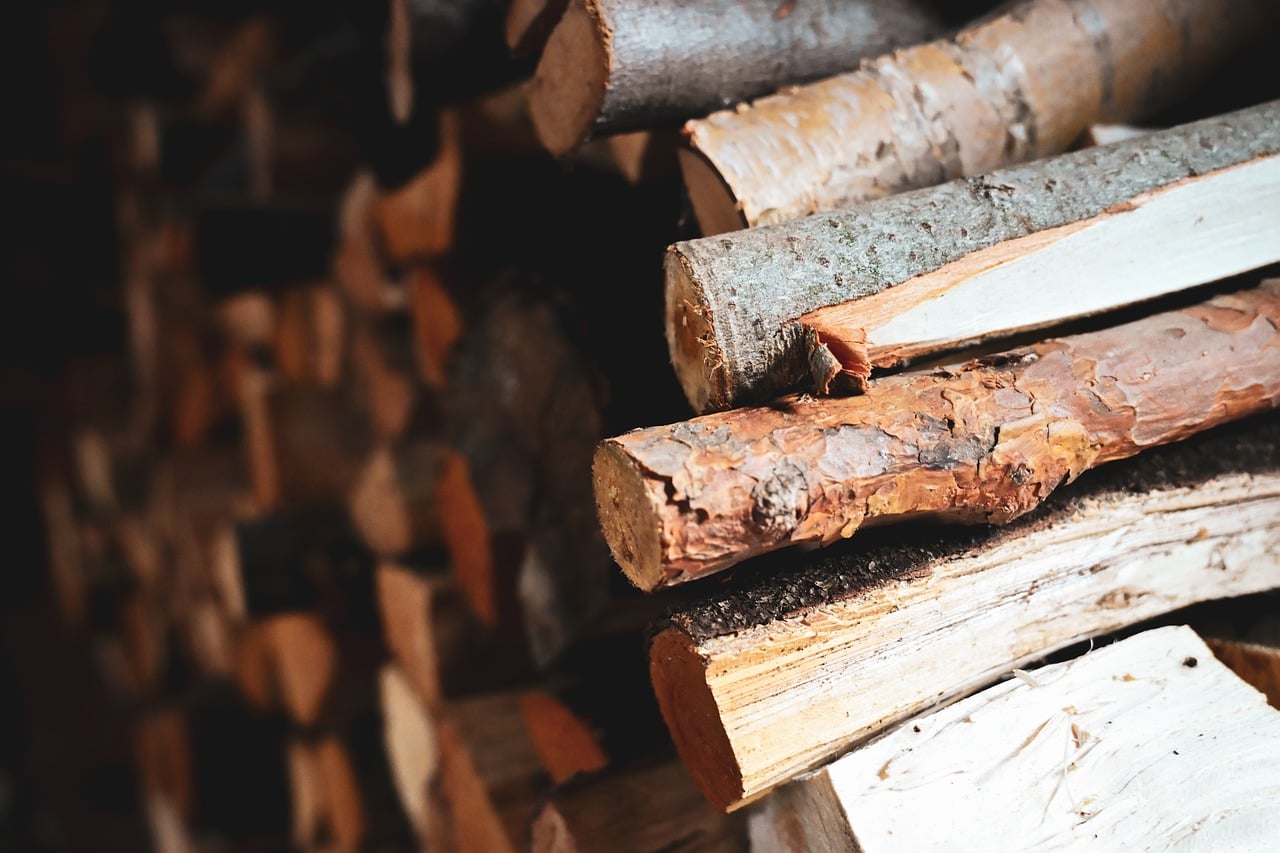
For wood-burning fireplaces, many maintenance problems start with fuel quality. EPA wood-burning guidance recommends dry, seasoned wood and notes that wood burns best at a moisture content below 20 percent. Wet or green wood wastes heat because energy is spent driving off moisture. It also tends to create more smoke, which can contribute to deposits in the flue and unpleasant indoor odors.
A few wood-handling habits make a noticeable difference:
- Season firewood outdoors for several months before use, with airflow around the stack.
- Store wood off the ground and cover the top while leaving the sides open so moisture can escape.
- Use a moisture meter when possible, especially if the seller describes the wood as “seasoned.”
- Burn only clean, dry firewood or approved fuel for the appliance.
- Do not burn trash, glossy paper, painted wood, treated lumber, plywood, household packaging, or plastics.
Airflow matters as much as fuel. Open the damper before lighting a fire and keep it open until the fire is out and the ashes are cool. A closed or partly blocked flue can push smoke and combustion byproducts into the room. If the fireplace smokes even with the damper open, stop using it until the cause is found. Possible causes include cold flue conditions, negative house pressure, a blocked cap, a too-short chimney, improper flue sizing, or creosote accumulation.
Do not overload an open fireplace. Smaller, hotter fires built with dry kindling and seasoned splits are easier to control than large, smoky fires. Keep the screen closed to help contain sparks, and keep rugs, baskets, decorations, furniture, and firewood piles at a safe distance from the opening. NFPA safety materials commonly use a three-foot clearance around heating equipment as a practical rule for combustible items.
Check the parts you can see between professional visits
A homeowner visual check does not replace a chimney inspection, but it can catch obvious problems before they become emergencies. Start with the firebox. Look for loose bricks, crumbling mortar, damaged refractory panels, rust staining, missing fasteners, or unusual white deposits on masonry. Minor cosmetic wear is common, but gaps, cracks, and loose material deserve attention because the firebox is designed to contain high heat.
Next, operate the damper when the fireplace is cold. It should open and close smoothly and seat correctly. A stuck damper can make the fireplace hard to light, while a damper that will not close can waste conditioned air when the fireplace is not in use. If the damper is rusted, bent, loose, or difficult to identify, have it checked before burning.
Look up from the firebox with a flashlight, but do not treat what you can see from below as proof that the flue is safe. Serious defects can be higher in the chimney or hidden behind bends, smoke chambers, liners, and caps. Still, visible flakes, shiny black glaze, heavy soot, falling masonry, bird nesting material, or a strong smoky odor are reasons to stop and call a professional.
On the room side, check the hearth extension, screen, doors, and nearby finishes. Glass doors should not be cracked, warped, or loose. Mesh screens should slide or close properly. A hearth should be free of stored newspapers, kindling, baskets, and seasonal decorations during use. Many fireplace accidents happen not because the fireplace fails internally, but because embers reach something combustible nearby.
Ash handling deserves its own caution. Even when a fire looks out, buried embers can remain hot. Use a metal shovel and place ashes in a metal container with a tight-fitting lid. Keep that container outside, away from the house, deck, garage, wood pile, and trash containers until disposal is safe. Never use a household vacuum for warm ash unless the equipment is specifically designed and rated for that purpose.
Do not treat gas fireplaces as maintenance-free
Gas fireplaces do not create wood creosote, but that does not mean they can be ignored. They still burn fuel, produce combustion gases, rely on proper venting, and include components that can fail or become dirty. Depending on the design, maintenance may include checking the burner, pilot assembly or ignition system, gas log placement, glass gasket, fan, vent termination, safety controls, and flame pattern.
Homeowners can keep the area around a gas fireplace clean and make sure vents are not covered by furniture, snow, leaves, nests, or landscaping. They can also observe the flame. A sudden change in flame color, repeated ignition failure, soot on the glass, unusual odor, condensation, or the appliance shutting off unexpectedly is a reason to stop using it and arrange service. See also: Buying Guides.
Do not rearrange ceramic logs unless the manufacturer’s instructions allow it. Incorrect log placement can alter the flame pattern and lead to soot, overheating, or poor combustion. Also avoid using a gas fireplace if the glass front is cracked, missing, or not properly latched. Many modern gas units are engineered to operate as a sealed system, and the glass is part of that design.
For homes with older vented gas logs installed inside a masonry fireplace, the chimney still needs attention. Debris, deteriorated masonry, animal nesting, or an incorrectly sized flue can affect draft. If a fireplace has been converted from wood to gas, or if a gas insert has been installed into an existing chimney, the venting system should match the appliance requirements.
Warning signs that deserve a professional inspection
Some fireplace problems are visible. Others show up as changes in performance. Do not keep using the fireplace while hoping the issue will clear itself. Schedule a professional inspection if you notice any of the following:
- Smoke entering the room after the fire is established.
- A strong smoky, tar-like, or sour odor when the fireplace is cold.
- Black, shiny, flaky, or puffy deposits in the firebox, smoke chamber, or flue opening.
- Pieces of tile, brick, mortar, or creosote falling into the fireplace.
- White staining, damp patches, rust, or water dripping in or around the fireplace.
- Cracked glass, warped doors, damaged screens, or a stuck damper.
- Birds, animals, nesting material, or leaves in the chimney.
- Unusual flame behavior, repeated pilot outage, or soot on gas fireplace glass.
- Any carbon monoxide alarm activation.
The Consumer Product Safety Commission has warned that fireplaces can cause fires when a chimney is cracked, blocked, or coated with creosote, or when sparks and embers reach flammable materials. That warning is a useful way to think about risk: maintenance should address both the hidden venting path and the visible area around the fireplace.
If a chimney fire is suspected, even a brief one, stop using the system until it is evaluated. Signs can include a loud roaring sound, dense smoke, a hot smell, flames or sparks from the chimney top, cracked flue tiles, warped metal parts, or creosote flakes on the roof or ground. A chimney may look normal from the room after a fire, while damage remains inside the flue.
A practical seasonal checklist
Before the first fire of the season, confirm that the annual inspection is complete, the chimney cap is intact, the damper works, the hearth is clear, and smoke and carbon monoxide alarms are working. Stock only dry, seasoned firewood and keep it stored away from the fireplace opening. Review safe ash disposal and make sure a metal ash container is available before you need it.
During the heating season, watch how the fireplace behaves. A properly operating wood fire should draft upward, produce limited smoke after startup, and leave manageable ash rather than heavy deposits after every use. A gas fireplace should ignite reliably, burn with the expected flame pattern, and operate without soot buildup or odor. Any change is worth investigating early.
After the season, clean the firebox when ashes are fully cool, close the damper if appropriate for your system, and note any repairs to schedule before the next cold-weather rush. Keeping written records of inspections, cleanings, repairs, appliance manuals, and fuel changes is useful for future service appointments and for anyone who owns the home later.
Frequently asked questions
How often should a fireplace be inspected?
Most public fire-safety guidance recommends at least one annual inspection of fireplaces, chimneys, and vents by a qualified professional. More frequent attention may be needed after heavy use, a chimney fire, storm damage, a fuel conversion, or a long period of non-use.
Does every chimney need to be swept every year?
Not necessarily. Annual inspection is the baseline, but sweeping should be done when soot, creosote, glaze, debris, or blockage makes cleaning necessary. A fireplace used often with wet wood may need cleaning sooner than one used occasionally with dry, seasoned wood.
What is the best wood for reducing fireplace maintenance problems?
Use clean, dry, seasoned firewood. The key maintenance factor is moisture content, not just species. Dense hardwoods can burn well, but even good hardwood performs poorly if it is wet. EPA wood-burning materials recommend wood below 20 percent moisture for best results.
Can I clean my fireplace myself?
You can remove cool ashes safely, keep the hearth clear, clean accessible glass according to the appliance instructions, and check visible parts. Chimney sweeping, inspection of the flue, diagnosis of draft problems, gas component service, and repair of liners or masonry should usually be handled by qualified professionals.
Do gas fireplaces need carbon monoxide alarms?
Yes. Any fuel-burning appliance makes carbon monoxide safety important. Install and maintain carbon monoxide alarms according to local code, device instructions, and public safety guidance, especially near sleeping areas and on occupied levels of the home.