Hardware fasteners guide for choosing bolts, screws, nuts and anchors
Start with the joint, not the fastener
Choosing hardware fasteners is not just a question of diameter and length. A sound selection starts with the joint: the materials being joined, the loads the connection must carry, whether it must be removable, and the environment it will face during service. Bolts, screws, nuts, washers, anchors, rivets, pins and clips are designed for different fastening tasks. The right choice balances mechanical strength, corrosion resistance, installation method, thread compatibility, inspection needs and applicable standards. For more articles on related components and specifications, visit our Fasteners category.
This guide is intended for buyers, maintenance teams, builders and hardware distributors who need a practical selection framework. It does not replace engineering calculations for structural, lifting, pressure, vehicle or safety-critical assemblies. It does, however, help identify the information that should be checked before an order is placed.
What hardware fasteners include
In everyday hardware supply, fasteners are mechanical parts used to join, position, clamp or retain materials. The term covers common stocked items such as bolts, screws, nuts and washers, as well as application-specific parts such as anchors, rivets, threaded rods, pins, clips and retaining rings. ISO 1891:2009 is one recognized terminology reference for fasteners, while product standards define dimensions, materials, grades and testing requirements for specific items.
The key distinction is not the name alone, but how the fastener creates holding power. A bolt normally works with a nut or a tapped hole. A screw often forms or engages threads in the material being fastened. An anchor transfers load into concrete, masonry or another base material. A rivet forms a permanent mechanical joint. A washer may spread load, protect a surface or support controlled tightening, but it does not create the joint by itself.
Match the fastener type to the application
Each fastener family has a typical role. The table below gives a practical comparison for general hardware selection. Actual suitability still depends on material, grade, coating, installation method and the design requirements of the assembly.
| Fastener type | Common use | Key selection checks |
|---|---|---|
| Bolts | Removable joints with nuts or tapped holes | Diameter, length, thread pitch, property class or grade, clamp load and head style |
| Screws | Joining wood, sheet metal, plastics or tapped parts | Thread form, drive type, point style, head type, material compatibility and risk of stripping |
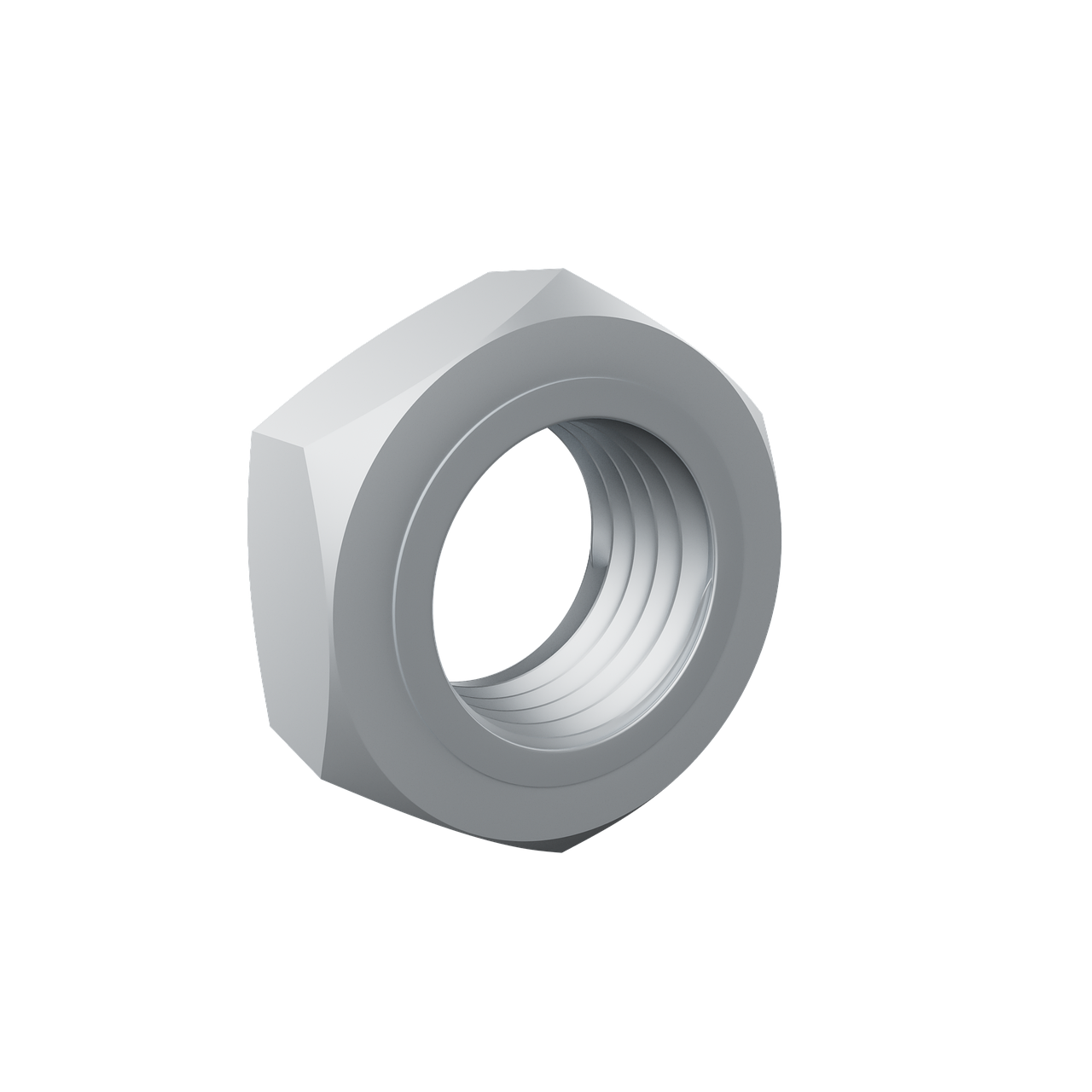
| Nuts | Mating component for bolts and studs | Thread compatibility, strength match, locking feature, finish and installation clearance |
| Washers | Load distribution, surface protection or assembly control | Inside diameter, outside diameter, hardness, thickness and whether a flat or locking style is needed |
| Anchors | Fastening into concrete, masonry or hollow base materials | Base material, edge distance, embedment depth, load direction, hole quality and approval requirements |
| Rivets | Permanent or semi-permanent sheet and panel joints | Grip range, mandrel material, access from one or both sides and corrosion compatibility |
| Pins and clips | Positioning, retention, hinges and quick assembly | Shear load, fit, vibration exposure, removability and material hardness |
A common purchasing error is treating these categories as interchangeable. A sheet metal screw, for example, may look similar to a machine screw, but its thread geometry and intended mating material are different. A washer may appear simple, yet a soft washer used under a high-strength bolt can deform under load and reduce joint reliability.
Performance factors that change the right choice
Load direction and joint movement
Fasteners may be exposed to tension, shear, bending, vibration or a combination of these forces. A joint used for static indoor shelving has different requirements from one used on a machine guard, trailer component or structural steel connection. In bolted joints, the clamp force generated during tightening is often more important than the visible size of the bolt. If tightening is too low, the joint may loosen. If tightening is too high, threads may strip or the fastener may be overstressed.
Vibration adds another selection factor. Assemblies near motors, pumps, vehicles and production equipment may need locking nuts, prevailing torque nuts, thread-locking compounds, serrated features or other engineered locking methods. The locking method should be compatible with temperature, maintenance access and whether the joint will be removed later.
Material compatibility
Carbon steel, alloy steel, stainless steel, brass, aluminum and nylon fasteners behave differently in service. Steel fasteners are widely used because they provide strength at a reasonable cost, but they may need a protective finish in humid or outdoor environments. Stainless steel improves corrosion resistance in many service conditions, but it is not automatically stronger than alloy steel and can be vulnerable to galling if installed without proper lubrication or care.
When different metals contact each other in the presence of an electrolyte such as moisture, galvanic corrosion can occur. For that reason, the fastener material should be considered together with the base material, coating system and service environment. A stainless fastener in aluminum, a zinc-coated fastener in treated timber or a plated steel fastener in a coastal environment may require additional review rather than a simple catalog substitution.
Corrosion protection and coatings
Coating choice affects both durability and assembly behavior. Zinc plating is common for general indoor and light-duty corrosion protection. Hot-dip galvanizing is often used for heavier outdoor exposure, although coating thickness can affect thread fit and may require matching nuts. Zinc flake coatings are used where higher corrosion performance and controlled assembly characteristics are needed. Stainless steel may be preferred where corrosion resistance must come from the base material rather than a sacrificial coating.
Recognized standards describe coating systems more precisely. ISO 4042:2022 covers electroplated coating systems for fasteners and includes provisions related to reducing hydrogen embrittlement risk. ISO 10683:2018 covers non-electrolytically applied zinc flake coating systems for steel fasteners. These standards are useful because vague terms such as “silver zinc” or “anti-rust finish” do not provide enough information for technical purchasing.
Standards, grades and documentation matter
Standards are the language that connects design, manufacturing, purchasing and inspection. Without a standard or clear specification, two fasteners with the same visible size may have different strength, material, finish, thread tolerance and test requirements.
For metric carbon steel and alloy steel bolts, screws and studs, ISO 898-1:2013 is a widely referenced standard for mechanical and physical properties. For stainless steel bolts, screws and studs, ISO 3506-1:2020 addresses grades and property classes for corrosion-resistant stainless steel fasteners. For high-strength structural bolting in steel construction, ASTM F3125/F3125M-22 covers heat-treated steel and alloy steel structural bolts and assemblies in inch and metric dimensions.
Industry references also matter. The Industrial Fasteners Institute compiles commonly used inch and non-ISO metric fastener standards from organizations such as ASTM, ASME, SAE and IFI. For buyers, this means a purchase description should be more specific than “hex bolt” or “stainless screw.” It should identify the dimensional standard, material or property class, coating, thread details and any required inspection documents. See also: Buying Guides.
What to include in a purchase specification
- Fastener type, such as hex bolt, socket head cap screw, wedge anchor or blind rivet.
- Nominal diameter, length and thread pitch.
- Material, grade or property class.
- Applicable dimensional or mechanical standard.
- Coating or finish, including any required corrosion performance.
- Head style, drive style and point style where relevant.
- Nut and washer requirements if the fastener is part of an assembly.
- Documentation needs, such as certificates, test reports or traceability records.
In the United States, the Fastener Quality Act was created to address concerns about mismarked, misrepresented and nonconforming fasteners in certain applications. NIST materials describe the Act as focused on ensuring that covered fasteners conform to the specifications to which they are represented and on laboratory accreditation for fastener testing. For routine hardware purchases, the practical lesson is clear: marking, documentation and traceability are not just paperwork; they help reduce the risk of using the wrong component.
Common selection mistakes to avoid
The first mistake is choosing only by size. Diameter and length are necessary, but they do not define strength, thread class, material, finish or fit. A low-strength bolt and a high-strength bolt can share the same dimensions while performing very differently.
The second mistake is ignoring the nut and washer. A bolt assembly performs as a system. If a high-strength bolt is paired with an unsuitable nut, soft washer or incompatible coating, the joint may not achieve the expected clamp force or durability.
The third mistake is treating stainless steel as a universal upgrade. Stainless fasteners are valuable in many corrosive environments, but the correct stainless grade, property class and anti-galling practice still matter. In some high-load applications, alloy steel with an appropriate coating may be more suitable than stainless steel.
The fourth mistake is assuming that all coatings behave the same during tightening. Coatings and lubricants change friction. Because torque is only an indirect way to estimate clamp load, changes in finish can change the final joint condition. Safety-critical assemblies should follow the torque, tension or installation method specified by the designer or relevant standard.
The fifth mistake is replacing a specified fastener with a visually similar item. Substitution may be acceptable for low-risk utility use, but it can be unsafe in structural, mechanical, vehicle, lifting, pressure or electrical installations. When a drawing or maintenance manual names a grade or standard, the replacement should match it unless a qualified person approves the change.
A practical workflow for choosing hardware fasteners
- Define the joint. Identify the materials being joined, thicknesses, hole conditions and whether the joint must be removable.
- Identify the loads. Consider tension, shear, vibration, impact, temperature and expected service life.
- Select the fastener family. Decide whether the application calls for a bolt and nut, screw, anchor, rivet, pin or another retaining component.
- Set the strength requirement. Choose the grade or property class based on the design requirement, not appearance.
- Choose the material and finish. Match corrosion protection to indoor, outdoor, chemical, marine or high-temperature exposure.
- Check dimensional fit. Confirm diameter, pitch, length, head clearance, drive access and washer or nut compatibility.
- Review installation method. Determine whether torque control, tensioning, pre-drilling, hole cleaning or special tools are required.
- Confirm documentation. For critical or regulated use, request the correct certificate, test report, lot traceability or compliance statement.
This workflow gives purchasing teams a more reliable starting point than a catalog photo. It also makes supplier communication easier by turning a broad request into a technical description that can be checked.
Frequently asked questions
What are the most common hardware fasteners?
The most common hardware fasteners include bolts, screws, nuts, washers, anchors, rivets, threaded rods, pins and clips. The best choice depends on the joint material, load, removability and environment.
Are bolts stronger than screws?
Not always. Strength depends on material, diameter, thread design, grade or property class, installation and joint design. Many bolts are used in high-load joints, but some screws are engineered for demanding applications as well.
When should stainless steel fasteners be used?
Stainless steel fasteners are often selected where corrosion resistance is important, such as outdoor, washdown or humid environments. The grade and property class still need to match the application, and installers should consider galling prevention.
Why do fastener standards matter?
Standards define measurable requirements such as dimensions, mechanical properties, coatings, testing and markings. They reduce ambiguity and help ensure that the fastener delivered matches the fastener specified.
Can coated fasteners replace stainless steel fasteners?
Sometimes, but not automatically. Coated steel and stainless steel protect against corrosion in different ways. The right choice depends on exposure conditions, required strength, expected service life, cost and whether coating damage is likely during installation or use.