Hillman fasteners explained for hardware buyers and project planners
What Hillman fasteners cover
Hillman fasteners are not a single item. They are a broad, retail-oriented fastener program used by hardware stores, home centers and project buyers for common fastening needs, from small machine screws to wall anchors and construction screws. For buyers, the key question is not simply whether an item carries the Hillman name. It is whether that item matches the material, load, exposure, thread, coating and installation method required for the job. The brand can make aisle navigation easier, but the final selection still depends on the specification printed on the package or listed by the retailer.
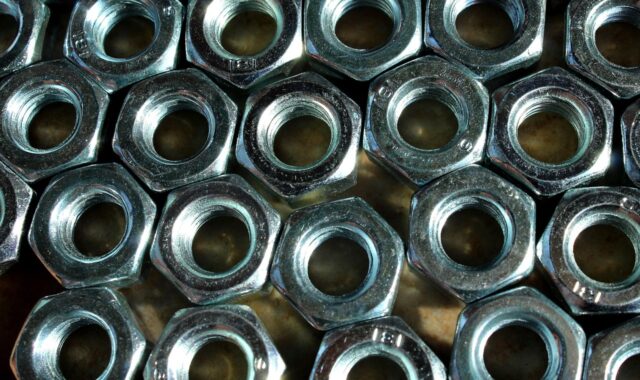
Hillman Solutions’ fiscal 2025 Form 10-K, filed on February 17, 2026 for the fiscal year ended December 27, 2025, describes the company’s fastener business in three main groups: core fasteners, construction fasteners and anchors. Core fasteners include nuts, bolts, screws, washers and specialty items. Construction fasteners include deck, drywall and metal screws, along with nails. Anchors include products such as plastic anchors, toggle bolts, concrete screws and wedge anchors.
For broader background on fastener types, materials and application differences, see our fasteners category.
Why Hillman is common in the retail hardware aisle
Hillman is closely tied to the retail hardware channel. The company’s public materials state that it was founded in Cincinnati in 1964 and serves hardware stores, home centers, mass merchants and other retail outlets across North America. Its business model is not limited to selling individual boxes of screws. It also includes in-store merchandising, drawer systems, labeling, restocking support and product organization designed to help retailers manage thousands of small parts.
This matters because fasteners are difficult inventory items. A store may need many diameters, lengths, head styles, thread types, materials and coatings, while each individual SKU may move in small quantities. A retail program such as Hillman’s aims to make that complexity manageable through packaging, drawer assortments, color-coded signage and recurring replenishment. For shoppers and purchasing teams, Hillman products may appear in hanging packages, small-bin formats or kits, depending on the retailer and item.
Large retailer pages usually show the breadth of the assortment rather than a fixed universal catalog. Home improvement retail pages list Hillman products across screws, bolts, nuts, washers, pins, clips, anchors and kits. Counts and availability vary by location, fulfillment method and date, so retail listings should be treated as a sourcing snapshot rather than a permanent product count.
Main Hillman fastener groups buyers should recognize
The quickest way to avoid a wrong purchase is to group the product by use before comparing price. Hillman’s own filing separates its fastener offering into core fasteners, construction fasteners and anchors. That structure is useful because each group carries different selection risks.
| Group | Common examples | Key buying question |
|---|---|---|
| Core fasteners | Bolts, nuts, screws, washers, specialty hardware | Does the diameter, thread, length, material and grade match the mating part or assembly? |
| Construction fasteners | Deck screws, drywall screws, metal screws, hand-driven nails, collated nails | Is the fastener suitable for the base material, exposure condition and installation tool? |
| Anchors | Plastic anchors, toggle bolts, concrete screws, wedge anchors | Is the anchor rated or otherwise suitable for the wall or concrete condition and expected load? |
Hillman also sells fasteners under several related brand names, including Hillman, Fas-n-Tite, Deck-Plus and Power Pro, according to the company’s public filing. Those names can help identify product families, but they should not replace a technical check. A deck screw, for example, is not automatically correct for every exterior wood connection. A concrete screw and a wedge anchor also solve different problems, even though both may appear in the anchor section.
How to choose the right Hillman fastener
Start with the joint, not the package. A fastener is correct only when it matches the materials being joined, the load direction, the environment and the installation process. For routine maintenance and light-duty repairs, the package description may be enough. For structural, safety-critical or code-regulated work, the fastener must match the specification required by the drawing, engineer, code or manufacturer’s installation instructions.
- Confirm the material being fastened. Wood, drywall, sheet metal, masonry, concrete and plastic all require different thread forms or anchoring methods.
- Match diameter and thread. For machine screws, nuts and bolts, thread size must match exactly. A 1/4-20 part is not interchangeable with a metric fastener or a fine-thread part.
- Check length and engagement. Too short can reduce holding power. Too long can interfere with hidden surfaces, wiring, moving parts or appearance.
- Choose the head and drive style intentionally. Phillips, slotted, hex, star and socket styles differ in tool compatibility, torque transfer and tamper resistance.
- Verify coating and corrosion exposure. Zinc-plated, galvanized, stainless steel and coated construction screws behave differently outdoors, in treated lumber or near moisture.
- Look for load information where relevant. Anchors and specialty fasteners may list working load or installation guidance. If the package does not provide enough data for the application, do not assume suitability.
For hardware buyers building a shelf set or maintenance inventory, the practical approach is to stock common diameters and lengths while keeping project-specific items separate. Mixing visually similar fasteners can create problems later, especially when zinc, stainless steel, galvanized and coated parts are stored in the same bins.
Standards and limitations to check before use
Fastener standards exist because small dimensional or material differences can change performance. ASTM’s fastener standards listing explains that standards are used to specify, test and evaluate material, dimensional, mechanical and metallurgical properties for fasteners such as rivets, nuts, bolts, studs, screws, washers, eyebolts, nails and threaded fasteners. The same listing includes standards for steel bolts, nuts, rivets and washers, including current and withdrawn specifications.
That does not mean every retail fastener is built for engineered service. Many Hillman items are general-purpose hardware products intended for repair, assembly, installation or household and light construction work. If a project calls for a defined ASTM, ASME, SAE, ICC-ES or code-listed fastener, the exact marking and documentation should be verified before purchase. Brand recognition alone is not a substitute for a standard, grade marking, evaluation report or engineering requirement. See also: Buying Guides.
Structural bolts are a clear example. ASTM currently lists F3125/F3125M as a specification for high-strength structural bolts and assemblies. A shopper should not substitute an ordinary hex bolt for a structural bolt just because the size appears similar. Likewise, anchor selection for cracked concrete, seismic conditions, overhead use or life-safety applications should follow the approved anchor data and installation instructions, not a general retail description.
Retail sourcing and merchandising considerations
Hillman’s value to retailers is partly logistical. The company’s official about information describes distribution centers, a large product portfolio and shipments to tens of thousands of locations. Its customer portal materials also refer to a product catalog with more than 55,000 items, order processing features, inventory visibility and multiple ordering options. Public pages can show different SKU counts because they refer to different catalogs, channels or reporting contexts; buyers should confirm current availability with the selling channel before planning a replenishment program.
For stores and professional buyers, the main sourcing question is whether the fastener program supports repeatability. A one-time purchase may only require the correct package. A maintenance department, hardware store or installer needs the ability to reorder the same item, identify equivalent items and prevent substitutions that change material or performance. Part numbers, barcodes, drawer labels and documented specifications are more reliable than memory or visual comparison.
| Buyer need | What to verify | Why it matters |
|---|---|---|
| Store replenishment | Part number, package count, bin label and supplier availability | Prevents empty drawers and mismatched refills |
| Repair inventory | Common sizes, thread series, material and coating | Reduces downtime and avoids mixed hardware |
| Jobsite use | Installation tool, base material, corrosion exposure and approvals | Improves consistency and reduces rework |
| Code-sensitive work | Required standard, grade, report or engineer’s specification | Helps avoid unsafe or noncompliant substitutions |
What to compare against alternative fastener brands
When comparing Hillman fasteners with alternatives, focus on specifications rather than brand preference. Equivalent fasteners should match diameter, length, thread, head style, drive style, material, coating, strength grade and packaging quantity. If one product lists a recognized standard or load value and the other does not, treat them as different until the missing information is confirmed.
Price comparisons can also be misleading. A small retail pack may cost more per piece than a contractor box but may reduce waste for a single repair. Bulk packaging may be better for repeat jobs, but only if storage conditions prevent corrosion and the purchaser can keep sizes separated. For anchors and specialty fasteners, the lowest upfront price is rarely the best measure; installation reliability and documentation are more important.
Frequently asked questions
Are Hillman fasteners only for DIY projects?
No. Hillman products are common in retail channels used by homeowners, maintenance teams and professional buyers. However, the application determines suitability. General hardware can be appropriate for many repairs, while engineered or code-regulated work requires the exact specified fastener.
Are Hillman bolts and screws interchangeable with other brands?
They may be interchangeable only when all relevant specifications match. Size alone is not enough. Thread, length, head style, grade, material, coating and intended use must also match before substitution.
Can Hillman anchors be used in concrete or masonry?
Hillman’s anchor range includes items such as concrete screws and wedge anchors, but anchor selection depends on base material, load, edge distance, embedment, installation method and any approval requirements. For safety-critical work, use the documented anchor data required by the project.
What is the main takeaway for buyers?
Hillman fasteners are useful because they make a wide range of small hardware items accessible through retail channels. The safe buying rule is straightforward: choose by verified specification and application, not by appearance or brand name alone.