How to choose metal fasteners for strength, corrosion, and assembly reliability
Selection starts with load, environment, and assembly method
Metal fasteners are small components, but they influence safety, service life, and maintenance cost. Selection is rarely a material-only decision. A zinc-plated screw, a stainless steel bolt, and a heat-treated structural bolt may all appear suitable at first glance, yet they behave differently under preload, vibration, moisture, temperature, and dissimilar-metal contact. A practical selection process starts with three questions: what load must the joint carry, what environment will attack the fastener, and how will the joint be assembled and inspected?
This article focuses on common industrial and construction uses of metal fasteners, including bolts, screws, nuts, washers, studs, anchors, and threaded components. For related hardware topics, visit the Fasteners category.
What counts as a metal fastener?
A metal fastener is any metallic component used to mechanically join, clamp, locate, or secure parts. The category includes externally threaded parts such as bolts, screws, studs, and anchors; internally threaded parts such as nuts and threaded inserts; and load-distributing or locking accessories such as washers, pins, clips, and rivets.
In everyday purchasing, a fastener is often treated as a size-and-price item. In engineering use, it is part of a joint system. A bolt performs as intended only when the mating nut, washer, tapped hole, coating, lubrication condition, installation torque, and connected materials are compatible. Many fastener failures are not caused by the wrong diameter alone, but by a mismatch between strength, corrosion protection, assembly practice, and service environment.
For clarity, it helps to group metal fasteners by function:
- Clamp-load fasteners: bolts, cap screws, studs, and nuts designed to create preload in a joint.
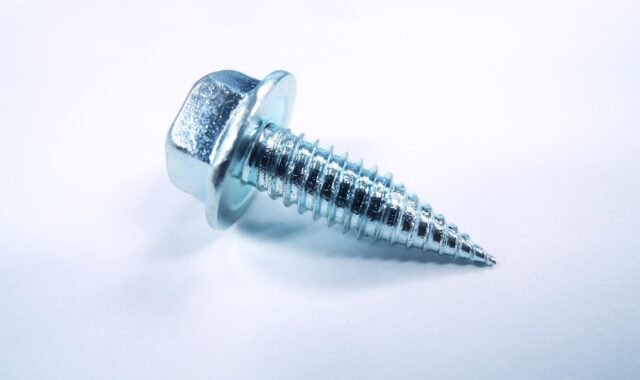
- Material-forming fasteners: self-tapping screws, thread-forming screws, and sheet-metal screws that create or shape their mating thread.
- Permanent or semi-permanent fasteners: rivets, clinch fasteners, and some pins used where later disassembly is not expected.
- Structural fasteners: high-strength assemblies used in steel construction and other load-bearing joints, where installation and inspection requirements are part of the specification.
Match material and property class to the load path
The material family sets the basic balance between strength, corrosion resistance, manufacturability, magnetic behavior, and cost. The property class or grade then narrows that choice into a measurable performance range. ISO 898-1:2013 covers mechanical and physical properties for carbon steel and alloy steel bolts, screws, and studs with ISO metric threads. ISO 3506-1:2020 covers corrosion-resistant stainless steel bolts, screws, and studs with specified grades and property classes. For high-strength structural bolting, ASTM F3125/F3125M-22 covers steel and alloy steel structural bolt assemblies with 120 ksi and 150 ksi inch-series minimum tensile strength classes and 830 MPa and 1040 MPa metric classes.
Those standards underline a basic specification issue: steel is not a complete description. A low-carbon machine screw, a class 10.9 socket head cap screw, an A2-70 stainless steel screw, and a structural bolt are all steel-based fasteners, but they are not substitutes for one another.
| Fastener material family | Typical use fit | Main caution | Common reference framework |
|---|---|---|---|
| Carbon steel | General machinery, brackets, indoor equipment, non-marine assemblies | Needs coating or controlled environment to resist corrosion | ISO 898-1 and comparable inch-series grade standards |
| Alloy steel | Higher-strength screws, socket products, critical clamp-load joints | Strength and coating processes must be managed to reduce embrittlement risk | ISO 898-1, ASTM, SAE, or project-specific requirements |
| Stainless steel | Outdoor, washdown, food-adjacent, architectural, and moderate corrosive environments | Not automatically stronger than carbon or alloy steel; galling and chloride exposure need attention | ISO 3506 series |
| Brass, bronze, aluminum, and nonferrous alloys | Electrical, marine, decorative, lightweight, or non-sparking applications | Lower strength may limit use in structural or high-preload joints | Application standards and material specifications |
For load-bearing joints, select from a recognized grade or property class rather than a generic description. Stainless bolt is incomplete. A4-80 stainless steel bolt to ISO 3506 is more useful because it identifies both the corrosion-resistant grade family and the mechanical class. Similarly, high-strength bolt should be tied to the governing project standard, not used as a loose marketing description.
Corrosion resistance is a system property, not a finish color
Fastener corrosion is often treated as an appearance issue, but the consequences are mechanical and operational. Corrosion can reduce cross-section, lower fatigue life, lock threads, stain surrounding materials, or make future maintenance difficult. A shiny plated fastener is not automatically suitable outdoors, and a stainless steel fastener is not immune to every chemical or chloride-rich environment.
Coatings and materials should be evaluated together. ASTM F1941/F1941M-16(2025) covers electrodeposited coatings on threaded mechanical fasteners and includes precautions related to hydrogen embrittlement for high-strength and surface-hardened fasteners. ASTM F2329/F2329M-15(2023) covers hot-dip zinc coating requirements for carbon and alloy steel bolts, screws, washers, nuts, and special threaded fasteners. ISO 4042:2022 covers electroplated coating systems for fasteners and includes requirements and recommendations intended to minimize hydrogen embrittlement risk.
In practical sourcing and design work, three decisions matter most:
- Base metal: carbon steel, alloy steel, stainless steel, or nonferrous alloy.
- Protection method: electroplating, hot-dip galvanizing, zinc-flake coating, passivation, or another specified system.
- Exposure class: indoor dry service, outdoor humidity, marine air, de-icing salts, industrial chemicals, high temperature, or submerged service.
Dissimilar-metal contact also matters. When two metals are electrically connected in the presence of an electrolyte such as water, salt spray, or condensation, galvanic corrosion can accelerate attack on the less noble material. The fastener is often small compared with the connected parts, so the area ratio can intensify or reduce risk depending on which material becomes the anode. Stainless fasteners in aluminum, zinc-coated fasteners in steel, and carbon steel washers under stainless bolts should therefore be reviewed as complete assemblies rather than isolated parts.
For stainless steel, ISO 3506-1:2020 makes clear that fastener selection depends on more than the marking on the head. Temperature range, duration of exposure, the corrosive service environment, and the clamped materials can all affect suitability. In chloride-rich locations such as coastal structures, pools, road-salt areas, and chemical processing sites, a higher-alloy stainless grade or a different protection strategy may be needed.
Thread, head, washer, and lubrication choices affect performance
Once material and corrosion protection are selected, the fastener geometry must match the joint. Thread pitch, engagement length, head style, bearing area, washer hardness, and drive type all influence assembly reliability.
Thread engagement is especially important in tapped holes. A strong bolt used with weak internal threads can strip the parent material before the bolt reaches useful preload. A coarse thread may be better for softer materials and field assembly. A fine thread can provide more adjustment and a different tensile-stress area, but it may be more sensitive to dirt, damage, and cross-threading. The right choice depends on the base material, depth of engagement, installation method, and service vibration.
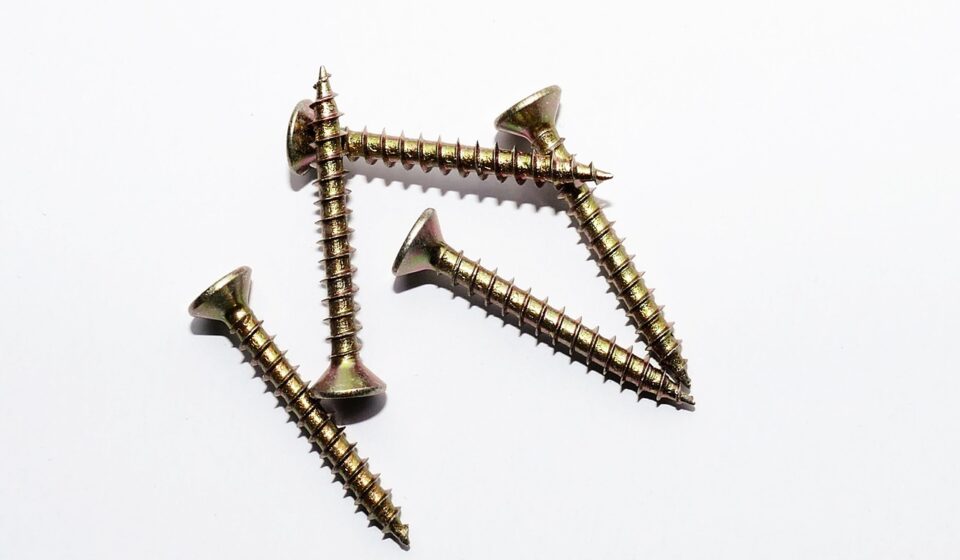
Head style is not just an appearance choice. Hex bolts provide wrench access and are common in structural and general industrial work. Socket head cap screws provide high strength in compact spaces, but the smaller bearing area or counterbore design may require attention. Countersunk screws sit flush, but the head geometry changes load transfer and may not be suitable for every shear or fatigue situation. Washers can distribute load, protect surfaces, bridge slots, and support tightening, but they must be compatible in hardness, coating, and diameter. See also: Buying Guides.
Lubrication and coating friction can change installed preload for the same torque. A dry plain steel bolt, a zinc-plated bolt, a hot-dip galvanized bolt with a lubricated nut, and a stainless steel fastener with anti-seize can all produce different clamp loads under the same torque setting. For this reason, critical joints should use project-approved tightening procedures rather than generic torque charts copied from unrelated applications.
Stainless steel fasteners need particular care with galling. Galling is adhesive wear that can occur when sliding metal surfaces seize under pressure, especially when stainless threads are tightened quickly or without suitable lubrication. Using compatible nuts, controlling installation speed, applying appropriate lubricant, and avoiding damaged threads can reduce the risk.
Use standards and documentation to reduce procurement risk
Standards do not replace engineering judgment, but they make specifications clearer and purchasing less ambiguous. A good fastener specification should identify size, thread, material, property class or grade, coating, dimensional standard, testing requirements, and documentation. For structural steel joints, the Research Council on Structural Connections lists a 2025 Specification for Structural Joints Using High-Strength Bolts dated June 5, 2025. That type of document is important because structural bolting depends not only on bolt grade, but also on joint type, installation, pretensioning, inspection, and approved assemblies.
For non-structural industrial purchases, documentation may still matter. Certificates of conformance, material test reports, coating thickness records, lot traceability, and RoHS or REACH declarations may be required depending on industry and destination market. Even when documentation is not legally required, it helps distinguish controlled fastener supply from visually similar hardware of unknown origin.
Before placing an order, confirm the current edition of the applicable standard. Standards are revised, withdrawn, or replaced over time. For example, ASTM’s fastener standards list includes newer coating documents and withdrawn coating specifications, while ISO and ASTM standards may have amendments or reaffirmations. An outdated drawing callout can create confusion even when the physical product is otherwise acceptable.
A practical selection checklist
The following checklist can help engineers, buyers, maintenance teams, and content researchers organize fastener decisions before sourcing:
- Define the joint function. Is the fastener carrying tension, shear, clamp load, alignment, vibration restraint, or only light positioning?
- Identify the connected materials. Include base metal, coating, paint, insulation, inserts, and any dissimilar-metal contact.
- Determine the environment. Note indoor or outdoor service, moisture, salt, chemicals, temperature, cleaning agents, and expected maintenance interval.
- Select material and grade. Use a recognized standard designation instead of a generic term such as steel or stainless.
- Choose coating or finish. Match corrosion protection to exposure and confirm whether the coating affects thread fit, torque, hydrogen embrittlement risk, or assembly friction.
- Confirm dimensions and mating parts. Check thread pitch, engagement length, nut grade, washer type, hole size, edge distance, and wrench access.
- Specify installation method. Critical joints need defined torque, tension, turn-of-nut, direct tension indication, or another approved method.
- Request documentation where needed. Lot traceability, certificates, test reports, and coating records can be essential for regulated or safety-related assemblies.
The central lesson is straightforward: choose the fastener as part of the joint. A more expensive material can still be the wrong choice if it creates galvanic corrosion, galls during installation, lacks the required strength class, or conflicts with the governing standard.
Frequently asked questions
Are stainless steel fasteners always better than zinc-plated steel?
No. Stainless steel usually offers better general corrosion resistance than plain carbon steel, but it is not automatically stronger, cheaper, or suitable for every environment. Zinc-plated or galvanized steel may be more appropriate for some carbon steel assemblies, while stainless may be preferred where staining, washdown, or long-term appearance is important. Chlorides, galvanic compatibility, temperature, and required strength class should guide the decision.
What does A2-70 mean on a stainless steel fastener?
A2 identifies an austenitic stainless steel grade family commonly used for general corrosion resistance. The 70 indicates a property class commonly associated with 700 MPa minimum tensile strength under ISO 3506-based terminology. It should not be treated as a direct substitute for a high-strength alloy steel bolt unless the joint design allows it.
When should hot-dip galvanized fasteners be considered?
Hot-dip galvanized fasteners are often considered for outdoor steel assemblies where thicker zinc protection is desired. They must be specified with compatible nuts, washers, thread allowances, and coating standards because the coating thickness can affect fit and assembly behavior.
Why can the same torque create different clamp loads?
Torque is influenced by friction under the head and in the threads. Coating, lubrication, surface condition, plating, thread damage, and washer choice can all change the relationship between torque and preload. Critical joints should follow a defined installation specification rather than relying only on a generic torque value.
What information should be included when ordering metal fasteners?
A complete order should include fastener type, size, thread, length, material, property class or grade, coating, dimensional standard, quantity, packaging needs, and required documentation. For safety-related or structural applications, the governing project standard and inspection requirements should also be stated.