How to choose wood fasteners for structural and exterior applications
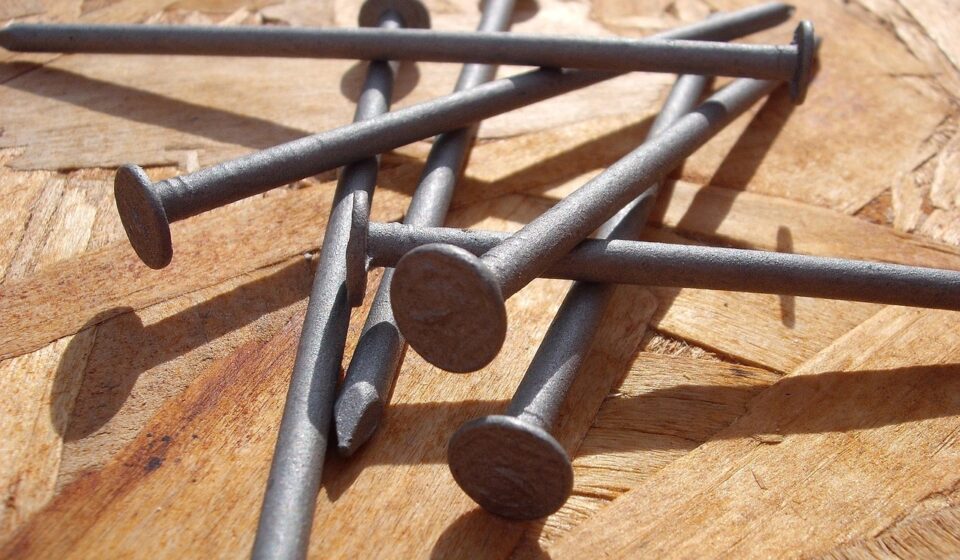
Wood fasteners should be selected by connection function, exposure, and code context—not by length alone. For dry interior joinery, ordinary wood screws or bright nails may be sufficient. For framing, decks, treated lumber, engineered timber, and exterior work, the requirements change. The fastener may need to resist withdrawal, lateral shear, head pull-through, corrosion, and damage during installation.
In the field, nails remain common for many prescriptive framing and sheathing schedules. Structural screws, lag screws, bolts, and specialty connectors are used where higher capacity, specific approvals, or engineered load paths are required. This guide explains how to compare wood fasteners for practical applications, especially where treated wood, moisture, and structural performance affect the selection.
Start with the connection, not the fastener
A fastener is only one part of a wood connection. Wood species, member thickness, grain direction, moisture condition, end distance, edge distance, spacing, and installation method can all affect performance. A screw that works well for trim may be unsuitable for a deck ledger, beam splice, post base, or joist hanger.
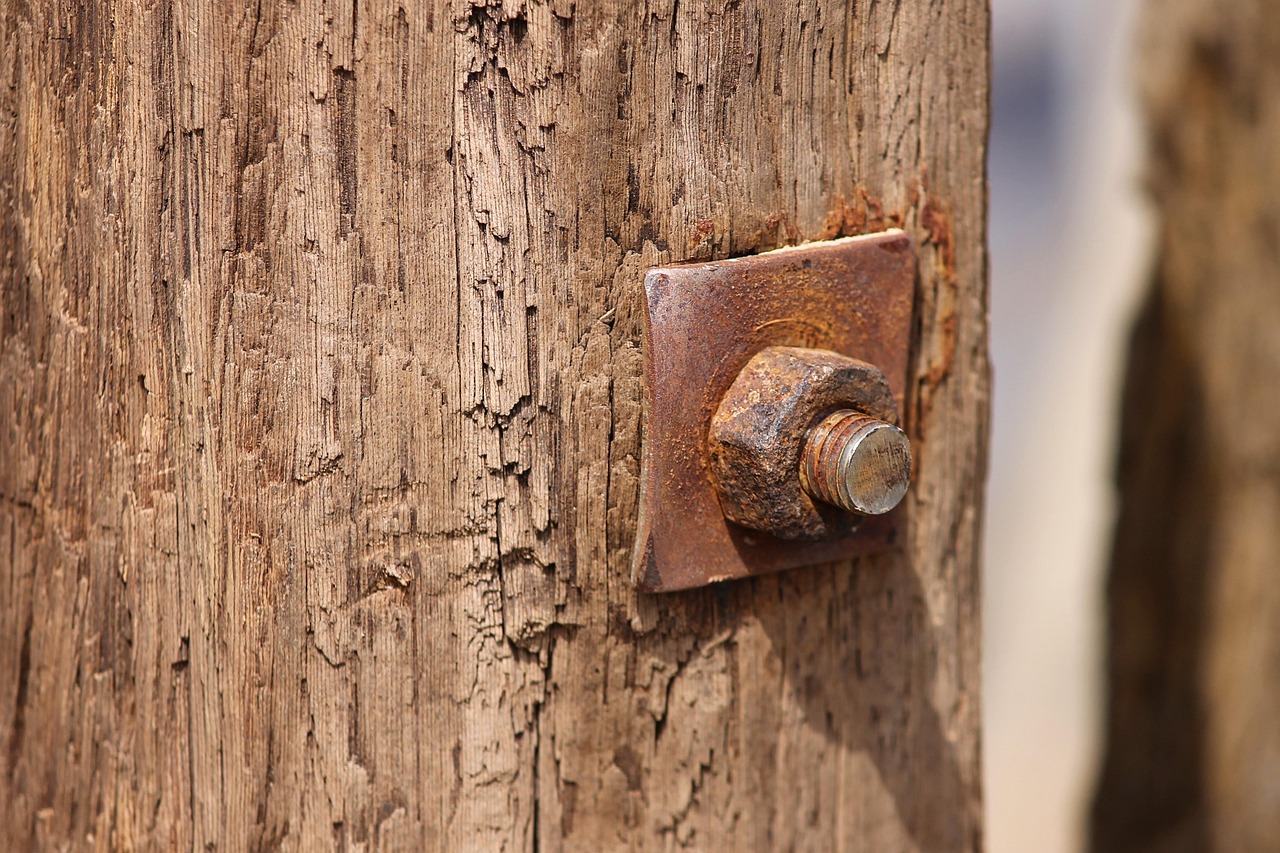
For structural work, start with the load path. A connection may need to resist withdrawal, lateral loading, uplift, rotation, or a combination of forces. A deck board screw mainly holds boards down and helps control seasonal movement. A structural screw in a wood-to-wood connection may need documented withdrawal and lateral design values. A bolt through heavy timber can transfer significant lateral load, but only when washer use, hole size, spacing, and edge distance are correct.
Wood condition is just as important as fastener style. Dense lumber may require predrilling to reduce splitting or head breakage. End-grain fastening is generally less reliable than side-grain fastening. Wet service conditions can shorten service life and increase corrosion risk. Preservative-treated wood also raises chemical compatibility questions that usually do not apply to untreated interior lumber.
Main types of wood fasteners and typical applications
The term wood fasteners covers several product families. They may look similar on a shelf, but they are designed for different installation methods, materials, and load assumptions.
| Fastener type | Typical use | Key selection issue |
|---|---|---|
| Nails | Framing, sheathing, siding, blocking, and many code-prescriptive assemblies | Diameter, length, shank type, head size, coating, and compliance with the applicable fastening schedule |
| Wood screws | Cabinetry, trim, light-duty wood-to-wood fastening, and general assembly | Thread engagement, pilot hole needs, head style, and whether the screw is rated for structural use |
| Structural screws | Deck ledgers, beams, rafters, engineered wood connections, and heavy-duty wood-to-wood fastening when approved | Manufacturer evaluation data, allowable loads, installation angle, corrosion protection, and approved use conditions |
| Lag screws | Heavy timber, ledgers, posts, and older structural details | Predrilling, embedment depth, washer use, spacing, and design values |
| Bolts and threaded rods | Through-connections, heavy timber, steel-to-wood plates, and repair work | Hole tolerance, washers, bearing, tightening method, and member crushing |
| Staples | Sheathing, underlayment, fencing, packaging, and some panel applications | Crown width, leg length, coating, and whether staples are allowed by the applicable specification |
Nails are efficient because they install quickly and can be ductile in many framing applications. Ring-shank and screw-shank nails can improve withdrawal resistance compared with smooth shank nails, depending on the assembly. Screws provide strong clamping and are easier to remove, but ordinary brittle screws should not be substituted for nails in structural schedules unless the code, design professional, or manufacturer data allows it.
Structural screws are a separate category from general-purpose wood screws. They are usually sold with published load information and installation requirements. Many are evaluated for specific wood-to-wood or steel-to-wood applications, but approval is not universal. The permitted use depends on the exact product, length, diameter, coating, wood member, and connection geometry.
Codes and standards that shape wood fastener selection
In the United States, wood fastener selection is influenced by model building codes, material standards, and engineering design references. The American Wood Council’s 2024 National Design Specification for Wood Construction was approved as an ANSI standard on October 16, 2023, and remains a central reference for engineered wood connections. It includes design provisions for dowel-type fasteners such as nails, screws, lag screws, bolts, and related connection details.
For driven fasteners, ASTM F1667 is an important specification because it covers nails, spikes, staples, and other driven fasteners installed by hand tools, power tools, or mechanical devices. It addresses classification, dimensions, materials, mechanical properties, and protective coatings. In practice, a code-compliant nail is not defined only by the word “nail” on a package; shank diameter, head diameter, length, and coating can all matter.
Preservative-treated wood adds another layer of review. The American Wood Protection Association Use Category System classifies treated wood by service exposure and biodeterioration hazard. AWPA use categories help specifiers match treated wood to conditions such as above-ground exterior use, ground contact, or more severe exposure. Once the wood treatment and exposure are known, the fastener coating or base metal must be checked for compatibility.
Model code language also affects selection. For example, the 2021 International Residential Code states that fasteners, including nuts and washers, in contact with preservative-treated wood must generally be hot-dipped zinc-coated galvanized steel, stainless steel, silicon bronze, or copper, with listed exceptions. Local adoption varies, so the enforceable requirement is the code adopted by the project jurisdiction, not simply the newest model code.
For proprietary structural screws, an ICC-ES evaluation report or similar technical approval can be especially useful. These reports commonly address screw strength, withdrawal capacity, head pull-through, lateral values, required penetration, and installation limits. If a product does not have published structural data, it should be treated cautiously in load-bearing applications.
Corrosion resistance is a design decision
Corrosion is one of the most common reasons a wood fastener that looked adequate at installation becomes a long-term risk. Moisture, salt air, preservative chemicals, dissimilar metals, and trapped debris can all accelerate deterioration. The issue is not limited to coastal buildings. Decks, fences, sill plates, exterior stairs, roof edges, and wet service areas can all create aggressive conditions.
Bright steel fasteners are generally appropriate only for dry interior use where corrosion exposure is low. Electro-galvanized fasteners may have limited corrosion protection and should not be assumed to perform like hot-dip galvanized products. Hot-dip galvanized fasteners are widely used for many exterior and treated-wood applications, but coating thickness, exposure severity, and treatment chemistry still matter. Stainless steel is often selected for higher-risk environments, especially where long service life, coastal exposure, or more severe treated-wood contact is expected.
Compatibility also applies to connected hardware. A joist hanger, bracket, washer, bolt, and screw should be selected as a system. Manufacturers commonly warn against mixing dissimilar metals in ways that can promote galvanic corrosion. A stainless steel connector paired with a lower-grade or incompatible fastener may not perform as intended. Likewise, a connector designed for a specific nail or screw should not be filled with a random deck screw just because it fits the hole.
For buyers and installers, the safest approach is to match three pieces of information before purchase: the wood treatment label, the exposure condition, and the fastener manufacturer’s compatibility statement. If the project uses preservative-treated lumber, especially in wet or exterior service, the fastener package should clearly state suitability for that use. For more articles on related hardware categories, see our fasteners section. See also: Buying Guides.
Installation details that change performance
Even a correctly specified fastener can underperform if it is installed poorly. Overdriving nails can crush wood fibers, reduce head bearing, or weaken sheathing attachment. Underdriving can prevent proper clamping or interfere with finish layers. Screws installed with excessive torque may strip the wood, break the head, or create a false sense of tightness.
Predrilling is often overlooked. Lag screws and large-diameter wood screws usually require pilot holes sized according to the manufacturer’s instructions or an engineering reference. Without proper predrilling, dense wood can split, screws can twist off, and the connection may lose predictable capacity. Predrilling is also important near board ends and edges, where splitting risk is higher.
Embedment and penetration should be checked carefully. For a screw, useful holding length is not always the full screw length; the head, unthreaded shank, side member thickness, and required thread penetration all affect capacity. For nails, the point must penetrate the receiving member enough to meet the fastening schedule or manufacturer requirement. For bolts, washer size and bearing area can help prevent crushing and distribute load.
Spacing and edge distance are not cosmetic details. Wood can split if fasteners are too close to the end of a board, too close to the edge, or too tightly grouped. In engineered design, these limits are part of the connection calculation. In prescriptive construction, they are often built into tables, manufacturer details, or installation drawings.
A practical selection workflow for buyers and specifiers
A simple workflow helps prevent common mistakes when comparing wood fasteners across brands, coatings, and materials.
- Define the application. Identify whether the connection is trim, cabinetry, sheathing, framing, decking, fencing, heavy timber, or engineered structural work.
- Identify the load type. Decide whether the fastener mainly resists withdrawal, lateral shear, uplift, clamping, or positioning.
- Check whether the connection is prescriptive or engineered. If a code table or engineered drawing specifies a fastener, do not substitute based only on convenience.
- Confirm the wood material. Note whether the wood is untreated, preservative-treated, fire-retardant-treated, engineered wood, hardwood, softwood, or exposed end grain.
- Match the exposure. Dry interior, damp interior, exterior above ground, ground contact, coastal, and chemically exposed conditions call for different corrosion protection.
- Verify approval data. For structural screws, proprietary connectors, and unusual assemblies, look for current evaluation reports or manufacturer design tables.
- Review installation requirements. Confirm pilot holes, torque limits, spacing, edge distance, penetration, washer use, and approved tools.
- Keep documentation. For inspected or engineered projects, retain packaging, data sheets, and approval reports until inspection is complete.
This workflow is especially useful when comparing a lower-cost general screw with a more expensive structural screw. If the connection is decorative or light duty, the lower-cost product may be appropriate. If the connection is structural, exposed, or in treated lumber, documented performance and compatibility usually matter more than unit price.
Common mistakes to avoid
- Using drywall screws for structural wood connections because they are convenient.
- Substituting deck screws for joist hanger nails or approved connector screws.
- Assuming every galvanized fastener is suitable for treated wood.
- Ignoring stainless steel requirements in severe exterior or coastal conditions.
- Installing large screws without pilot holes in dense lumber.
- Choosing fasteners by length without checking shank diameter, head size, or thread penetration.
- Mixing incompatible metals in the same connection.
- Using old fastener schedules without checking the adopted local code and current manufacturer data.
These mistakes are common because fasteners are small, inexpensive parts compared with lumber and hardware. However, they often carry the load path. A poor substitution can reduce connection strength, shorten service life, or create an inspection problem.
Frequently asked questions
Are screws stronger than nails for wood connections?
Not always. Screws often provide better withdrawal resistance and clamping, while nails can perform well in lateral loading and prescriptive framing applications. The right comparison depends on the specific screw, nail, wood species, load direction, and code or engineering requirement.
Can ordinary deck screws be used in joist hangers?
Usually no, unless the hanger manufacturer specifically approves that screw for that connector and application. Joist hangers and similar connectors are tested with specific nails or connector screws. A screw that fits the hole is not automatically an approved substitute.
What fasteners should be used with pressure-treated wood?
For many U.S. residential applications, model code language points to hot-dipped galvanized steel, stainless steel, silicon bronze, or copper fasteners for preservative-treated wood, with certain exceptions. The exact choice should also follow the treated wood supplier’s label, the fastener manufacturer’s compatibility guidance, and the local adopted code.
When is stainless steel worth the extra cost?
Stainless steel is often justified in coastal environments, wet service, high-exposure exterior assemblies, certain treated-wood applications, and projects where replacement would be difficult. It may not be necessary for every exterior connection, but it is frequently chosen where corrosion risk is the controlling concern.
Do wood fasteners need predrilled holes?
Small nails and many ordinary screws may not require predrilling in common softwood applications, but large screws, lag screws, dense lumber, hardwoods, and fasteners near board ends often do. Follow the fastener manufacturer’s instructions or the project design documents.
Bottom line
Choosing wood fasteners is a materials decision, a structural decision, and a durability decision at the same time. The best starting point is not the fastener bin; it is the connection requirement. Identify the load, wood condition, treatment, exposure, code context, and installation limits first. Then choose the nail, screw, bolt, or specialty fastener with the right dimensions, coating, base metal, and documented performance for that specific use.