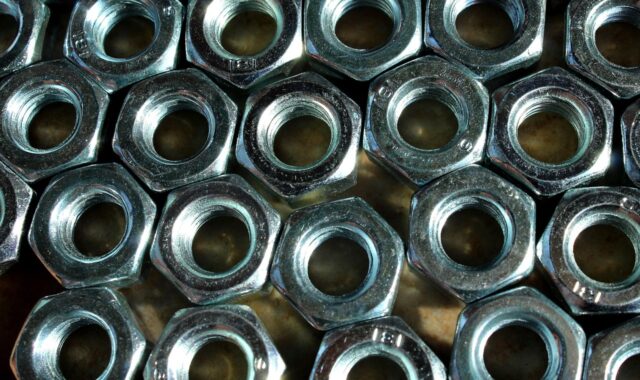
Industrial fasteners guide to materials, standards, and purchasing checks
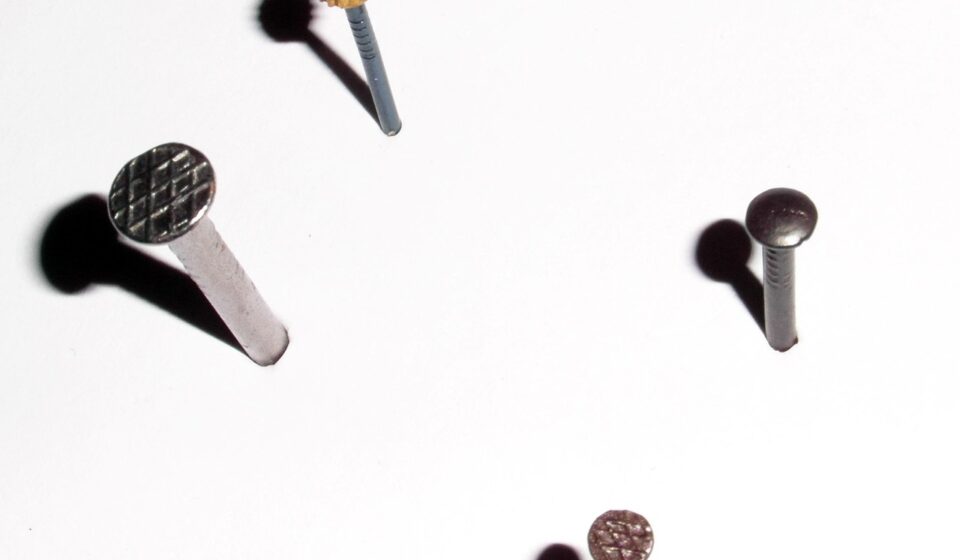
What industrial fasteners need to do in real assemblies
Industrial fasteners are not simply bolts, nuts, screws, washers, rivets, studs, and anchors specified by size. In industrial equipment, steel structures, power systems, vehicles, piping supports, and factory maintenance, they create clamp load, hold alignment, resist vibration, tolerate corrosion, and allow future disassembly. A sound fastener choice connects material strength, thread form, coating, installation method, and documentation. A poor choice may look acceptable at receiving inspection but still fail because the grade, finish, or standard does not fit the application.
For buyers and engineers comparing industrial fasteners, the practical task is to turn an application into a clear specification. That means answering five questions: what load the joint sees, what environment it operates in, which standard applies, what proof of conformity is required, and whether substitutions are controlled. More fastener articles and category resources are available in the Fasteners section.
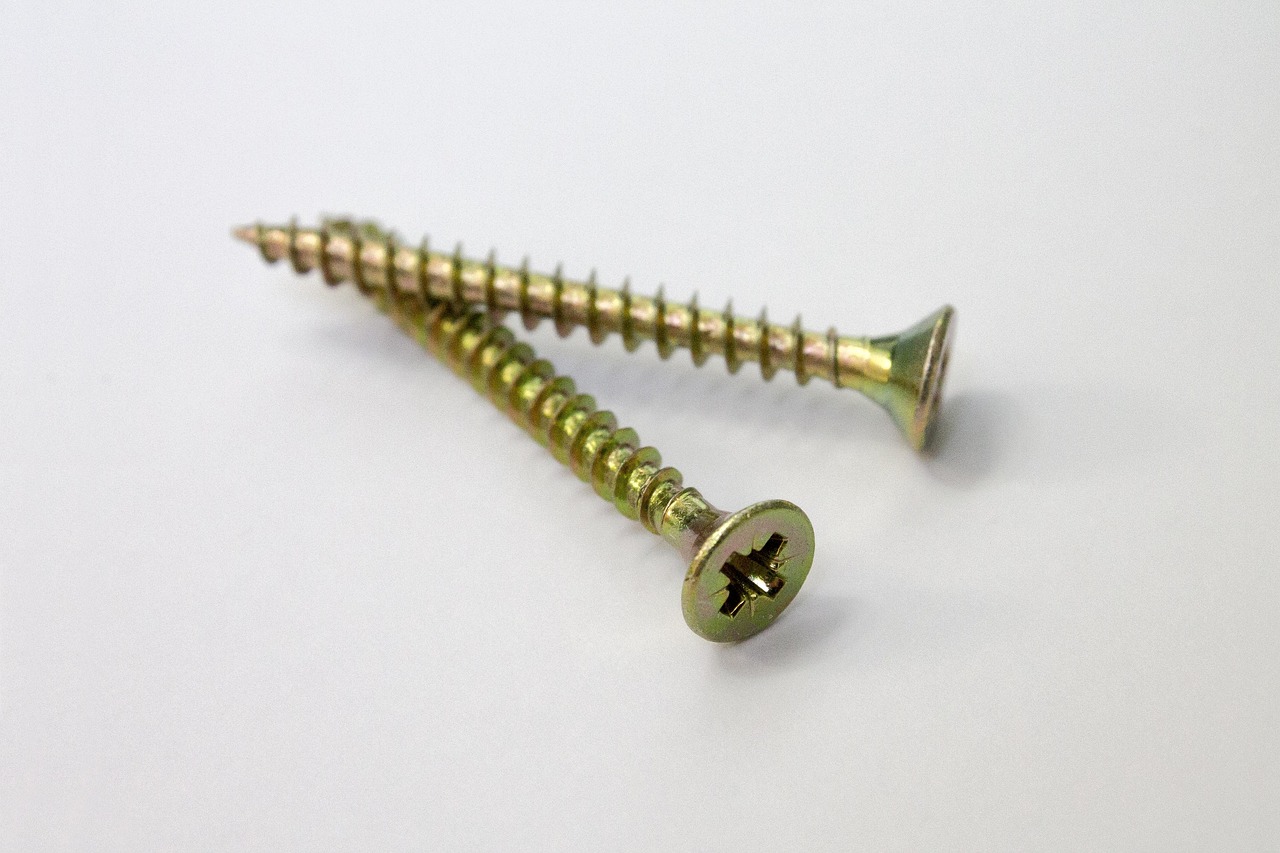
A fastener usually has two jobs at the same time. It must provide mechanical holding power through tension, shear resistance, bearing area, thread engagement, or mechanical interlock. It must also remain stable over time under vibration, temperature change, corrosion, fatigue, and repeated maintenance handling. That is why the lowest unit price is rarely the lowest total cost in industrial fastening.
| Fastener type | Common industrial use | Main selection risk |
|---|---|---|
| Hex bolts and cap screws | Machinery frames, brackets, guards, and structural connections | Using the wrong grade, thread pitch, or coating for the load and environment |
| Studs and threaded rods | Flanges, anchors, equipment bases, and long-distance clamping | Insufficient thread engagement or uncontrolled material substitution |
| Nuts and washers | Companion components for bolted joints | Mismatched nut strength, washer hardness, or bearing area |
| Rivets and blind fasteners | Sheet metal, enclosures, light structures, and limited-access assemblies | Poor grip range or material selection, causing loose joints or galvanic issues |
| Anchors | Concrete, masonry, equipment mounting, and support systems | Ignoring base material strength, edge distance, installation torque, or approval scope |
Material choice sets the strength and service limits
The first technical decision is material. Carbon steel and alloy steel fasteners are common where tensile strength, fatigue performance, and predictable heat treatment matter. Stainless steel fasteners are used where corrosion resistance is more important than maximum strength. Aluminum, brass, bronze, and specialty alloys serve narrower roles where weight, electrical behavior, chemical exposure, or non-sparking performance matters.
Strength markings should not be treated as decoration. Metric property classes and inch grades indicate mechanical capability only when they are tied to the correct standard, manufacturing route, and testing requirements. For example, ISO 898-1 covers mechanical and physical properties for carbon steel and alloy steel bolts, screws, and studs within its defined scope. ISO 3506-1 covers corrosion-resistant stainless steel bolts, screws, and studs with specified grades and property classes. These standards help buyers avoid comparing fasteners by appearance alone.
Stainless steel shows why material selection needs context. It can resist red rust better than plain carbon steel in many environments, but it is not automatically stronger, immune to chloride attack, or suitable for every temperature range. In coastal, chemical, food-processing, or washdown environments, the stainless grade and the joint design both matter. Crevices under washers, deposits around threads, and trapped moisture can still cause localized corrosion.
For high-strength steel fasteners, heat treatment and surface processing deserve special attention. Electroplating and acid cleaning processes can introduce hydrogen into steel. Industry standards such as ISO 4042 and ASTM F1941 address electroplated coating systems and include requirements or precautions related to hydrogen embrittlement risk. The risk is most important for high-strength and surface-hardened fasteners, so coating changes should not be approved casually.
Coatings should match the environment, not just the color
Many purchasing mistakes begin when a finish is described only by color: zinc, black, yellow, silver, or galvanized. Color alone is not a specification. A coating description should identify the process, thickness or class where applicable, corrosion requirement, post-treatment, and compatibility with the mating parts.
Zinc electroplating is often used for indoor or moderate-duty corrosion protection, especially where a thin, smooth finish is needed. Hot-dip galvanizing provides a thicker zinc coating and is common for outdoor steel hardware, utility work, and exposed structures. ASTM F2329/F2329M is a fastener-specific hot-dip zinc coating standard for carbon and alloy steel bolts, screws, washers, nuts, and special threaded fasteners. The thicker coating can affect thread fit, so nuts and bolts must be specified as a compatible assembly rather than as unrelated parts.
Black oxide, phosphate, mechanical zinc, zinc flake, nickel, and other coating systems may be useful in the right application, but each has limits. A finish selected for corrosion resistance may change friction during tightening. A finish selected for appearance may not protect against salt spray, chemicals, or outdoor weathering. A coating selected for one fastener may be unsuitable for the washer or nut if the mating components create galvanic corrosion or thread interference.
For bolted joints that rely on accurate preload, coating and lubrication affect the relationship between torque and clamp load. Torque is only an indirect installation method; it is influenced by thread friction and bearing-surface friction. If a production drawing or maintenance procedure changes the coating, lubricant, washer type, or nut type, the torque value may need engineering review.
Standards make industrial fasteners comparable
Standards are the shared language of industrial fasteners. They define dimensions, mechanical properties, test methods, material requirements, coatings, markings, and sometimes complete assemblies. Without a recognized standard, two suppliers can use the same common name for products that are not functionally interchangeable.
Several standard families appear frequently in industrial purchasing documents. ISO standards are widely used for metric fasteners. ASTM standards are common in construction, structural steel, coatings, and material-related requirements. ASME B18 standards are important for many inch-series dimensional requirements. SAE standards appear in automotive, machinery, and mechanical applications. The Industrial Fasteners Institute compiles many inch and non-ISO metric fastener standards from organizations such as ASTM, ASME, SAE, and IFI, which shows how interconnected fastener specifications can be.
| Reference area | What it helps define | Why it matters in purchasing |
|---|---|---|
| ISO 898-1 | Mechanical properties for carbon and alloy steel bolts, screws, and studs within the standard scope | Helps compare metric property classes rather than relying on informal strength descriptions |
| ISO 3506-1 | Mechanical properties for corrosion-resistant stainless steel bolts, screws, and studs | Prevents confusion between stainless grade, corrosion behavior, and strength class |
| ASTM F3125/F3125M | High-strength structural bolt and assembly requirements | Supports structural applications where the bolt, nut, and washer assembly must match the design intent |
| ASTM F1941/F1941M | Electrodeposited coatings on inch and metric mechanical fasteners | Clarifies coating requirements and hydrogen embrittlement precautions for relevant fasteners |
| ASTM F2329/F2329M | Hot-dip zinc coating requirements for specified threaded fasteners and related components | Helps avoid thread-fit and coating-thickness problems in galvanized assemblies |
Standards should be used precisely. A purchase order that says “grade 8 bolt” may be insufficient if it does not specify the dimensional standard, thread series, finish, length measurement, nut compatibility, washer requirements, inspection documents, and packaging. In regulated or safety-critical uses, informal descriptions create traceability gaps.
How to specify and inspect fasteners before use
A useful fastener specification is short but complete. It should include fastener type, nominal diameter, thread pitch or series, length, head style, drive style, material or grade, applicable standard, coating, quantity, certificate requirements, and packaging rules. If the fastener is part of an assembly, specify the nut and washer at the same time. Structural, pressure, lifting, and safety-related joints should not be assembled from components selected independently unless the design permits it.
Receiving inspection should combine document review and physical checks. Confirm that markings match the ordered grade or property class. Check that the dimensions, thread form, pitch, and length agree with the purchase order. Review certificates for heat number, lot number, coating process, standard revision, and test results where required. If a certificate lists a different standard from the purchase order, treat it as a discrepancy, not a clerical detail.
- Do not accept a substitute based only on similar size.
- Do not mix metric and inch fasteners in maintenance bins.
- Do not assume a plated fastener can replace a hot-dip galvanized one without checking thread fit and corrosion requirements.
- Do not change nut style, washer hardness, or lubrication without reviewing preload and joint behavior.
- Do not rely on color as evidence of coating type, thickness, or corrosion performance.
For U.S. commerce, NIST public material on the Fastener Quality Act is a reminder that fastener conformity, representation, testing, and records have legal and safety importance in certain contexts. Even when a specific law does not apply to a particular part, the principle remains useful: the supplied fastener should conform to the standard it is represented to meet, and the buyer should preserve enough documentation to prove that conformity. See also: Buying Guides.
Substitution risk is the hidden cost in fastener buying
Industrial buyers often face pressure to accept substitutes when lead times stretch or prices move. Some substitutions are harmless, but others change joint behavior. A longer bolt may bottom out before clamping. A harder washer may be required under a high-strength bolt. A nylon insert locknut may lose effectiveness at elevated temperature. A stainless fastener in contact with aluminum may create galvanic corrosion in wet service. A different coating may change friction enough to alter clamp load at the same torque.
The safest substitution process starts with function, not part appearance. Identify which characteristics are critical: strength, ductility, thread fit, corrosion resistance, temperature, vibration resistance, electrical conductivity, magnetic behavior, cleanliness, or disassembly. Then compare the proposed substitute against the original standard and drawing. If the drawing calls for a complete assembly, compare the assembly, not only the bolt.
Substitution control is especially important for maintenance teams. A plant may use similar-looking M10 and 3/8 inch hardware, multiple stainless grades, or both zinc-plated and galvanized components. Mixed inventory can create recurring failures that look like installation mistakes. Clear bin labels, separated metric and inch stock, lot traceability, and controlled reorder descriptions reduce that risk.
Practical application notes for common industries
In structural steel, fasteners are part of a designed connection. High-strength structural bolting uses specific bolt, nut, and washer combinations, and the installation method matters. A general-purpose bolt should not be used simply because it fits the hole. Standards such as ASTM F3125/F3125M exist because structural assemblies require more than nominal diameter and length.
In machinery and equipment manufacturing, vibration, fatigue, and service access often matter as much as static strength. Thread-locking features, prevailing torque nuts, all-metal locknuts, tab washers, or engineered joint design may be required. However, locking features do not compensate for poor joint design, insufficient clamp length, or incorrect preload.
In electrical and enclosure work, corrosion resistance, conductivity, grounding continuity, and appearance may drive decisions. Stainless steel, plated steel, brass, and aluminum fasteners can each be appropriate, but they should be evaluated against the contact materials and service environment. A fastener that performs well indoors may not survive outdoor condensation or industrial cleaning chemicals.
In marine, chemical, and outdoor infrastructure, corrosion is often the dominant issue. The correct choice may involve stainless grades, hot-dip galvanized assemblies, specialty coatings, isolation washers, sealants, or drainage changes. The joint design should prevent trapped water and crevice conditions whenever possible.
A concise checklist for specifying industrial fasteners
- Define the joint function: clamp, align, seal, anchor, conduct, isolate, or allow disassembly.
- Identify the main load: tension, shear, fatigue, vibration, impact, thermal cycling, or a combination.
- Select the material and strength level using the applicable ISO, ASTM, ASME, SAE, or project standard.
- Choose the coating based on service environment, thread fit, friction, and hydrogen embrittlement risk.
- Specify companion parts such as nuts and washers, especially for structural or high-strength assemblies.
- State inspection and documentation requirements before ordering, not after delivery.
- Control substitutions through engineering review when strength, coating, material, or standard changes.
The main lesson is simple: industrial fasteners should be purchased as engineered components, not generic consumables. A clear specification reduces receiving disputes, installation errors, corrosion failures, and unsafe substitutions.
Frequently asked questions
What is the difference between industrial fasteners and general hardware?
General hardware is often selected by size and convenience. Industrial fasteners are selected by application requirements such as load, material, coating, standard, traceability, and inspection documents. The same-looking bolt can be suitable for a light bracket but unsuitable for a structural or high-vibration joint.
Are stronger fasteners always better?
No. Higher strength can reduce ductility, increase sensitivity to hydrogen embrittlement, and require compatible nuts, washers, tightening methods, and joint design. The correct fastener is the one that matches the assembly requirements, not simply the one with the highest strength marking.
Can metric and inch fasteners be substituted if the size is close?
They should not be substituted by approximation. Thread angle, pitch, diameter, wrench size, strength marking, and standard requirements can differ. A near fit may damage threads, reduce engagement, or create a joint that appears tight but lacks reliable clamp load.
How should a buyer choose between zinc plating and hot-dip galvanizing?
Zinc plating is generally thinner and often used where a smooth finish and moderate protection are needed. Hot-dip galvanizing is thicker and more common for exposed outdoor hardware, but it affects thread fit and should be specified as a compatible assembly. The environment, thread tolerance, coating standard, and installation method should decide the choice.
What documents should accompany critical fastener orders?
For critical applications, buyers commonly request certificates of conformity, material test reports, coating records, lot or heat traceability, and inspection results tied to the applicable standard. The required documents should be listed on the purchase order so the supplier knows the acceptance basis before production or shipment.