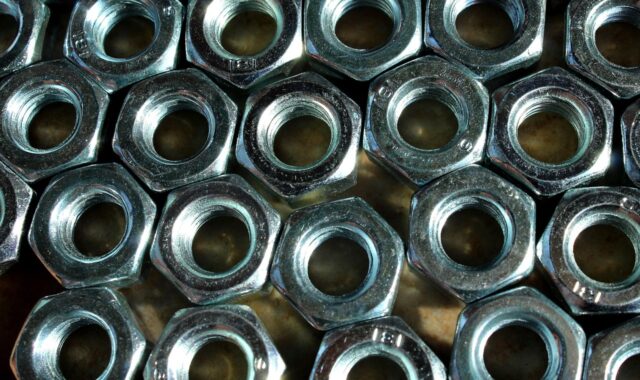
Metric fasteners explained for thread size, strength class, and finish
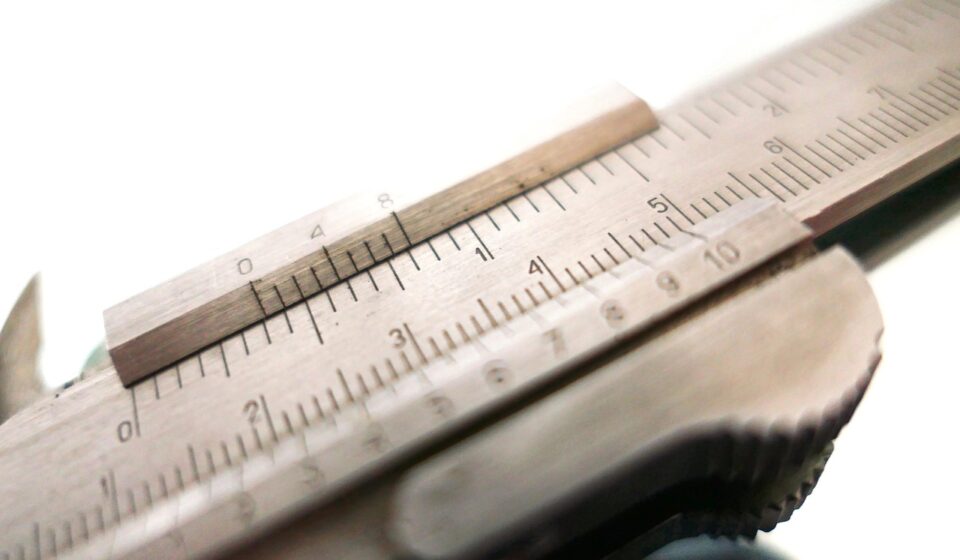
What metric fasteners really specify
Metric fasteners include bolts, screws, studs, nuts, washers, and related hardware whose critical dimensions are stated in millimeters and whose threaded parts usually start with an M designation. A useful specification does not stop at M8 or M10. It should define the diameter, thread pitch, length, head style, product standard, property class or stainless grade, coating, and any required inspection documentation. That is the difference between buying a part that merely threads into a hole and buying one with the right strength, fit, and corrosion performance.
This guide explains how metric fastener callouts work and where errors often occur when drawings, purchase orders, or maintenance requirements move between ISO, DIN, ASME, and legacy specifications.
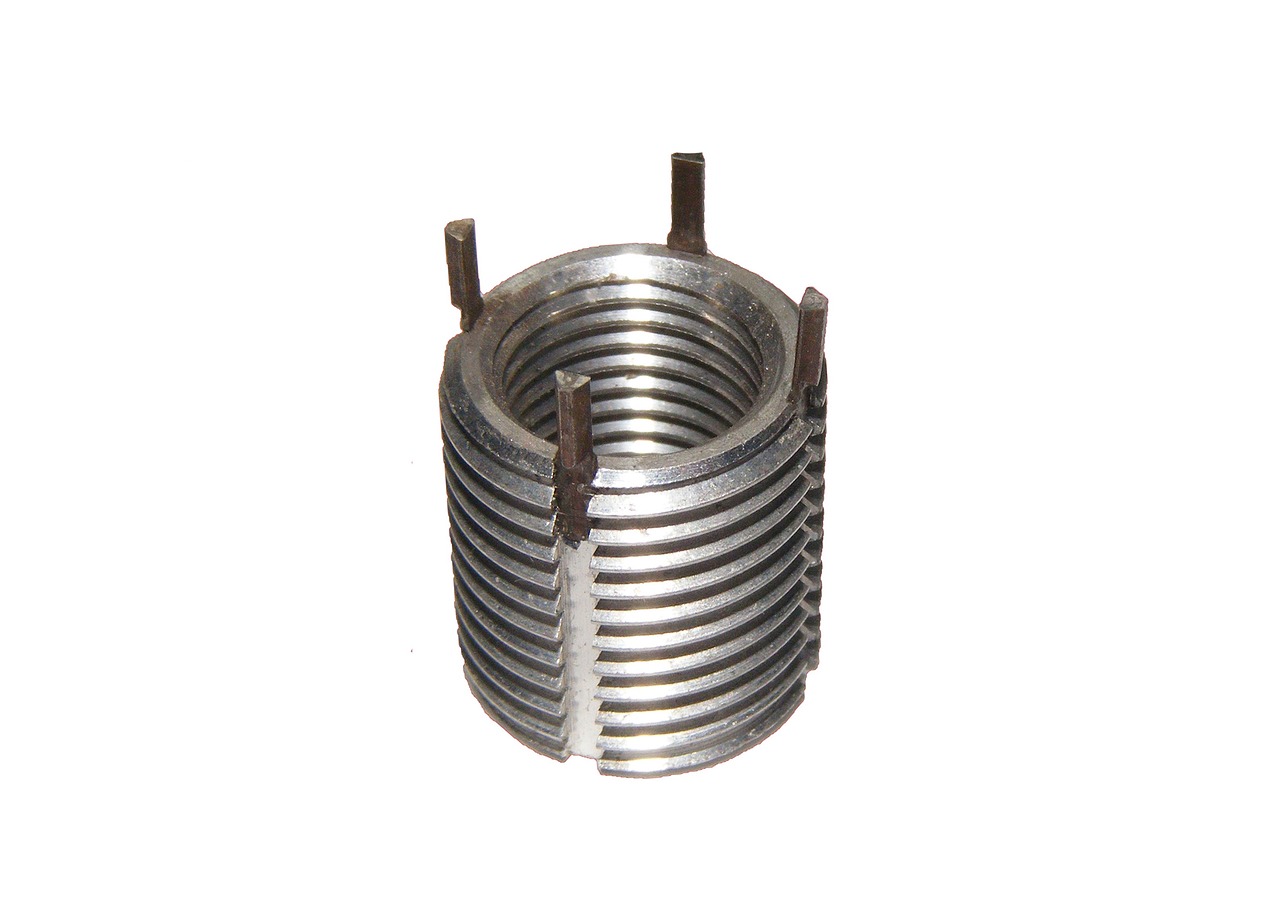
For more articles on bolts, screws, nuts, washers, and related hardware, visit the Fasteners section.
Metric fasteners are a specification system, not one product
The word metric describes the measurement system and thread family. It does not identify one fastener design. A metric socket head cap screw, hex bolt, flange bolt, machine screw, threaded stud, hex nut, and flat washer can all fall within the same broad category while being governed by different dimensional and mechanical requirements.
This distinction matters because buyers sometimes treat the M size as the complete specification. M10, for example, only states a nominal thread diameter of 10 mm. It does not say whether the thread is coarse or fine, whether the part is fully or partially threaded, which head geometry is required, whether the fastener is carbon steel or stainless steel, or which strength level and finish apply.
A complete callout answers three practical questions: will it fit, will it carry the load, and will it survive the service environment. Fit depends on diameter, pitch, tolerance, length, and head style. Load capacity depends on the relevant mechanical standard and property class. Durability depends on material, coating, lubrication, exposure, and assembly practice.
Core standards behind a metric fastener callout
Metric fastener specifications usually combine several standards. One standard may define the thread geometry, another may define the product shape, and another may define mechanical properties. Current contracts should always check the latest issue required by the drawing or customer specification, especially when older DIN references or withdrawn ASTM references appear.
| Specification area | Common reference | What it controls | Practical note |
|---|---|---|---|
| Thread system | ISO 261 and ISO 724 | General plan and basic dimensions for ISO metric screw threads | Useful for understanding M diameter and pitch combinations |
| Thread tolerance | ISO 965 series | Tolerance classes for ISO metric screw threads | Needed when fit is critical or plated parts may affect thread clearance |
| Carbon and alloy steel bolts, screws, and studs | ISO 898-1:2013 | Mechanical and physical properties for specified property classes | Applies to controlled testing conditions and does not replace joint design |
| Metric nuts | ISO 898-2 | Mechanical properties of nuts for bolt and nut assemblies | Nut class should be compatible with the bolt class and application |
| Stainless steel bolts, screws, and studs | ISO 3506-1:2020 | Mechanical properties for corrosion-resistant stainless steel fasteners | Stainless markings such as A2-70 are not direct equivalents of 8.8 or 10.9 |
| Electroplated finishes | ISO 4042:2022 with a 2026 amendment | Electroplated coating systems and hydrogen embrittlement risk reduction | Coating choice affects corrosion resistance, thread fit, and torque behavior |
| U.S. metric product dimensions | ASME B18 metric series | Dimensional data for selected metric fastener forms | Common in North American drawings and procurement documents |
One legacy issue deserves special attention. ASTM F568M, formerly used for carbon and alloy steel externally threaded metric fasteners, was withdrawn in 2012. If it appears on an old drawing or purchase order, the buyer should not silently substitute a different requirement. The correct step is to confirm the controlling replacement or customer-approved equivalent.
How to read metric size, pitch, and length
Diameter and pitch
A metric thread callout normally starts with M, followed by the nominal diameter in millimeters. In a callout such as M10 × 1.5, M10 is the nominal diameter and 1.5 is the distance in millimeters between adjacent thread crests. For the same diameter, a lower pitch number means a finer thread.
Coarse pitch is common for general-purpose stock, but assuming coarse pitch can still create field problems. Fine pitch may be used where a design needs more adjustment sensitivity, less tendency to loosen under some conditions, or a specific engagement with an existing tapped hole. The safe purchasing rule is straightforward: state the pitch whenever the mating thread already exists or the application is not fully controlled by a current drawing.
Length and head style
Length is not measured the same way for every head style. For many hex head and socket head screws, length is measured from under the head to the end of the fastener. For countersunk screws, length is commonly measured overall because the head seats into the countersink. When drawings are not available, the head style should be named clearly rather than described only by tool drive or appearance.
A clear purchasing line could read: metric hex head screw, M10 × 1.5 × 40, property class 8.8, zinc plated, fully threaded, with the applicable dimensional product standard stated on the drawing. This is only an example, but it shows the minimum pattern: thread, size, length, mechanical class, finish, and geometry.
Strength class is not the same as material or finish
Metric carbon and alloy steel fasteners commonly use property classes such as 8.8, 10.9, and 12.9. These numbers are not brand names, steel grades, or coating codes. They are a compact way to identify mechanical property requirements under the relevant standard.
In the familiar 8.8 marking, the first number points to a nominal tensile strength level of about 800 MPa. The second number indicates the relationship used to estimate the yield or proof level. In common shorthand, 8.8 corresponds to about 800 MPa tensile strength and a 640 MPa yield or proof relationship, while 10.9 corresponds to about 1000 MPa and 900 MPa. This shortcut helps readers understand the marking, but the controlled requirements are still the values, test methods, size limits, and exceptions in the applicable standard.
A higher property class is not automatically better. A class 12.9 socket screw may offer high strength, but it can also require closer attention to preload, fatigue, thread engagement, coating process, and environmental exposure. In corrosive or hydrogen-sensitive environments, a lower strength class with a suitable coating or a stainless design may be more appropriate than simply increasing strength.
Stainless steel markings work differently
Stainless metric fasteners often use markings such as A2-70 or A4-80. The first part indicates a stainless steel group, while the number indicates a strength class within the stainless fastener standard. A4 fasteners are often chosen for better corrosion resistance than A2 in chloride-bearing or outdoor environments, but the correct selection depends on the actual chemistry, temperature, exposure, and joint design.
It is risky to replace a carbon steel 8.8 or 10.9 fastener with stainless steel just because the thread size matches. Stainless steel may improve corrosion resistance, but it may not match the required proof strength, preload behavior, galling resistance, or fatigue performance. Any substitution should be approved through engineering review or a controlled specification change. See also: Buying Guides.
Nuts and washers are part of the assembly
A bolt does not work alone. The nut property class, washer hardness, bearing surface, and thread engagement all influence joint behavior. A strong bolt paired with an incompatible nut can shift failure to the internal thread. A hardened washer may be needed under high preload or on slotted holes, while a soft washer may embed and reduce clamp load. Metric assemblies should therefore be specified as assemblies, not as isolated parts selected from separate bins.
Finish and corrosion choices change more than appearance
Finish is often treated as a color choice, but it can affect performance. Plain steel has limited corrosion resistance. Black oxide may improve appearance and provide mild protection when oiled, but it is not a heavy-duty outdoor coating. Zinc electroplating is common for general corrosion protection, while zinc flake systems, hot-dip galvanizing, stainless steel, or other coatings may be chosen for harsher conditions.
Coating thickness can affect thread fit, especially on smaller diameters or tighter tolerance classes. Plating and post-treatment can also change friction, which affects the torque needed to reach a target clamp load. For this reason, torque tables should not be treated as universal values unless the material, finish, lubrication, and assembly conditions match the source of the table.
Hydrogen embrittlement is another important limitation for high-strength steel fasteners. Electroplating processes can introduce hydrogen, and susceptible high-strength parts may require process controls and baking procedures. ISO 4042 addresses electroplated coating systems and includes recommendations intended to minimize that risk. For critical joints, coating should be specified by standard and process requirement, not merely by color.
Fit and interchangeability issues to check before ordering
Metric and inch fasteners may look similar at small sizes, but they are not interchangeable. An M6 screw and a 1/4 inch screw can be close enough to invite a quick substitution, yet the diameters and thread pitches are different. Forcing the wrong thread can damage the tapped hole, reduce engagement, or create a joint that feels tight before it is properly clamped.
Even within metric fasteners, product standards can differ. Older DIN parts often have modern ISO counterparts, but the match is not always exact in head height, across-flats dimension, washer face, thread length, or tolerance details. Japanese Industrial Standards, ISO standards, and ASME metric standards may also vary for specific product forms. When maintenance work depends on exact replacement, the safest approach is to match the drawing or measure the existing part and confirm the controlling standard.
Thread tolerance is another hidden factor. Many general-purpose metric external and internal threads use tolerance designations such as 6g and 6H, but a special fit may be required where coating thickness, temperature, vibration, or repeated assembly matters. If the fastener is plated after threading, allowance for coating buildup should be part of the specification.
A practical ordering checklist
A strong metric fastener specification is short but complete. Before releasing a purchase order, check the following items:
- Application: Identify whether the part is structural, automotive, machinery, electronics, pressure equipment, marine, or general maintenance hardware.
- Thread: State nominal diameter, pitch, and thread direction if it is not standard right-hand thread.
- Length: Confirm the correct length measurement method for the head style.
- Product form: Name the head style, drive style, shank form, and whether the fastener is fully or partially threaded.
- Dimensional standard: Use the standard shown on the drawing, or confirm the intended ISO, ASME, DIN, JIS, or customer specification.
- Mechanical class: Specify the correct property class for carbon and alloy steel or the correct stainless grade and class for corrosion-resistant fasteners.
- Mating parts: Confirm nut class, washer type, thread engagement, and bearing surfaces.
- Finish: Define coating by standard or controlled description, not only by color.
- Documentation: State whether material certificates, lot traceability, inspection reports, or special testing are required.
- Substitution rules: Do not substitute pitch, class, finish, or standard without approval when the joint is safety-related or function-critical.
The main lesson is that metric fasteners are easy to identify but easy to under-specify. The M size puts the part in the right family; the rest of the callout determines whether it is suitable for the job.
Frequently asked questions
Are metric fasteners the same as ISO fasteners?
Not always. ISO metric threads are widely used, but a metric fastener may be made to ISO, DIN, ASME, JIS, or a customer-specific product standard. The M thread tells you the thread family; it does not automatically define the entire fastener.
Is property class 8.8 the same as SAE Grade 8?
No. Metric property classes and SAE inch grades are different systems. They may appear similar in strength discussions, but they use different thread systems, markings, standards, and dimensional assumptions. A substitution should be based on engineering requirements, not on a simple name comparison.
Should I choose coarse or fine metric pitch?
Use the pitch specified by the drawing or mating part. Coarse pitch is common for general inventory and easier field replacement, while fine pitch may be selected for particular design reasons. If a tapped hole already exists, the pitch must match it exactly.
Can stainless metric fasteners replace carbon steel 8.8 fasteners?
Only after verification. Stainless fasteners may improve corrosion resistance, but their strength class, galling behavior, preload response, and cost can differ significantly from carbon steel property class 8.8. Critical substitutions should be approved by the responsible engineer or specification owner.
Why does the finish need to be specified separately?
Because finish affects corrosion resistance, friction, thread fit, and sometimes hydrogen embrittlement risk. A property class such as 10.9 does not define plating, lubrication, or color. Those requirements should be stated separately in the order or drawing.