Screw fasteners explained for materials, standards and installation
What screw fasteners are and why selection matters
Screw fasteners are externally threaded components used to join, position or secure materials by rotation. The category includes machine screws, self-tapping screws, wood screws, set screws, socket screws and many specialty designs. A reliable selection is not based on diameter alone. It depends on thread form, mating material, strength class, head style, drive recess, coating, corrosion exposure and installation method.
Standards such as ISO 68-1 for metric thread profiles, ISO 898-1 for mechanical properties of carbon and alloy steel metric screws, and ASME B18.6.3 for inch-series machine and tapping screws show why screw fasteners should be treated as engineered components rather than generic hardware. This article focuses on practical selection for industrial buyers, maintenance teams and technical readers. For more related hardware topics, visit the Fasteners section.
What products are included in screw fasteners
A screw fastener generally has an external helical thread and is driven by torque applied to a head, recess, socket or other drive feature. It may clamp two components together, cut or form its own mating thread, hold a component in position, or transfer load through a threaded joint.
In everyday use, the terms screw and bolt often overlap. In many applications, a bolt is assembled with a nut, while a screw is driven into a tapped hole, a pilot hole or the material itself. Standards and trade usage are not always perfectly aligned, so drawings and purchase documents should identify the actual standard, dimensions, thread and property requirements.
Machine screws
Machine screws are typically used with tapped holes or nuts. They are common in machinery, electrical enclosures, instruments, appliance housings and assemblies where repeatable disassembly is expected. Key selection factors include thread size, length, head style, drive style, material and finish. Inch machine screws are commonly associated with ASME B18.6.3, while metric versions are often specified through ISO and national standards.
Self-tapping and thread-forming screws
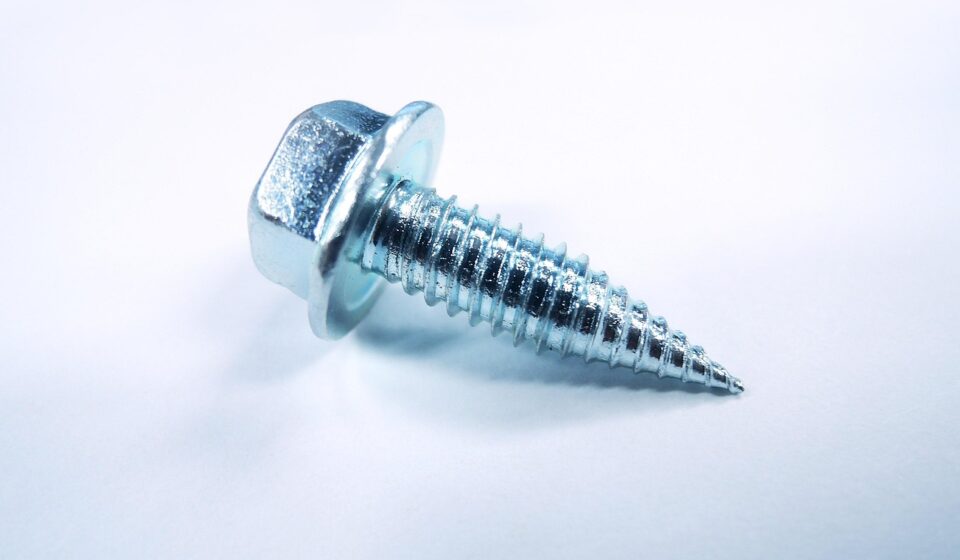
Self-tapping screws create or shape their own mating thread in sheet metal, plastics or softer materials. Cutting designs remove material. Thread-forming designs displace material. This distinction matters because thread-forming screws may offer better resistance to loosening in some ductile materials, while cutting screws may be easier to use in harder or more brittle substrates. Pilot hole size, material thickness and installation torque are critical.
Wood, drywall and construction screws
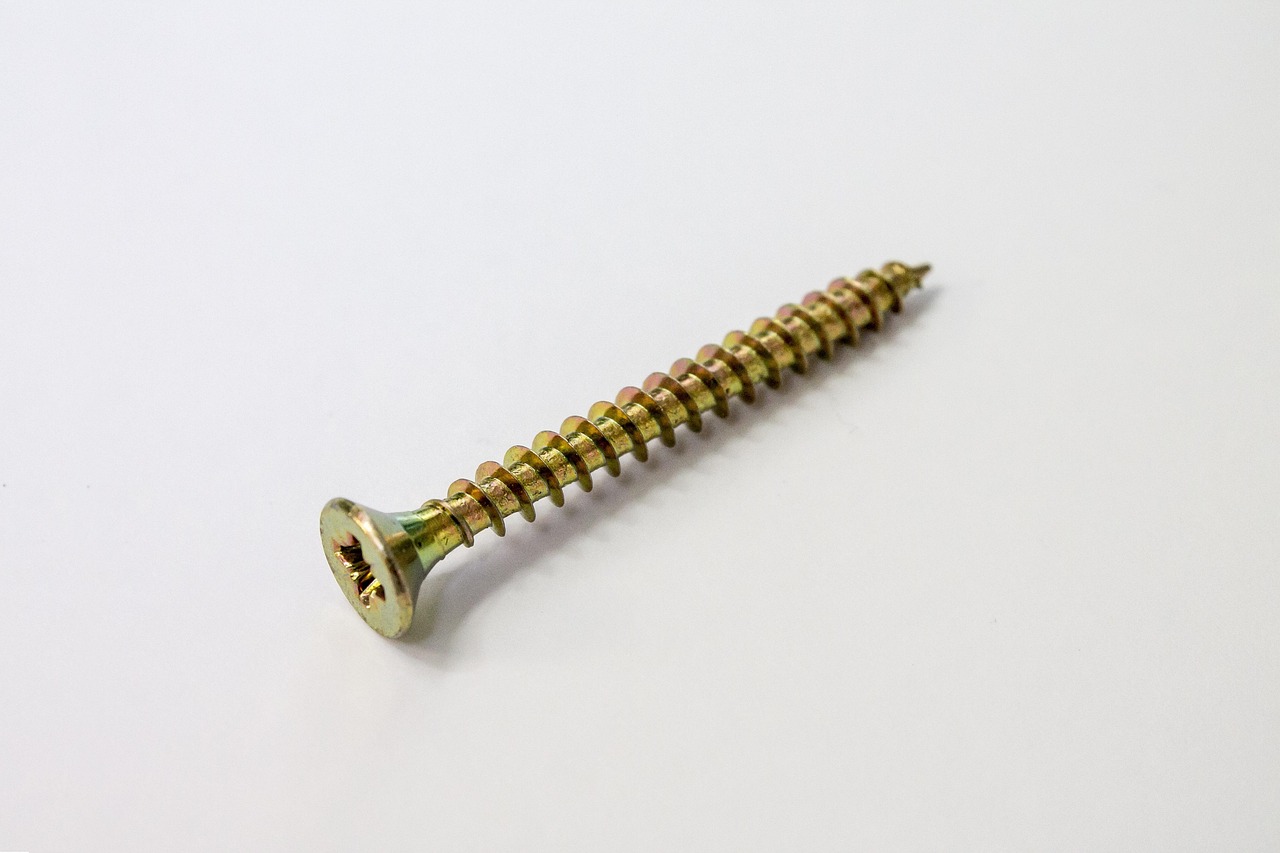
Wood screws and construction screws are designed around pull-out resistance, splitting control, head seating and drive efficiency. Coarse threads are often used for softer wood and timber applications, while specialized points and coatings are selected for treated lumber, outdoor exposure or decking. These screws should not be substituted for structural screws unless the relevant product standard, approval or engineering requirement supports the application.
Set screws and socket screws
Set screws usually hold parts such as collars, pulleys or knobs against a shaft. Socket head cap screws and related socket products are often chosen where higher wrenching capability or compact head geometry is required. Low head and countersunk head geometries can reduce available head shear area, which is why some mechanical-property standards note limits for certain head styles.
Standards that shape screw fastener decisions
Standards do not make every selection automatically correct, but they provide a shared language for dimensions, threads, mechanical properties and acceptance requirements. The most useful practice is to specify both the dimensional standard and the material or mechanical-property standard. A drawing that says only “M6 screw” is incomplete because it does not define property class, finish, head style, thread length, tolerance or corrosion requirement.
| Selection area | Common reference point | Why it matters |
|---|---|---|
| Metric thread profile | ISO 68-1:2023 for ISO general purpose metric screw thread basic and design profiles | Defines the thread geometry foundation used by metric threaded fasteners. |
| Metric thread size plan | ISO 261 and ISO 262 for general and selected metric thread sizes | Helps designers avoid non-preferred diameter and pitch combinations. |
| Carbon and alloy steel metric screws | ISO 898-1:2013, confirmed by ISO in 2025 | Specifies mechanical and physical properties for bolts, screws and studs tested at 10 °C to 35 °C. |
| Inch machine and tapping screws | ASME B18.6.3-2024 | Covers machine screws, tapping screws and metallic drive screws in inch series. |
| Stainless steel bolts and screws | ASTM F593 specification family | Used for stainless steel bolts, hex cap screws and studs where corrosion resistance is a key requirement. |
| High-strength structural bolting | ASTM F3125 specification family | Applies to high-strength structural bolts, not to ordinary small screws or general-purpose hardware. |
The table also shows an important limitation. A thread standard is not the same as a strength standard, and a strength standard is not the same as a corrosion standard. ISO 898-1, for example, addresses mechanical and physical properties for certain carbon and alloy steel fasteners, but it does not by itself specify corrosion resistance, weldability, fatigue resistance or torque-to-clamp-force behavior. Those issues require separate evaluation.
Material and coating choices affect more than appearance
Material selection starts with the load path and the environment. Low carbon steel screws are common for general fastening where high strength is not required. Medium carbon, alloy steel or heat-treated screws may be used where higher tensile strength, proof load or wear resistance is needed. Stainless steel is often selected for corrosion resistance, but stainless is not automatically stronger than alloy steel. In some assemblies, stainless screws can also be more prone to galling, especially when installed into stainless mating threads without suitable lubrication or controlled tightening practice.
Coatings are often selected for corrosion resistance, appearance or assembly behavior. Zinc plating is common for indoor and light-duty applications, while zinc flake coatings, mechanical galvanizing, hot-dip galvanizing and other protective systems may be used in harsher environments. The coating must be compatible with the mating thread and the installation method. Thick coatings can affect thread fit, while some coating systems change friction enough to alter clamp load at the same torque setting.
Galvanic compatibility is another practical issue. When dissimilar metals are connected in a conductive environment, corrosion risk can increase. A stainless screw in aluminum, a carbon steel screw in wet outdoor equipment, or a coated screw in treated wood may all perform differently from the same screw in a dry indoor assembly. The correct choice is therefore application-specific rather than universal.
Thread, head and drive details change performance
Thread pitch controls how far the screw advances per rotation and influences assembly speed, engagement, vibration behavior and stripping risk. Coarse threads are generally more tolerant in soft materials and easier to assemble in field conditions. Fine threads can provide more adjustment and may be preferred in stronger materials or limited engagement depth, but they are more sensitive to dirt, damage and cross-threading.
Thread engagement should be evaluated against the weaker material in the joint. A hard screw in a soft tapped component may strip the internal thread before the screw reaches its rated tensile capacity. In sheet metal and plastics, pilot hole diameter, material thickness and thread-forming behavior can matter more than the nominal screw size printed on a box.
Head style affects seating and load distribution. Pan, button and truss heads provide larger bearing areas than some countersunk designs. Flat and oval countersunk heads sit flush but introduce a wedging action and require a matching countersink. Hex heads and socket heads allow higher tool engagement than small cross recesses, but they also require access clearance. See also: Buying Guides.
Drive type affects productivity and damage risk. Phillips, slotted, hex socket, six-lobe and square drives each have trade-offs in tool availability, cam-out resistance and torque transfer.
Installation is where many screw fastener problems begin
The most carefully specified screw can fail if installation is uncontrolled. Torque is commonly used because it is easy to apply and verify, but torque is only an indirect method of producing clamp load. Friction under the head and in the threads can consume much of the applied torque, so a dry screw, a lubricated screw and a coated screw may develop different clamp loads at the same torque value. For critical joints, tightening procedures should be based on engineering guidance, supplier data, test results or the applicable assembly standard.
Common installation problems include cross-threading, over-tightening, under-tightening, wrong pilot hole size, insufficient thread engagement, damaged recesses and mixed fastener grades. In production, even a small change in coating, lubricant, washer style or driver bit can change the result. In maintenance, replacing a broken screw with a visually similar part may hide differences in property class, stainless grade, thread pitch or head geometry.
- Confirm the thread system before assembly: metric, unified inch or specialty.
- Use the specified pilot hole for self-tapping or thread-forming screws.
- Do not reuse damaged screws in load-bearing or safety-related joints.
- Match driver bits to the recess to reduce cam-out and head damage.
- Control lubrication because it can significantly change tightening results.
- Check coating thickness and thread fit before substituting finishes.
A practical checklist for specifying screw fasteners
A good screw fastener specification should answer the questions that affect function, not just purchasing. Start with the joint: what materials are being joined, what loads are expected, will the joint be disassembled, and what environment will it see? Then define the fastener: thread system, nominal diameter, pitch, length, head type, drive type, material, property class or grade, finish and inspection requirement.
For commercial buying, avoid vague descriptions such as “stainless screw” or “black screw.” Stainless may refer to different alloy groups, and black may refer to black oxide, phosphate, painted finish or another coating. Similarly, “high strength” should be tied to a recognized property class, grade or specification. If the screw is used in a regulated, structural or safety-related assembly, procurement documents should require traceability and compliance evidence rather than relying on appearance.
The U.S. Fastener Quality Act, administered with NIST involvement, was created to address fraudulent or nonconforming fasteners in certain critical uses. Not every screw in commerce falls under the same level of regulatory control, but the history of the law is a useful reminder: markings, certificates, testing and traceability matter most when fastener failure could threaten safety, equipment integrity or public infrastructure.
When substitution is risky
Substitution is common during maintenance work and purchasing shortages, but screw fasteners should not be swapped based only on diameter and length. A zinc-plated carbon steel screw may not replace stainless in a corrosive washdown area. A stainless screw may not replace a heat-treated alloy steel screw in a high-strength joint. A self-drilling screw may not replace a machine screw in a tapped component, and a countersunk screw may not replace a socket head cap screw if bearing area or head strength is part of the design.
Substitution should be reviewed especially when the joint is structural, rotating, pressurized, electrical, safety-related or exposed outdoors. If the original part is unknown, identify the thread, measure the part, inspect the mating material and check whether drawings, equipment manuals or standards apply. The safest purchasing habit is to treat screw fasteners as small engineered parts with a documented job, not as interchangeable commodities.
Frequently asked questions
Are screw fasteners the same as bolts?
Not always. The terms overlap in trade usage, but a bolt is often used with a nut while a screw is often driven into a tapped hole or directly into material. The safest approach is to follow the drawing, standard and functional requirement rather than relying on the name alone.
What is the most important specification for screw fasteners?
There is no single specification for every application. Thread size, length, head style, drive type, material, property class, coating and installation method all matter. For critical applications, the dimensional standard and mechanical-property standard should both be identified.
Can stainless steel screws replace carbon steel screws?
Only if the application supports the substitution. Stainless steel improves corrosion resistance in many environments, but it may have different strength, galling behavior and cost. Strength and corrosion requirements should be checked separately.
Why do screws loosen even when tightened properly?
Loosening can result from vibration, joint relaxation, embedment, insufficient clamp load, poor thread engagement, thermal cycling or incorrect washer and locking method. Tightening torque alone does not guarantee long-term joint security.
How should screw fasteners be stored?
Keep screws dry, separated by specification and protected from contamination. Mixing similar-looking screws can create traceability problems, especially when different grades, stainless alloys, coatings or thread pitches are used in the same facility.