Threaded fasteners explained for material selection and joint reliability
What threaded fasteners do in a joint
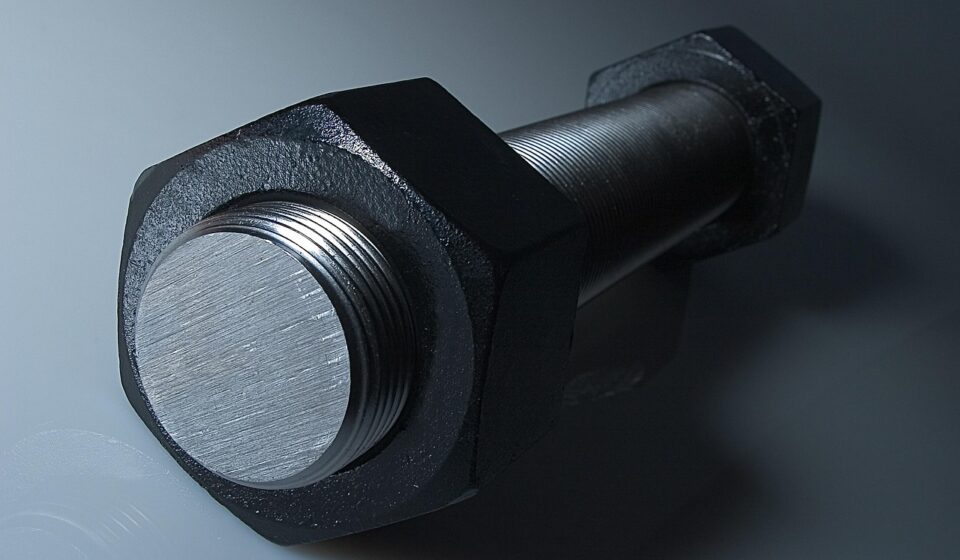
Threaded fasteners include bolts, screws, studs, nuts and related parts that use a helical thread to create removable clamp force in an assembly. In most metal joints, the purpose is not only to “hold parts together.” The fastener must generate enough preload to keep the joined parts compressed as service loads change. Thread form, material strength, coating, lubrication and tightening method all affect that result. A part can look dimensionally correct and still perform poorly if the thread fit, mechanical grade, surface finish or torque specification does not match the application. For more category context, visit the Fasteners section.
The working principle is straightforward: a threaded fastener converts rotation into axial tension. As the bolt or screw is tightened, it stretches slightly. Its elastic recovery then clamps the joint members together. A reliable joint has to maintain that clamp force through vibration, temperature change, embedment, corrosion exposure and repeated loading.
Main types of threaded fasteners
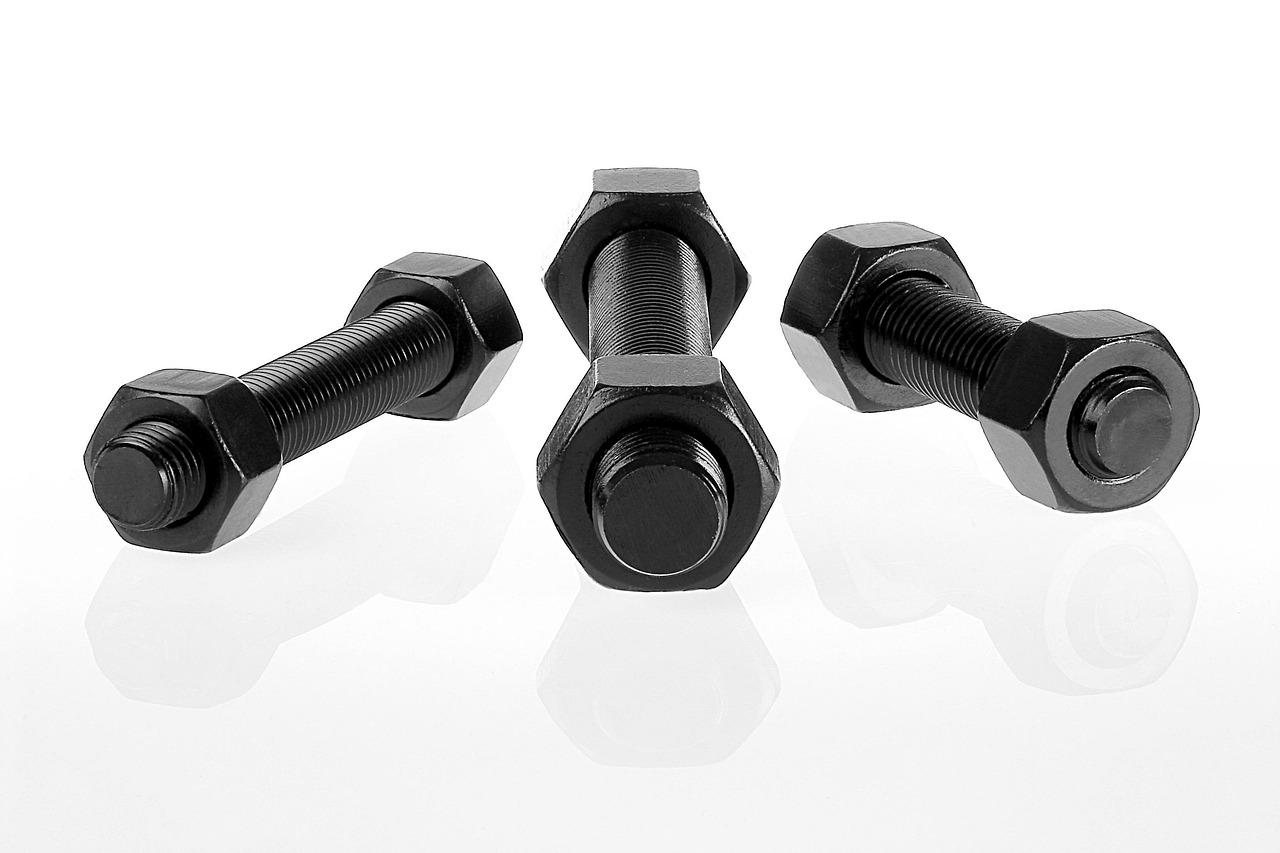
Threaded fasteners are often grouped by how they engage with the mating part and how the joint is assembled. The terms are sometimes used loosely in purchasing, but design drawings and controlled orders should tie them to the applicable dimensional and mechanical standards.
| Fastener type | Typical use | Key selection point |
|---|---|---|
| Bolts | Used with a nut or threaded component to clamp two or more parts | Specify diameter, length, thread series, property grade and head style |
| Screws | Driven into a tapped hole, nut, insert or formed mating thread | Check whether the screw is intended for machine threads, tapping or thread forming |
| Studs | Threaded rods with one or both ends engaged in a nut or tapped component | Useful where one side of the joint is frequently assembled or disassembled |
| Nuts | Internally threaded components paired with bolts or studs | Nut strength and thread class must match the external fastener |
| Threaded rods | Long externally threaded bars used for anchoring, suspension or custom lengths | Confirm material grade, coating and whether full-length thread is acceptable for the load path |
The product name alone is not enough. Two hex bolts with the same diameter and length may differ in strength class, coating, thread tolerance and suitability for structural, machinery or general-purpose use. A purchasing description should therefore include the standard, material or property class, thread designation, finish and any required test or inspection documentation.
Thread standards and fit affect interchangeability
Threaded fasteners are interchangeable only when the thread system and tolerance class are compatible. For metric fasteners, ISO metric screw threads are commonly specified with designations such as M8 × 1.25 or M10 × 1.5. ISO 898-1 covers mechanical properties for many carbon steel and alloy steel bolts, screws and studs with ISO metric threads, while ISO 965 covers tolerances for general-purpose metric screw threads. ISO 965-1:2026 addresses principles and basic data for metric thread tolerances, and ISO 965-2:2024 covers limits of size for common internal and external thread tolerance classes.
For inch fasteners, ASME B1.1 is a key reference for Unified inch screw threads, including UN, UNR and UNJ thread forms. Common inch designations such as 1/4-20 UNC or 3/8-16 UNC combine nominal diameter, threads per inch and series. The thread class, such as 2A for an external thread or 2B for an internal thread, describes allowance and tolerance. A tighter class may improve positional control, but it can also increase cost and make the thread more sensitive to coating thickness, contamination or minor damage.
Thread fit becomes especially important after plating or coating. A coating adds thickness, and on threads that added thickness can reduce clearance. If a finish is specified without considering thread tolerance and final gaging requirements, parts may bind, fail inspection or require excessive installation torque. For critical assemblies, the drawing or purchase order should state whether thread acceptance is required before coating, after coating or both.
Material grades and strength are not interchangeable
Fastener strength markings are shorthand for mechanical performance, not decorative markings. In metric systems, property classes such as 8.8, 10.9 and 12.9 indicate strength levels for steel fasteners under the relevant ISO framework. In inch-series practice, SAE, ASTM and application-specific grades are used depending on the product type and industry. Structural bolting, for example, follows standards and installation rules that differ from ordinary commercial hardware.
Higher strength is not automatically better. A stronger fastener can provide greater preload capacity, but it may also be more sensitive to hydrogen embrittlement, notch effects, improper heat treatment or incompatible coatings. Very high-strength fasteners place higher demands on the tapped material, washer surface and joint members. If the internal thread is in aluminum, cast iron or a softer steel, thread stripping or bearing damage may control the design before the fastener reaches its tensile limit.
A sound specification matches fastener strength to the joint design. The joint needs enough thread engagement, bearing area and material thickness to support the selected preload. For safety-critical structures, lifting equipment, pressure equipment, vehicles or machinery guards, the relevant industry standard and qualified engineering review should take priority over general selection tables.
Coatings change both corrosion resistance and tightening behavior
Coatings are usually selected for corrosion protection, appearance or compatibility with surrounding materials. Common options include zinc electroplating, zinc-nickel, hot-dip galvanizing, mechanical galvanizing, phosphate and oil, black oxide and stainless steel material selection. Each option affects the fastener differently.
- Electroplated zinc can provide practical corrosion protection for many indoor and moderate environments, but high-strength fasteners require attention to hydrogen embrittlement risk and post-plating relief requirements.
- Hot-dip galvanizing provides a thicker zinc coating and is widely used for outdoor steelwork, but thread fit must be planned because the coating is comparatively thick.
- Phosphate and oil is often used where controlled friction and predictable assembly behavior are more important than long-term outdoor corrosion protection.
- Stainless steel can improve corrosion resistance in many environments, but galling risk, lower strength in some grades and galvanic compatibility should be reviewed.
Coating and lubrication also change the torque-to-preload relationship. The same torque can produce a different clamp load when friction changes under the head, under the nut or in the threads. For that reason, a torque value should not be copied from one finish to another without verification. ISO 16047 provides a method for torque/clamp force testing of threaded fasteners and related parts, and ASTM coating specifications for mechanical fasteners address coating performance and embrittlement precautions.
Torque, preload and loosening risks
Torque is easy to apply and measure, but preload is usually the quantity that matters to joint reliability. During tightening, much of the applied torque is consumed by friction in the threads and under the bearing surface. Only part of the input produces useful bolt tension. Because friction varies with surface finish, lubricant, washer condition, plating, tightening speed and reuse, torque control naturally produces scatter.
In practice, a torque specification should be treated as part of the joint design, not as a standalone number. A good tightening instruction identifies the fastener, coating, lubricant condition, washer use, tightening sequence and inspection method. For flanged joints or multi-bolt patterns, sequence matters because loading one fastener can relax another nearby fastener. See also: Buying Guides.
Common causes of preload loss
- Embedment: microscopic surface flattening under the head, nut or joint surface reduces clamping length after assembly.
- Vibration: transverse movement can overcome friction and gradually rotate the fastener loose if the joint slips.
- Thermal cycling: different expansion rates between materials can change clamp load.
- Joint relaxation: gaskets, polymers, coatings and soft metals may compress over time.
- Reuse: previously tightened fasteners may have altered thread friction, damaged coatings or reduced locking performance.
Lock washers, prevailing torque nuts, thread-locking compounds and serrated flanges can help in specific cases, but none of them replaces adequate joint design. The first defense against loosening is usually sufficient preload, enough joint stiffness and prevention of slip between the clamped parts.
How to specify threaded fasteners more clearly
Many fastener problems begin with incomplete specifications. A vague callout such as “M10 bolt, zinc plated” leaves open questions about length, pitch, property class, head style, thread length, coating system, nut compatibility and test documentation. A clearer specification reduces substitution risk and helps suppliers quote comparable parts.
A practical specification checklist includes:
- Thread designation: metric or inch, diameter, pitch or threads per inch, and thread tolerance class where required.
- Product form: bolt, cap screw, machine screw, stud, nut, washer or threaded rod.
- Dimensional standard: the relevant ISO, ASME, DIN, ASTM or project standard for head, drive, length and thread geometry.
- Mechanical grade: property class, ASTM grade, SAE grade or other required strength designation.
- Material: carbon steel, alloy steel, stainless steel grade, brass, aluminum or another material where applicable.
- Finish or coating: coating standard, thickness or designation, color or conversion coating, and post-treatment where needed.
- Mating parts: compatible nut grade, washer type, tapped material and thread engagement.
- Assembly condition: dry, lubricated, waxed, plated, galvanized or adhesive-applied.
- Inspection and documents: certificates, lot traceability, test reports or gaging requirements for controlled applications.
For regulated or safety-related uses in the United States, the Fastener Quality Act is also relevant background. NIST describes the Act as focused on preventing misrepresented or fraudulent fasteners and supporting accredited testing for covered fasteners. Not every fastener is covered, but the procurement principle is useful: markings, certificates and lot identity should match the specification.
Selection mistakes that create avoidable failures
The most common mistakes are rarely obvious at the purchasing stage. They show up later as stripped threads, inconsistent clamp load, corrosion, installation delays or loosening in service.
- Mixing thread systems: metric and inch fasteners may appear close in size but are not interchangeable unless specifically designed as compatible.
- Ignoring nut strength: a high-strength bolt paired with a weak nut can strip before the bolt reaches intended preload.
- Changing coating without retesting torque: a finish change can shift friction and clamp load even when dimensions remain acceptable.
- Using full-thread fasteners in shear planes: threads in a shear plane reduce effective area and can create stress concentration.
- Assuming stainless means stronger: stainless grades vary widely, and many common stainless fasteners are selected for corrosion resistance rather than high tensile strength.
- Overlooking thread engagement: tapped holes in soft materials often need more engagement length than steel nuts.
The safest approach is to treat the fastener, nut, washer, joint material and assembly method as one system. A low-cost fastener can become expensive if it causes rework or field failure. A high-strength fastener can also be the wrong choice if the joint cannot use its strength safely.
Frequently asked questions
What is the difference between a bolt and a screw?
A bolt is typically used with a nut or another threaded component to clamp parts together, while a screw is often driven into a tapped hole or mating thread. In practice, product standards and application context define the distinction more reliably than the name alone.
Are coarse threads or fine threads better?
Neither is universally better. Coarse threads are generally more tolerant of damage and easier to assemble, especially in softer materials. Fine threads can offer finer adjustment and may provide advantages in limited engagement length or vibration-sensitive designs, but they are more sensitive to damage and contamination.
Can the same torque be used after changing the coating?
Not automatically. Coatings and lubricants change friction, and friction strongly affects the torque-to-preload relationship. If clamp load matters, the torque should be validated for the actual fastener, finish, washer and joint condition.
When should a fastener specification require test reports?
Test reports are most important for structural, safety-related, high-strength, regulated or customer-controlled assemblies. They help confirm that the lot meets the stated mechanical, chemical, dimensional or coating requirements.
Why do threaded fasteners loosen even when tightened correctly?
Loosening can result from vibration, joint slip, embedment, thermal cycling, soft gasket relaxation or insufficient clamping length. Correct tightening is necessary, but the joint also needs proper stiffness, surface condition and locking strategy for its service environment.