Window fasteners explained for security, safety, and material selection
What window fasteners do and why selection matters
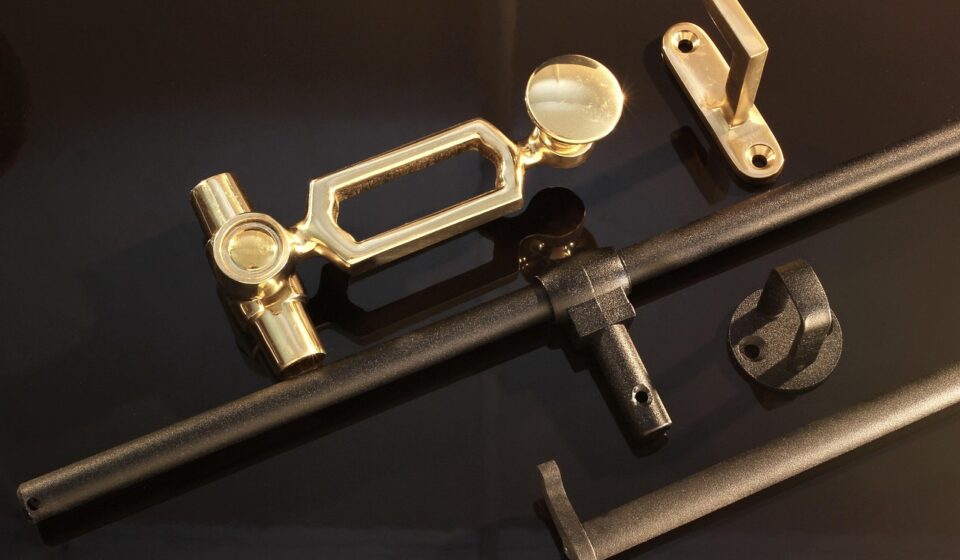
Window fasteners are small hardware parts used to secure, hold, limit, or operate a window sash. The term can refer to sash fasteners, casement fasteners, locking handles, stays, restrictors, sliding locks, and the screws or fixings that attach these parts to the frame. For buyers, installers, and specifiers, the key question is not simply whether the fastener closes the window. It also has to suit the window type, frame material, exposure environment, security expectation, and any emergency-use requirement.
A suitable fastener helps align the sash, resist everyday vibration, limit corrosion, and allow normal operation without excessive force. A poor match can loosen, stain surrounding materials, jam the sash, or create a safety issue if it obstructs a required escape opening. For related hardware topics, see the Fasteners category.
Common types of window fasteners
Window fastener terminology varies by market. In the United Kingdom and many Commonwealth markets, a “window fastener” often means a handle or latch used to secure a casement window. In North America, the word may also include screws, bolts, clips, or locking hardware used in a window assembly. The categories below cover the most common meanings used in construction, refurbishment, and replacement work.
Sash fasteners
Sash fasteners are used on hung windows, sliding sash windows, and some traditional timber windows. Their main role is to draw two meeting rails together and reduce movement when the window is closed. They are not always high-security devices on their own, but correct alignment can improve sealing and reduce rattling.
Casement fasteners and locking handles
Casement fasteners secure side-hinged or top-hinged windows. Traditional designs include hook, wedge, and cockspur-style fasteners. Modern versions may use a handle connected to an espagnolette or multipoint locking mechanism. Multipoint systems are common in uPVC, aluminum, and contemporary timber windows because they lock the sash at several points along the edge.
Stays and friction hinges
Window stays hold an open sash in a selected position. Friction hinges can support the sash and control opening resistance. These components are often confused with locking fasteners, but their function is different: they manage the open position rather than only securing the closed position.
Restrictors and opening control devices
Restrictors limit how far a window can open. They are often used for child fall prevention, ventilation control, or managed access in multi-story buildings. They need careful specification on windows that may serve as emergency escape and rescue openings. A restrictor that cannot be released from the inside in a simple way may conflict with life-safety requirements in some jurisdictions.
Mounting screws and fixing fasteners
The screws or fixing fasteners are just as important as the visible handle. A stainless steel latch attached with an incompatible or undersized screw can still fail. Fixings should suit the substrate, such as timber, aluminum, steel reinforcement, or uPVC profiles, and should avoid galvanic corrosion where dissimilar metals are in contact.
Material choices and corrosion resistance
Material selection depends on exposure, budget, appearance, load, and compatibility with the window frame. Interior dry environments may allow a wider range of plated or coated parts. Coastal, industrial, humid, or pool-side environments need more cautious specification because airborne salts and chemicals can attack coatings and base metals.
| Material or finish | Typical strengths | Common limitations | Where it is often used |
|---|---|---|---|
| Stainless steel | Good corrosion resistance and strength, especially when the grade suits the environment | Higher cost; lower grades may still stain in marine exposure | Coastal hardware, screws, restrictors, exposed fixings |
| Brass or bronze | Traditional appearance and good wear characteristics | Can tarnish; may need finish maintenance | Heritage timber windows and decorative sash fasteners |
| Zinc die-cast hardware | Economical and easy to form into handle shapes | Performance depends heavily on coating quality and design thickness | Residential handles and latch bodies |
| Aluminum | Lightweight and naturally corrosion resistant in many environments | Thread strength and wear points need design attention | Modern window handles and frame-compatible components |
| Plated carbon steel | Strong and cost-effective | Cut edges, damaged coatings, and salt exposure can accelerate rusting | Internal mechanisms, brackets, and some screws |
European building hardware standards such as EN 1670 classify corrosion resistance through salt-spray-based testing. EN 13126 covers requirements and test methods for hardware used on windows and door-height windows, including categories such as window fastener handles. In North American fenestration practice, AAMA and FGIA documents are often referenced for window and door hardware performance, while some coating specifications focus on hardware components rather than every fixing screw. The practical lesson is straightforward: do not assume that a shiny finish, a brand name, or the word “weatherproof” is enough. Ask what test basis, material grade, and exposure category apply.
Security and safety are related but not the same
Security-focused buyers often look for stronger locks, keyed handles, concealed fixings, and multipoint engagement. These features can reduce casual tampering, but they should not be treated as a substitute for the full window system. Glass type, frame strength, hinge design, installation quality, and the surrounding structure all affect forced-entry resistance.
Safety has a different priority. A window fastener must not create a hidden hazard for occupants. The clearest example is an emergency escape and rescue opening. Model building codes used in the United States, including ICC code provisions, commonly require applicable escape openings to be operable from the inside without keys, tools, or special knowledge. They also address bars, grilles, covers, and similar devices installed over escape openings. Local adoption and amendments vary, so the authority having jurisdiction should be checked before relying on any general rule.
For child fall prevention, ASTM F2090 is a commonly referenced standard for window fall prevention devices with emergency escape release mechanisms. This matters because a device can limit a child’s ability to open a window widely while still allowing release when an emergency opening is required. The detail is critical: a basic chain, keyed lock, or improvised stop may look safe in daily use but may not be appropriate where fast emergency release is required.
How to choose window fasteners for a project
A practical selection process starts with the window, not the catalog page. The correct fastener for a timber sash window is different from one used on a uPVC casement, an aluminum sliding window, or a tilt-and-turn system. Before choosing hardware, confirm the operating type, frame material, sash weight, closing direction, gasket compression, and available fixing points.
Match the fastener to the window type
- Casement windows: Consider the handedness of the sash, keeper position, gasket compression, and whether a single-point or multipoint lock is needed.
- Sash windows: Check meeting rail alignment and whether the fastener is primarily for pull-in, security, ventilation control, or heritage appearance.
- Sliding windows: Confirm whether the lock engages into the frame, into the opposing panel, or into a separate keeper. Anti-lift features may be relevant.
- Tilt-and-turn windows: Use hardware designed for the system. Improvised fasteners can interfere with the sequence of tilt, turn, and locking positions.
- Awning and hopper windows: Check gravity, hinge load, and whether the operator or stay carries part of the control function.
Check frame and screw compatibility
The visible latch body may be strong, but the fixing can still be the weak point. Timber generally needs correct pilot holes and adequate screw length. Aluminum may require machine screws, rivnuts, or reinforced fixing zones. uPVC windows often rely on steel reinforcement inside the profile, so screw length and position must be chosen carefully. For metal-to-metal contact, consider galvanic compatibility, especially in damp environments.
Confirm the operating force
A fastener should not require excessive force to close. High closing force can point to poor sash alignment, compressed seals, distorted hinges, paint buildup, or incorrect keeper placement. Forcing the handle may hide the real issue and shorten the life of the gear.
Decide whether key locking is appropriate
Key-locking handles can be useful for security and child safety, but they are not suitable for every location. Where a window must serve as an emergency escape route, the release method needs special attention. Even where code does not require an escape opening, building owners should consider who uses the room, how the key is stored, and whether a visitor could open the window in an emergency. See also: Buying Guides.
Installation details that prevent early failure
Many window fastener problems are not caused by the handle alone. They often start with alignment, incorrect fixings, over-tightening, or lack of maintenance. A latch that is slightly mispositioned may work on the day of installation but become difficult after seasonal movement, settlement, or gasket aging.
- Mark and test before final fixing. Close the sash gently and confirm that the fastener engages without pulling the window out of square.
- Use the correct pilot hole. A pilot hole that is too small can split timber or distort a profile; one that is too large reduces pull-out resistance.
- Avoid over-tightening. Screws driven too hard can strip threads, crack cast components, or deform thin frame sections.
- Keep paint and sealant clear of moving parts. Paint buildup around keepers and pivot points is a common cause of sticking hardware.
- Check drainage paths. Some corrosion problems are made worse when water is trapped behind hardware or inside the frame.
For replacement work, measure more than the old screw holes. Existing holes may already be worn, enlarged, or incorrectly placed. If the original fastener failed because the sash was misaligned, installing the same part in the same position may repeat the failure.
Maintenance and inspection checklist
Window fasteners should be inspected periodically, especially in rental housing, schools, hotels, coastal buildings, and upper-floor rooms. The aim is not only to keep the window closing, but to identify problems before a fastener fails or becomes unsafe.
- Open and close the window to confirm smooth operation.
- Check that screws are tight but not stripped.
- Look for rust, white corrosion, blistered coating, or staining around the hardware.
- Confirm that keepers and latch points still align.
- Test restrictors and release mechanisms where fitted.
- Clean debris from tracks, hinges, and drainage paths.
- Use lubricant only where the hardware maker permits it; some friction stays and plastic components can be damaged by the wrong product.
- Replace damaged keyed handles, missing keys, cracked castings, and improvised stops.
Corrosion deserves particular attention. Red rust on steel fixings, pitting on plated parts, or powdery deposits near aluminum can signal that the material combination or exposure category is wrong. In coastal buildings, upgrading only the visible handle may not solve the problem if the screws, springs, or internal gear remain vulnerable.
Common selection mistakes to avoid
The first mistake is treating all window fasteners as universal. Similar-looking handles may have different spindle lengths, backsets, screw centers, projection, hand orientation, and keeper geometry. The second mistake is choosing by finish alone. A satin, chrome, black, or brass-colored coating says little about base metal, corrosion resistance, or cycle performance unless it is linked to a recognized specification.
A third mistake is ignoring the window’s safety role. Adding a keyed lock, screw stop, or security bar may improve perceived security while making a required escape opening harder to use. Another common mistake is mixing metals without considering corrosion. Stainless screws, carbon steel brackets, aluminum frames, and treated timber can interact differently depending on moisture, coatings, and preservatives.
Finally, avoid using window hardware to correct structural or installation problems. If a sash is twisted, a frame has moved, or hinges are worn, a stronger fastener may only add stress. Repair the underlying condition before upgrading the latch.
Frequently asked questions
Are window fasteners and window locks the same?
Not always. A window lock is usually intended to secure the window against opening. A window fastener may secure, hold, limit, or attach part of the window assembly. Some products perform both functions, but the terms should be checked in the product description.
What is the best material for window fasteners near the coast?
There is no single best material for every coastal project, but corrosion-resistant stainless steel, suitable marine-grade finishes, and compatible screws are commonly preferred. The key is to specify the complete hardware set, including fixings and internal parts, for the exposure environment.
Can I add a keyed fastener to a bedroom window?
Possibly, but first confirm whether the window is required for emergency escape and rescue. If it is, the release method may need to work from the inside without a key, tool, or special knowledge, depending on local code requirements. Check local rules before installation.
Why does my new window fastener feel hard to close?
Common causes include poor keeper alignment, compressed seals, hinge sag, frame movement, paint buildup, or the wrong fastener geometry. Do not keep forcing it; inspect the sash alignment and fixing position.
Should fastener screws be the same material as the handle?
They do not always have to be identical, but they should be compatible with the handle, frame, and exposure conditions. In damp or exterior locations, incompatible metals can accelerate corrosion and loosen the assembly over time.
Key takeaway
Window fasteners are small parts with a large effect on comfort, security, durability, and safety. A good specification matches the fastener to the window type, uses materials suited to the environment, respects emergency-use requirements, and includes the correct fixing method. For industry buyers and installers, the best result usually comes from treating the fastener as part of the full window system rather than as an isolated accessory.