Fall yard maintenance tips for a safer, cleaner outdoor space
A practical fall yard plan starts with what can fail in winter
Fall yard maintenance is most effective when it focuses on the things most likely to cause winter problems: clogged drainage, matted leaves, exposed soil, wet tools, and loose outdoor hardware. Handle those areas before freezing temperatures, heavy rain, or snow makes access more difficult. Work in order of risk—drainage and safety first, then lawn care, garden beds, pruning decisions, and tool storage. Guidance from agencies such as the EPA and FEMA, supported by university extension recommendations, points to the same core practices: keep organic debris out of storm drains, move water away from the home, avoid stressing turf before dormancy, and store tools clean and dry.
For more seasonal home and yard guidance, see the Maintenance Tips section.
Clear leaves without stripping the yard bare
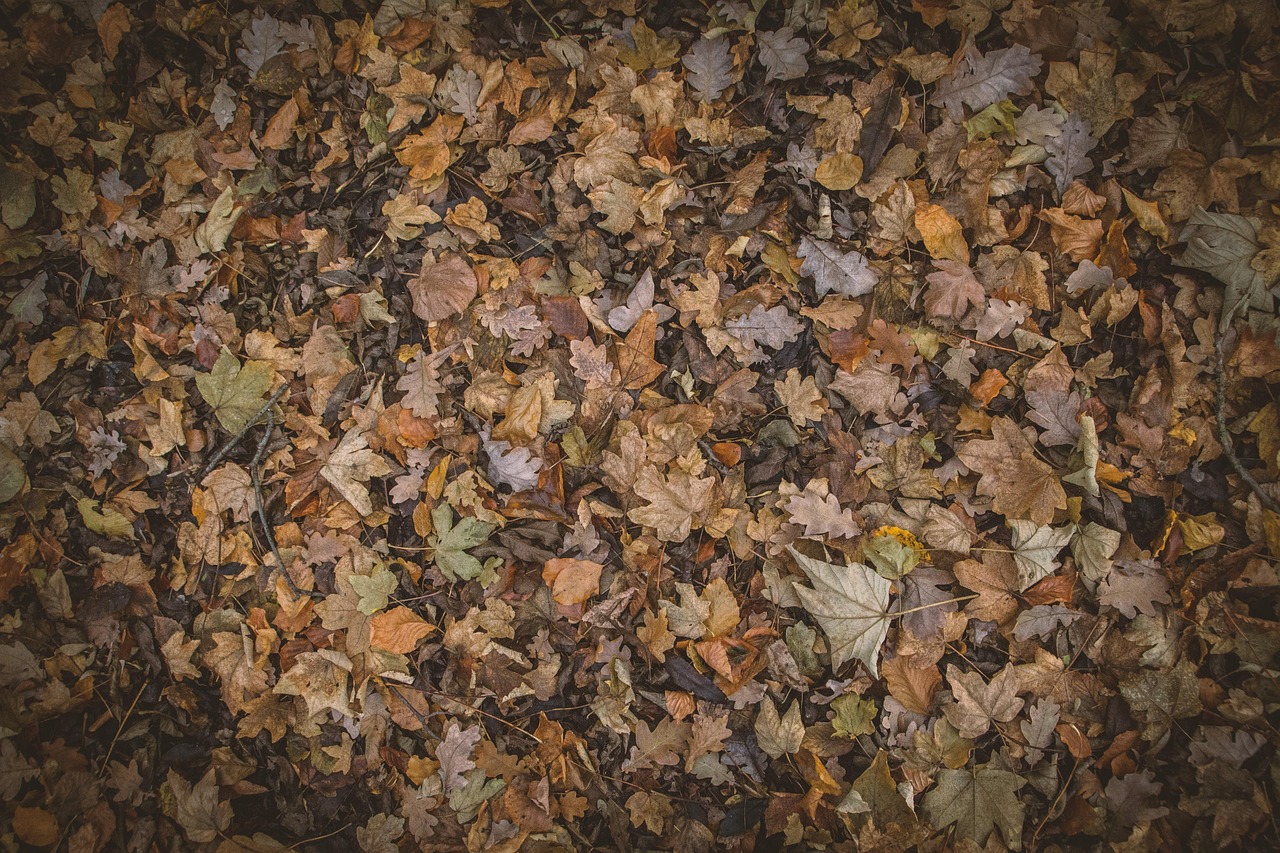
Leaves are useful organic material, but only in the right place and amount. A thin layer of dry leaves can be chopped with a mower and returned to the lawn, where it breaks down faster than whole leaves. Thick, wet leaf mats are different. They can block light, hold moisture against turf, and smother grass during the period when cool-season lawns are still storing energy.
A balanced approach works better than removing every leaf or leaving all leaves where they fall. Move excess leaves from turf to garden beds, compost areas, or municipal yard-waste collection. EPA yard-care guidance treats leaves and grass clippings as valuable material for compost or mulch, while also warning that yard waste should not wash into storm drains. That distinction matters: leaves are useful in a bed or bin, but they can become a water-quality problem when they collect in streets, gutters, and drain inlets.
- Mulch thin leaf layers on turf: Mow when leaves are dry and not deep enough to blanket the grass.
- Move heavy leaves to beds: Shredded leaves work better than whole, dense leaves because they settle less and decompose faster.
- Keep hard surfaces clean: Sweep leaves away from sidewalks, driveways, curb lines, and storm drains.
- Separate diseased plant material: Do not compost visibly diseased leaves or stems in a casual backyard pile unless local extension guidance says the material can be handled safely.
Basic handling tools make the work faster and cleaner. A durable rake, leaf scoop, compost fork, tarp, yard-waste bags, and a weather-resistant compost bin can turn leaf cleanup from a repeated chore into a controlled material-handling job.
Protect gutters, downspouts, and drainage paths
Water management is one of the highest-value fall tasks. FEMA winter-preparedness materials advise keeping gutters clear of leaves, sticks, and other debris and making sure downspouts direct water away from the home. Clogged roof drainage can overflow near foundations, add moisture to walkways, and contribute to freezing problems in cold regions.
Do not treat gutter cleaning as a cosmetic job. It is part of the same drainage system as splash blocks, downspout extensions, swales, rain gardens, and soil grading. After most leaves have fallen, inspect the full path water will take during a storm. If water exits a downspout and immediately runs back toward the foundation, the issue is not solved. Add or adjust a downspout extension, splash block, or drainage channel so water moves away from vulnerable areas.
| Area to check | What to look for | Useful material or hardware |
|---|---|---|
| Gutters | Leaves, sticks, shingle grit, sagging sections | Gloves, scoop, gutter brush, replacement hangers |
| Downspouts | Blocked elbows, loose straps, water discharging too close to the wall | Downspout extension, screws, brackets, splash block |
| Storm drains and curb lines | Leaf piles or sediment that can wash into the drain | Push broom, rake, collection bags |
| Low spots | Standing water near beds, paths, sheds, or patios | Gravel, edging, soil amendment, drainage fabric if appropriate |
If ladder access is needed, use conservative judgment. Wet leaves, uneven soil, and cold metal surfaces increase the risk of slipping or losing balance. For high rooflines, steep slopes, or unstable ground, ground-based tools or professional help may be safer than climbing.
Maintain the lawn for dormancy, not summer growth
Fall lawn work should support root health and winter survival, not push the lawn to behave as if it is midsummer. University extension turf guidance commonly recommends the one-third mowing rule: do not remove more than one-third of the grass blade at one mowing. Iowa State University Extension and Virginia Cooperative Extension both emphasize this principle in lawn-care guidance because cutting too much leaf area at once stresses the plant.
Continue mowing while the grass is actively growing, but avoid a dramatic final scalping at the end of the season. The correct mowing height depends on grass type and region, so local extension recommendations are more reliable than one national number. For most routine maintenance, keep the mower sharp, cut only when needed, and make height changes gradually if the lawn has grown tall.
Leaves affect mowing conditions as well. When the leaf layer is light and dry, mulching them with the mower can be useful. When leaves are wet, deep, or piled after a storm, remove or redistribute them first. Mowing heavy wet leaves can leave clumps on the turf, block airflow, and make equipment work harder.
- Keep blades sharp so grass is cut cleanly rather than torn.
- Avoid mowing when soil is saturated, especially on slopes or compacted areas.
- Use leaf mulching only when chopped material can fall between grass blades instead of forming a mat.
- Follow local fertilizer timing rules, especially where nutrient runoff regulations apply.
If a lawn has bare areas, fall may be a useful repair season in many cool-season regions, but timing varies widely. Seeding too late can leave young turf vulnerable to frost, leaf cover, and traffic. Local extension calendars are the best source for timing because climate, grass type, and first-frost dates differ by area.
Clean garden beds selectively
Traditional fall cleanup often meant cutting everything down and hauling it away. Current extension guidance is more selective. Diseased plant material should be removed because it can carry problems into the next growing season. Healthy stems, seed heads, and some leaf litter may be worth leaving in low-risk areas because they protect soil, reduce erosion, and provide overwintering habitat for beneficial insects and wildlife.
A practical method is to sort beds into three groups. First, remove anything diseased, pest-infested, slimy, or collapsing onto walkways. Second, trim plants that create safety or access problems around doors, steps, meters, vents, and paths. Third, leave healthy stems or seed heads where they do not trap moisture against structures or create a spring cleanup problem that will be hard to manage.
Mulch is helpful, but depth and placement matter. EPA composting and greenscaping materials describe compost and organic mulch as useful for improving soil, conserving moisture, and protecting the soil surface. At the same time, mulch should not be piled against trunks, stems, siding, or wooden structures. Keep a small gap around plant crowns and tree trunks to reduce moisture problems.
- Use shredded leaves: They settle more evenly than whole leaves and are less likely to blow away.
- Cover bare soil: Mulch, compost, or region-appropriate cover crops can reduce erosion and winter weed pressure.
- Keep mulch away from wood and stems: Avoid creating damp contact points that invite decay.
- Label perennials: Weatherproof markers or metal tags help prevent accidental digging in spring.
Inspect outdoor hardware, structures, and materials
Fall is also the time to look beyond plants. Fences, gates, raised beds, trellises, edging, hose reels, storage hooks, hinges, latches, landscape fabric pins, and deck fasteners all take stress from wind, moisture, freeze-thaw cycles, and seasonal movement. Small failures are easier to correct before winter than after a post has shifted, a gate has dropped, or a trellis has collapsed under wet vines. See also: Buying Guides.
Walk the yard with a screwdriver, wrench, gloves, and a small container for loose fasteners. Tighten gate hinges, replace rusted screws, check brackets on hose reels, and secure panels or screens that may rattle in winter wind. In damp outdoor locations, choose corrosion-resistant fasteners and fittings that match the exposure. Galvanized or stainless hardware is often more suitable outdoors than plain steel, especially where parts contact treated lumber, soil moisture, or repeated rainfall.
Raised beds and edging deserve close inspection. Soil expands and contracts with moisture changes, and winter can make loose corners or bowed boards worse. Add corner braces, replace broken stakes, and remove sharp edges before they become hidden under snow or leaves. If landscape fabric is exposed, re-pin it or cover it with mulch so wind does not lift it.
Winterize tools, hoses, and power equipment
Tool care is part of yard maintenance, not a separate chore. Iowa State University Extension advises removing soil from tools, washing and drying them, sharpening blades, protecting metal surfaces, treating wooden handles, and storing tools in a dry location. University of Vermont Extension also recommends inspecting garden tools for damage, draining hoses, and storing batteries away from freezing conditions when appropriate.
Start with hand tools. Scrape caked soil from shovels, hoes, rakes, and trowels. Dry them thoroughly before storage. A light protective coating on metal surfaces helps reduce rust, while rough wooden handles can be sanded and treated so they are less likely to crack. Hang long-handled tools where edges do not rest on damp concrete.
Next, handle hoses and watering equipment. Disconnect hoses before freezing weather, drain them fully, and store them coiled without sharp kinks. Shut off and drain irrigation lines where freezing is expected. If you use quick-connect fittings, spray nozzles, timers, or hose splitters, remove and store small parts indoors so seals and threads are protected.
For powered equipment, follow the manufacturer manual. The U.S. Consumer Product Safety Commission has long emphasized that injuries with lawn and garden power tools are linked to improper use, poor maintenance, and inadequate safety apparel. Wear heavy gloves when handling blades, disconnect power sources before maintenance, and do not reach under equipment unless it is fully shut down and secured. For battery tools, use the storage temperature and charging guidance supplied by the manufacturer.
A two-pass checklist prevents rushed cleanup
Fall weather can change quickly, so divide the work into two passes instead of trying to finish everything in one weekend. The first pass should happen in early to mid-fall, when plants are still visible and days are long enough for repairs. The second pass should happen after most leaves have fallen but before persistent freezing, snow, or heavy winter rain.
| Timing | Main goal | Tasks |
|---|---|---|
| Early to mid-fall | Repair and prepare | Check fences, gates, beds, tool storage, drainage paths, mower condition, and irrigation shutoff plans. |
| After major leaf drop | Clear and stabilize | Clean gutters, move heavy leaves off turf, protect beds with mulch, drain hoses, and secure loose outdoor materials. |
| Before the first hard freeze | Reduce winter risk | Disconnect water accessories, store batteries, remove tripping hazards, and confirm downspouts discharge away from the home. |
This two-pass system also makes material planning more accurate. Use the first walk-through to list what is actually needed: gutter screws, downspout extensions, leaf bags, compost bin parts, replacement tool handles, mower blades, pruning blades, hooks, brackets, and weatherproof labels. The second pass is then about execution, not discovery.
Frequently asked questions
Should I remove all leaves from my yard in fall?
No. Remove heavy leaves from turf, hard surfaces, drainage areas, and diseased beds, but consider using clean leaves as mulch or compost. Shredded leaves are easier to manage than whole leaves and are less likely to form dense mats.
When should I clean gutters in fall?
Clean gutters after most leaves have dropped, but before freezing weather, heavy winter rain, or snow makes access difficult. Homes with overhanging trees may need more than one cleaning.
Is fall a good time to cut perennials to the ground?
Sometimes, but not always. Remove diseased or collapsing plant material, especially where it affects airflow or access. Healthy stems and seed heads can often remain in selected beds until spring if they do not create safety or moisture problems.
What tools are most useful for fall yard maintenance?
A rake, push broom, tarp, leaf scoop, pruners, gloves, hose reel, gutter scoop, screwdriver, wrench, sharpening file, and dry storage hooks cover many common tasks. For hardware repairs, keep corrosion-resistant screws, brackets, stakes, and downspout fittings on hand.
What is the biggest fall yard maintenance mistake?
The biggest mistake is focusing only on appearance. A spotless yard can still have clogged gutters, poor drainage, dull mower blades, wet tools, loose hardware, and heavy leaf mats on turf. Prioritize the risks that can become expensive or unsafe in winter.