Indoor plants maintenance tips that keep houseplants healthy year-round
Build a routine around light, water, and drainage
Good indoor plants maintenance tips start with a practical rule: match care to the plant’s actual growing conditions, not to a fixed weekly schedule. Most houseplant problems come back to a few common causes, including too little or too much light, waterlogged potting mix, poor drainage, dry indoor air, over-fertilizing, or pests that are not spotted early. A sound routine should include a quick light check, a soil-moisture check before watering, drainage that allows excess water to escape, light feeding during active growth, and regular inspection of leaves and stems.
This guide is for homeowners, renters, office managers, and maintenance-focused readers who want specific steps rather than broad plant care advice. It also fits with other home care topics in our Maintenance Tips section, especially where plant care overlaps with indoor materials, containers, tools, and room conditions.
Public horticultural guidance from university extension programs and the Royal Horticultural Society consistently points out that houseplants do not all need the same care. A cactus, peace lily, fern, pothos, orchid, and ficus may share the same room, but they do not share the same water, light, soil, and humidity requirements. The best routine is flexible: observe the plant, check the potting mix, and adjust as light, temperature, and season change.
Choose the right place before changing the plant
Many indoor plant failures begin before the first watering. A plant bought for a dark corner may actually need bright indirect light. Another placed in direct afternoon sun may develop scorched or crispy leaves. Before adding fertilizer, repotting, or pruning, check whether the location suits the plant.
Read the room’s light realistically
Indoor light is often weaker than it appears to the human eye. South- and west-facing windows generally provide stronger light in many homes, while north-facing windows and deep interior corners are much dimmer. Sheer curtains, blinds, neighboring buildings, tinted glass, and seasonal sun angles can all change the result. Flowering houseplants and many variegated plants usually need brighter conditions than tough foliage plants that tolerate lower light.
Use these practical categories as a starting point:
- Bright direct light: Sunny windowsills suitable for some succulents, cacti, and sun-tolerant plants, provided leaves are not scorching.
- Bright indirect light: Near a bright window but out of harsh direct sun; often suitable for many common tropical foliage plants.
- Medium light: A few feet from a bright window or close to an east-facing window; workable for adaptable plants.
- Low light: Areas where reading is possible but direct sunlight is limited; choose tolerant plants and expect slower growth.
If growth becomes weak, stretched, pale, or one-sided, light may be insufficient. Rotate pots periodically for even growth, but avoid moving a stressed plant repeatedly between extreme conditions.
Use grow lights when the room cannot provide enough light
A grow light can help in dim apartments, offices, basements, or winter rooms with short daylight. Choose a stable, correctly rated fixture and position it according to the plant’s needs and the manufacturer’s instructions. Hardware matters here: an adjustable stand, timer, safe cord management, and a grounded outlet setup can make the difference between useful maintenance and clutter. Do not let hot bulbs touch leaves, curtains, shelving, or other materials.
Water by soil condition, not by the calendar
Watering is the area where simple habits prevent the most damage. Extension horticulture sources regularly warn that both underwatering and overwatering can cause wilting. A drooping plant should not automatically receive more water; the soil needs to be checked first.
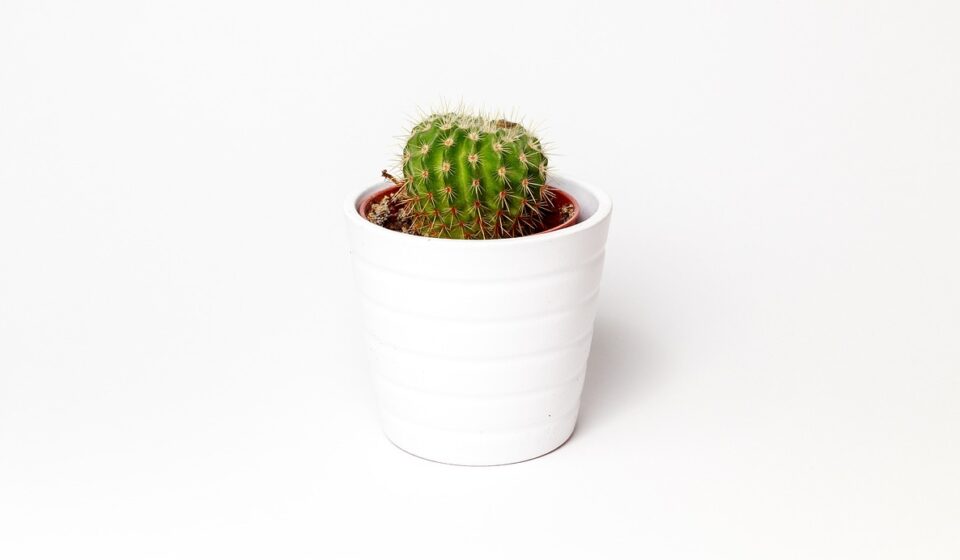
For many common houseplants, the basic method is to test the top layer of potting mix with a finger. If the top inch feels dry, watering may be needed. Plants that prefer drier conditions, such as many succulents and cacti, should dry more deeply between waterings. Plants that prefer consistent moisture may need attention sooner, but they still should not sit in stagnant water.
Water thoroughly, then let excess drain
When watering is needed, apply water evenly across the surface until some drains from the bottom of the pot. This helps moisten the root zone rather than only the top layer. Afterward, empty the saucer or outer cachepot so the roots are not standing in water. Standing water can reduce oxygen around roots and create conditions associated with root rot and fungus gnat problems.
Containers without drainage holes are risky for beginners because it is hard to know how much water remains at the bottom. If a decorative pot has no hole, use it as a cover pot and keep the plant in a removable nursery pot with drainage. This gives you the appearance you want while keeping maintenance practical.
Adjust watering as seasons change
Indoor plants usually use more water when they are actively growing in brighter conditions and less water when light is low or temperatures are cooler. In winter, many houseplants grow more slowly, so the same watering schedule used in spring or summer can leave the mix too wet. Heating systems can dry room air while the soil may still remain damp, so check the mix instead of guessing.
If plants spend summer outdoors and come back inside before cold weather, reduce watering gradually as indoor light drops. University extension guidance commonly recommends inspecting plants before bringing them indoors and adjusting care because indoor winter growth is slower.
Match pots, potting mix, and tools to the plant
Indoor plant care is not only about the plant itself. The container, potting mix, saucer, pruners, watering can, and cleaning tools all affect maintenance. For a hardware and home materials audience, this is where plant care connects directly to a durable, practical setup.
Pick pots with drainage and stable proportions
A good pot should be stable, sized appropriately, and able to drain. Oversized pots hold extra wet mix around a small root system, which can raise the risk of root problems. Pots that are too small dry out quickly and may tip over as the plant grows. As a general maintenance rule, move up only one pot size when repotting unless the plant has a special requirement.
For tall plants, broad-based planters are safer than narrow lightweight pots. For shelves, windowsills, and desks, use saucers or trays to protect surfaces from water marks, but empty them after watering. If placing pots on wood, metal, stone, or laminate surfaces, add a protective mat or riser so trapped moisture does not damage the material underneath.
Use the right potting mix
Garden soil is usually too dense for indoor containers. A good indoor potting mix should hold some moisture while still allowing air and drainage around the roots. Orchids, cacti, succulents, African violets, and many other specialty plants may need specific mixes. If a plant repeatedly stays wet, smells sour, shows root decline, or develops surface algae, the potting mix and drainage deserve attention.
Refreshing the top inch or two of mix can help a plant that is otherwise doing well in its pot. Full repotting is more appropriate when roots circle tightly, grow through drainage holes, the plant dries out unusually fast, or the mix has broken down.
Feed, prune, and clean without overdoing it
Fertilizer supports growth, but it does not fix low light, root damage, soggy soil, or pest pressure. Over-fertilizing can lead to salt buildup and root injury, especially when plants are growing slowly. University extension advice commonly recommends feeding mainly during active growth and reducing or pausing fertilizer during low-light winter periods.
Feed lightly during active growth
For general houseplants, a balanced houseplant fertilizer at reduced strength is often safer than heavy feeding. Always follow the product label, and remember that plants in brighter light and active growth may use nutrients faster than plants in dim locations. Newly purchased plants may already contain fertilizer from the grower, so immediate feeding is not always necessary.
Signs that feeding needs adjustment include pale overall color, weak new growth, white crust on the soil or pot, brown leaf tips after repeated fertilizing, or rapid leggy growth. When in doubt, solve light and watering issues first, then feed conservatively. See also: Buying Guides.
Prune for health and shape
Remove yellow, dead, or damaged leaves with clean scissors or pruners. Trim leggy stems just above a node to encourage fuller growth on plants that respond well to pruning. Avoid removing too much foliage from a stressed plant at once; leaves are the plant’s energy-producing surface.
Clean tools matter. If a plant shows disease or pest problems, wipe debris from pruners and disinfect them before using them on another plant. This small maintenance step helps prevent problems from spreading across a plant collection.
Clean leaves so they can function
Dust blocks light from reaching leaf surfaces and makes pests harder to spot. Wipe broad leaves gently with a damp cloth, or rinse sturdy plants with lukewarm water. Avoid heavy leaf-shine products because several horticultural sources caution that they are unnecessary and may interfere with normal leaf function. Fuzzy-leaved plants should be cleaned more gently with a soft brush rather than soaked.
Control humidity, airflow, and temperature stress
Many popular houseplants come from tropical or subtropical environments, but homes often have dry air, drafts, heating vents, air-conditioning, and temperature swings. Brown leaf tips, bud drop, or crispy edges can be linked to low humidity, inconsistent watering, salt buildup, or heat stress, so look at the whole environment before choosing a fix.
A room humidifier is usually more effective than occasional misting for plants that need higher humidity. Pebble trays can help slightly around individual plants if the pot sits above the water rather than in it. Misting may briefly wet leaves, but it does not reliably change room humidity for long, and frequent wet foliage can contribute to disease issues on some plants.
Keep plants away from heating vents, cold drafts, exterior doors, and hot radiators. If you move plants outdoors in warm months, bring them back before cold nights. University of Minnesota Extension guidance uses 50°F nighttime temperatures as a cautious threshold for many tropical houseplants, with exceptions for some tougher plants.
Inspect for pests before they spread
Pests are easier to manage when found early. A weekly inspection takes less than a minute per plant: look under leaves, along stems, at new growth, and on the soil surface. Sticky residue, fine webbing, white cottony clusters, distorted new leaves, tiny flying insects, or bumps on stems can all signal a problem.
Common indoor plant pests include aphids, mealybugs, scale insects, whiteflies, thrips, spider mites, and fungus gnats. Penn State and University of Minnesota Extension materials both stress isolation as an important first step when pests are detected. Move the affected plant away from others while you identify and treat the issue.
| Symptom | Possible cause | Maintenance response |
|---|---|---|
| Yellowing leaves and wet soil | Overwatering, poor drainage, or root stress | Pause watering, check drainage, remove standing water, and inspect roots if decline continues |
| Brown crispy edges | Low humidity, underwatering, fertilizer salts, or direct sun scorch | Check soil moisture, light exposure, and feeding history before changing everything |
| Stretchy weak growth | Insufficient light or too much fertilizer in low light | Move to brighter indirect light or add a grow light; reduce feeding |
| Tiny flies near soil | Fungus gnats favored by moist potting mix | Let the surface dry more between waterings and use sticky traps if needed |
| Sticky leaves or surfaces | Sap-feeding pests such as scale, aphids, or mealybugs | Isolate the plant, wipe leaves, and treat according to a labeled indoor plant product if necessary |
For minor pest problems, nonchemical steps such as rinsing leaves, wiping insects away, pruning badly affected growth, or using yellow sticky traps for adult fungus gnats may help. If using insecticidal soap, horticultural oil, or another treatment, confirm that it is labeled for the plant and pest, test sensitive plants carefully, and follow all label directions.
Use a simple monthly houseplant maintenance checklist
A checklist helps prevent overreaction. Instead of changing every care factor when a plant looks unhappy, review the basics in order:
- Light: Is the plant receiving the level of light it needs?
- Water: Is the potting mix dry, moist, or wet below the surface?
- Drainage: Does water leave the pot, and is the saucer emptied?
- Pot size: Are roots circling tightly or growing through holes?
- Leaves: Are they dusty, yellowing, scorched, or distorted?
- Pests: Are insects, webbing, sticky residue, or larvae visible?
- Feeding: Is the plant actively growing, or is it resting in low light?
- Room conditions: Are vents, drafts, dry air, or cold windows stressing it?
A practical indoor plant kit can include a watering can with a narrow spout, sharp pruners, a microfiber cloth, saucers, pot risers, gloves, fresh potting mix, a small trowel, sticky traps, plant labels, and an optional moisture meter. A meter can be useful, but it should not replace observing the plant and feeling the potting mix.
Frequently asked questions
How often should indoor plants be watered?
There is no single correct schedule. Check the potting mix first. Many common houseplants can be watered when the top inch of mix feels dry, while succulents and cacti usually need a deeper dry-down. Light, temperature, humidity, pot size, plant size, and drainage all change watering frequency.
Should I fertilize indoor plants in winter?
Usually, fertilize less or not at all when plants are not actively growing in low winter light. Feeding is most useful during active growth. If you do fertilize, use a cautious rate and follow the product label.
Is misting enough to increase humidity?
Misting gives only a short-term effect and is not a dependable way to raise room humidity. For humidity-loving plants, a room humidifier or carefully managed pebble tray is more useful. Avoid keeping leaves constantly wet, especially where airflow is poor.
When should I repot a houseplant?
Repot when there is a clear reason: roots are circling tightly, roots are coming out of drainage holes, the plant dries out very quickly, the mix has degraded, or the plant has become unstable. Move up one pot size in most cases, and use a suitable fresh potting mix.
Are indoor plants safe for pets?
Not always. Some common houseplants are toxic to cats, dogs, or other pets, and even non-toxic plant material can cause stomach upset if eaten. The ASPCA maintains plant toxicity information, and pet owners should choose plants carefully, keep risky plants out of reach, and contact a veterinarian or poison control resource if ingestion is suspected.
Key takeaways for healthier indoor plants
The most reliable indoor plants maintenance tips are simple but consistent: place plants where their light needs are met, water only after checking the potting mix, use containers with drainage, feed lightly during active growth, repot only when needed, clean leaves, and inspect for pests before problems spread. Good care is not about doing more every week; it is about doing the right small checks at the right time.
For more practical home and material care ideas, visit the Maintenance Tips category.