Ipe deck maintenance tips for cleaning, oiling, and long-term care

What maintenance does an ipe deck actually need?
Effective ipe deck maintenance starts with a clear appearance goal: keep the warm brown color, or allow the boards to weather to silver-gray. Ipe is a dense tropical hardwood, so routine care is usually less about preventing quick failure of the deck boards and more about managing surface weathering, trapped moisture, finish buildup, and safety issues in the full deck assembly.
For a natural gray deck, regular cleaning and inspection may be enough. For a brown deck, the usual process is to clean, brighten when needed, allow the wood to dry, and apply a thin penetrating oil rather than a thick film finish. The USDA Forest Products Laboratory explains that exterior wood finish performance is closely tied to protection from water, sunlight, and weathering, which is the right framework for deciding what to do and what to skip. (research.fs.usda.gov) This guide belongs with our Maintenance Tips resources.
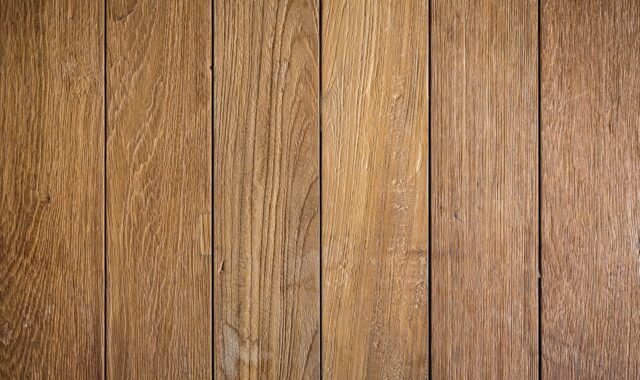
Decide whether you want gray ipe or oiled brown ipe
Many maintenance problems begin with an unclear target. Ipe can weather to a gray surface outdoors, and that color change alone should not be treated the same way as rot, loose fasteners, poor drainage, or structural movement. If the gray look is acceptable, the main work is keeping the deck clean, open to airflow, and safe. If the original brown tone is required, plan for a recurring finishing cycle.
| Maintenance goal | Typical care approach | What to watch |
|---|---|---|
| Natural silver-gray | Sweep, wash, clear gaps, and inspect the structure at least annually. | Gray color is acceptable, but algae, slippery growth, trapped leaves, and loose parts are not. |
| Warm brown color | Clean, brighten when needed, dry fully, and apply a thin penetrating hardwood oil when the color has faded. | Expect repeat maintenance; UV exposure and foot traffic will continue to fade the surface. |
| Restoring a neglected deck | Remove dirt, old incompatible coatings, and gray surface fiber before oiling. | Sanding may be needed if the surface is rough, blotchy, or coated with a failing film finish. |
Industry maintenance guides for ipe commonly describe a brown-to-gray weathering path and warn that the dense surface absorbs oil slowly, so thin coats and removal of excess finish matter. Those recommendations are useful, but they still need to be adjusted for climate, exposure, shade, drainage, and the specific finish label. (ipewoods.com)
Build a realistic annual maintenance schedule
A maintenance schedule should be simple enough to follow. Ipe decks in sunny, dry locations may need more color maintenance. Shaded or tree-covered decks often need more cleaning because pollen, leaves, algae, and mildew collect faster. Coastal decks also need closer attention to metal corrosion. A manufacturer technical sheet for a hardwood deck oil notes that horizontal surfaces collect dust, dirt, and pollen, recommends spring and fall cleaning for appearance, and warns against treating decks with that oil more than once per year. (deckwise.com) Treat that as product-specific guidance, not a universal rule, but the basic principle is sound: clean more often than you oil.
| Timing | Task | Why it matters |
|---|---|---|
| Monthly during heavy use | Sweep leaves, soil, food residue, and planter debris. | Organic debris holds moisture and can make the surface slippery. |
| Spring | Wash the deck, check board gaps, inspect railings, and look below the deck. | This catches winter moisture issues, loose parts, and blocked airflow before peak use. |
| After pollen season or leaf fall | Rinse and scrub as needed with a wood-safe cleaner. | Pollen and leaf tannins can stain or accelerate surface graying. |
| Before oiling | Clean, brighten if needed, rinse thoroughly, and allow full drying. | Oil applied over dirt or moisture can look blotchy and stay tacky. |
| Annually | Inspect stairs, framing, ledger, posts, railings, fasteners, and drainage. | Deck safety is broader than the visible ipe surface. |
How to clean an ipe deck before oiling or seasonal use
Cleaning should be firm, not aggressive. The aim is to remove contaminants without tearing up the surface fibers. Start by moving furniture, rugs, grills, and planters. Sweep the deck, then open the gaps between boards with a plastic putty knife or another non-marring tool. If water cannot drain through the gaps, no finish will correct the underlying moisture problem.
- Rinse loose grit first so it does not scratch the surface during scrubbing.
- Use a cleaner made for exterior wood or tropical hardwoods, following the label dilution and dwell time.
- Scrub with a soft or medium bristle brush along the board length, focusing on shaded areas and traffic lanes.
- Rinse thoroughly. Cleaner residue can interfere with oil penetration and leave streaks.
- Use a wood brightener only when the surface is dark, gray, tannin-stained, or uneven after cleaning.
- Let the deck dry fully before applying oil. Dense hardwood can look dry on the surface while still holding moisture in checks, joints, and shaded areas.
Pressure washing should be a last resort, not the default cleaning method. If it cannot be avoided, use low pressure, a wide fan tip, and constant movement, and test in an inconspicuous area first. Ipe-specific maintenance guidance warns that high-pressure washing can still damage surface grain even though the wood is hard. (ipewoods.com)
Oil ipe carefully instead of building a thick coating
Penetrating oil is used mainly to maintain color, add some water repellency, and reduce the raw look of weathered wood. It should not be applied like paint. A heavy coat can sit on top of ipe instead of soaking in, leaving shiny, sticky patches that collect dust. A hardwood deck finish technical sheet calls for a clean, dry surface, application when the surface is not hot to the touch, wiping unabsorbed oil within minutes, and careful disposal of oil-soaked materials because they can create a fire hazard. (deckwise.com) Always follow the label on the product actually being used.
When to oil
Oil when the goal is color maintenance and the surface has been properly cleaned. Do not oil simply because the calendar changed. If the deck is dirty, damp, already shiny, or coated with an incompatible finish, oiling can make the problem worse. In many climates, a brown ipe deck may need attention about once a year, but exposed southern or western faces, pool decks, roof decks, and dry high-UV sites may fade faster. Shaded decks may look darker longer but often need more cleaning.
How to apply
Work in manageable sections and keep a wet edge along the board length. Apply one thin coat with a brush, pad, roller, or cloth approved by the finish label. Watch how quickly the wood accepts the oil. If oil remains on the surface after the label window, wipe it off completely. More product does not automatically mean more protection. On ipe, excess oil usually becomes a cleanup problem.
How to restore uneven color
If the deck has turned gray evenly, cleaning and brightening may be enough before oiling. If it has old film-forming coatings, peeling spots, deep stains, or raised grain, sanding may be needed. Sand with the grain and remove dust before finishing. Fresh cut ends on replacement boards should be sealed with a compatible end-grain sealer to reduce checking at the cut, especially on exposed board ends. See also: Buying Guides.
Inspect moisture paths, airflow, and hardware
An ipe surface can look good while the overall deck still needs attention. The North American Deck and Railing Association provides a deck evaluation guide for annual inspection, covering stairs, footings and supports, posts and columns, beams and joists, the ledger, deck boards, handrail assemblies, guards, and additional features. (nadra.org) That broader checklist matters because many deck failures involve connections, framing, or rail systems rather than the decking boards alone.
- Check that water drains away from the house and does not pond on boards.
- Keep board gaps open so rain, wash water, and debris can move through.
- Avoid rubber-backed mats that trap moisture and stain the surface.
- Lift planters on feet or stands so air can move below them.
- Look for black staining around fasteners, lifted screws, cracked boards, or movement under foot.
- Inspect rail posts and stairs carefully; a sound-looking deck surface does not compensate for a weak guardrail.
If boards need to be replaced, match thickness, profile, fastener type, and spacing. Also check sourcing paperwork when buying new ipe. The U.S. Fish and Wildlife Service states that CITES Appendix-II listings for Trumpet trees, also called ipê, entered into force on November 25, 2024, affecting trade documentation for covered timber and wood products. (fws.gov) For a homeowner, the practical point is straightforward: buy replacement stock from suppliers that can document legal sourcing.
Common ipe deck maintenance mistakes to avoid
- Oiling dirty wood. Oil locks in dirt, pollen, and uneven color. Clean first, then finish.
- Applying heavy coats. Ipe is dense. If oil sits on the surface, wipe it off rather than leaving it to cure into a sticky film.
- Using interior or film-forming finishes outdoors. Thick coatings can peel under UV, moisture, and foot traffic.
- Ignoring the underside. Poor ventilation below the deck can cause cupping, persistent dampness, and corrosion issues.
- Cleaning only when oiling. A gray deck still needs washing and inspection even if you never plan to restore the brown color.
- Letting furniture hide problems. Move grills, rugs, and planters during inspection so stains, trapped debris, and loose boards are visible.
Troubleshooting visible problems
| Problem | Likely cause | Better response |
|---|---|---|
| Sticky or shiny patches | Too much oil left on the surface | Follow the finish label for cleanup and avoid adding more oil until residue is removed. |
| Uneven gray and brown areas | Mixed sun exposure, old finish, or uneven cleaning | Clean, brighten, and reassess before sanding or oiling. |
| Slippery dark patches | Algae, mildew, or organic buildup in shaded areas | Clean with a suitable exterior wood cleaner and improve airflow and drainage. |
| Raised fuzzy grain | Overly aggressive pressure washing or weathered surface fiber | Let dry, sand lightly with the grain, and change the cleaning method. |
| Boards cupping or holding water | Moisture imbalance, blocked gaps, poor ventilation, or installation issues | Clear drainage paths and evaluate ventilation, fastening, and substructure conditions. |
Frequently asked questions
How often should an ipe deck be oiled?
Oil only when you are maintaining the brown color and the surface is ready. Many maintained ipe decks are oiled roughly once a year, but exposure can shorten or lengthen that interval. If the surface still looks rich and is not absorbing product, cleaning may be all that is needed.
Can I leave ipe unfinished and let it turn gray?
Yes, if you like the silver-gray look. Leaving the surface unoiled reduces color-maintenance work, but it does not eliminate cleaning, gap clearing, safety inspection, or moisture control.
Do I need to sand an ipe deck every time before oiling?
No. Many decks need cleaning and brightening, not full sanding. Sand when the surface is rough, coated with a failing finish, stained beyond cleaning, or uneven enough that oil would highlight the problem.
Is bleach safe for cleaning ipe?
Avoid casual use of harsh household bleach. Use cleaners intended for exterior wood or tropical hardwoods, follow the label, and rinse thoroughly. Never mix cleaning chemicals.
What is the most important long-term maintenance habit?
Keep the deck clean and dry between rain events. Open gaps, good airflow, working drainage, sound fasteners, and annual inspection do more for long-term performance than frequent oiling alone.