Kitchen maintenance tips for safer cooking, cleaner surfaces, and longer-lasting hardware

A practical routine for a safer, longer-lasting kitchen
Kitchen maintenance works best when it is organized around risk: food-contact hygiene, cold storage, grease and heat, ventilation, moisture control, and the hardware that keeps cabinets, appliances, and fixtures secure. For homeowners, landlords, property managers, and facility teams, the purpose is the same: catch small sanitation, fire, indoor air, water-damage, and repair issues before they become expensive or unsafe.
This guide focuses on repeatable maintenance, not one-time deep cleaning. It reflects food safety guidance commonly published by FoodSafety.gov, USDA, and CDC; cooking fire prevention guidance from NFPA and the U.S. Fire Administration; indoor air guidance from EPA; and practical hardware care for faucets, hinges, drawer slides, fasteners, seals, and appliance supports. For more upkeep articles, visit the Maintenance Tips section.
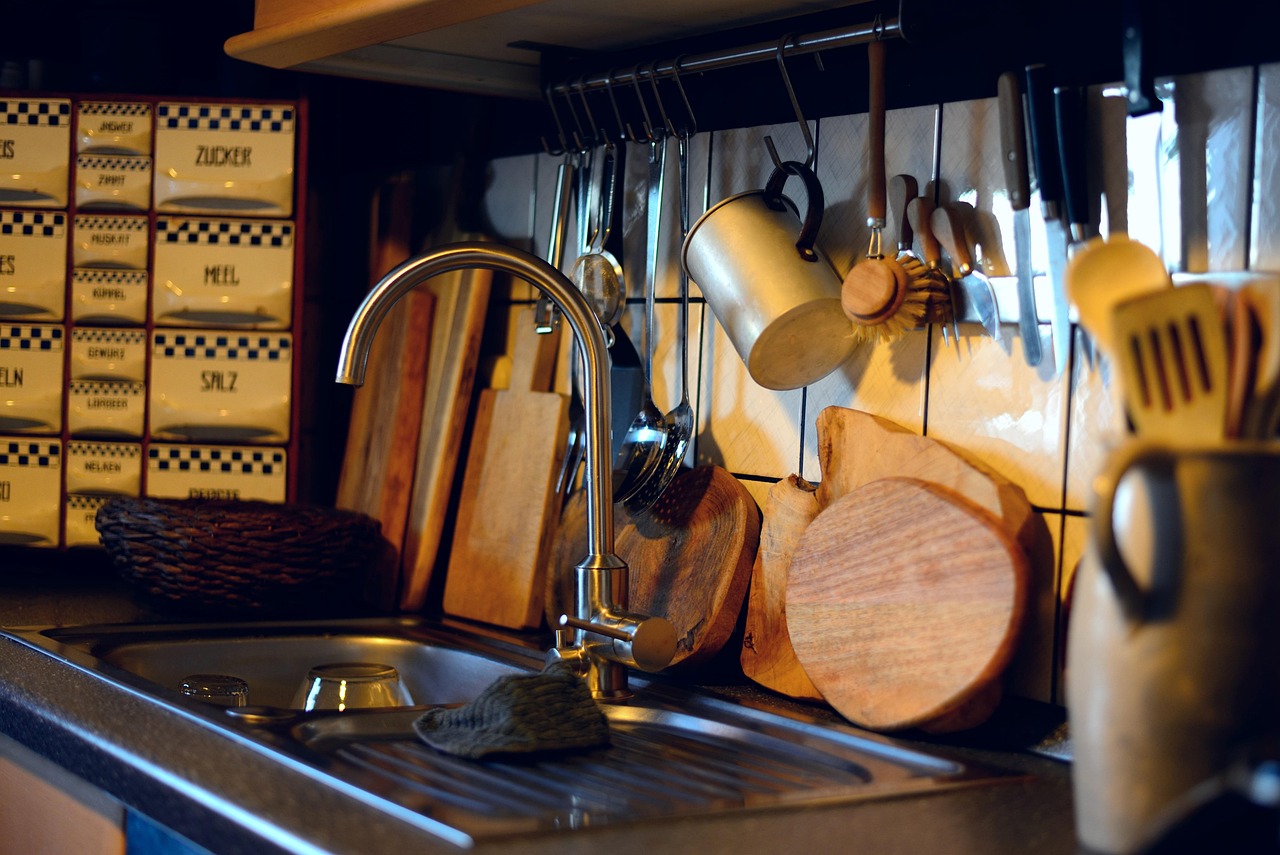
Start with the risk areas that fail first
A kitchen has many visible surfaces, but the highest maintenance value usually comes from a few risk areas: food-contact zones, heat zones, moisture zones, moving hardware, and hidden appliance spaces. Treating every area the same wastes time and can damage materials. A dry cabinet pull does not need the same cleaning chemistry as a raw-meat cutting board, and a refrigerator coil does not need the same inspection schedule as a sink strainer.
Use the following matrix to decide what to check first and how often to repeat it.
| Area | Main risk controlled | Practical maintenance action | Suggested frequency |
|---|---|---|---|
| Countertops, cutting boards, knives, and prep tools | Cross-contamination and food residue | Wash after food prep, sanitize when needed, and separate raw meat tools from ready-to-eat food tools | After each use |
| Cooktop, range hood, backsplash, and nearby walls | Grease buildup, smoke, odors, and fire risk | Wipe splatter, clean filters, and keep combustible items away from burners | Daily to monthly, depending on cooking volume |
| Sink, faucet, drain, and under-sink cabinet | Leaks, mineral buildup, odors, and hidden water damage | Check supply lines, clean aerators, dry cabinet floors, and inspect caulk lines | Weekly to monthly |
| Cabinet hinges, pulls, drawer slides, and fasteners | Loose doors, misalignment, corrosion, and premature wear | Tighten screws, clean with non-abrasive methods, and avoid soaking metal parts | Monthly to quarterly |
| Refrigerator and freezer | Unsafe temperatures, blocked airflow, higher energy use, and seal failure | Verify temperatures, clean spills, check door gaskets, and clean dust from coils where accessible | Weekly to twice yearly |
This creates a practical maintenance hierarchy. Food safety comes first, followed by fire and ventilation, water control, and hardware life. That order is more useful than cleaning only what looks dirty.
Keep food-contact surfaces clean without damaging materials
FoodSafety.gov summarizes home food safety in four steps: clean, separate, cook, and chill. For kitchen maintenance, the first two steps affect surfaces and tools most directly. Counters, cutting boards, utensils, knives, sink basins, refrigerator drawers, and handles can all transfer residue from one task to the next if they are not cleaned in the right order.
Clean first, then sanitize when appropriate. Cleaning removes food soil, grease, and visible debris. Sanitizing reduces microorganisms on an already cleaned surface. If residue remains, sanitizing is less effective because soil can shield the surface below.
Use the right method for the surface
- Stainless steel sinks and fixtures: Use mild dish soap and a soft cloth for routine cleaning. Avoid steel wool and harsh abrasive pads that can scratch the finish and make future staining easier.
- Laminate and sealed stone counters: Wipe spills quickly, especially acidic foods. Follow the surface manufacturer’s cleaning instructions before using strong disinfectants.
- Wood cutting boards: Wash promptly, dry upright, and avoid long soaking. Excess moisture can open joints, warp boards, and loosen handles or feet.
- Plastic cutting boards: Replace boards with deep grooves that are difficult to clean. Grooves can trap residue even after washing.
- Cabinet handles and pulls: Clean high-touch metal hardware with a damp cloth and mild detergent, then dry it. Do not leave cleaner pooled around screw holes or backplates.
USDA and CDC guidance also warns against washing raw meat or poultry because splashing water can spread bacteria around the sink and nearby surfaces. A better maintenance habit is to keep raw meat contained, use a dedicated board or tray, wash hands after handling, and clean the sink area after prep.
Manage cold storage before it becomes a food safety problem
Refrigerator maintenance is both a food safety task and an appliance care task. CDC and USDA food safety guidance commonly recommends keeping the refrigerator at 40°F or below and the freezer at 0°F or below. The same guidance treats 40°F to 140°F as the temperature range in which bacteria can multiply quickly, so temperature checks are not just technical details.
Place an appliance thermometer in the refrigerator if the unit does not have a reliable built-in display. Do not rely only on how cold food feels. A refrigerator can feel cool while still sitting above the recommended temperature, especially after heavy use, a door seal problem, or a power interruption.
Weekly refrigerator checks
- Confirm that the refrigerator is at or below 40°F and the freezer is at or below 0°F.
- Wipe spills before they spread under drawers or into door bins.
- Discard food that is past safe storage time, especially cooked leftovers, opened deli items, and cut produce.
- Keep raw meat, poultry, and seafood in leak-proof containers on lower shelves.
- Avoid packing shelves so tightly that air cannot circulate.
Monthly and seasonal appliance care
Door gaskets deserve more attention than they usually get. A dirty or damaged gasket can prevent a tight seal, forcing the compressor to work harder and allowing interior temperatures to fluctuate. Clean the gasket with mild soap and water, dry it, and look for cracks, stiffness, or gaps. If a sheet of paper slips out easily when the door is closed on it, the seal may need adjustment or replacement.
Where the appliance design allows safe access, remove dust from condenser coils according to the manufacturer’s instructions. ENERGY STAR maintenance materials commonly identify coil cleanliness and tight door seals as efficiency-related refrigerator care points. If the coils are behind a panel, or if moving the appliance could damage water lines, wiring, or flooring, use a qualified technician instead of forcing access.
Control grease, heat, and cooking fire hazards
Cooking is consistently identified by NFPA and the U.S. Fire Administration as a major cause of home fires and home fire injuries. Their prevention messages place special emphasis on unattended cooking, especially when frying, broiling, or using high heat. Maintenance cannot replace attention at the stove, but it can reduce the fuel and clutter that make a small flare-up worse.
Grease is the main maintenance issue around cooktops. It collects on burners, grates, backsplashes, cabinet undersides, range hood filters, and nearby utensils. A thin layer may look harmless, but repeated heating can make it sticky, smoky, and harder to remove. Clean small splatters after cooking and schedule deeper degreasing before buildup becomes baked on.
Cooktop and range hood checklist
- Keep towels, paper packaging, loose sleeves, and plastic utensils away from active burners.
- Wipe the cooktop after it cools, using cleaner suitable for gas, electric coil, induction, or glass ceramic surfaces.
- Wash reusable metal grease filters according to the range hood manufacturer’s instructions.
- Replace disposable filters when they are saturated or no longer capture grease effectively.
- Check that burner caps, grates, and drip pans sit correctly after cleaning.
- Keep a clear zone around the stove, especially where children or pets may reach hot pans.
If a range feels unstable, pulls forward, or was recently moved for flooring or cleaning, check whether the anti-tip bracket is properly installed and engaged. CPSC safety materials have long warned that freestanding ranges and stoves should be installed with anti-tip protection. This is a hardware detail, but it has direct safety consequences.
Use ventilation as maintenance, not only comfort
Ventilation is often treated as a way to remove smells, but it is also a maintenance tool. Cooking releases moisture, grease particles, smoke, and combustion byproducts when gas burners are used. EPA indoor air materials note that using a range hood, especially one that exhausts outdoors, can help reduce exposure to indoor particulate matter from cooking.
Use the fan early. Turning on the hood only after smoke appears is less effective because particles and moisture have already spread to cabinets, ceilings, and adjacent rooms. For high-heat searing, frying, roasting, or wok cooking, start ventilation before the pan reaches peak heat and let it run for several minutes after cooking ends.
Ventilation maintenance steps
- Confirm whether the hood vents outdoors or recirculates through a filter. The maintenance needs are different.
- Clean metal mesh filters before airflow drops or grease becomes visible at the edges.
- Replace charcoal filters in recirculating hoods according to the appliance manual.
- Keep the fan intake clear of stored items, foil, or decorative covers.
- If the home has gas appliances, maintain working carbon monoxide alarms as recommended by local code and safety guidance.
Good ventilation also protects finishes. Steam and grease can soften cabinet coatings, stain grout, encourage mildew around windows, and corrode unprotected metal fittings. In a hardware-focused maintenance plan, ventilation helps preserve hinges, slides, pulls, screws, range hood parts, and exposed fasteners. See also: Buying Guides.
Stop water damage at the sink and cabinet base
Moisture damage usually starts where people rarely inspect: the back wall of the sink cabinet, the drain trap, the faucet base, the dishwasher connection, and the floor under cleaning supplies. By the time swelling or odor appears, the cabinet bottom may already be deteriorating. A two-minute weekly check can prevent a costly repair.
Open the under-sink cabinet with a flashlight. Look for white mineral deposits, rust marks, dark stains, swollen particleboard, soft spots, loose supply-line connections, and drips at the trap. Run water while watching the drain assembly, then turn the faucet side to side and check the base. If there is a dishwasher connection, inspect the hose and air gap area where applicable.
Faucet, aerator, and drain care
- Remove mineral buildup from the faucet aerator when flow becomes uneven. Soaking removable parts in a suitable descaling solution may help, but check finish compatibility first.
- Do not overtighten small fittings. Over-compression can damage washers or threads.
- Keep cabinet floors dry and avoid storing wet sponges or leaking cleaner bottles under the sink.
- Refresh failed caulk around sinks and backsplashes before water reaches the substrate.
- Address slow drains early. Chemical drain cleaners can be harsh on some components, so mechanical cleaning or professional service may be safer for recurring blockages.
For metal hardware, drying matters as much as cleaning. Many cabinet hinges, screws, brackets, and slides have protective coatings, but standing moisture can still lead to corrosion, staining, or rough movement. After cleaning cabinet doors and drawer fronts, wipe around pulls, screw heads, and hinge cups instead of letting water sit in recesses.
Protect cabinets, hinges, drawer slides, and fasteners
Kitchen hardware fails gradually. Screws loosen, hinges sag, drawer slides collect crumbs, soft-close mechanisms lose alignment, and cabinet pulls rotate against the finish. Regular inspection keeps the kitchen feeling solid and helps prevent secondary damage, such as doors rubbing against face frames or drawers scraping side panels.
Start with movement. Open and close each door and drawer. Listen for grinding, clicking, or rubbing. A drawer that suddenly needs extra force may have debris in the track, a loose mounting screw, or a load that exceeds the slide’s intended use. A door that will not stay aligned may need hinge adjustment rather than replacement.
Simple hardware maintenance steps
- Tighten loose handle and pull screws with the correct screwdriver size to avoid stripping the head.
- Clean drawer tracks with a dry brush or vacuum before applying any lubricant.
- Use only lubricants recommended for the slide type. Some soft-close systems should not be oiled casually.
- Replace stripped screws with the correct size or repair the hole before reinstalling the hardware.
- Check wall-mounted cabinets for visible gaps, loose fasteners, or signs of movement, especially after heavy loading.
Avoid aggressive cleaners on decorative finishes such as brushed nickel, black coatings, brass tones, and plated pulls. A product that is safe for a stainless sink may be too harsh for a thin decorative coating. When in doubt, test in a hidden area and use the mildest cleaner that works.
A realistic maintenance schedule
The best schedule is the one that fits how the kitchen is actually used. A household that cooks daily with oil needs more frequent hood and backsplash cleaning than a breakroom kitchen used mostly for coffee. Use this schedule as a starting point and adjust it based on cooking volume, humidity, number of users, and appliance age.
| Frequency | Tasks |
|---|---|
| After cooking | Clean prep surfaces, wash utensils, wipe fresh grease, dry wet hardware, and remove food scraps from the sink area. |
| Weekly | Check refrigerator temperature, inspect leftovers, clean handles and high-touch surfaces, check under the sink, and wipe appliance fronts. |
| Monthly | Clean range hood filters, inspect faucet aerators, tighten loose pulls, check drawer slides, and look for cabinet moisture damage. |
| Quarterly | Review caulk lines, inspect range stability, clean behind movable appliances where safe, and check smoke and carbon monoxide alarms according to device instructions. |
| Twice yearly | Clean accessible refrigerator coils, review door gaskets, deep clean cabinet interiors, and inspect exposed fasteners, brackets, and supports. |
Do not wait for a seasonal deep clean to fix safety-related issues. A leaking supply line, loose range, nonworking alarm, unstable wall cabinet, or refrigerator above 40°F should be handled promptly. Maintenance is most valuable when it catches these problems while they are still small.
Frequently asked questions
What are the most important kitchen maintenance tips for beginners?
Start with five habits: clean food-contact surfaces after use, keep raw and ready-to-eat foods separate, verify refrigerator and freezer temperatures, remove grease from cooking areas, and check under the sink for leaks. These actions address common sanitation, fire, appliance, and moisture risks.
How often should I clean a range hood filter?
It depends on cooking frequency and the type of filter. Heavy frying or daily cooking may require monthly cleaning for reusable metal filters. Light cooking may allow a longer interval. If airflow feels weak, grease is visible, or odors linger, clean or replace the filter sooner and follow the appliance manual.
Why is my cabinet hardware getting loose?
Repeated pulling, door misalignment, moisture-swollen wood, stripped screw holes, and overloaded drawers can all loosen hardware. Tightening the screw may help temporarily, but a stripped hole or sagging hinge needs repair so the same problem does not return.
Should kitchen maintenance include indoor air checks?
Yes. Ventilation, range hood filter care, moisture control, and working alarms all affect kitchen safety and comfort. Using exhaust while cooking also helps reduce grease and moisture deposits on cabinets, walls, and metal fittings.
When should I replace instead of clean kitchen parts?
Replace parts that are cracked, corroded, warped, unsafe, or no longer adjustable. Examples include deeply grooved cutting boards, torn refrigerator gaskets, saturated disposable hood filters, leaking supply lines, stripped fasteners, damaged drawer slides, and cabinet hardware with failing finish or sharp edges.
Bottom line
Good kitchen maintenance is a system, not a single cleaning session. Food safety guidance sets the baseline for clean surfaces and cold storage. Fire safety guidance explains why grease control and attentive cooking matter. Indoor air guidance supports regular ventilation. Hardware inspection keeps cabinets, fixtures, and appliances secure. When these tasks are placed on a realistic schedule, the kitchen stays safer, cleaner, and easier to repair over time.