Koi pond maintenance tips to prevent algae, ammonia, and low oxygen
Start with water quality, not just clear water
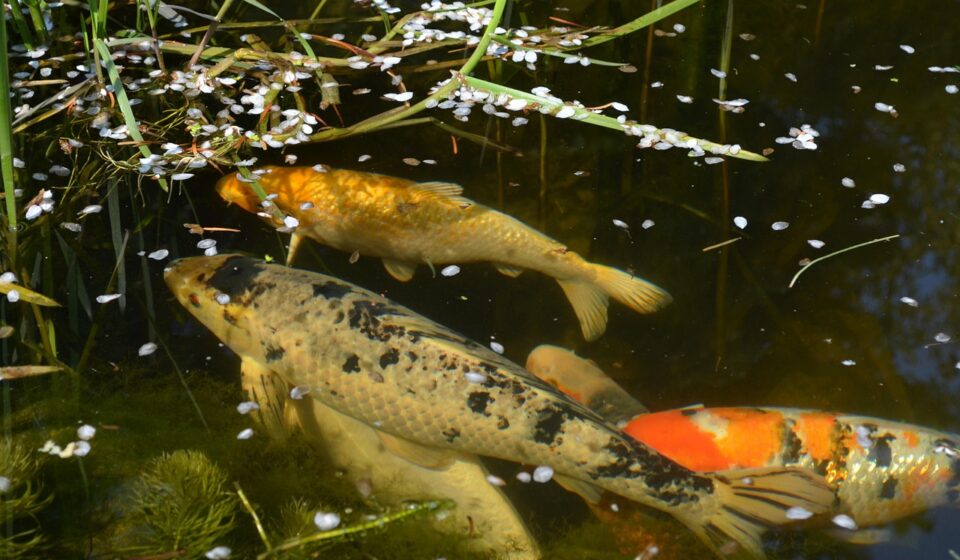
The most useful koi pond maintenance tips start with one point that is easy to overlook: clear water is not always safe water. Koi produce a heavy waste load, and a pond can look attractive while ammonia, nitrite, low oxygen, or unstable pH are already stressing the fish. A practical routine should combine weekly testing, controlled feeding, filter care, debris removal, aeration checks, and seasonal adjustments. The aim is not to sterilize the pond. It is to keep the biological system stable enough for koi, plants, and beneficial bacteria to work together.
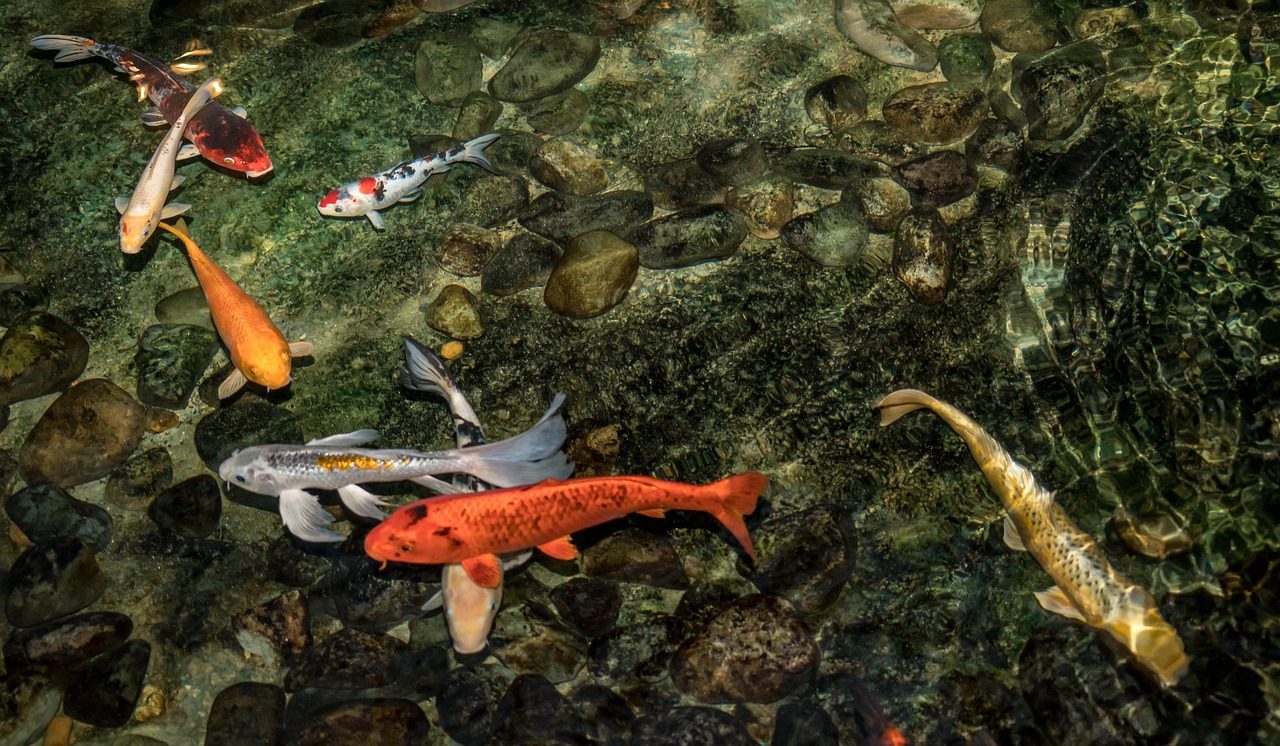
Koi ponds are small managed ecosystems with a high fish load. Unlike a natural lake, a backyard koi pond depends on pumps, filters, plumbing, and routine human decisions. That makes maintenance part water science and part equipment care. Government and extension sources on pond management consistently point to dissolved oxygen, nutrient buildup, and sudden water-quality changes as major causes of fish stress. Koi-keeping organizations add the practical fish-care layer: ammonia and nitrite should be treated as urgent warnings, feeding should follow water temperature, and filters should be protected because they house the bacteria that process waste.
For more upkeep-focused guides, visit the Maintenance Tips section.
Test the pond before you clean or treat it
A test kit is often more useful than a bottle of quick-fix treatment because it shows which problem is present. Pond owners should not wait until koi are gasping, flashing, clamping fins, or staying near the waterfall before checking water chemistry. A basic routine should include pH, ammonia, nitrite, nitrate, carbonate hardness or alkalinity, water temperature, and, where possible, dissolved oxygen.
The most urgent readings are ammonia and nitrite. In a mature pond, both should normally be at or near zero. Ammonia comes from fish waste, uneaten food, decaying leaves, and dead algae. Beneficial bacteria convert ammonia into nitrite, then nitrite into nitrate. This nitrogen cycle is the reason biological filtration matters. If a pond is new, overstocked, overfed, recently power-washed, or exposed to untreated tap water, the bacterial colony may fall behind and ammonia or nitrite can rise.
| Parameter | Why it matters | Maintenance response |
|---|---|---|
| Ammonia | Indicates waste buildup or weak biological filtration | Stop or reduce feeding, test daily, improve aeration, and use partial water changes with treated water |
| Nitrite | Shows the biofilter is not fully converting waste | Reduce fish load stress, continue testing, and protect the biological filter |
| pH and alkalinity | Low buffering can lead to sudden pH swings | Track trends instead of chasing a single reading |
| Temperature | Controls feeding rate, oxygen demand, and fish metabolism | Feed by water temperature, not by calendar date |
| Dissolved oxygen | Low oxygen can cause fish to gasp near the surface | Check aeration, water movement, and organic buildup |
Record test results in a notebook or spreadsheet. A single reading is useful, but the trend is more important. If nitrate creeps upward each week, the pond is receiving more nutrients than plants, water changes, and filtration are removing. If pH drops after heavy rain or a large water change, alkalinity may be too low to buffer the system. If ammonia appears after filter cleaning, the biological media may have been rinsed too aggressively.
Maintain filters without destroying the biological balance
A koi pond filter usually has two jobs. Mechanical filtration traps leaves, fish waste, and fine debris. Biological filtration gives nitrifying bacteria a protected surface where they can convert toxic waste compounds into less harmful forms. Many maintenance problems begin when both parts are cleaned as if they were ordinary household equipment.
Mechanical pads, skimmer baskets, settlement chambers, and pump prefilters should be cleared often enough to keep water moving freely. Clogged media can reduce flow, lower oxygen exchange, and push debris back into the pond. During heavy leaf fall or summer feeding, a skimmer basket may need attention every few days. In quieter seasons, weekly checks may be enough.
Biological media needs gentler handling. Avoid washing bio-media with untreated chlorinated tap water because chlorine and chloramine are used to disinfect municipal water and can harm the bacteria that support the filter. Use pond water removed during a water change to swish debris away without sterilizing the media. The same principle applies to filter mats that are also doing biological work: rinse enough to restore flow, but do not scrub them back to a brand-new appearance.
Hardware checks belong in the filter routine as well. Inspect pump unions, hose clamps, flexible tubing, valves, UV clarifier sleeves, electrical weather covers, and any exposed fasteners around the filter pit. Stainless hardware, secure fittings, and properly supported pipework reduce the risk of leaks and sudden flow loss. A good maintenance plan is not only about water readings; it also keeps the circulation system reliable.
Control feeding because food becomes waste
Feeding is one of the easiest pond habits to overdo. Koi are active, visible, and quick to associate people with food, but every extra handful becomes either fish waste or uneaten organic matter. Texas A&M AgriLife Extension guidance for ornamental ponds warns that feed left after roughly 10 to 15 minutes is overfeeding and can contribute to algal blooms or oxygen depletion. For a koi pond, a stricter rule is often better: offer only what the fish consume quickly, then adjust based on temperature, fish behavior, and test results.
Water temperature should guide feeding. Koi digestion slows as the water cools. Koi organizations commonly advise stopping regular feeding when water stays around 50°F, or 10°C, because food can sit too long in the digestive tract and uneaten pellets can foul the pond. At high summer temperatures, koi may still be active, but oxygen is often lower and bacterial waste processing can be under pressure. Hot weather is therefore not an automatic reason to feed more.
- Feed small portions and watch the fish finish them.
- Remove floating food that remains after the feeding window.
- Reduce feeding immediately if ammonia or nitrite appears.
- Do not feed heavily before storms, heat waves, or planned filter work.
- Switch to a cool-season feeding plan only when water temperature supports it.
Feeding is also a useful diagnostic moment. Healthy koi usually come up steadily, eat, and return to normal movement. Fish that spit food out, isolate themselves, flash against surfaces, gasp, or ignore food during suitable temperatures may be reacting to water-quality stress, parasites, injury, or disease. Test the water before assuming the problem is only medical.
Manage algae by reducing nutrients and improving balance
Algae is not always a sign of poor maintenance. Some algae will appear in most outdoor ponds because sunlight, nutrients, and water naturally support plant growth. The maintenance problem begins when green water, blanket weed, or string algae grows faster than the pond can balance. The Royal Horticultural Society notes that algae can reduce oxygen levels and recommends practical controls such as removing debris, limiting nutrient entry, using plants for shade, and using filtration or ultraviolet clarification where appropriate.
The first step is to reduce what feeds the algae. Remove dead leaves, dying plant stems, excess sludge, uneaten food, and soil that washes into the pond. Keep lawn fertilizer, compost, and mulch runoff away from the water. If potted aquatic plants are used, top the pots with gravel and avoid loose soil escaping into the pond. Clean the skimmer and prefilter before debris breaks down into dissolved nutrients.
Shade can help as well. Floating leaves from water lilies and other pond plants reduce direct sunlight, while marginal plants take up nutrients at the pond edge. The goal is balance, not a pond so crowded with plants that circulation and oxygen suffer. Koi also uproot or disturb many plants, so plant baskets, protective shelves, and stable edging materials may be needed.
Use aggressive algae treatments carefully. Killing a large amount of algae at once can leave decomposing material that consumes oxygen. This is especially risky in warm weather, when oxygen demand is already high and water holds less oxygen. If an algaecide is used, follow the label exactly, increase aeration, and remove dead material promptly. In many koi ponds, better filtration, ultraviolet clarification, shade, and nutrient control provide a more stable long-term fix than repeated chemical intervention.
Protect oxygen levels in hot weather and overnight
Dissolved oxygen is one of the least visible but most important parts of koi pond maintenance. The U.S. Environmental Protection Agency describes dissolved oxygen below 5 mg/L as stressful for many fish and below 3 mg/L as too low to support many aquatic organisms. Extension sources also emphasize that oxygen often reaches its daily low point near dawn, after plants, algae, bacteria, and fish have been consuming oxygen through the night.
That daily pattern is why early morning observation matters. If koi are gasping near the surface, crowding at a waterfall, or moving sluggishly just after sunrise, low oxygen should be treated as a possible emergency. Add aeration, increase surface agitation, and reduce feeding while investigating the cause. Organic sludge, heavy algae, overstocking, blocked filters, and hot weather can all contribute. See also: Buying Guides.
A waterfall helps, but it may not be enough by itself. Air pumps with diffusers, venturis, surface returns, or well-positioned circulation pumps can improve gas exchange. In deeper ponds, avoid suddenly mixing a stagnant low-oxygen bottom layer into the whole pond during a heat wave unless the aeration system is designed and started carefully. University extension guidance for larger ponds warns that sudden turnover of oxygen-poor bottom water can contribute to fish kills.
Practical hardware maintenance also supports oxygen levels. Clean clogged intake screens, verify pump flow, check that air stones are not blocked, and keep spare diaphragms or rebuild kits for air pumps when possible. An inexpensive failure in the air system can become a serious fish-health problem during the hottest week of the year.
Use water changes carefully
Partial water changes dilute nitrate, dissolved organics, and some contaminants, but they should be steady rather than dramatic unless there is an emergency. A routine change of about 10 to 20 percent is common among pond keepers, but the right amount depends on pond size, fish load, source water, and test results. Very large changes can shock fish if temperature, pH, or mineral content differs sharply from the pond.
Always treat municipal tap water before it contacts koi or filter bacteria. The EPA explains that chloramines are commonly used in drinking water because they provide longer-lasting disinfection in pipes. Oklahoma State University Extension guidance for water gardens notes that sunlight can dechlorinate water treated with chlorine, but chloramine is best removed by chemical dechlorination. For pond maintenance, the safe habit is straightforward: know whether your utility uses chlorine or chloramine, then dose a pond-safe conditioner for the actual replacement volume.
Match temperature as closely as practical, add water slowly, and keep aeration running. If the pond has measurable ammonia or nitrite, smaller repeated water changes plus reduced feeding may be safer than one extreme change, especially when source water chemistry is very different. After any substantial water change, retest the pond and check fish behavior.
Adjust maintenance by season
Spring startup
Spring maintenance should be gradual. As water warms, koi become more active before the biological filter is fully awake. Test before increasing feeding. Clear winter debris, restart or inspect pumps, check UV clarifier bulbs or sleeves if used, and confirm that no pipe, liner edge, or fitting was damaged by freezing. Feed lightly until ammonia and nitrite remain stable.
Summer routine
Summer is the season of fast waste production. Feeding, algae growth, evaporation, and oxygen demand all increase. Check skimmer baskets often, test water weekly or more often during heat waves, top up with treated water, and watch the pond at dawn. Reduce feeding during extreme heat, especially if fish are slow to eat or if oxygen appears low.
Autumn cleanup
Autumn maintenance is mainly about keeping leaves out before they sink and decay. Use netting where practical, trim dying aquatic plants, and remove debris from the pond bottom without disturbing fish excessively. Gradually reduce feeding as water temperature drops. Clean mechanical filtration, but preserve biological media so the pond remains stable into winter.
Winter protection
In cold regions, do not smash ice on the pond because shock waves can harm fish. Animal-welfare guidance recommends maintaining a small opening for gas exchange with a de-icer or aerator and avoiding antifreeze or salt as a thawing shortcut. Keep an air stone at an appropriate depth so it supports gas exchange without forcing the entire pond to lose its warmer lower layer. Stop feeding when water temperatures are consistently too low for digestion.
Frequently asked questions
How often should a koi pond be cleaned?
Small maintenance should happen often, while deep cleaning should be rare. Empty skimmer baskets, remove leaves, check pumps, and test water weekly during the active season. Avoid full drain-and-scrub cleaning unless there is a specific reason, because it can damage the biological balance and stress the fish.
Why is my koi pond still green after cleaning the filter?
Green water usually means suspended algae are using light and dissolved nutrients. Cleaning a filter may improve flow, but it does not remove the underlying causes. Review feeding, runoff, plant debris, fish load, shade, filtration capacity, and whether a UV clarifier is installed and working.
Can I rinse pond filters with tap water?
Mechanical parts can be cleaned more firmly, but biological media should not be rinsed with untreated tap water. Chlorine or chloramine can harm the bacteria that convert ammonia and nitrite. Use pond water from a water change to rinse biological media gently.
What is the first thing to do if koi are gasping at the surface?
Increase aeration immediately, stop feeding, and test the water. Gasping can indicate low dissolved oxygen, but ammonia, nitrite, temperature stress, or other water-quality problems may also be involved. Early morning gasping is especially suspicious for low oxygen.
Do koi ponds need maintenance in winter?
Yes, but winter maintenance is lighter and more careful. Keep a small opening in the ice for gas exchange, monitor equipment, avoid sudden disturbance, and do not feed when water is too cold for digestion. The aim is stability, not activity.
A practical maintenance checklist
- Test pH, ammonia, nitrite, nitrate, alkalinity, and temperature on a regular schedule.
- Keep ammonia and nitrite at zero through proper feeding, filtration, and water changes.
- Clean mechanical filters before flow is restricted.
- Rinse biological media only with pond water, not untreated tap water.
- Remove leaves, sludge, and uneaten food before they decay.
- Feed by water temperature and fish response, not by habit.
- Maintain strong aeration, especially in hot weather and overnight.
- Use treated replacement water and avoid sudden chemistry swings.
- Inspect pumps, clamps, hoses, valves, and electrical covers as part of routine care.
- Adjust the routine for spring startup, summer heat, autumn leaves, and winter ice.
The best koi pond maintenance routine is consistent rather than dramatic. Test first, make small corrections, protect the filter bacteria, and keep waste from accumulating. When water quality, equipment, feeding, and seasonal timing are managed together, koi have a much better chance of staying active, colorful, and healthy.