Maintenance tips for hardware materials that help reduce wear and corrosion
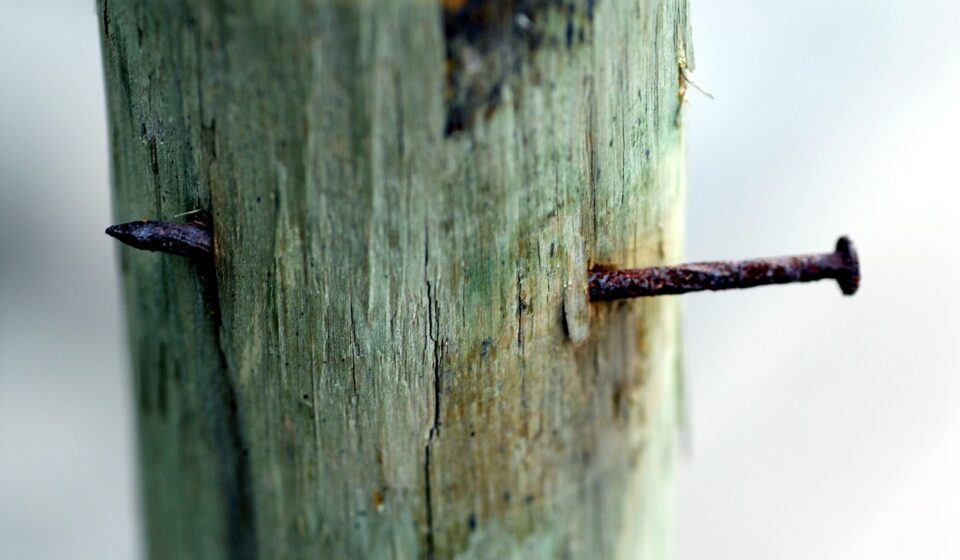
What good hardware maintenance should accomplish
Maintenance tips for hardware materials work best when they support three practical goals: keep parts safe to use, slow avoidable wear and corrosion, and show when cleaning is no longer enough. The same basic sequence applies to hinges, fasteners, locks, brackets, drawer slides, handles, hand tools, and small fittings: inspect first, clean with the correct method, lubricate only where movement requires it, control moisture, and replace parts that have lost strength or alignment. OSHA’s hand and power tool rules set a clear expectation for job sites: tools must be maintained in safe condition. The same principle is useful in homes, workshops, warehouses, and maintenance rooms. For more practical guidance in this category, visit our Maintenance Tips section.
The common mistake is treating all metal hardware as if it reacts the same way. Stainless steel, galvanized steel, carbon steel, aluminum, brass, and coated parts respond differently to moisture, cleaners, abrasion, salt, and contact with other metals. A maintenance routine should protect the surface or coating the material depends on, not strip it away.

Build a simple inspection routine before cleaning or repair
Inspection should come before any cleaner or lubricant is applied. Dirt can hide cracks, loose fasteners, worn holes, failed coatings, and early corrosion. A short visual and functional check also helps prevent the wrong maintenance action, such as polishing a part that needs tightening or oiling a hinge that is binding because the door is misaligned.
Set the inspection interval according to risk. Hardware exposed to rain, coastal air, washdown areas, chemical fumes, or temperature swings needs closer attention than indoor hardware in a dry room. For typical building and workshop use, a practical approach is a quick visual check during normal use, a more detailed seasonal inspection, and an annual review of parts that support weight, control access, or affect safety.
- Check movement: Open, close, slide, latch, or rotate the part. Grinding, sticking, uneven movement, or sudden looseness usually points to wear, contamination, poor alignment, or lack of lubrication.
- Check fasteners: Look for missing washers, backed-out screws, enlarged holes, stripped heads, thread damage, cracked anchors, or signs that the fastener is no longer clamping the joint.
- Check surfaces: Red rust, white powder, green staining, blistered coating, pitting, black streaks, and trapped debris all indicate a moisture, contamination, or chemical issue that should be corrected.
- Check load paths: Hinges, brackets, hooks, rails, shelf supports, handles, and gate hardware should not be bent, cracked, or pulling away from the base material.
- Check the surrounding area: Water pooling, blocked drainage, abrasive dust, salt residue, or contact between incompatible metals may be the real cause of repeated failure.
If hardware is part of equipment, follow the manufacturer’s instructions and remove damaged parts from service until they are repaired or replaced. For workplace tools and powered equipment, guarding, switches, personal protective equipment, and safe condition are not optional maintenance details; they are part of safe operation.
Match cleaning methods to the hardware material
Cleaning is not only about appearance. For many metals, a clean surface helps the material perform as intended. Stainless steel, for example, relies on a thin passive surface layer; dirt, chloride residue, and embedded iron particles can interfere with corrosion resistance. Nickel Institute guidance on stainless steel maintenance emphasizes routine cleaning, rinsing, and avoiding contamination that can trap corrosive agents. The broader lesson is straightforward: remove what holds moisture against the surface, but do not damage the protective finish.
| Hardware material | Common maintenance risk | Practical cleaning approach |
|---|---|---|
| Stainless steel | Tea staining, chloride deposits, iron contamination, pitting in harsh environments | Use mild detergent and clean water, rinse well, and dry. Avoid steel wool, harsh abrasives, and chlorine-based cleaners unless the product maker specifically approves them. |
| Galvanized steel | Damage to the zinc coating, white rust in damp storage, exposed cut edges | Remove dirt and standing moisture gently. Avoid strong acids or highly alkaline cleaners that can attack zinc. Touch up damaged coatings only with compatible products. |
| Carbon steel and iron | Red rust, paint failure, scale, moisture trapped under debris | Brush away loose corrosion, dry the area, and protect with suitable oil, primer, paint, or coating. Replace parts with deep pitting or loss of section. |
| Aluminum | Surface oxidation, pitting in salty conditions, galvanic attack beside copper or steel | Use mild soap and water. Avoid aggressive alkaline cleaners and abrasive pads that can scar the surface. Isolate dissimilar metals where moisture is present. |
| Brass, copper, and bronze | Tarnish, green corrosion products, polish damage, loss of intended patina | Decide whether the patina is acceptable before polishing. Use non-abrasive cleaners and avoid over-polishing plated or decorative hardware. |
| Painted, powder-coated, or plated hardware | Chips, blistering, under-film corrosion, worn edges | Clean with mild products and soft cloths. Do not scrub through the coating. Seal small chips early if the coating system allows it. |
For any material, test an unfamiliar cleaner on a small area first. The label should match the surface, not only the stain. A product that removes rust from plain carbon steel may be too aggressive for zinc, decorative plating, anodized aluminum, or nearby stone and concrete.
Lubricate moving hardware with restraint
Lubrication should solve a friction problem, not hide a mechanical problem. Hinges, rollers, tracks, drawer slides, latches, threaded adjusters, and some locks need occasional lubrication, but excess lubricant attracts grit and can turn dust into an abrasive paste. Before adding oil or grease, wipe away dirt, check alignment, and make sure fasteners are secure.
Choose the lubricant by function and environment. Light machine oil can help many general hinges and pivot points. Grease may suit heavier sliding or bearing surfaces where it is specified. Dry lubricants are often preferred for locks, fine mechanisms, dusty areas, or places where oil would collect dirt. Silicone-based products may be useful for some non-metal contact points, but they are not universal and can interfere with later painting or finishing if oversprayed.
- Use small amounts: Apply lubricant to the moving contact point, operate the part several times, and wipe away excess.
- Do not mix products casually: Some oils, greases, sprays, plastics, seals, and coatings are not compatible.
- Avoid forcing stuck parts: A seized screw, corroded hinge pin, or jammed lock may need penetrating oil, careful disassembly, mechanical work that does not introduce heat, or replacement.
- Protect nearby surfaces: Oil can stain porous stone, wood, fabric, unfinished concrete, and painted surfaces.
- Record repeat issues: If the same hinge or latch needs lubrication every few weeks, look for sagging, misalignment, vibration, overload, or moisture entry.
A smooth-moving part after lubrication is not automatically safe. If a hinge leaf is cracked, a bracket is bent, a screw hole is stripped, or a lock no longer engages fully, the correct maintenance action is repair or replacement.
Control corrosion by managing moisture and metal contact
Corrosion control starts with the environment around the hardware. Moisture, oxygen, salt, chemical residues, and trapped dirt accelerate deterioration. A stainless screw in the wrong environment can stain. A galvanized bracket can lose zinc protection where it is scratched. An aluminum part can pit beside a more noble metal when an electrolyte is present. Maintenance should therefore include drainage, isolation, and surface protection, not only cleaning.
Where corrosion often starts first
Early corrosion usually appears at edges, cut ends, welds, threads, seams, underside surfaces, fastener heads, and places where water cannot dry quickly. Coatings are also more vulnerable where tools have scratched them during installation. If the same location corrodes repeatedly, the cause may be design-related: water is trapped, metals are incompatible, or the part is underspecified for the environment.
Practical corrosion-control actions
- Keep drain holes, weep paths, and tracks free of packed dirt.
- Rinse salt, fertilizer dust, pool chemicals, and de-icing residue from exposed hardware when practical.
- Use compatible fasteners for the base material and exposure condition.
- Separate dissimilar metals with suitable washers, bushings, coatings, or gaskets where moisture is likely.
- Touch up damaged paint or coating before rust spreads underneath.
- Improve ventilation in storage rooms, cabinets, garages, and enclosed outdoor boxes.
- Do not store wet metal hardware in sealed plastic bags unless the packaging is designed for corrosion control.
Replacement can be more economical than repeated cleaning when corrosion has reduced the thickness of a load-bearing part, damaged threads, enlarged a hole, or weakened a hinge knuckle. Cosmetic staining may be manageable; structural loss is a different matter.
Store hardware, tools, and consumables so maintenance does not create damage
Poor storage can undo good maintenance. Fasteners stored in damp boxes, mixed bins, or torn packaging are more likely to corrode or be misused. Tools left dirty or wet can transfer contamination to the next job. Chemicals stored without labels increase the chance of using the wrong cleaner or lubricant on the wrong material. See also: Buying Guides.
Use dry, labeled, and separated storage. Keep stainless fasteners away from loose carbon-steel filings. Keep small parts off bare concrete floors where moisture can migrate. Close containers after use, and store cleaners, oils, solvents, and finishes according to the label. Rotate stock so older plated or coated hardware is used before packaging deteriorates.
Fire safety deserves special attention when oil-based stains, varnishes, finishes, or maintenance oils are used. NFPA’s 2019 oily-rag safety sheet explains that rags wet with oil-based products can generate heat as they dry, and that heat can build up when rags are piled together. The same sheet reported an average of 900 home fires per year involving oily rags catching fire or being ignited. Do not leave oily rags piled in a shop, garage, cabinet, or trash can. Follow local disposal rules and the product label; common safety guidance is to dry rags outside, spread flat or hung away from buildings, then place dried rags in a covered metal container with water and detergent as directed by NFPA guidance.
Use a maintenance schedule that matches risk
A schedule keeps maintenance consistent, but it should not be rigid. The right interval depends on exposure, load, material, and the consequences of failure. A decorative indoor handle may only need occasional cleaning and tightening. A gate hinge in a coastal area, a warehouse roller track, or a bracket supporting equipment may need more frequent checks.
| Interval | Recommended action | Good fit for |
|---|---|---|
| Before or during use | Check for looseness, unusual movement, missing guards, damaged cords, cracked handles, or unsafe tool condition. | Tools, ladders, moving hardware, load-bearing fittings, workplace equipment. |
| Monthly to quarterly | Clean dirt from moving parts, tighten accessible fasteners, inspect high-moisture areas, and wipe away salt or chemical residue. | Outdoor hardware, garage fittings, workshop tools, warehouse hardware, coastal or humid locations. |
| Seasonally | Lubricate hinges and slides as needed, check door and gate alignment, inspect coatings, clear drainage paths, and touch up small chips. | Building hardware, gates, rail fittings, cabinets, access panels, storage rooms. |
| Annually | Review corrosion patterns, replace weakened parts, update storage labels, discard expired or contaminated products, and adjust the maintenance plan. | Facilities, rental properties, workshops, inventory rooms, and long-service hardware. |
Keep a simple record for critical hardware. The record does not have to be complex; date, location, condition, action taken, and replacement part are enough for many small sites. Patterns are valuable. If identical fasteners rust in one area but not another, the environment or metal pairing is probably more important than the cleaning method.
Know when to clean, repair, or replace
Good maintenance has limits. Cleaning can remove dirt and light surface corrosion. Lubrication can reduce friction. Tightening can restore clamping force if the threads and base material are still sound. But maintenance cannot restore lost metal thickness, reverse severe pitting, repair cracked castings, or make an undersized fastener suitable for a load.
- Clean when the issue is surface dirt, light staining, salt residue, or early discoloration with no loss of function.
- Lubricate when movement is dry or noisy but alignment and structure are still correct.
- Adjust when a door, drawer, slide, or gate binds because it has shifted but parts are still sound.
- Repair when coating damage, loose anchors, or worn contact surfaces can be corrected according to the product’s design.
- Replace when there are cracks, severe corrosion, stripped threads, deformed holes, missing material, unreliable locking, or load-bearing uncertainty.
For safety-related hardware, do not rely on appearance alone. A polished but cracked part is still cracked. A freshly oiled latch that does not engage securely is still a failed latch. When failure could cause injury, security loss, or equipment damage, replacement is often the more responsible maintenance choice.
Frequently asked questions
How often should hardware materials be inspected?
Indoor, low-load hardware may only need seasonal or annual inspection, while outdoor, coastal, humid, chemical-exposed, or load-bearing hardware should be checked more often. Moving parts and safety-related items should also be observed during normal use so unusual noise, looseness, or binding is noticed early.
Can the same cleaner be used on stainless steel, galvanized steel, and aluminum?
No. Mild soap and water are usually a safe starting point, but aggressive rust removers, acidic products, alkaline cleaners, chlorine-based products, and abrasive pads can damage certain metals or coatings. Match the cleaner to the exact material and finish, and test first when unsure.
Why does stainless steel hardware show rust-colored stains?
Stainless steel can stain when exposed to chlorides, trapped dirt, iron contamination, poor drainage, or unsuitable cleaning tools such as steel wool. Light staining may be removable, but recurring stains indicate an exposure or maintenance issue that should be corrected.
Should corroded fasteners be cleaned or replaced?
Light surface staining can often be cleaned, but fasteners with damaged threads, deep pitting, reduced diameter, stripped heads, or uncertain strength should be replaced. The replacement should be compatible with the base material and exposure environment.
What is the safest way to handle oily rags after maintenance work?
Do not leave oily rags in a pile. NFPA guidance explains that oil-based products can release heat as they dry, and piled rags can trap that heat. Dry them outside away from buildings as directed, then use a covered metal container and follow local disposal rules and product labels.