Winter house maintenance tips to prevent drafts, frozen pipes and fire risks

Start with the risks winter actually creates
The most useful winter house maintenance tips are the ones that reduce three common cold-weather problems: heat loss, water damage and safety hazards from heating equipment. Before the first hard freeze, homeowners should seal obvious drafts, clean and redirect roof drainage, protect exposed water lines, service heating equipment, test smoke and carbon monoxide alarms, and keep basic repair materials on hand, including caulk, weatherstripping, pipe insulation, hose bibb covers and corrosion-resistant fasteners. This is more practical than a long seasonal wish list because it focuses on failures that can become expensive quickly once temperatures drop.
For more seasonal upkeep ideas, see the Maintenance Tips section. The checklist below is written for a typical house, but the order should be adjusted for local climate, building age and whether the home has a basement, crawlspace, attic, fireplace or exterior hose bibbs.
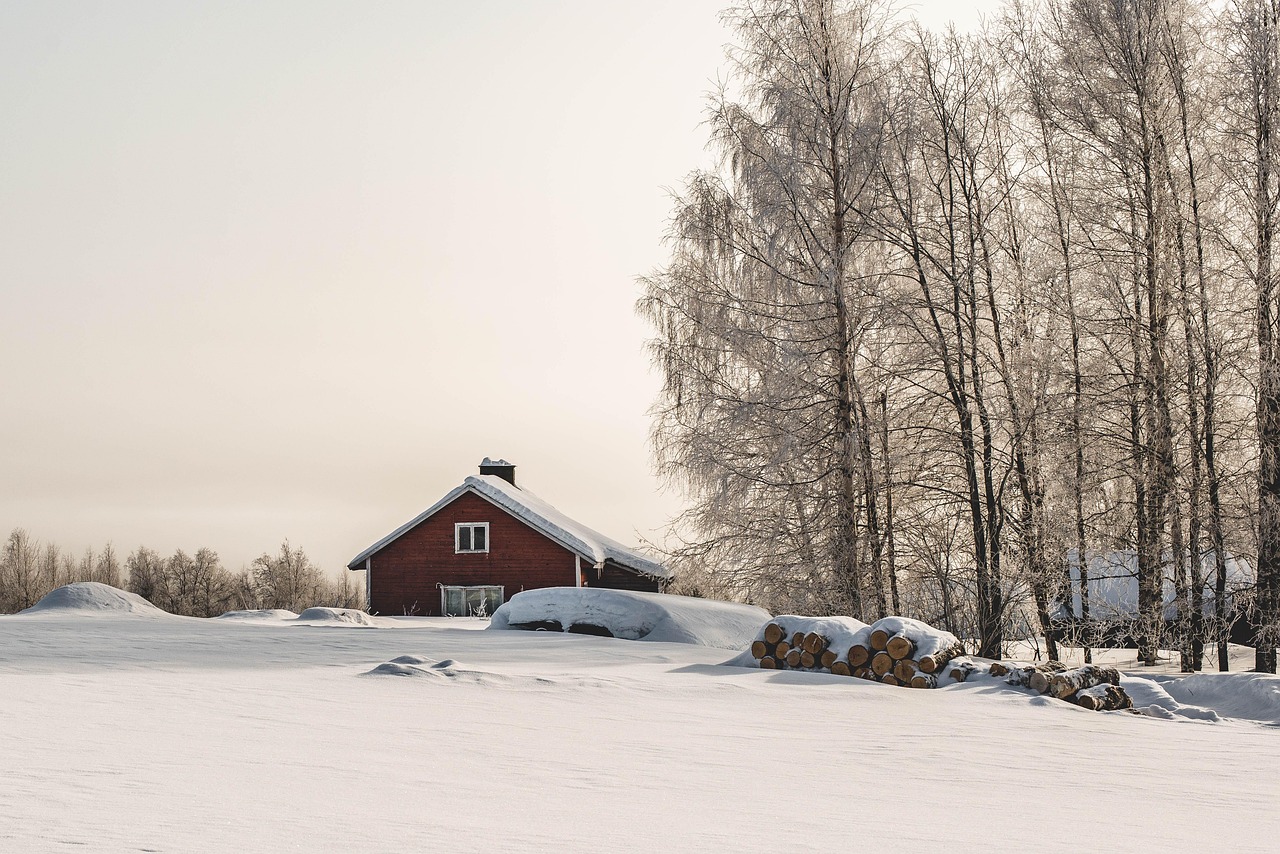
Why winter maintenance should happen before the first freeze
Winter does not damage a house in only one way. Cold air increases heating demand, freezing water can expand inside pipes, snow and ice can block drainage paths, and closed-up homes may trap more indoor moisture. For that reason, pre-winter maintenance works best as a planned sequence rather than a single afternoon of small repairs.
A sensible order is to address safety and water risks first, then comfort and efficiency. Heating equipment, chimneys, smoke alarms and carbon monoxide alarms deserve early attention because they affect life safety. Gutters, downspouts, exterior faucets and exposed plumbing come next because water damage can spread through walls, ceilings and flooring. Draft sealing and insulation improvements are also important, but they perform best when roof drainage, ventilation and moisture conditions are already under control.
Official guidance from agencies such as the U.S. Department of Energy, FEMA, the EPA, the American Red Cross, the CDC and the National Fire Protection Association is consistent on one point: winter preparation is most effective before severe weather arrives. Waiting for a storm warning often means sold-out materials, delayed service appointments and unsafe emergency work in icy conditions.
Seal drafts before turning up the heat
Draft sealing is one of the most accessible winter maintenance jobs for homeowners because many air leaks can be handled with basic hardware materials. The U.S. Department of Energy advises sealing leaks around floors, walls, ceilings, windows, doors and fireplaces with appropriate materials such as caulk, spray foam and weatherstripping. The key is matching the product to the type of joint and the amount of movement it will see.
Use caulk on stationary gaps, such as trim-to-wall joints, small cracks around window frames, and penetrations where pipes or cables pass through walls. Use weatherstripping on moving parts, including exterior doors, operable windows and attic hatches. For larger gaps, backer rod can help fill the depth before caulk is applied, reducing waste and improving the shape of the seal. Expanding foam can be useful around some penetrations, but it should be applied carefully because excessive expansion can distort trim or make later repairs harder.
Check the attic and basement, not only windows
Many homeowners start with windows because they feel cold, but the biggest leaks are often hidden at utility penetrations, attic bypasses, rim joists, recessed lights and gaps around ductwork. A windy day can help identify leaks by touch, but a professional energy audit with a blower door test is more accurate for older or drafty homes.
Windows still matter. ENERGY STAR guidance notes that certified low-e storm windows can improve performance, especially over single-pane clear glass windows. However, storm windows are not a cure for damaged frames, rot or water intrusion. If the existing window is deteriorated, the repair priority should be the frame, flashing and drainage path before adding another layer of glass.
- Use exterior-rated caulk for outside joints exposed to weather.
- Use removable rope caulk or window film for temporary seasonal sealing.
- Replace compressed door sweeps that no longer touch the threshold.
- Seal attic hatch edges with adhesive weatherstripping.
- Keep combustion appliance clearances and ventilation requirements in mind when tightening a home.
Protect pipes, hose bibbs and shutoff valves
Frozen pipes are one of the clearest examples of a small winter task preventing a large repair. The American Red Cross recommends insulating exposed water pipes, opening cabinet doors to let warmer room air reach plumbing during very cold weather, and allowing a slow drip from faucets served by exposed pipes when conditions are severe. These steps are especially important for pipes in garages, crawlspaces, attics, exterior walls and unheated basements.
Start outside. Disconnect garden hoses before freezing weather, because a hose left attached can hold water against the faucet and increase the chance of freeze damage. If the hose bibb has an interior shutoff valve, close it, open the exterior faucet and drain the line. Add an insulated faucet cover where appropriate. Frost-free sillcocks reduce risk when installed correctly, but hoses still need to be removed so the barrel can drain.
Know the main water shutoff before you need it
Every household member who can safely do so should know where the main water shutoff is located. If a pipe bursts, the first useful action is usually stopping water flow. Test the valve gently before winter; if it is corroded, seized or leaking, schedule repair before freezing weather. In older homes, it can also help to label shutoffs for hose bibbs, water heaters, laundry lines and irrigation systems.
Pipe insulation should fit snugly and cover elbows, tees and short exposed sections, not just long straight runs. Foam sleeves are common for accessible indoor areas, while heat cable should be selected and installed according to the manufacturer’s instructions. Do not overlap heat cable unless the product instructions specifically allow it, and avoid damaged cords or improvised electrical connections.
Keep water moving away from the house
Winter drainage is not only about rain. Melting snow, refreezing water and clogged gutters can push moisture into places where it does not belong. Clean gutters after most leaves have fallen, check that hangers are secure, and make sure downspouts discharge away from the foundation. If water empties at the base of the wall, add extensions or splash blocks so runoff moves away from the house.
While cleaning gutters, inspect the roof edge from a safe position. Look for loose fasteners, lifted shingles, cracked sealant at flashing, damaged vent boots and sagging gutter sections. Small roof and gutter defects can become larger problems when ice adds weight or when meltwater backs up under roofing materials. If the roof is steep, icy or high, hire a qualified professional rather than working from a ladder in unsafe conditions.
Watch for ice dam conditions
Ice dams usually form when heat escaping into the attic warms the roof deck, snow melts, and water refreezes near colder eaves. The long-term solution is usually a combination of air sealing, adequate insulation and proper attic ventilation. Chipping ice from the roof can damage shingles and create fall hazards, so prevention is safer than emergency removal. See also: Buying Guides.
- Keep gutters and downspouts open before storms arrive.
- Confirm that downspout extensions do not create icy walkways.
- Check that soil slopes away from the foundation where possible.
- Repair loose gutter brackets with suitable exterior fasteners.
- Do not block soffit vents with insulation or stored items.
Make heating equipment and fireplaces safer
Heating systems work hardest in winter, so safety checks should not be delayed. The National Fire Protection Association recommends having heating equipment and chimneys cleaned and inspected each year by a qualified professional. Its heating safety guidance also advises keeping anything that can burn at least three feet from furnaces, fireplaces, wood stoves and portable space heaters.
For forced-air systems, replace or clean filters according to the equipment instructions and make sure supply and return vents are not blocked by rugs, furniture or stored boxes. If the system makes unusual noises, cycles frequently, produces uneven heat or gives off odors, schedule service rather than relying on temporary fixes. For boilers and radiators, check for visible leaks, corrosion and pressure irregularities, and call a professional if anything appears unsafe.
Portable space heaters require special discipline. Place them on a stable, level surface, keep them away from bedding and curtains, plug them directly into an appropriate wall outlet, and turn them off when leaving the room or going to sleep. Never use an oven to heat a home.
Do not ignore carbon monoxide risk
Carbon monoxide is especially dangerous because it cannot be seen or smelled. CDC and CPSC safety guidance warns against using generators, grills, camp stoves or gasoline-powered equipment inside a home, basement, garage or near openings where exhaust can enter. Test carbon monoxide alarms before winter, replace expired units, and keep exterior vents for furnaces, boilers, water heaters and dryers clear of snow and debris.
Winter hardware and materials worth checking now
A small winter maintenance kit can prevent last-minute trips during bad weather. The goal is not to buy everything, but to keep common repair materials ready and compatible with your home’s surfaces and systems.
| Item | Where it helps | What to check before buying |
|---|---|---|
| Exterior-grade caulk | Trim gaps, siding joints, small exterior cracks | Surface type, temperature range and paintability |
| Weatherstripping | Doors, windows and attic hatches | Gap size, compression and whether the part moves |
| Door sweep | Cold air under exterior doors | Threshold height and door clearance |
| Foam pipe insulation | Exposed water lines in cold areas | Pipe diameter and need for elbow coverage |
| Faucet covers | Exterior hose bibbs | Fit, seal and whether hoses are disconnected first |
| Gutter screws or brackets | Loose gutter runs | Material compatibility and corrosion resistance |
| Smoke and CO alarm batteries | Life safety devices | Alarm type, expiration date and manufacturer guidance |
For exterior use, choose fasteners that resist corrosion and are compatible with the materials they touch. Mixing incompatible metals can encourage corrosion, especially where moisture is present. Around masonry, use anchors designed for the substrate. Around roofing and flashing, avoid random screws or sealants that can create leaks; when in doubt, use a qualified roofer.
A practical pre-winter checklist by weekend
Breaking the work into weekends makes winter preparation more realistic. Adjust the schedule if freezing weather is expected sooner.
- Weekend one: safety systems. Test smoke and carbon monoxide alarms, replace batteries if needed, schedule heating and chimney service, and clear combustibles away from heating equipment.
- Weekend two: water protection. Clean gutters, extend downspouts, disconnect hoses, drain exterior faucets where applicable, and inspect roof edges from a safe location.
- Weekend three: pipe protection. Insulate exposed water lines, label shutoff valves, check the main shutoff, and protect hose bibbs.
- Weekend four: draft control. Replace worn weatherstripping, seal stationary gaps, add door sweeps, and inspect attic hatch sealing.
This schedule gives priority to tasks that become difficult or dangerous in snow and ice. It also separates jobs that require dry surfaces, such as caulking, from jobs that can be done indoors.
Frequently asked questions
When should winter house maintenance start?
Start in early fall or at least several weeks before your area typically sees freezing temperatures. Heating service, gutter cleaning, exterior caulking and roof inspections are easier to schedule and safer to complete before storms and icy conditions arrive.
Which winter maintenance task saves the most energy?
It depends on the house. For many drafty homes, sealing major air leaks and improving attic insulation can make a noticeable difference. The U.S. Department of Energy emphasizes sealing leaks around common bypasses such as plumbing penetrations, chimneys, recessed lights and unfinished spaces, not just around windows.
Should every outdoor faucet be covered?
Outdoor faucet covers are useful, but they are not a substitute for disconnecting hoses and draining lines when an interior shutoff exists. A cover works best when the faucet and piping are already able to drain properly.
Is window condensation normal in winter?
Some brief condensation can occur when warm indoor air meets cold glass, but persistent moisture can signal high indoor humidity, poor ventilation or cold surfaces. EPA moisture guidance recommends controlling indoor moisture, using kitchen and bath exhaust fans, and improving cold surfaces with insulation, storm windows or better circulation where appropriate.
What jobs should be left to professionals?
Hire qualified professionals for furnace or boiler service, chimney inspection, steep or icy roof work, major electrical issues, fuel-burning appliance problems, and plumbing repairs involving damaged shutoff valves or frozen pipes that cannot be safely thawed. Winter maintenance should reduce risk, not create new hazards.