How threaded bushings improve metal assemblies and thread repair
What threaded bushings do in metal parts
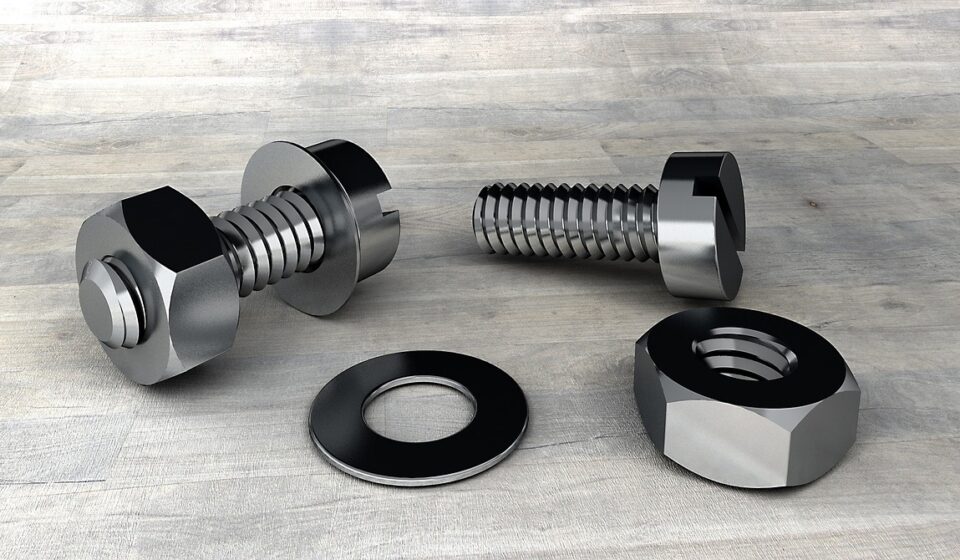
Threaded bushings are metal inserts used to create, reinforce, reduce or repair internal threads in a parent component. In metal assemblies, they are specified when direct tapping is too weak, when threads must withstand repeated service, when a stripped hole needs repair, or when a harder wear surface is needed inside a softer base material such as aluminum. The right bushing is not selected by thread size alone. It depends on the parent material, wall thickness, access to the back side, expected pull-out load, resistance to rotation, corrosion exposure and how often the joint will be removed. Standards such as ASME B1.1-2024, ASME B1.13M and ISO 724:2023 define thread geometry and dimensions, while engineering handbooks and manufacturer catalogs guide installation details.
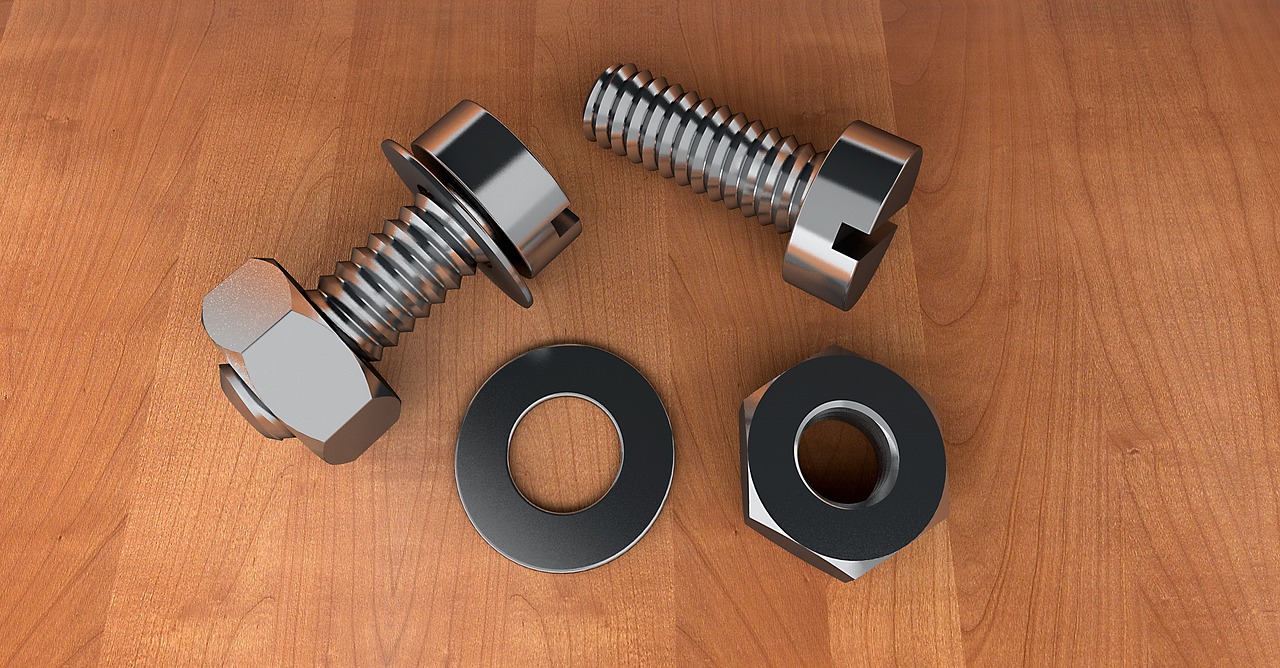
In practical terms, a threaded bushing turns a simple hole into a more controlled fastening point. A tapped hole relies entirely on the strength and thickness of the parent metal. A bushing adds a separate engineered element, often with external locking features, a larger bearing area or a more wear-resistant internal thread. That is why these fittings are common in machinery housings, sheet metal enclosures, repair work, equipment panels, tooling plates and mixed-material assemblies. You can also explore more in Metal Fittings.
For readers comparing related hardware categories, the Metal Fittings section provides more context on components used to connect, support and repair metal assemblies.
Where threaded bushings outperform direct tapping
Direct tapping is simple and economical when the parent metal is thick enough, strong enough and not expected to see frequent screw removal. It becomes less reliable when thread engagement is short, the base material is soft, the hole is already damaged, or the design needs a replaceable wear surface. Threaded bushings are especially useful in four situations.
- Thin or limited wall sections. Sheet metal, tubing and shallow bosses may not provide enough thread depth for a durable tapped joint.
- Soft or lightweight metals. Aluminum, magnesium and some cast alloys can strip more easily than steel under repeated service or high tightening loads.
- Thread repair. A damaged internal thread can often be restored without scrapping the larger component.
- Repeated assembly. Access covers, service panels and adjustable fixtures need threads that tolerate removal and reinstallation.
The strongest choice is not always the largest insert. Oversizing a bushing can weaken the surrounding parent metal, reduce edge distance or create stress concentration. A good specification balances the insert body, drilled hole, thread engagement, wall thickness and service load as a system.
Main types of metal threaded bushings and inserts
The terms threaded bushing, threaded insert, reducer bushing and repair insert are sometimes used loosely. In purchasing and engineering discussions, it helps to distinguish how the part is retained in the metal.
| Type | How it is retained | Typical use | Key limitation |
|---|---|---|---|
| Solid threaded bushing | External threads engage the parent part; some designs use locking features | Thread size conversion, wear surface, repair in thicker metal | Needs enough surrounding material for the external thread |
| Key-locking insert | A solid body is threaded into the hole and locking keys are driven into the parent metal | Heavy-duty thread repair and high resistance to rotation | Requires proper counterbore, key clearance and parent material strength |
| Helical coil insert | A stainless or bronze coil is installed into a tapped insert thread | Restoring stripped threads and reinforcing threads in softer metals | Installation depends on correct tap size, depth and tang or tangless system |
| Blind rivet nut | The sleeve collapses or bulbs behind the sheet when pulled by a tool | One-sided installation in sheet metal, tubes and closed sections | Grip range, hole size and anti-rotation design are critical |
| Self-clinching or swaged threaded insert | Pressed into ductile sheet so displaced metal locks into the fastener profile | Production sheet metal assemblies with controlled press installation | Usually requires suitable sheet hardness and precise hole preparation |
The NASA Fastener Design Manual describes solid bushing inserts as parts with conventional internal and external threads. It also discusses locking features such as keys that are driven after installation. That distinction matters because a plain threaded bushing can provide thread conversion, while a key-locking insert adds positive resistance to rotation.
Material and finish choices
Material selection should start with the base metal, mating fastener and operating environment. A carbon steel bushing may be strong and economical, but it can require zinc plating, phosphate, oil or another protective finish in humid service. ASTM B633 covers electrodeposited zinc coatings on iron and steel articles and is commonly referenced when zinc plating is specified. Stainless steel improves corrosion resistance, but stainless-on-stainless screw contact can be vulnerable to galling if lubrication, surface finish and grade selection are neglected.
Brass and bronze bushings are often chosen where machinability, moderate corrosion resistance or anti-galling behavior is useful. They are not automatically suitable for every high-load joint, because strength and wear behavior vary by alloy. Aluminum bushings are lightweight, but they are generally selected for compatibility or weight control rather than maximum thread strength.
Galvanic compatibility is another practical issue. When dissimilar metals are joined in the presence of an electrolyte, corrosion risk can increase. For example, a stainless insert in an aluminum structure may need isolating coatings, sealants or a deliberate corrosion-control plan. The best answer depends on the environment, not just the material names.
Thread standards and sizing details to verify
A threaded bushing specification should identify both the internal thread and the external retention geometry. For inch fasteners, ASME B1.1-2024 covers Unified inch thread forms including UN, UNR and UNJ. For metric fasteners, ASME B1.13M covers metric M-profile screw threads, while ISO 724:2023 specifies basic dimensions for ISO general purpose metric threads according to ISO 261. These standards do not select the insert for a particular application, but they help prevent mismatched assumptions about thread size, pitch and tolerance.
In a drawing, purchase order or maintenance instruction, the following details should be explicit:
- Internal thread size, pitch and fit class or tolerance class.
- External thread or installation hole size required for the insert.
- Insert length, flange style, head style or key-locking arrangement.
- Material grade and surface finish.
- Minimum parent material thickness and edge distance.
- Whether the hole is through, blind, countersunk, counterbored or sealed.
- Installation tool, tap type, torque limits or pull-stroke requirements when applicable.
Without these details, two bushings with the same internal thread may perform very differently. One may be a light repair insert for a low-stress cover screw, while another may be a key-locking steel bushing intended for a loaded machine component.
Installation factors that decide performance
Many failures blamed on a threaded bushing begin before the screw is installed. Hole size is the first checkpoint. If the hole is oversize, a rivet nut can spin, a self-clinching insert may not displace enough metal, and a threaded repair insert may have poor engagement. If the hole is undersize, installation can crack the parent material, distort the insert or damage the thread form.
Surface condition also matters. Burrs can prevent flush seating. Chips in a blind hole can stop an insert before it reaches depth. Plating buildup can change fit. In repair work, the original damaged threads must be removed or prepared according to the insert system rather than judged visually. See also: Buying Guides.
For locking inserts, the locking feature must actually engage the parent metal. Keys that are not driven fully, rivet nuts used outside their grip range and press-in inserts installed into unsuitable sheet hardness can all appear acceptable at first inspection and then loosen during service. For critical assemblies, proof testing, torque checks or pull-out testing may be required by the applicable engineering specification.
Common mistakes when specifying threaded bushings
The most common mistake is treating all threaded bushings as interchangeable. A helical coil, a solid threaded bushing and a blind rivet nut can share the same internal screw size, but they solve different problems. A coil insert is often efficient for restoring a stripped tapped hole. A rivet nut is valuable when only one side of a sheet or tube is accessible. A key-locking insert is more appropriate when a repair needs a solid body and positive anti-rotation retention.
A second mistake is focusing only on pull-out strength. Rotation resistance, fatigue, vibration, thermal expansion, corrosion and service frequency can be just as important. A bushing that survives a static pull test may still loosen if the assembly sees repeated torque reversals or if the parent metal creeps, frets or corrodes around the insert.
A third mistake is ignoring maintainability. If the insert is likely to be replaced in the field, the design should allow removal without destroying the parent component. This is one reason maintenance teams often prefer standardized insert systems, clear installation instructions and accessible inspection features.
A practical selection checklist
Before choosing a threaded bushing for metal, review the assembly conditions instead of starting with a catalog page.
- Define the job. Is the bushing for new production, thread repair, thread size conversion or repeated service?
- Identify the base metal. Note alloy, hardness, thickness, casting quality and whether the hole is in sheet, plate, tube or a machined boss.
- Confirm access. If the back side is closed, blind installation options become more important.
- Estimate loads. Consider clamp load, pull-out, shear, vibration and tightening torque.
- Choose the retention method. Compare threaded, keyed, coiled, clinched, swaged or riveted retention.
- Check standards. Verify thread form, pitch, tolerance and gaging expectations.
- Plan corrosion control. Match material and finish to the operating environment.
- Document installation. Include drill size, tap size, tool, depth, inspection and replacement instructions.
This checklist does not replace an engineering calculation for safety-critical equipment, but it reduces the chance of a mismatch between the bushing type and the real service condition.
Frequently asked questions
Are threaded bushings the same as threaded inserts?
They overlap, but they are not always identical terms. Threaded insert is the broader category. Threaded bushing often refers to a solid insert with internal and external threads, but in general trade language it may also describe metal parts used to reinforce, adapt or repair internal threads.
Can a threaded bushing repair a stripped hole in aluminum?
Yes, many stripped aluminum threads can be repaired with helical coil inserts, solid bushings or key-locking inserts. The right option depends on remaining wall thickness, load, thread size and whether enough parent material remains after drilling or tapping for the repair insert.
What is better for thin sheet metal, a bushing or a rivet nut?
For very thin sheet or closed sections, a blind rivet nut is often more practical because it installs from one side and forms a bearing area behind the sheet. A conventional threaded bushing usually needs more material thickness or access for machining and installation.
Should stainless steel threaded bushings always be used outdoors?
Not always. Stainless steel is useful for corrosion resistance, but grade, mating fastener, galvanic compatibility and galling risk must be considered. Coated carbon steel, brass, bronze or another alloy may be more appropriate in some assemblies.
What information should be included when ordering threaded bushings?
Specify internal thread, external thread or installation hole, length, material, finish, locking feature, installation method and any applicable standard or drawing requirement. For critical assemblies, also define inspection and proof-test requirements.