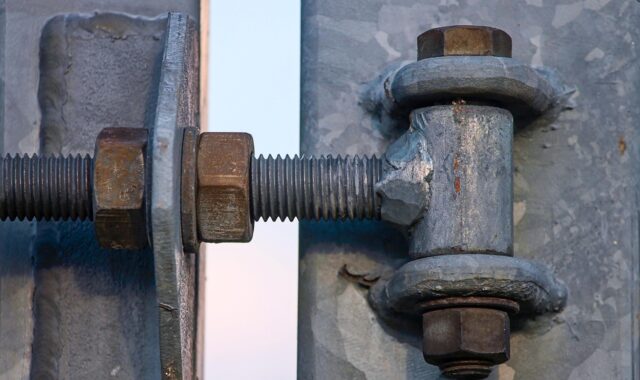
Metal fittings explained for construction, plumbing and industrial assemblies

What metal fittings do in real projects
Metal fittings are hardware components used to connect, redirect, support, terminate or adapt other parts in an assembly. They are found in pipework, structural framing, electrical conduit, machinery, furniture, cabinets and general building hardware. In purchasing and specification work, the product name is only a starting point. The fitting must suit the load, pressure, temperature, material compatibility, corrosion exposure, installation method and applicable standard. A stainless bracket, a malleable iron elbow, a brass compression fitting and a galvanized connector may all be described as metal fittings, but they solve different engineering and installation problems. For related hardware and material notes, visit the Metal Fittings category.
The practical question is not simply whether a fitting is metal. It is whether the fitting has the right geometry, strength, coating, thread, rating and documentation for the service environment.
Common types of metal fittings by application
The term covers several product families. Grouping fittings by application is more useful than treating them as one interchangeable category.
Pipe and tube fittings
Pipe and tube fittings join, redirect or terminate fluid and gas lines. Common forms include elbows, tees, reducers, couplings, unions, caps, plugs, nipples, flanges and compression fittings. In industrial piping, fittings may be threaded, socket-welded, butt-welded, flanged, brazed, soldered or mechanically pressed. The connection method affects installation skill, inspection requirements and pressure suitability.
Structural and building connectors
Structural metal fittings include angles, plates, straps, hangers, brackets, anchors and tie-down connectors. These parts transfer loads between members rather than carry fluid. Key variables include base metal thickness, fastener pattern, allowable load, coating type and exposure rating. For exterior decks, coastal buildings or contact with treated lumber, corrosion resistance can be as important as strength.
Electrical and conduit fittings
Electrical metal fittings include rigid conduit couplings, EMT connectors, locknuts, bushings, straps and boxes. Their role is to provide mechanical continuity, protect cables and support compliance with electrical installation rules. Material and listing status matter because electrical fittings must maintain safe pathways and, in some systems, grounding continuity.
Machine, cabinet and general hardware fittings
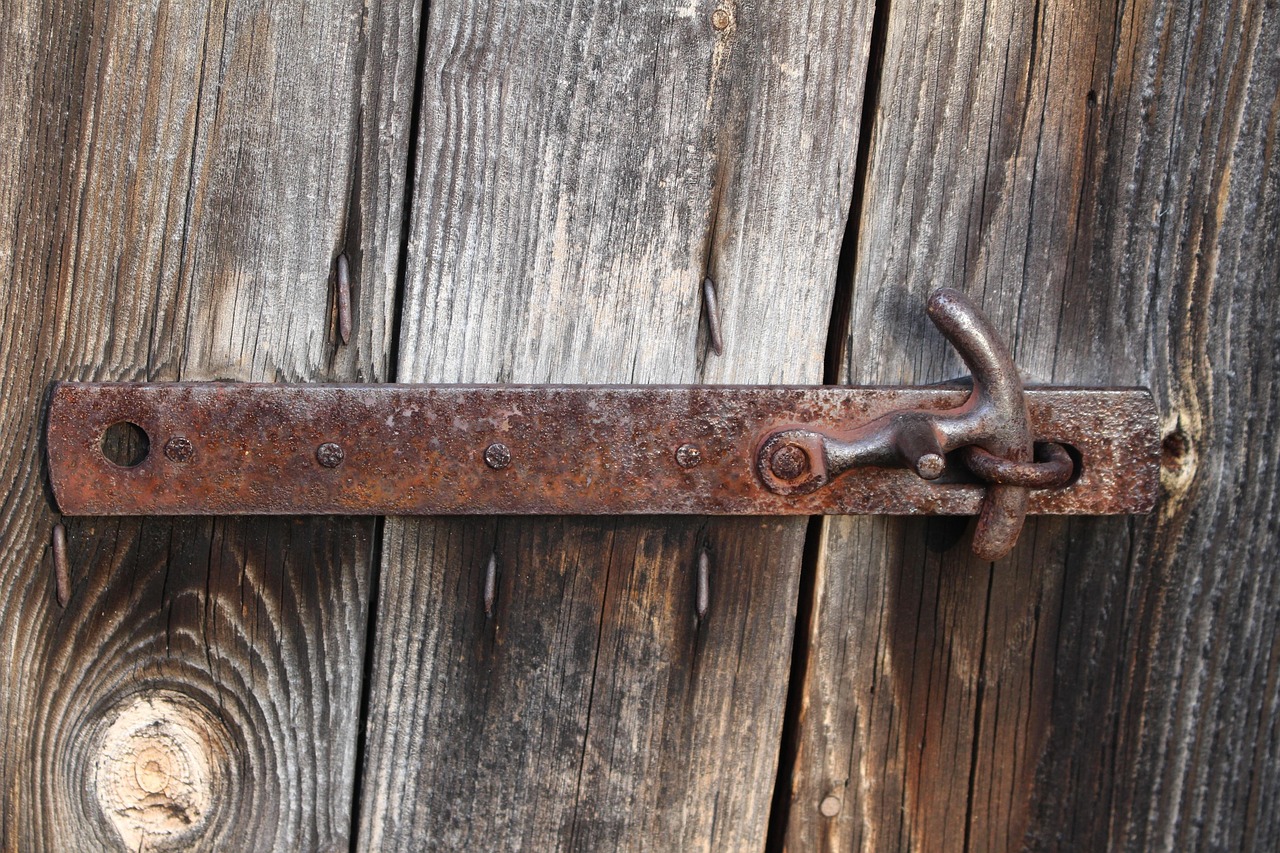
Hinges, handles, knobs, latches, corner braces, threaded inserts, standoffs and adjustable feet are also metal fittings. They usually face different service risks from pipe fittings. Appearance, repeated movement, wear, screw retention and finish durability may matter more than pressure rating.
How material choice changes performance
Material selection is where many specification errors begin. A fitting that appears strong in a catalog can fail early if it is used in the wrong moisture, chemical or load environment. The table below summarizes common options and the trade-offs buyers usually evaluate.
| Material | Typical use | Main advantage | Key limitation |
|---|---|---|---|
| Carbon steel | Industrial brackets, flanges, welded pipe fittings and machinery hardware | High strength and broad availability | Needs coating or controlled environment to resist rust |
| Stainless steel | Food equipment, exterior hardware, marine-adjacent uses and corrosive environments | Better corrosion resistance than plain carbon steel | Higher cost and grade selection still matters |
| Galvanized steel | Outdoor connectors, brackets, fasteners and some pipe systems | Zinc coating provides sacrificial corrosion protection | Cut edges, severe chemicals and coating damage reduce protection |
| Malleable iron | Threaded pipe fittings and general mechanical connections | Good toughness for threaded shapes | Not automatically suitable for every pressure, temperature or fluid service |
| Brass and copper alloys | Plumbing, compression fittings, valves and decorative hardware | Corrosion resistance, machinability and conductivity | May face dezincification or compatibility limits in some waters and chemicals |
| Aluminum | Lightweight frames, panels and non-magnetic hardware | Low weight and natural oxide protection | Lower stiffness than steel and galvanic corrosion risk with dissimilar metals |
Stainless steel is often treated as a simple upgrade, but it is not one material. Common grades such as 304 and 316 differ in corrosion performance, and the right choice depends on chloride exposure, cleaning chemicals, temperature and budget. Galvanized steel is also not a single uniform finish. Hot-dip galvanizing, mechanical galvanizing, zinc-plated finishes and pre-galvanized sheet can perform differently, especially at edges, threads and bends.
Standards and markings to check before purchase
Standards do not make a fitting suitable for every job, but they give buyers and installers a common language for dimensions, ratings, tolerances and test expectations. For piping, ASME B16.5-2025 covers pipe flanges and flanged fittings from NPS 1/2 through NPS 24, including pressure-temperature ratings, materials, dimensions, tolerances, marking and testing. ASME B16.9-2024 covers factory-made wrought butt-welding fittings from NPS 1/2 through NPS 48 and includes dimensions, tolerances, ratings, testing and markings.
ASTM material specifications are also important. ASTM A234/A234M is commonly associated with wrought carbon steel and alloy steel piping fittings for moderate and high temperature service. ASTM A860/A860M covers wrought high-strength ferritic steel butt-welding fittings used in high-pressure gas and oil transmission and distribution systems. ISO 49 covers malleable cast iron threaded fittings threaded to ISO 7-1. In the United States, the ANSI incorporated-by-reference portal and PHMSA pipeline safety materials also show how certain MSS standards, including SP-75 for high-strength wrought butt-welding fittings, can be tied to regulated pipeline contexts.
For building connectors and fasteners, code language often points toward ASTM coating or material requirements. The 2024 International Building Code states that structural load-carrying steel should be identified for conformity to the ordered grade in accordance with the specified ASTM standard or another referenced specification. Coastal and treated-wood applications may require higher corrosion protection than a generic zinc-plated finish provides.
Useful markings and documents may include:
- Material grade or alloy designation.
- Nominal size, wall thickness, schedule or thread type.
- Pressure class or load rating where applicable.
- Manufacturer identification and heat or lot traceability.
- Coating type, coating thickness or corrosion category.
- Relevant standard, test report or certificate of conformity.
Corrosion, load and pressure are the three risk filters
A practical selection process should start with three filters: corrosion, load and pressure. If any one of these is misunderstood, the fitting may be unsuitable even when the catalog description sounds correct.
Corrosion risk depends on moisture, salt, chemicals, temperature, ventilation and contact with dissimilar metals. Stainless steel can stain or pit in chloride-rich conditions. Zinc coatings can be consumed faster in coastal, acidic or wet environments. Aluminum can corrode when paired with certain metals without isolation. In building hardware, a connector specified for indoor use may need a different coating if it is moved outdoors, under a deck or near treated lumber.
Load risk applies to brackets, anchors, hangers, straps and structural connectors. Buyers should distinguish between static load, vibration, impact, uplift, shear, tension and fatigue. A thick-looking fitting is not necessarily rated for the actual load path. Hole spacing, edge distance, fastener type and substrate strength all affect capacity. See also: Buying Guides.
Pressure risk applies to pipe, tube and hose fittings. Threaded, flanged, welded and compression connections respond differently to pressure cycles, temperature changes and vibration. A fitting body may be strong enough while the seal, gasket, ferrule, weld or thread engagement becomes the weak point. Pressure class should be checked together with temperature and fluid compatibility, not read as a stand-alone number.
2026 market signals that affect metal fitting decisions
Even for an evergreen specification, recent market data can affect purchasing strategy. The U.S. Bureau of Labor Statistics Producer Price Index release for July 2026 reported a 3.9% monthly increase for steel mill products and a 22.5% 12-month increase for that category. In the same release, hardware showed a 4.3% 12-month increase and plumbing fixtures and brass fittings showed a 4.9% 12-month increase, while copper and brass mill shapes declined 2.9% for the month but remained 18.4% higher over 12 months.
Supply indicators also matter. The American Iron and Steel Institute reported on March 17, 2026, that U.S. steel shipments for full-year 2025 were 91,158,528 net tons, up 5.1% from 2024 after revisions. For copper, the U.S. Geological Survey Mineral Commodity Summaries 2026 and its copper information page describe building construction as the single largest copper market and note that electrical uses account for about three quarters of total copper use.
These figures should not be read as direct quotes for a specific fitting. A small bracket, a forged flange and a brass compression fitting have different cost structures. However, movement in steel, brass and copper prices can influence lead times, quote validity, minimum order policies and substitution pressure. For projects with long procurement cycles, it is reasonable to confirm whether the quoted material grade, coating and standard will remain available through the expected delivery window.
A practical specification checklist
Before selecting or comparing metal fittings, record the conditions the fitting must survive. A short checklist often prevents expensive substitutions later.
- Function: connection, support, sealing, alignment, load transfer, adjustment or appearance.
- Environment: indoor, outdoor, coastal, buried, wet, heated, chemical exposure or food-contact area.
- Base material: carbon steel, stainless steel grade, malleable iron, brass, bronze, copper alloy or aluminum.
- Connection method: threaded, welded, bolted, pressed, clamped, soldered, brazed or screwed.
- Dimensional reference: nominal pipe size, tube outside diameter, thread form, hole pattern, thickness or tolerance.
- Performance rating: pressure class, allowable load, temperature range, vibration resistance or service category.
- Finish and coating: hot-dip galvanized, mechanical galvanized, zinc plated, powder coated, passivated, anodized or uncoated.
- Documentation: applicable standard, inspection certificate, test report, traceability and marking.
When comparing alternatives, do not treat two fittings as equal just because their names match. A 3/4-inch elbow can involve different thread types, materials, wall thicknesses and ratings. A galvanized bracket can describe different coating systems. A stainless connector may not specify the stainless grade. Clear ordering language reduces disputes between design, purchasing and installation teams.
Common mistakes to avoid
One common mistake is using appearance as a proxy for performance. Bright zinc-plated hardware may look cleaner than hot-dip galvanized hardware, but the two finishes are not equivalent in harsh exterior exposure. Another mistake is mixing metals without considering galvanic corrosion. Stainless fasteners in aluminum components, copper alloys near steel, or dissimilar metals in wet environments may need isolation washers, coatings or drainage design.
A third mistake is ignoring installation. A fitting can lose its intended performance if it is overtightened, welded without a suitable procedure, installed with the wrong gasket, paired with incompatible fasteners or placed in a misaligned assembly. For load-bearing or pressure-retaining systems, installation guidance and inspection requirements should be treated as part of the specification, not as an afterthought.
Frequently asked questions
Are metal fittings always stronger than plastic fittings?
No. Metal fittings often provide higher temperature resistance, stiffness and mechanical strength, but strength depends on the alloy, design, wall thickness, connection method and service condition. Some engineered plastics perform well in corrosion-heavy or lightweight applications where a metal fitting may need extra protection.
What is the difference between a fitting and a fastener?
A fastener such as a bolt, screw, nut or rivet primarily joins parts together. A fitting usually connects, adapts, supports, redirects or terminates a system. In practice, they often work together: a metal bracket is the fitting, while bolts or screws are the fasteners that secure it.
When should stainless steel be specified?
Stainless steel is useful when corrosion resistance, hygiene, appearance or long service life is important. The grade should match the environment. For example, chloride exposure can push a design toward more corrosion-resistant grades, while indoor dry uses may not justify the same cost.
Why do standards matter if the fitting dimensions look correct?
Dimensions are only one part of suitability. Standards may also address tolerances, materials, pressure-temperature ratings, marking and testing. A fitting that looks dimensionally similar can still differ in wall thickness, material grade, coating, traceability or rated service.