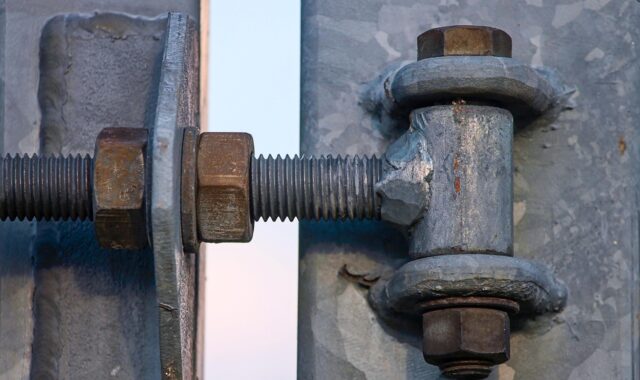
Metal pipe fittings explained by type, material, and connection method
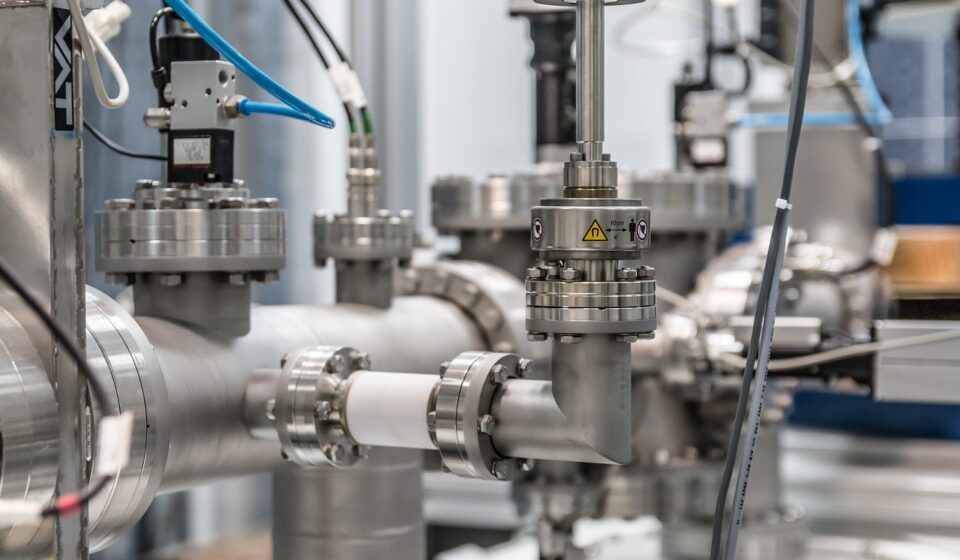
What metal pipe fittings do in a piping system
Metal pipe fittings connect straight pipe runs, change direction, split or combine flow, reduce pipe size, close an end, or create a removable joint. Selection is rarely based on the fitting name alone. A carbon steel butt-weld elbow in a process line, a stainless threaded coupling on a small-bore utility line, and a malleable iron tee in a low-pressure installation may all be metal pipe fittings, but they are not interchangeable.
The correct choice depends on pipe material, fluid, pressure, temperature, corrosion conditions, connection method, and the project standard. This guide explains the main fitting types, material options, joining methods, standards, and common selection risks in practical terms.
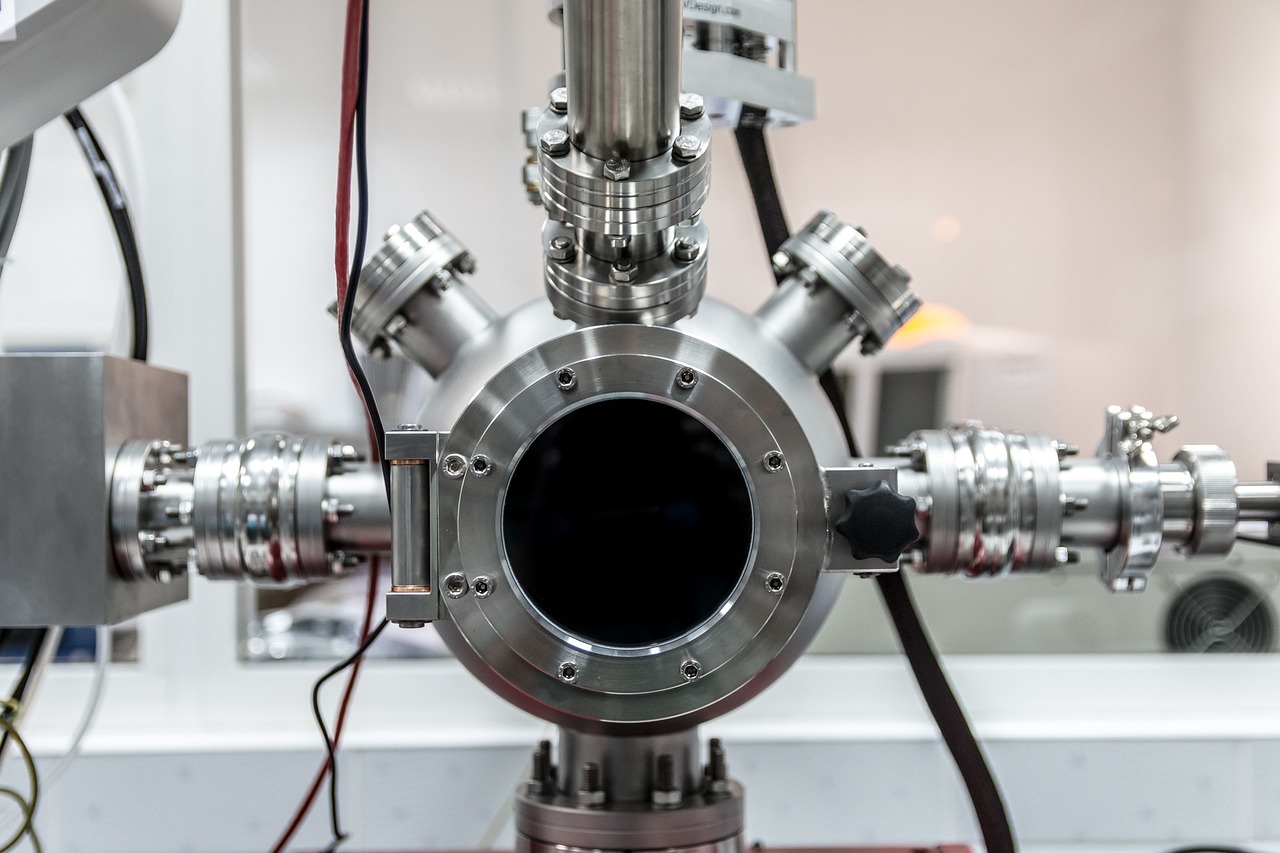
For related hardware and component topics, visit the Metal Fittings section.
Main types of metal pipe fittings
Most metal pipe fittings are built around a small group of functions. Starting with the function helps prevent the common mistake of choosing a component only because it looks similar to another fitting.
| Fitting type | Primary function | Typical selection point |
|---|---|---|
| Elbow | Changes pipe direction, commonly by 45 degrees or 90 degrees | Check bend radius, pressure class, wall thickness, and flow loss |
| Tee and cross | Creates branches or combines flow paths | Confirm equal or reducing branch size and loading at the branch |
| Reducer | Connects different pipe sizes | Choose concentric or eccentric design based on drainage, air pockets, and layout |
| Coupling | Connects two pipe ends in line | Match thread, socket, compression, or mechanical joint style |
| Union | Creates a removable in-line joint | Useful where equipment may need service or replacement |
| Cap and plug | Closes the end of a pipe or fitting | Match pressure, thread type, and corrosion conditions |
| Nipple and adapter | Provides a short connection or transitions between end types | Check thread compatibility and sealing method |
| Flange | Creates a bolted removable joint | Confirm flange standard, pressure class, gasket, bolting, and facing |
In real systems, these fittings are often used together. A pump connection, for example, may include reducers, flanges, elbows, drains, and unions in the same area. If the line must be inspected, flushed, or repaired, a maintenance-friendly layout can be more valuable than simply reducing the fitting count.
Material choices and where they fit
The fitting material should normally be compatible with the connected pipe and the service environment. A metal that appears stronger is not automatically safer if it creates galvanic corrosion, performs poorly at the operating temperature, or uses incompatible threads.
Carbon steel
Carbon steel fittings are common in industrial piping, oil and gas, steam, fire protection, and general pressure service. Wrought carbon steel and alloy steel fittings for moderate and high-temperature service are covered by ASTM A234/A234M when that specification is required by the project. Carbon steel offers strength and broad availability, but it needs suitable corrosion protection when exposed to water, chemicals, outdoor weather, or buried conditions.
Stainless steel
Stainless steel fittings are selected where corrosion resistance, cleanliness, or temperature performance is important. Common grades such as 304 and 316 are widely used, but the grade still has to match the environment. Chlorides, cleaning chemicals, stagnant water, crevices, and high temperature can all affect stainless performance. Stainless steel is not a universal solution; it must be checked against the fluid and operating conditions.
Malleable iron, ductile iron, and cast iron
Malleable iron threaded fittings are often used in low- to moderate-pressure services, utility piping, and general mechanical systems. ISO 49 addresses malleable cast iron fittings threaded to ISO 7-1, while other regional standards may apply depending on the market. Ductile iron is valued for strength and toughness in waterworks and infrastructure applications. Cast iron may be used in drainage or low-pressure systems, but it is generally not treated the same as wrought steel pressure fittings.
Copper, brass, and bronze
Copper and copper-alloy fittings are common in plumbing, HVAC, refrigeration, and some water service applications. In drinking water systems, lead content is a regulatory concern in many jurisdictions. In the United States, the lead-free requirement for wetted surfaces in pipes, pipe fittings, plumbing fittings, and fixtures is commonly referenced as a weighted average of not more than 0.25 percent lead. For potable water projects, material certification is therefore important.
Nickel alloys and other specialty metals
Nickel alloy, duplex stainless, aluminum, and other specialty metal fittings are selected for specific conditions such as seawater, chemical processing, low temperature, weight reduction, or high-temperature service. These materials usually require closer review of the material standard, welding procedure, heat treatment, and compatibility with the connected pipe.
Connection methods compared
The joining method affects installation cost, leak risk, inspection, maintenance, and allowable service conditions. Two fittings with the same size and material can perform very differently if one is threaded and the other is welded.
| Connection method | Where it is commonly used | Important limitation |
|---|---|---|
| Threaded | Small-bore piping, low- to moderate-pressure utilities, maintenance connections | Thread form, sealant, torque, and thread engagement are critical |
| Butt-weld | Process piping, high-pressure or high-temperature lines, permanent joints | Requires welding qualification, fit-up control, and inspection |
| Socket-weld | Small-bore forged steel piping | Can create crevice areas and requires correct weld gap and procedure |
| Flanged | Pumps, valves, vessels, equipment connections, removable joints | Gasket, bolting, alignment, and pressure-temperature rating must match |
| Grooved mechanical | Fire protection, HVAC, water, and retrofit piping | Coupling, gasket, groove profile, and pipe end preparation control performance |
| Compression or press | Plumbing, instrumentation, and selected mechanical systems | Requires compatible tube or pipe dimensions and manufacturer-approved installation |
Threaded fittings
Threaded metal fittings are relatively easy to install and remove, which makes them useful for smaller lines and maintenance points. Thread systems, however, should not be mixed casually. NPT, BSPT, BSPP, and metric thread forms are different. ASME B1.20.1 is a widely referenced standard for general-purpose inch pipe threads, including NPT thread dimensions and gaging. Sealing often depends on thread interference plus a compatible sealant, so overtightening can crack a fitting while undertightening can lead to leakage.
Butt-weld and socket-weld fittings
Welded fittings are chosen when permanent strength and continuity are more important than easy disassembly. ASME B16.9 covers factory-made wrought butt-welding fittings, while ASME B16.11 covers forged socket-welding and threaded fittings. Welded systems require qualified procedures, compatible filler materials, proper fit-up, and appropriate inspection. The fitting may meet the standard, but the installed joint is only as reliable as the welding and inspection work.
Flanged fittings
Flanges make large or critical equipment connections serviceable. ASME B16.5 covers pipe flanges and flanged fittings from NPS 1/2 through NPS 24, including pressure-temperature ratings and dimensional requirements. In practice, the full flange assembly matters: flange class, facing, gasket material, bolt grade, lubrication, tightening sequence, and alignment all influence leak performance.
Standards, markings, and what they do not prove
Standards help buyers and engineers specify predictable dimensions, materials, tolerances, ratings, and marking requirements. They do not replace engineering judgment. A fitting can conform to a dimensional standard and still be wrong for a corrosive fluid, cyclic service, sanitary requirement, or local code condition. See also: Buying Guides.
- ASME B16.9 is commonly associated with factory-made wrought butt-welding fittings.
- ASME B16.11 covers forged socket-welding and threaded fittings.
- ASME B16.5 applies to pipe flanges and flanged fittings within its stated size range.
- ASME B1.20.1 is used for general-purpose inch pipe threads, including NPT.
- ASTM A234/A234M covers wrought carbon steel and alloy steel piping fittings for moderate and high-temperature service.
- ISO 49 covers malleable cast iron fittings threaded to ISO 7-1.
Markings may include manufacturer identification, size, material grade, heat number, pressure class, schedule, or applicable standard, depending on the fitting and specification. For procurement, the safer approach is to state the relevant standard, material grade, end connection, size, pressure class or schedule, coating or finish, and any test certificates required by the project.
How to choose metal pipe fittings
A practical selection process starts with the system requirements, not the catalog page. The following checklist can reduce mismatches and avoid unnecessary rework.
- Define the service. Identify the fluid or gas, pressure, temperature, flow conditions, cleaning method, and whether the line is safety-critical.
- Match the pipe. Confirm NPS or DN, pipe schedule or wall thickness, outside diameter, and pipe material. A fitting that matches the nominal size may still be wrong if the wall thickness or end preparation differs.
- Choose the material. Consider corrosion, erosion, temperature, galvanic interaction, hygiene, and regulatory requirements such as lead-free rules for potable water.
- Select the connection method. Decide whether the joint should be permanent, removable, fast to install, field-adjustable, or easy to inspect.
- Confirm pressure and temperature limits. Ratings may change as temperature rises. Flanged joints, threaded fittings, gaskets, and bolting must be reviewed as an assembly.
- Check the applicable standard. Use the project specification, local code, and industry standard together. Do not assume one standard covers every aspect of design.
- Plan inspection and maintenance. Add unions, flanges, drains, vents, or access points where future service will require disassembly.
In procurement, vague descriptions such as steel elbow or stainless connector are not enough. A clearer description should include size, schedule, material grade, end type, standard, pressure class, coating, and certification requirement. Specificity reduces substitution risk.
Common mistakes to avoid
Many fitting failures or installation problems come from small mismatches rather than obvious defects. Common examples include mixing incompatible thread systems, using a fitting with the wrong pressure class, ignoring temperature derating, selecting stainless steel without checking chloride exposure, and treating galvanized coating as a universal corrosion solution.
Another frequent issue is assuming that all fittings with the same nominal size have the same internal flow area or wall thickness. Reducers, threaded fittings, and forged fittings can create restrictions, turbulence, or local stress concentration. In pump suction lines, eccentric reducers may be preferred in certain layouts to help manage air pockets, while concentric reducers may be appropriate elsewhere. The correct choice depends on system geometry and engineering practice.
Dissimilar metal contact also deserves attention. Stainless steel connected directly to carbon steel, copper connected to steel, or galvanized components connected to certain alloys may create corrosion risks in the presence of an electrolyte. Isolation fittings, coatings, compatible fasteners, and proper drainage can reduce the problem, but the system environment must be evaluated.
Frequently asked questions
What are the most common metal pipe fittings?
The most common types are elbows, tees, reducers, couplings, unions, caps, plugs, nipples, adapters, and flanges. They route, branch, connect, reduce, close, or make piping removable for service.
Are metal pipe fittings better than plastic fittings?
Metal fittings generally offer higher temperature resistance, mechanical strength, and fire resistance than many plastics. Plastic fittings may offer better corrosion resistance, lower weight, or easier installation in some water and chemical services. The better option depends on the fluid, temperature, pressure, code requirements, and installation environment.
What is the difference between a pipe fitting and a tube fitting?
Pipe fittings are usually specified by nominal pipe size and schedule or pressure class. Tube fittings are usually specified by actual outside diameter and are common in instrumentation, hydraulic, pneumatic, and precision fluid systems. The terms should not be treated as interchangeable without checking dimensions and connection design.
How do I identify the size of a metal pipe fitting?
Start with the nominal pipe size or DN marking if present, then confirm outside diameter, thread type, wall thickness, pressure class, and end connection. Measuring only the outside diameter can be misleading because nominal pipe size is not always the same as actual outside diameter.
Can stainless steel and carbon steel fittings be used together?
They can be used together in some systems, but the joint should be reviewed for galvanic corrosion, temperature, pressure, welding compatibility, and contamination risk. In wet or corrosive environments, direct contact between dissimilar metals may require isolation or protective measures.
Final selection takeaway
Metal pipe fittings are small components with a large influence on system reliability. A sound selection method is to define the service conditions first, then choose the material, fitting type, connection method, and standard as a complete package. Standards such as ASME, ASTM, and ISO provide essential reference points, but they do not answer every application question. Each fitting should be evaluated as part of the full piping system, including the pipe, joint, gasket, coating, support, inspection plan, and maintenance access.