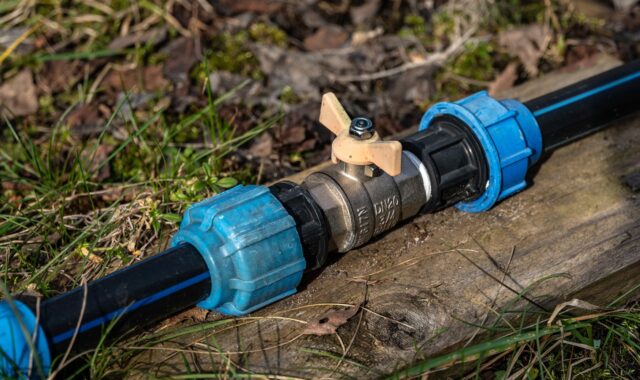
Metal tube fittings selection guide for industrial fluid systems
What metal tube fittings do in a fluid system
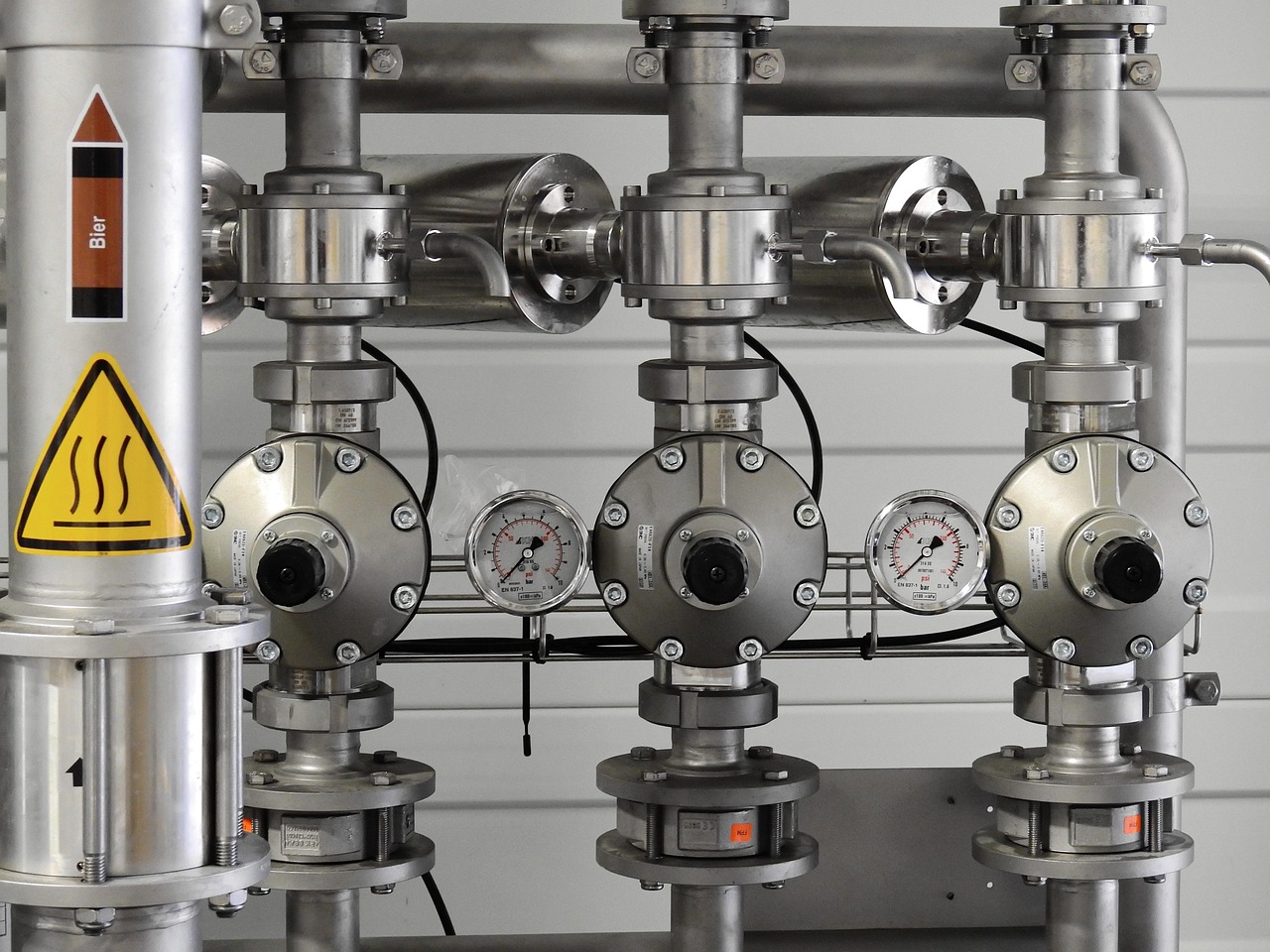
Metal tube fittings connect straight runs of tubing to valves, instruments, manifolds, cylinders, pumps and other equipment. A suitable fitting must seal the media, grip or support the tube, tolerate pressure and temperature, resist corrosion and remain practical to install, inspect and maintain.
In industrial fluid systems, selecting metal tube fittings is not simply a matter of matching diameter. The selection also has to account for tube material, wall thickness, thread form, pressure rating, vibration, cleanliness, applicable standards and whether the joint needs to be removable. For related hardware topics, see the Metal Fittings category.
Tube fittings are often confused with pipe fittings. Tubing is usually specified by outside diameter and wall thickness, while pipe is commonly specified by nominal pipe size and schedule. That distinction matters because many tube fittings seal on the tube outside diameter or on a formed tube end. If the tube size, hardness or wall thickness is wrong, the fitting may assemble, but it may not seal consistently in service.
Common types of metal tube fittings
Most industrial users first identify the fitting style that matches the system pressure, available space, installation tools and maintenance expectations. The table below summarizes common categories without treating any one design as universal.
| Fitting type | How it seals or grips | Common use | Main selection caution |
|---|---|---|---|
| Compression or two-ferrule fittings | Ferrules compress around the tube as the nut is tightened | Instrumentation, gas panels, sampling lines and small-bore fluid systems | Requires compatible tube outside diameter, surface condition and hardness |
| Bite-type or cutting-ring fittings | A ring bites into the tube to create mechanical retention | Hydraulic and general fluid power circuits | Assembly quality and tube material compatibility are critical |
| 37 degree flared fittings | The tube end is flared and seals against a mating cone | Hydraulic equipment, mobile machinery and aerospace-style systems | Needs proper flaring tools and enough tube wall quality for forming |
| 24 degree cone fittings | Connector geometry and, in some designs, an elastomeric seal create the joint | Metric hydraulic and fluid power systems | Must match the relevant cone, thread and port standard |
| Welded tube fittings | The fitting is welded to the tube or component | High-purity, sanitary, high-temperature or permanent process lines | Requires qualified welding, inspection and cleaning procedures |
| Threaded tube adapters | One side connects to tube, the other to a threaded port | Transitions to valves, gauges, regulators and manifolds | Thread type and sealing method must be confirmed before assembly |
| Flange connectors | Bolted flange clamps and seals handle larger or higher-flow connections | Hydraulic power units and heavy equipment | Bolt torque, seal selection and pressure surges need attention |
The practical choice often depends on whether the line is instrument tubing, hydraulic tubing, sanitary tubing or general industrial tubing. A stainless steel compression fitting may suit a small analyzer line, while a heavy hydraulic circuit may require a 24 degree cone, 37 degree flare or flange connection. In a permanent process installation, welded joints may be justified even when fabrication and inspection take longer.
How to match material, tube and media
Material selection should start with the media inside the tube, the environment around the tube and the temperature range. Stainless steel is widely used because it combines broad corrosion resistance with useful strength. Brass is common in lower-pressure water, air and some oil applications, especially with copper tubing. Carbon steel is frequently used in hydraulic systems where strength and cost are important and the environment is controlled. Nickel alloys and other special metals are selected when ordinary stainless steel is not sufficient for chlorides, acids, high temperature or aggressive process fluids.
A fitting should not be treated separately from the tube. Manufacturer installation guides commonly recommend compatible or like materials, such as stainless steel fittings with stainless steel tubing. The reason is not only corrosion compatibility. Tube hardness, wall thickness and surface finish affect how ferrules, rings or flares form and seal. Where an electrolyte is present, mixed metals can also introduce galvanic corrosion risk.
| Material | Typical strengths | Where caution is needed |
|---|---|---|
| 316 stainless steel | Good corrosion resistance, common for instrumentation and process systems | Not immune to chloride stress corrosion; verify media compatibility |
| 304 stainless steel | General corrosion resistance and good availability | Less suitable than 316 in many chloride-rich environments |
| Brass | Easy to machine, often economical, compatible with copper tubing in many low-pressure services | Check dezincification risk, ammonia exposure and pressure limits |
| Carbon steel | Strong and common in hydraulic applications | Needs protection from rust and incompatible fluids |
| Copper | Good formability and thermal conductivity | Limited strength compared with steel; not suitable for all gases or fluids |
| Nickel alloy | Used for demanding corrosion or temperature conditions | Higher cost and longer sourcing lead times may apply |
Cleanliness can be as important as alloy choice. Oxygen service, semiconductor gases, analytical systems and food or pharmaceutical applications may require controlled cleaning, packaging, passivation or certificates. These requirements should be written into the purchasing specification rather than assumed from the fitting material alone.
Pressure, temperature and standards to check
Pressure rating should be checked at the system level. A fitting, tube, valve and port may each have different limits, and the safe working limit is governed by the weakest suitable component under the most severe expected operating condition. Temperature can reduce allowable pressure, change seal behavior and affect corrosion. Hydraulic systems also experience pressure surges, so the normal gauge reading may not represent the worst condition.
Several public standards help frame the selection, although the correct standard depends on the industry and jurisdiction. ASTM A269/A269M covers seamless and welded austenitic stainless steel tubing for general corrosion-resisting and low- or high-temperature service. ASTM F1387 addresses performance characteristics for mechanically attached fittings used in piping and tubing systems. ISO 8434 covers several metallic tube connection families for fluid power and general use, including 24 degree cone and 37 degree flared connectors. ISO 6162 covers certain hydraulic flange connections. ASME B31.3 is widely referenced for process piping in sectors such as chemical, petroleum, pharmaceutical, semiconductor, hydrogen and cryogenic plants.
| Selection question | Why it matters | What to verify |
|---|---|---|
| What is the maximum pressure and temperature? | Ratings may decrease at elevated temperature or with incompatible materials | Tube, fitting, port, valve and seal rating at the same conditions |
| Is the tube seamless or welded? | Some applications specify one construction for pressure, cleanliness or inspection reasons | Applicable tubing specification and certificate requirements |
| Does the system use metric or inch tubing? | Near-fit sizes can assemble incorrectly | Actual outside diameter, wall thickness and fitting series |
| What thread or port form is used? | NPT, BSPP, BSPT, SAE and metric threads are not interchangeable | Thread gauge, sealing method and port standard |
| Will the connection be disassembled? | Some joints tolerate repeated assembly better than others | Manufacturer reassembly limits and inspection method |
Standards summaries are useful, but they do not replace project engineering. A plant specification may require a particular edition, material certificate, pressure test, leak test or inspection procedure. When safety, hazardous fluids or regulated systems are involved, the governing code and a qualified engineer should determine the final requirements.
Installation details that affect leak performance
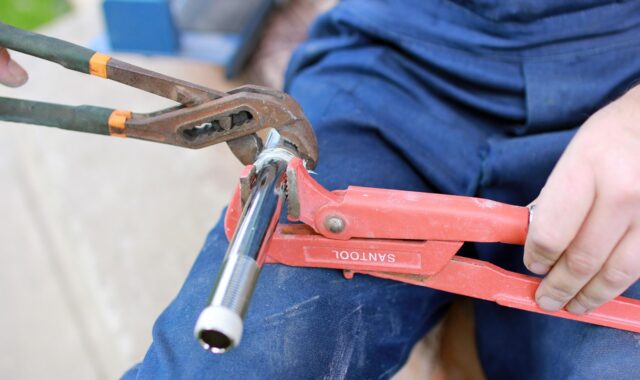
Many fitting failures are installation failures rather than material failures. A high-quality fitting can leak if the tube is scratched, out of round, cut at an angle, under-inserted or over-tightened. Manufacturer guidance for mechanical tube fittings commonly emphasizes square cutting, deburring, full insertion to the fitting shoulder, holding the fitting body steady during tightening and using the specified turn count or inspection gauge where applicable.
Preparation starts before the nut is tightened. Tubing should be stored to avoid dents and contamination. The tube end should be cut with a suitable cutter or saw, then deburred so loose metal does not enter the system or damage sealing surfaces. The installer should confirm that the tube rests fully in the fitting body before tightening. On many compression-type fittings, the nut position is marked before tightening so the correct rotation can be verified.
Safety practices are equally important. A fitting should not be tightened, loosened or used to bleed pressure while the system is pressurized. If a joint leaks during testing, the safe response is to depressurize, inspect and follow the approved rework procedure. Rotating the fitting body during assembly can damage sealing surfaces or twist the tube, especially where the connection is already aligned with other components. See also: Buying Guides.
- Cut tube ends square and remove burrs before assembly.
- Check that the tube outside diameter and wall thickness match the fitting series.
- Use clean tools for oxygen, high-purity or sensitive fluid service.
- Do not mix nuts, ferrules or rings from different fitting systems unless the manufacturer confirms compatibility.
- Support tubing near vibration sources to reduce fatigue and fretting.
- Document torque, turns, inspection results or leak test results when the project requires traceability.
Purchasing checklist for metal tube fittings
A clear purchase specification reduces the risk of receiving a visually similar but technically different fitting. Small differences in thread form, ferrule design, seal compound or material grade can create major installation and reliability issues. For industrial projects, the purchasing description should include more than the common name of the fitting.
- Fitting type, such as compression, bite-type, flare, cone, welded adapter or flange connector.
- Tube outside diameter, wall thickness and whether the tube is metric or inch size.
- Fitting body material and any required ferrule, ring, seal or nut material.
- Thread or port type, including size, pitch and sealing method.
- Pressure and temperature requirements, including surge or cyclic conditions where relevant.
- Media compatibility, including cleaning requirements for oxygen, gas, food, medical or high-purity service.
- Applicable standards, code edition, certificate type and traceability level.
- Surface finish, coating, passivation or plating requirement.
- Packaging needs, especially for cleaned or contamination-sensitive fittings.
- Inspection method, such as dimensional check, pressure test, leak test or documentation review.
For replacement work, a sample fitting is useful but not always sufficient. Threads should be measured, not guessed. Tube outside diameter should be checked with calipers. If the old fitting failed, the replacement process should identify the cause before installing the same style again.
Common selection mistakes to avoid
The first mistake is selecting by tube diameter only. Two fittings can accept the same outside diameter but use different sealing geometry, pressure classes or materials. The second mistake is assuming that stainless steel automatically solves corrosion. In chloride-rich, acidic or high-temperature environments, a specific grade or special alloy may be necessary.
Another common mistake is ignoring vibration. Long unsupported tube runs, pump pulsation and machine movement can fatigue tubing or loosen poorly supported connections. Where vibration is expected, the design should include clamps, proper routing, bend radius control and fitting styles suitable for cyclic loads.
Thread confusion is also a frequent source of leaks. Tapered threads, parallel threads and O-ring sealed ports work differently. Applying sealant to the wrong thread type or forcing near-matching threads can damage equipment and make later inspection difficult. When a system crosses between standards, adapters should be deliberately specified rather than improvised.
Finally, users sometimes focus on the fitting price and overlook labor, downtime and risk. A lower-cost part may be acceptable in a noncritical service, but not if it lacks documentation, material traceability or proven compatibility with the tubing. The better comparison is total installed reliability, not unit price alone.
Frequently asked questions
Are metal tube fittings the same as pipe fittings?
No. Tube fittings normally work with tubing identified by outside diameter and wall thickness. Pipe fittings normally work with nominal pipe sizes and pipe schedules. Some adapters connect tube to pipe ports, but the two systems should not be treated as interchangeable.
Which metal is best for tube fittings?
There is no single best metal. 316 stainless steel is common for corrosion resistance, brass is practical for many lower-pressure air or water systems, carbon steel is widely used in hydraulics, and nickel alloys serve more aggressive environments. The right choice depends on media, temperature, pressure, environment, tube material and documentation needs.
Can stainless steel fittings be used with copper tubing?
It depends on the fitting design, pressure and application. Many manufacturers recommend matching fitting and tube materials, with specific exceptions such as brass fittings with copper tubing in suitable low-pressure services. If dissimilar metals are used, check galvanic corrosion risk and confirm manufacturer compatibility.
Why do tube fittings leak after installation?
Common causes include scratched or oval tubing, poor deburring, incomplete tube insertion, incorrect tightening, mixed components, damaged threads, wrong sealant, vibration or using a fitting outside its pressure and temperature rating. A safe inspection should be done only after the system is depressurized.
What information should be provided when ordering metal tube fittings?
Provide fitting type, tube outside diameter, tube wall thickness, material grade, thread or port type, pressure and temperature requirements, media, applicable standards, cleaning requirements and certificate needs. A complete specification helps suppliers avoid near-match substitutions.