Anodized surface for aluminum hardware types, benefits, and design limits
What an anodized surface is
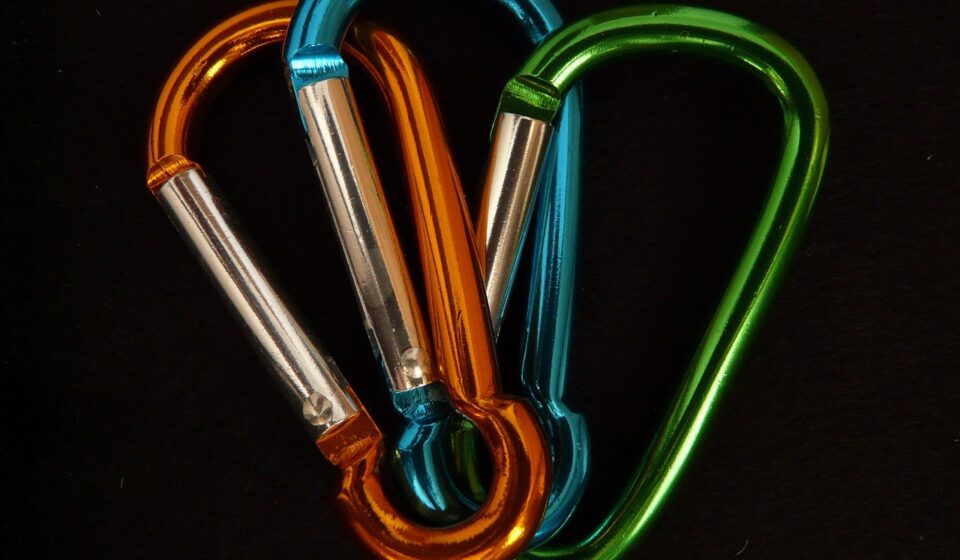
An anodized surface is not paint, plating, or an applied film. It is an aluminum oxide layer grown from the aluminum itself through an electrochemical process. For aluminum hardware, extrusions, machined parts, panels, trim, and fittings, anodizing is used when a part needs a cleaner metallic appearance, better corrosion resistance, improved surface hardness, color options, or a controlled base for later finishing.
The main limitation is just as important: anodizing does not hide poor base metal, machining marks, sharp edges, casting porosity, or alloy color variation. A good anodized finish depends on alloy choice, pretreatment, coating thickness, sealing, and clear drawing notes, not only on the anodizing bath. For related finishing topics, see the Surface Finishes category.
How the anodizing process changes aluminum
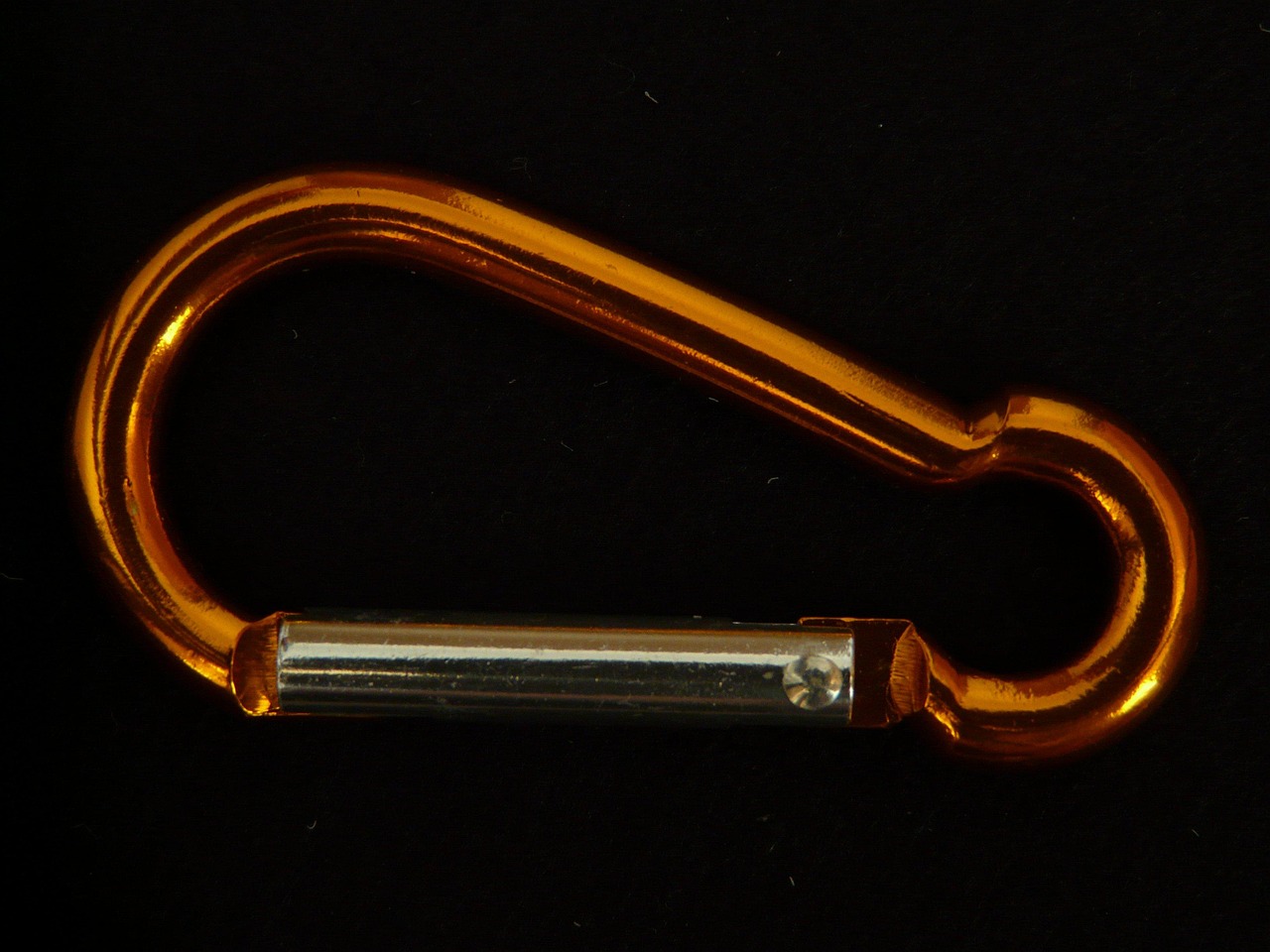
Aluminum naturally forms a thin oxide layer when exposed to air. Anodizing deliberately thickens and organizes that oxide under controlled conditions. In a typical process, the part is cleaned, deoxidized or etched, connected as the anode in an electrolyte, treated with electrical current, rinsed, optionally colored, and then sealed when the application requires corrosion resistance or color retention.
Industry references describe the coating as an electrolytically formed porous oxide. ASTM B580-25 covers porous anodic oxide coatings on aluminum and aluminum alloy parts where appearance, abrasion resistance, electrical properties, and corrosion protection are important. ISO 7599:2018 covers decorative and protective anodic oxidation coatings and gives a method for specifying properties, test methods, aluminum grades, and pretreatment considerations. MIL-PRF-8625F, often used for non-architectural and defense-related drawings, classifies anodic coatings by type and class.
The word porous matters. Many anodized coatings contain microscopic pores that can accept dye or metallic coloring. In many service environments, those pores also need to be sealed. Sealing closes or hydrates the pore structure, making it harder for contaminants and moisture to enter the coating. In some hardcoat applications, however, sealing may be limited or omitted because it can reduce wear performance. That is why a drawing should not simply say anodize aluminum. It should state the required type, thickness, color, and sealing condition.
Common anodized surface types and thickness ranges
Specifications use different naming systems, so buyers may see several terms for the same broad family of finishes. The table below compares common references in practical terms. It does not replace the full standard or a project-specific drawing.
| Reference or term | Typical meaning | Why it matters for hardware |
|---|---|---|
| Type II sulfuric anodizing | Conventional sulfuric acid anodizing, commonly used for decorative and protective finishes | Suitable for many machined parts, brackets, trims, enclosures, and colored components when wear is moderate |
| Type III hard anodizing | Heavier, denser anodic coating for wear and abrasion resistance | Used on sliding parts, pistons, hinges, tooling components, and other functional hardware where clearance and surface growth must be controlled |
| Class 1 and Class 2 in MIL-PRF-8625 | Class 1 means non-dyed; Class 2 means dyed or pigmented | Prevents confusion between a natural anodized surface and a colored one |
| Architectural Class I and Class II | Class I is generally thicker and intended for more severe exterior exposure; Class II is thinner and often used for interior or less severe conditions | Useful for aluminum doors, frames, panels, railings, and visible building hardware |
| AA10, AA15, AA20, AA25 thickness classes | Thickness-class language used in some international and quality-label systems for decorative and protective anodizing | Helps align average and local coating thickness expectations in cross-border supply chains |
Thickness is one of the clearest ways to connect a finish with its service environment. ASTM B580-25 lists minimum film thickness examples such as 50 μm for engineering hard coat, 18 μm for architectural Class I, and 10 μm for architectural Class II. MIL-PRF-8625F gives broad inch-based ranges, including Type II at roughly 0.00007 to 0.0010 inch and Type III at roughly 0.0005 to 0.0045 inch.
These ranges should not be treated as automatic design values. They are starting points that must be matched to the alloy, tolerance scheme, wear condition, sealing requirement, color target, and inspection method.
Benefits that make anodizing useful
The first benefit is corrosion protection. A sealed anodized coating gives aluminum a more durable barrier than the thin natural oxide alone. It is especially useful for exterior trim, architectural frames, handles, brackets, instrument panels, and hardware that must keep a clean appearance with routine maintenance. The level of protection still depends on coating thickness, sealing quality, exposure conditions, and the base alloy.
The second benefit is wear resistance. Aluminum is light and machinable, but its surface can be relatively soft. Anodizing grows aluminum oxide, which is harder than the underlying aluminum substrate. Hard anodizing is selected when sliding, rubbing, or handling abrasion is a major concern. The Aluminum Anodizers Council has described hardcoat anodizing as a thicker finish with good corrosion resistance and excellent abrasion resistance. This should not be read as immunity to impact or point loading. If the softer aluminum underneath deforms, the hard oxide can crack or collapse.
The third benefit is appearance control. Clear anodizing can preserve a metallic aluminum look, while dyed, electrolytically colored, or integral-colored finishes can produce black, bronze, champagne, gray, and other tones. Color, however, is not as predictable as paint. Alloy chemistry, extrusion lot, heat treatment, surface preparation, coating thickness, and sealing can all influence the final shade. For visible parts, approved samples and production control limits are more reliable than color names alone.
The fourth benefit is that anodized aluminum can provide useful electrical and thermal surface characteristics. Anodic oxides are non-conductive compared with bare aluminum, so they can provide dielectric behavior in certain designs. They can also influence heat absorption and emissivity. These properties are application-specific and should be verified by the relevant test method when they are critical to performance.
Limitations and failure risks to plan for
An anodized surface follows the metal beneath it. If the substrate is scratched, streaked, pitted, poorly polished, or unevenly etched, the anodized finish will usually reveal those conditions rather than cover them. Uncolored anodic oxides are transparent or translucent, and the coating conforms to the existing surface texture. This is why mechanical finishing and chemical pretreatment belong in the finish specification instead of being treated as optional cosmetics.
Alloy selection is another major limit. The Aluminum Anodizers Council notes that 6xxx alloys such as 6063 and 6061 generally respond well to anodizing, while high-copper 2xxx alloys can be more difficult and may produce softer anodic oxides with lower corrosion resistance. High-silicon casting alloys can be challenging because silicon-rich areas do not anodize like aluminum-rich areas, often creating gray or dark surface effects. Castings can also show dye bleed-out or color non-uniformity because of porosity.
Geometry can cause defects even when the alloy is suitable. Sharp edges, deep blind holes, thread roots, welds, crevices, and poor racking positions can lead to thin spots, contact marks, solution entrapment, staining, or burning. MIL-PRF-8625F cautions that anodic coatings may develop voids at sharp corners and that edges and inside corners should generally be radiused before anodizing. Small holes and tapped holes may receive inconsistent coating thickness, so thread and fit decisions should be made before finishing. See also: Buying Guides.
Dimensional change is unavoidable. Anodizing consumes some aluminum and builds oxide outward. Both MIL-PRF-8625F and QUALANOD specification guidance describe the dimensional increase as approximately half of the coating thickness per anodized surface. For decorative parts this may be minor. For hard anodized bores, shafts, sliding blocks, and precision threads, it can determine whether the assembly fits or fails.
How to specify an anodized finish on a drawing
A useful anodizing note defines the finish in measurable terms. ISO 7599:2018 says the customer should provide information such as intended service use, aluminum specification, significant surfaces, surface preparation, required thickness class, clear or colored finish, and sealing requirements. In practical hardware purchasing, the drawing or purchase order should answer the following questions.
- What alloy and temper will be anodized?
- Which surfaces are cosmetic, functional, or not significant?
- Is the target finish clear, black, bronze, dyed, electrolytically colored, matte, bright, or brushed?
- Which specification applies, such as ASTM B580, ISO 7599, MIL-PRF-8625, an architectural standard, or a customer standard?
- What coating type, class, or thickness range is required?
- Should the coating be sealed, unsealed, or sealed by a specific method?
- Where are rack or contact marks acceptable?
- Which dimensions apply before anodizing and which apply after anodizing?
- Are salt spray, abrasion, seal quality, color, or thickness tests required?
A simple decorative note might call for sulfuric anodizing, black, sealed, with a defined minimum thickness and an approved color sample. A functional hardcoat note should go further by identifying Type III or equivalent, target thickness, tolerance after coating, sealing condition, allowed contact areas, and any post-anodize grinding or lapping. The more critical the part, the less the specification should rely on shop interpretation.
Anodized surface versus other finishes
Anodizing competes with powder coating, liquid paint, chemical conversion coating, plating, passivation, and mechanical finishes. It is often chosen when the designer wants the surface to remain visibly metallic while improving corrosion and wear behavior. Because the oxide is grown from the aluminum, adhesion failure is not the same as paint peeling. At the same time, anodizing cannot provide the same hiding power or broad color matching range as paint or powder coating.
Powder coating is usually better when the project needs opaque color, strong visual uniformity across mixed substrates, or brand-specific color matching. Chemical conversion coating is much thinner and is often chosen as a pretreatment for painting or for electrical continuity needs, not as a decorative wear surface. Electroplating can add a different metal, such as nickel or chromium, but it changes the material system and may introduce different corrosion and adhesion considerations. In short, anodizing is strongest when the base material is aluminum, the metallic look is desired, and the design can accommodate oxide growth, color variation, and sealing requirements.
Frequently asked questions
Is anodized aluminum rust proof?
Aluminum does not rust in the iron-oxide sense, but it can corrode. An anodized surface improves corrosion resistance, especially when properly sealed, but it is not total protection against every chemical, salt, abrasion, or galvanic condition. Design, drainage, maintenance, alloy choice, and coating thickness still matter.
Can anodizing be repaired after scratching?
Minor cosmetic damage may sometimes be blended or touched up for appearance, but the original anodized layer cannot be fully restored in place like paint. For functional damage, the usual options are stripping and re-anodizing, localized conversion coating where allowed, or replacing the part. Critical aerospace or precision parts should follow the governing drawing and specification.
Does anodizing make aluminum stronger?
Anodizing improves surface properties, not the bulk strength of the aluminum part. It can increase surface hardness and wear resistance, but it does not raise tensile strength or yield strength. Thick hard anodic coatings may also affect fatigue performance, so cyclic-load parts need careful review.
Why do two anodized parts show different colors?
Color variation can come from different alloys, extrusion lots, heat treatment, surface roughness, pretreatment, coating thickness, dye absorption, sealing, and viewing angle. This is why visible hardware should use controlled alloy selection, approved samples, and realistic color tolerances instead of relying only on a color name.
Should hard anodizing always be sealed?
No. Sealing improves corrosion resistance and can stabilize dyed finishes, but it may reduce wear performance in some hardcoat applications. If the part is selected mainly for abrasion resistance, the drawing should state whether the hardcoat is sealed or unsealed and which property has priority.
Practical takeaway for hardware buyers and designers
The right anodized surface is a specification decision, not just a finishing choice. Start with the service environment, alloy, appearance target, thickness, sealing condition, dimensional allowance, and inspection method. Then select the standard language that matches the application. When those details are clear, anodizing can give aluminum hardware a durable, attractive, and technically controlled surface. When they are missing, the same process can create avoidable disputes over color, thickness, fit, corrosion resistance, and wear life.