Which Surface Finishes for Metal Give the Best Balance of Cost, Corrosion Resistance, and Looks?
Why Do Surface Finishes for Metal Matter in Real Projects?
When buyers compare surface finishes for metal, they are deciding how a part will hold up in use, move through packing, feel during assembly, and look after some time in service. For more practical ideas by finish type, you can also browse the Surface Finishes category. A bracket under a roof, a zinc-plated washer in a damp warehouse, and an anodized aluminum knob on medical equipment may all look acceptable on day one, but they do not need the same finish.
Corrosion Resistance as the First Filter
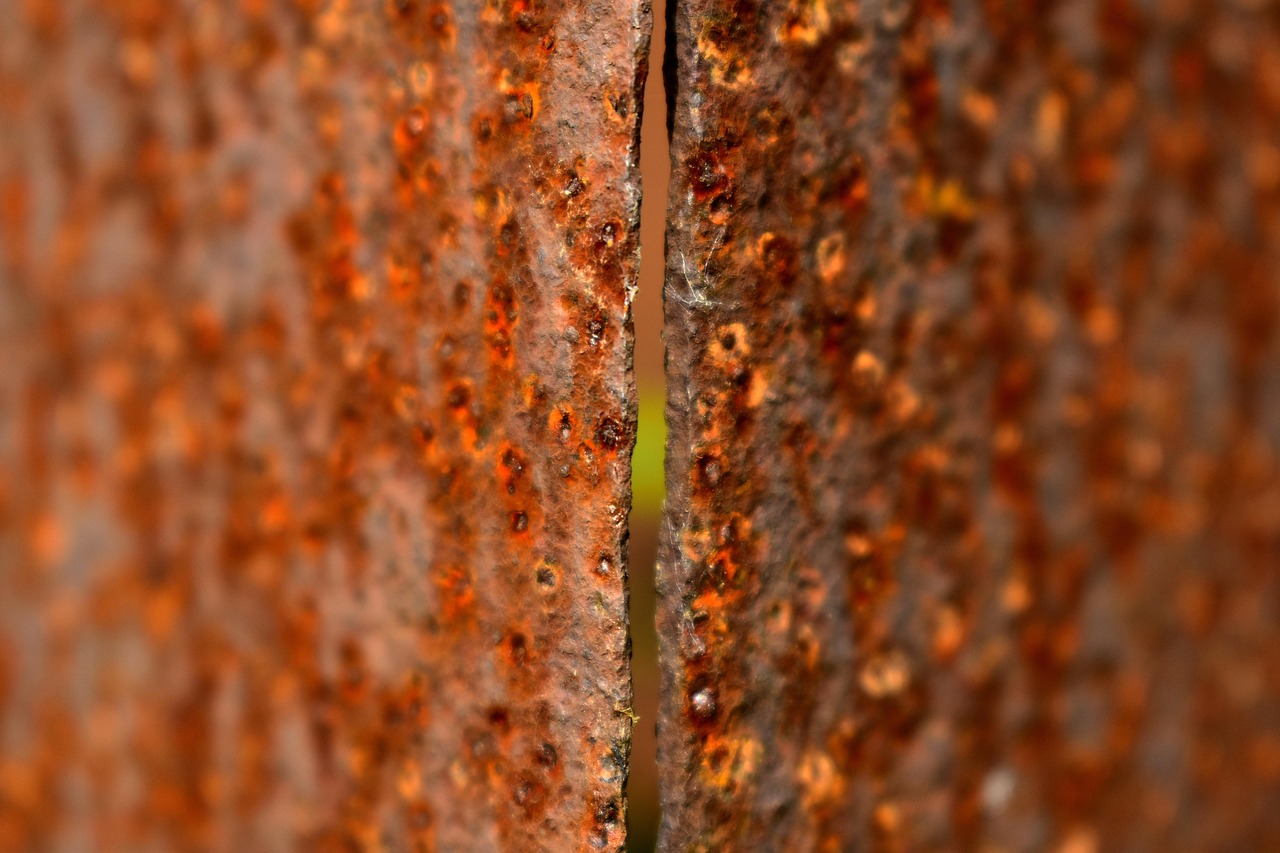
Corrosion is not only about appearance. AMPP, citing the 2016 NACE IMPACT study, reported that the annual global cost of corrosion was about 2.5 trillion US dollars, and that 15 to 35 percent of this cost could be saved through current corrosion control methods. That figure mainly comes from infrastructure and industrial assets, but the buying lesson is the same for normal orders. A cheaper finish can turn costly when rust brings returns, sorting work, rework, or early replacement. (ampp.org)
Wear Resistance for Moving and Handled Parts
If the part slides, rotates, clamps, or is touched every day, abrasion needs to be checked. Black oxide may look clean on a tool part, but the layer is thin and gives only limited protection unless oil is used with it. Hard anodizing on aluminum, nickel plating on steel, and some powder coatings stand up better to rubbing. For a hinge pin, color should not be the only note on the drawing; the contact face, load, and mating material also need to be discussed.
Appearance That Supports the Product
Finish appearance changes how a product is judged. A brushed stainless panel gives a different impression from bright chrome, matte black powder coat, or clear anodized aluminum. Color matching can also shift from batch to batch, especially on visible assemblies with several metal parts. If the product has parts seen by the customer, ask for a master sample and agree on how it will be viewed, because one black part can look slightly blue under office lights.
Which Surface Finish Should You Choose for Common Metals?
The right finish starts with the base metal. Carbon steel normally needs direct corrosion protection, while stainless steel often needs cleaning and passivation instead of a thick coating. Aluminum works well with conversion layers such as anodizing, but sharp corners, small bores, and tight threads can change the final fit. In practice, match the finish to the material first, then ask for the price.
Zinc Plating for Carbon Steel Fasteners
Zinc plating is widely used for screws, washers, brackets, clips, and stamped steel parts. It gives sacrificial corrosion protection, so the zinc layer corrodes before the steel below it. Clear, blue, yellow, and black chromate finishes are usually chosen by appearance and corrosion target. For export goods, confirm RoHS and REACH needs before sampling, especially if yellow chromate or legacy hexavalent chromium could appear in the supply chain.
Powder Coating for Frames and Housings
Powder coating is a common choice for metal furniture, electrical enclosures, outdoor brackets, tool cabinets, and display hardware. It gives color, film build, and useful edge coverage when pretreatment is done properly. The part shape still matters. Deep recesses, welded corners, drain holes, and threaded zones should be reviewed before coating, and any thread that must stay clean should be marked on the drawing.
Anodizing for Aluminum Components
Anodizing is a controlled oxide layer on aluminum, not paint on the surface. Clear anodizing keeps the metal look, dyed anodizing adds color, and hard anodizing is used when wear is a bigger issue. It is often used for knobs, rails, machined housings, and lightweight hardware. Since anodizing changes dimensions a little, tight bores, precision threads, and press-fit surfaces should be masked or sized with the coating included.
How Does the Service Environment Change the Finish Choice?
A finish that works in a dry room can fail near salt air. A coating that looks fine in a showroom can chip on a forklift rack. ISO 12944-5:2019 describes protective paint systems for steel structures and links finish selection to environment, surface preparation, and expected durability grade. For smaller metal parts, the same rule still helps: choose by exposure, not by the catalog photo. (iso.org)
Indoor Dry Use Needs Basic Protection
Indoor dry parts usually face fingerprints, dust, light cleaning, and some humidity. Zinc plating, clear anodizing, black oxide with oil, and simple paint may be enough for this type of use. Drawer slides, display fixtures, computer brackets, and interior machine guards are common examples. In these cases, a marine-grade coating may add cost and lead time without much benefit.
Outdoor Use Needs Better Pretreatment
Outdoor parts need more than a neat topcoat. Rain, UV, condensation, and temperature changes quickly show weak pretreatment. For steel, blasting, phosphate, zinc-rich primer, e-coat, or a multi-layer powder system may be needed. For aluminum, a suitable conversion layer or anodizing can help, but the failures often start at cut edges, bolt holes, welds, and scratches rather than on the large flat area seen during inspection.
Marine and Chemical Areas Need Conservative Choices
Salt spray, cleaning chemicals, pool chemicals, fertilizers, and industrial fumes can shorten finish life. Stainless steel may still tea-stain near the coast, and carbon steel may need a heavier system or a different material. Aluminum can pit in chloride-rich conditions. If the part will be used near the sea, inside a food plant, or around chemical tanks, write the exposure clearly on the drawing or purchase note because a loose request for anti-rust finish is not enough.
What Tests Prove That a Metal Finish Is Ready for Work?
Testing should match the problem you are trying to avoid. Salt spray can compare coating systems, but it does not tell the exact number of outdoor years. Adhesion tests show whether paint or powder is holding to the metal. Thickness checks confirm whether plating or coating meets the drawing, and a plain test plan is exactly what you want when the shipment is already moving.
Salt Spray Test Results
ASTM B117-26 defines a controlled salt fog environment used to produce relative corrosion resistance information for metal and coated metal specimens. It is a laboratory comparison method, not a field-life promise. Use salt spray hours to compare approved finishes or check a supplier process. Do not state that 500 hours equals a fixed number of outdoor years unless you have field data for the same environment. (store.astm.org)
Adhesion and Bend Checks
For paint and powder coating, adhesion is as important as corrosion resistance. Cross-hatch adhesion, bend tests, impact tests, or tape tests can show poor cleaning, poor cure, or layers that do not work together. A coating may be thick and still fail if it peels from an oily surface. For formed parts, test after bending if the finish is applied before forming, as that process order can change the result.
Thickness and Visual Inspection
Film thickness affects both performance and fit. If it is too thin, the finish may fail early; if it is too thick, it can block threads, change hole sizes, or soften sharp details. Plating thickness may be checked by X-ray fluorescence, while paint and powder are often checked by magnetic or eddy-current gauges. Visual inspection should cover color, gloss, burn marks, pinholes, bare spots, rack marks, and trapped media. See also: Fasteners.
How Do Cost, Compliance, and Lead Time Affect Buying?
Finish cost is not only the unit price from the finishing shop. It also includes cleaning, masking, racking, rejects, inspection, packaging, and delays. A finish that needs special waste treatment or longer curing may still be the right choice, but the buyer should know it before placing the order. For export orders, ask compliance questions before the sample is approved, not after mass production starts.
Material and Process Cost
Basic zinc plating is usually economical for small steel hardware in large batches. Powder coating can be cost-effective for larger colored parts, especially when many pieces use the same color. Hard anodizing, electroless nickel, and multi-layer paint systems cost more because bath control, time, inspection, and process checks are tighter. There is no reliable public table that gives one price ranking for every part shape and region, so quotation data should come from the actual drawing.
VOC and Waste Rules
Liquid coatings, solvents, and cleaning steps can trigger environmental controls. EPA guidance notes that low or no VOC or HAP coatings are generally treated as compliant when their contents are at or below applicable limits, and VOC content may be determined by formulation data or EPA Method 24. For sourcing work, the point is direct: finish selection can affect factory compliance as well as part performance. This should be checked before the finish is locked into the sample. (epa.gov)
Lead Time and Packaging Risk
Some finishes add queue time. Plating lines may wait for bath chemistry checks, powder coaters may group jobs by color, and anodizing color work may need sample approval. Packaging also gets ignored too often. Freshly coated brackets packed loose in a carton can rub through during trucking, so ask for paper wrapping, foam layers, or clean bags when the surface is part of the product value.
What Details Should Be Written into a Finish Specification?
A good finish note removes guesswork. It tells the supplier what standard to follow, what surface to prepare, what thickness or appearance is needed, and how the finished part will be checked. Short notes are fine for simple parts, but the words still need to be clear. If they are not clear, the supplier may choose the lowest-cost reading and still think the order was made correctly.
Known Standard and Revision
Use recognized standards when you can. For stainless steel, ASTM A967/A967M-25 covers chemical passivation treatments, including nitric acid immersion, citric acid immersion, and electrochemical treatment. This matters because stainless passivation is not polishing or casual acid cleaning. The finish note should name the process, acceptance test, and any restricted chemicals. (store.astm.org)
Surface Preparation Before Finishing
Pretreatment is where many finish failures start. Steel may need degreasing, pickling, blasting, or phosphate before the finish is applied. Aluminum may need etching, desmutting, or conversion coating, while stainless steel may need removal of free iron from machining or handling. If weld scale, laser oxide, oil, or polishing compound stays on the surface, the finish can look acceptable for a short time and then fail quickly.
Acceptance Criteria After Finishing
Write clear acceptance criteria, including coating thickness range, color sample, gloss range, salt spray target, adhesion result, masking zones, rack mark allowance, and packaging method. For visible parts, define A-surface and B-surface areas. A small rack mark inside a hidden bracket slot may be acceptable, while the same mark on a front panel may cause a claim. This is normal manufacturing control, not someone being difficult.
FAQ
Q1: What are the most common surface finishes for metal? A: Common choices include zinc plating, nickel plating, chrome plating, black oxide, powder coating, wet paint, anodizing, passivation, polishing, brushing, and blasting. The best choice depends on base metal, exposure, wear, appearance, and budget.
Q2: Which metal finish is best for outdoor steel parts? A: For many outdoor steel parts, zinc plating with a suitable topcoat, hot-dip galvanizing, e-coat, or a multi-layer powder or paint system can work. Coastal or industrial locations need a more conservative specification.
Q3: Is stainless steel still worth passivating? A: Yes, in many cases. Machining, grinding, or handling can leave free iron on stainless surfaces, and proper passivation helps restore a cleaner chromium-rich surface with lower risk of rust staining.
Q4: Does salt spray testing show real outdoor service life? A: Not exactly. Salt spray testing is useful for comparison and process control, but it should not be converted into exact years of outdoor life without field data for the same environment.
Q5: What should you send to a supplier before quoting a finish? A: Send the drawing, material grade, finish standard, color or sample need, thickness range, masked areas, expected environment, testing target, compliance requirements, and packaging instructions.