How to choose a tool box with tools for home and jobsite use
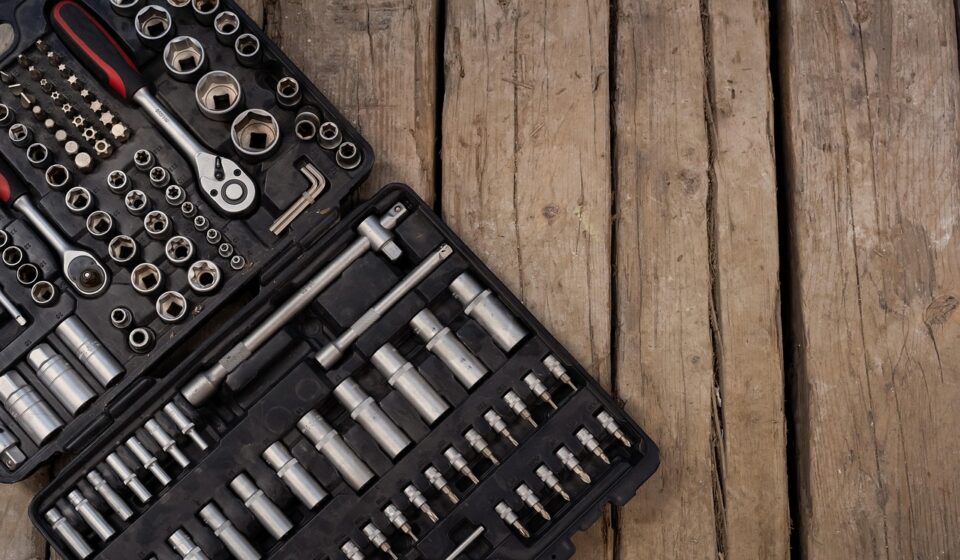
A tool box with tools is only useful when the tool mix, storage layout and box construction match real work. For a homeowner, that may mean measuring, assembling furniture, tightening fasteners and handling light repairs. For a technician or jobsite worker, it may mean keeping mechanic tools, electrical accessories, cutting tools and PPE organized so time is not lost searching for small parts.
The practical way to judge a kit is by task coverage, tool quality, portability, safety and replacement flexibility. Piece count matters, but it should not be the main buying point. A 65-piece kit with durable hand tools may be more useful than a 200-piece kit made up largely of duplicate bits and light-duty accessories.
For more hardware and accessory topics, see the Tools and accessories category.
What a tool box with tools should actually include
A ready-filled tool box combines a storage case with a selected group of hand tools and accessories. The appeal is convenience: the buyer does not need to assemble a kit one item at a time. However, pre-packed kits vary widely. Some are designed for apartment repairs, some for automotive work, some for electrical maintenance, and others for general construction support.
A balanced general-purpose set normally covers five job groups:
- Measuring and marking: tape measure, level, marker, utility knife and sometimes a small square.
- Fastening: screwdrivers, hex keys, bit driver, socket set, ratchet, adjustable wrench and common pliers.
- Cutting and gripping: utility blades, diagonal cutters, locking pliers, long-nose pliers and combination pliers.
- Striking and assembly: claw hammer, mallet or small dead-blow hammer, depending on the application.
- Storage and organization: removable trays, small-parts compartments, bit holders, socket rails or labeled pockets.
The exact tool list should change with the work environment. A household kit does not need the same socket range as a mechanic kit. A maintenance kit for commercial facilities should leave space for consumables such as fasteners, wall anchors, blades, electrical tape and marking supplies. A kit used around energized equipment should not rely on generic screwdrivers unless the tools are specifically designed and marked for that type of work.
Match the kit to the work before comparing prices
The first buying decision is not brand, color or piece count. It is the expected workload. Starting with the work profile helps avoid two common mistakes: buying a large kit that still misses essential tools, or choosing an attractive case filled with tools that are too light for regular use.
For home repair and apartment maintenance
A home-focused tool box with tools should be compact, easy to carry and simple to return to order after use. Look for a tape measure, hammer, adjustable wrench, slip-joint or groove-joint pliers, screwdrivers, bit driver, hex keys, utility knife and a small level. For occasional users, a clear layout is important because missing pieces are easy to overlook when the kit is not used every day.
Home users should be cautious with kits that advertise very high piece counts. Many count every driver bit, socket adapter, blade and plastic fastener as a separate piece. Those accessories can be useful, but they should not replace comfortable full-size tools.
For mechanic and equipment work
Mechanic-oriented kits need more emphasis on sockets, ratchets, extensions, combination wrenches, pliers and torque control. A case that holds sockets securely is important because loose sockets waste time and can be difficult to identify. If the kit includes both metric and SAE sizes, the size labels should be legible and durable.
A torque wrench may be necessary for work on engines, wheels, machinery and other assemblies where fastener load matters. If one is included, treat it as a measuring tool, store it carefully and check it according to the manufacturer’s instructions. For serious mechanical work, a basic household kit is usually not enough.
For construction, facility and jobsite use
Jobsite users should look closely at box durability, handle design, latch strength and weather exposure. A box that sits in a truck, is carried up stairs or moves between projects needs stronger construction than one stored under a sink. Removable trays can separate frequently used tools from heavier items below, while small compartments keep anchors, screws and bits from mixing together.
In workplace settings, safety expectations are also higher. OSHA’s construction rules state that hand and power tools must be maintained in safe condition, and that suitable personal protective equipment is required when workers face hazards such as flying, abrasive or splashing objects. That does not mean every home kit needs industrial PPE inside the box. It does mean worksite kits should be planned around the task and hazard, not convenience alone.
How to compare tool quality without relying on marketing claims
Tool quality is not always clear from a product photo. A better comparison looks at material, finish, fit, ergonomics and replaceability. Professional standards bodies such as ASME publish hand tool standards under the B107 series, covering categories such as wrenches, pliers, screwdrivers, striking tools and torque instruments. Buyers do not need to read every technical standard, but these standards are a useful reminder that hand tools are engineered products, not just accessories.
When comparing a tool box with tools, check these details:
- Handle comfort: grips should feel secure, without sharp seams or slippery surfaces.
- Jaw alignment: pliers and cutters should close evenly, with no visible twisting.
- Socket fit: sockets should seat cleanly on matching fasteners and stay organized in the case.
- Driver tips: screwdriver and bit tips should fit common screw heads without excessive wobble.
- Wrench finish: open ends and box ends should be cleanly formed, with readable size markings.
- Box hardware: latches, hinges and handles should feel strong enough for the total loaded weight.
Replacement is another important point. If a kit uses standard-size sockets, bits and blades, worn parts are easier to replace. If the case uses unusual molded cavities that fit only the original tools, future upgrades may be harder. A slightly less compact box with flexible storage can be more useful over several years.
Box material, layout and portability matter as much as the tools
The storage container is not just packaging. It affects how quickly tools can be found, how safely they travel and how long the set remains complete. A good box protects the tools, supports the loaded weight and fits the way the kit will be moved.
| Tool box type | Strengths | Limitations | Suitable use |
|---|---|---|---|
| Plastic carry case | Lightweight, affordable, corrosion resistant, easy to store | Can crack under impact; latches vary in quality | Home repair, light maintenance, apartment kits |
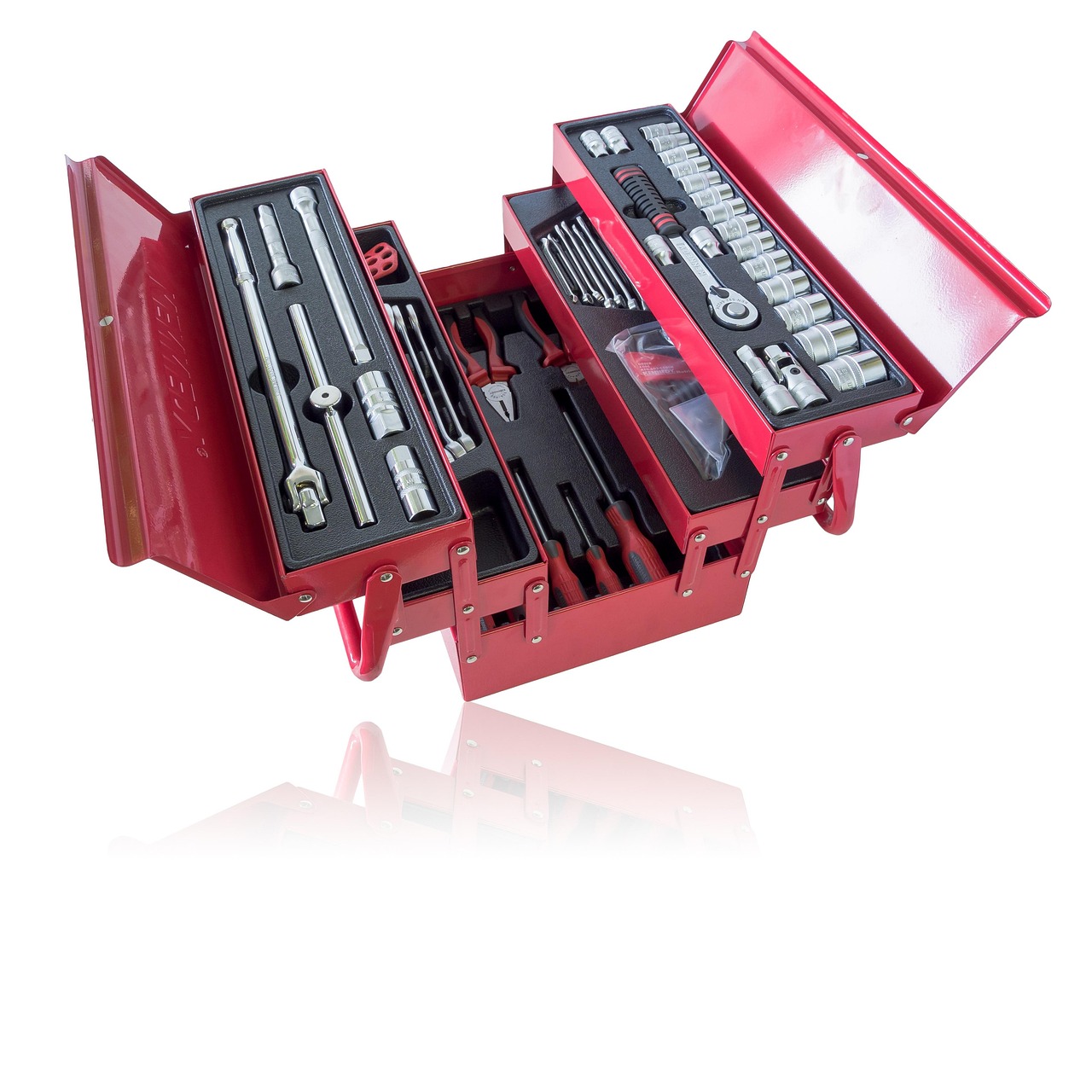
| Steel tool box | Durable shell, good load capacity, traditional layout | Heavier; can dent or rust if coating is damaged | Workshops, vehicle storage, heavier hand tools |
| Tool bag | Flexible, easy to carry, good for irregular tool shapes | Less protection for precision tools; can become disorganized | Service calls, facility maintenance, mixed accessories |
| Rolling tool box | High capacity, easier movement over flat surfaces | Bulky; wheels and handles add failure points | Jobsites, contractors, mobile maintenance teams |
Layout should follow frequency of use. The tools used every day should be visible and easy to reach. Heavy tools should sit low so the box remains stable. Sharp items such as blades should have protected storage. Small accessories should be kept in closed compartments because one spilled tray can turn an organized kit into a slow sorting job. See also: Buying Guides.
Portability should be judged in practical terms. A large kit may look complete but become inconvenient if it is too heavy for one person to carry safely. For field work, it can be better to divide tools into a primary carry kit and a secondary storage box. The primary kit handles common tasks; the secondary box holds specialty tools, large sockets, pullers, spare blades and less frequently used accessories.
Build your own kit or buy a pre-filled tool box
There is no single right answer. A pre-filled tool box with tools saves time and often costs less than buying every item separately. It is a logical choice for new homeowners, rental properties, office maintenance rooms, student housing, emergency repair kits and general-purpose use. It also creates a ready inventory, which helps when several people may use the same box.
Building a kit piece by piece gives the buyer more control. It is usually better for tradespeople, technicians and anyone who already knows their preferred handle styles, wrench patterns or socket ranges. It also avoids paying for duplicates. If a worker already owns good pliers and screwdrivers, buying an empty box and adding selected tools may produce a stronger kit.
A practical middle path is to buy a modest pre-filled kit, then upgrade the most-used tools over time. For example, a household kit may begin with a basic hammer, driver set and pliers. Later, the owner can add a better tape measure, a stronger utility knife, a dedicated bit set, a stud finder, clamps or a compact drill depending on actual projects.
A practical selection checklist
Before buying, use a checklist instead of relying on the product title. The right tool box should answer these questions clearly:
- What tasks must it cover? List the top ten jobs the kit should handle.
- Are the core tools full-size or miniature? Compact tools save space but may be uncomfortable for regular work.
- Does the kit include useful sizes? Check socket, wrench, bit and hex key ranges against the fasteners you expect to see.
- Can the box carry the loaded weight? Inspect handle, hinge and latch design.
- Is there room to grow? Leave space for blades, fasteners, tape, pencils, gloves and specialty tools.
- Are sharp or fragile tools protected? Blades, precision measuring tools and electrical testers need secure storage.
- Can worn parts be replaced? Standard consumables and accessories are easier to maintain.
- Is the kit suitable for the environment? Consider moisture, dust, transport, impact and temperature exposure.
For shared workplaces, add one more step: assign responsibility. A tool box used by several people should have an inventory sheet, a return location and a routine inspection schedule. This is especially important where damaged tools could create safety problems.
Maintenance and safety after purchase
A tool kit is not finished once it is purchased. It needs inspection, cleaning and occasional replacement. Damaged handles, mushroomed striking faces, cracked sockets, dull blades and loose plier joints should not be ignored. They reduce accuracy and can create avoidable risk.
Basic care is straightforward. Wipe moisture from steel tools before storage. Keep cutting edges covered. Do not use screwdrivers as pry bars or chisels unless they are designed for that purpose. Store torque tools unloaded according to the maker’s instructions. Keep the box dry, especially if it is steel or if it contains bits, blades and fasteners that can corrode.
For work environments, maintenance should be documented. OSHA’s hand and power tool rules focus on safe condition and appropriate protection for hazards. Even when a small business is not buying a complex powered system, the same principle applies: the safest tool box is one where the tools are suitable, undamaged and easy to identify before use.
Frequently asked questions
Is a bigger tool box with more pieces always better?
No. A higher piece count can be useful, but it can also include many small bits, adapters or duplicate accessories. It is better to compare the number of practical tools, the size range, the quality of the box and whether the kit covers the tasks you actually perform.
What is the most useful tool box with tools for a beginner?
A beginner usually benefits from a compact general-purpose kit with a hammer, tape measure, level, screwdrivers, bit driver, pliers, adjustable wrench, hex keys and utility knife. The layout should be simple enough that every tool has a clear place.
Should I choose a steel or plastic tool box?
Choose steel when durability and load capacity matter more than weight. Choose plastic when the kit needs to be light, corrosion resistant and easy to store. For mobile service work, a tool bag or rolling box may be more practical than either option.
Can one tool kit work for both home and automotive repairs?
It can cover basic overlap, such as tightening fasteners or using pliers, but automotive work often needs more sockets, extensions, wrenches and sometimes torque tools. A household kit is a starting point, not a complete mechanic set.
What should I add to a pre-filled tool box after purchase?
Common additions include work gloves, safety glasses, spare blades, electrical tape, fasteners, wall anchors, pencils, a flashlight and project-specific bits. Add tools based on repeated tasks rather than filling the box with rarely used items.
The right tool box with tools is not the largest kit on the shelf. It is the one that keeps suitable tools organized, portable and safe for the work at hand. Start with the jobs, compare the tool mix honestly, inspect the box itself and leave room for future upgrades. That approach produces a kit that remains useful long after the initial purchase.