Bike Buying Guide What Bike Should You Buy for Commuting, Fitness, or Trails?
Why Does the Right Bike Matter More than the Lowest Price?
A useful bike buying guide starts with the ride you actually do, not the spec list on a web page. A lower-priced bike that fits your roads, body, storage place, and repair options will often serve you better than a costly model that feels wrong after three miles. PeopleForBikes reported in its 2024 U.S. Bicycling Participation Study that 112 million Americans, or 35% of people ages three and older, rode a bike at least once in 2024, so the market now covers many rider groups, from school kids to commuters to weekend users. (peopleforbikes.org)
Your Main Riding Route
Start with the route you ride most often, because that is where the bike has to work every week. Smooth pavement usually points to a road bike, fitness bike, or lightweight hybrid, while broken city streets, gravel shoulders, and mixed paths need wider tires and stronger wheels. If your daily ride has curbs, potholes, metal drainage grates, or wet leaves, comfort and control matter more than top speed.

Your Weekly Mileage
A rider doing five miles on Saturday does not need the same setup as someone riding 12 miles each way to work. For short casual rides, simple gearing and an upright position are usually enough. For longer rides, lighter wheels, a better saddle, and smoother shifting start to matter. Do not overbuy, but do not go so basic that the bike becomes hard work every day.
Your Storage and Carry Needs
Think about where the bike will be stored, not only where it will be ridden. Apartment stairs, narrow hallways, office racks, and shared garages can all change the right choice. A heavy steel cruiser may feel good on a beach path, but it can become a problem on a third-floor walk-up. If you carry groceries, tools, or a laptop, check rack mounts, fender mounts, frame clearance, and bolt quality before checkout.
Which Bike Type Fits Your Daily Ride?
Bike labels can be confusing because brands use different names for similar products. The practical way is to match the bike type with the surface, speed, and riding position you need. A quick ride around the parking lot helps, but a ten-minute loop with a small climb and a few turns tells you much more. In many cases, the right bike feels plain at first because nothing hurts, rattles, or pulls your attention.
Hybrid Bikes for Mixed City Use
A hybrid bike is a safe choice for many buyers because it covers normal city riding without much fuss. You get flat handlebars, a comfortable riding position, medium-width tires, and enough gears for everyday hills. It works for commuting, fitness rides, campus use, and quick errands. If your streets are rough, look for disc brakes, eyelets for racks and fenders, and tires around 35 to 45 mm.
Road Bikes for Fast Pavement
Choose a road bike if speed, distance, and paved routes are your main goals. Drop bars give more hand positions, narrow tires roll fast, and the frame usually feels quick under power. The trade-off is less comfort on broken surfaces. If you are new to road bikes, consider an endurance geometry instead of a race geometry, because your neck and lower back may feel better after longer rides.
Gravel and Mountain Bikes for Rough Routes
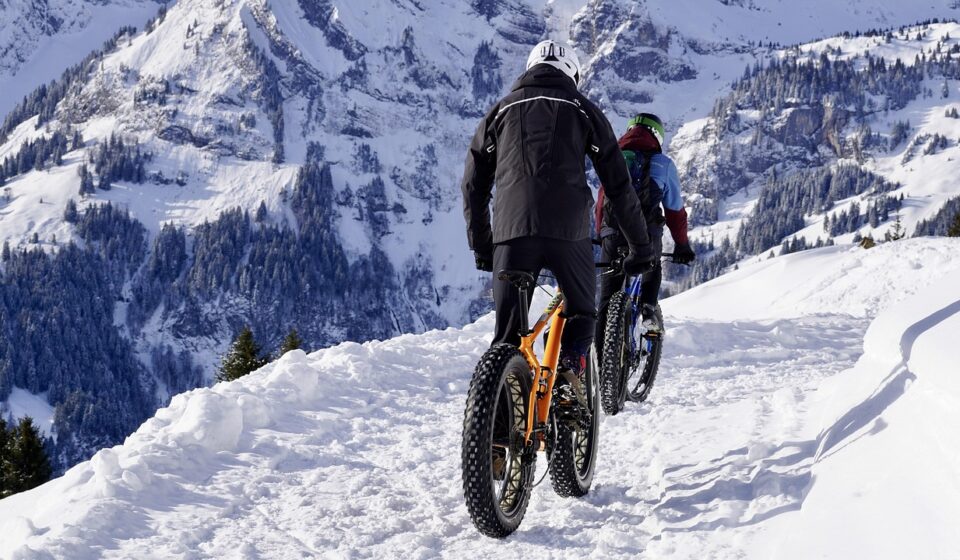
Gravel bikes suit riders who want one bike for pavement, dirt roads, and weekend exploring. Mountain bikes are made for trails, roots, rocks, and steep loose ground. For daily city riding, a mountain bike can feel slow unless you truly need its tire grip and suspension. If the route includes both pavement and dirt, tire choice often matters more than the name printed on the frame.
What Frame Material and Hardware Should You Check?
Frame material affects weight, ride feel, repair options, and price. Hardware matters as well, because a bike has many small metal parts carrying real load. Check bolts, axles, spoke nipples, rack mounts, brake rotors, bearings, and threads. A good frame with poor hardware can turn noisy, rusty, or hard to service after one wet season.
Aluminum for Light Everyday Value
Aluminum is common because it keeps weight and cost under control. Most entry-level and mid-range hybrids, road bikes, and gravel bikes use aluminum frames. Look closely at welds, rear dropout alignment, replaceable derailleur hangers, and threaded mounts. Aluminum does not rust like steel, but low-grade bolts around the stem, seatpost, and bottle cage can still corrode.
Steel for Strength and Repairability
Steel is valued for strength, comfort, and repair options. It is common on touring bikes, cargo bikes, city bikes, and classic-style frames. It can rust when paint chips expose bare metal, so inspect the underside of the bottom bracket, chainstay bridge, and rack mounts. For riders carrying bags or riding rough roads, a well-made steel frame still makes sense.
Carbon and Titanium for Premium Use
Carbon fiber can be light and smooth, but it needs careful checking after crashes and clamp pressure mistakes. Titanium is tough, corrosion-resistant, and expensive. Both materials suit buyers who already understand their fit and riding style. If your budget is tight, spend first on fit, brakes, tires, and wheels instead of chasing a premium frame badge.
How Much Should You Spend on a Bike?
Budget depends on use, but the cheapest bike in the store is rarely the cheapest bike to own. Weak brakes, soft wheels, and poor assembly can lead to repair bills soon after purchase. AP News, citing Circana retail tracking, reported that U.S. bike sales totaled $4.1 billion in 2023, up 23% from 2019 but down 24% from the 2020 boom, which helps explain why buyers may still see discounts, overstock deals, and uneven pricing by category. (apnews.com)
Entry-Level Bikes That Still Feel Safe
For a new adult bike, entry-level should not mean toy-grade. Look for real bike shop assembly, working front and rear brakes, straight wheels, sealed or well-protected bearings, and a frame that accepts standard parts. Avoid bikes with unclear component names, plastic brake levers, or wheels that rub after a short test ride.
Mid-Range Bikes with Better Parts
The mid-range often gives the best value for regular riders. You usually get hydraulic disc brakes, a lighter frame, better tires, stronger rims, and cleaner shifting. These upgrades are not just for show. They make the bike easier to control in rain, less tiring on climbs, and more comfortable after the first month.
Used Bikes and Sale Bikes
Used bikes can be a good buy when the frame is sound and the parts are standard. Check frame cracks, wheel dents, bearing play, chain wear, brake pad life, and rust around bolts. A sale bike is also safer when the size is right. A 40% discount cannot fix a frame that is too large or too small. See also: Fasteners.
Which Components Make the Biggest Difference?
Components are where many buyers get stuck. You do not need race-level parts for grocery runs, but some parts have a direct effect on safety and comfort. Focus on brakes, gears, wheels, tires, saddle, grips, pedals, and serviceable hardware. A bike with balanced parts usually rides better than one with one standout item and several weak ones.
Brakes That Match Your Speed
Disc brakes are now common because they work well in wet weather and with wider tires. Hydraulic discs feel stronger and need less hand force, while mechanical discs are easier for some home mechanics to adjust. Rim brakes can still work on light road bikes, but you should inspect the rim surface and pad quality. Brakes should feel firm, not spongy or gritty.
Gears That Match Your Terrain
Flat towns need fewer gears. Hilly areas need lower gears, not only more gears. If you carry a backpack or child seat, low gearing matters even more. Test the easiest gear on a climb if you can. If the bike makes you stand and strain on a small hill, it may not suit daily use.
Wheels Tires and Contact Points
Wheels and tires change the ride more than many buyers expect. Wider tires at a sensible pressure can calm rough pavement and reduce hand buzz. Contact points include the saddle, grips, and pedals. These parts are easy to change, but they should not feel bad on day one. Numb hands after five minutes are a warning sign.
What Safety and Fit Checks Should Come Before Checkout?
Safety is not only about helmets. It starts with fit, control, visibility, and a bike that responds in a steady way. NHTSA reported 1,166 pedalcyclist fatalities and 49,989 pedalcyclists injured in traffic crashes in 2023, so buying decisions should include braking power, lights, reflective details, and stable handling, not just color and price. (crashstats.nhtsa.dot.gov)
Frame Size and Standover Clearance
You should be able to stand over the frame with safe clearance and reach the bars without locking your elbows. The saddle height should allow a slight knee bend at the bottom of the pedal stroke. If a shop says you can make a poor size work with a long stem or a strange seatpost position, be careful. Fit fixes have limits.
Helmet Lights and Visibility
A helmet should meet local safety rules, sit level on your head, and stay snug when you shake your head. Add a white front light and red rear light if you ride near traffic, even at dusk. The CPSC reported an estimated 1,332,100 emergency department visits associated with bicycles or bicycle accessories from 2022 through 2024, with falls and motor vehicle incidents among the common hazard patterns. (cpsc.gov)
Test Ride and Warranty Review
During the test ride, listen for clicks, brake rub, loose headset noise, and shifting skips. Ride seated and standing, because some issues only show up under load. Turn slowly, stop hard, and check if the bike tracks straight. Before payment, ask about free tune-ups, frame warranty, parts warranty, return rules, and whether common wear parts are easy to source. That short desk conversation can save a frustrating Saturday later.
FAQ
Q1: What Is the Best Bike for a Beginner? A: A hybrid bike is often the best beginner choice because it feels stable, has upright handling, accepts racks and fenders, and works on many city routes.
Q2: Should You Buy a Cheap Bike Online or from a Local Shop? A: Buy online only if you can handle assembly checks or pay a mechanic. A local shop usually gives better sizing help, safer setup, and easier warranty support.
Q3: Is an E-Bike Better than a Regular Bike? A: An e-bike is better if you carry loads, ride long commutes, or deal with hills. A regular bike is cheaper, lighter, easier to store, and simpler to maintain.
Q4: What Bike Frame Material Lasts the Longest? A: A well-made steel or titanium frame can last many years with care. Aluminum also lasts well, while carbon needs careful handling after crashes or heavy impacts.
Q5: How Do You Know If a Bike Fits? A: The bike fits when you can stand over it safely, reach the bars without strain, pedal with a slight knee bend, and ride without hand, neck, or knee pain.