Brushed brass hardware buying guide for kitchens and baths
What brushed brass hardware means
Brushed brass hardware is a warm brass-toned finish with a softened, satin-like surface instead of a mirror-polished shine. It is used on cabinet knobs, drawer pulls, appliance pulls, door levers, hinges, backplates, and furniture handles. The key buying point is that the term does not always mean solid brass. It may describe solid brass with a brushed surface, brass plating over another metal, a brass-colored PVD coating, or a lacquered finish designed to keep the color stable.
Before ordering for a full project, confirm the base material, coating type, hole spacing, finish behavior, and care requirements. A good choice is not just the color that looks right on a screen. It is a finish that suits the room, the amount of daily handling, and the maintenance the owner is willing to accept.
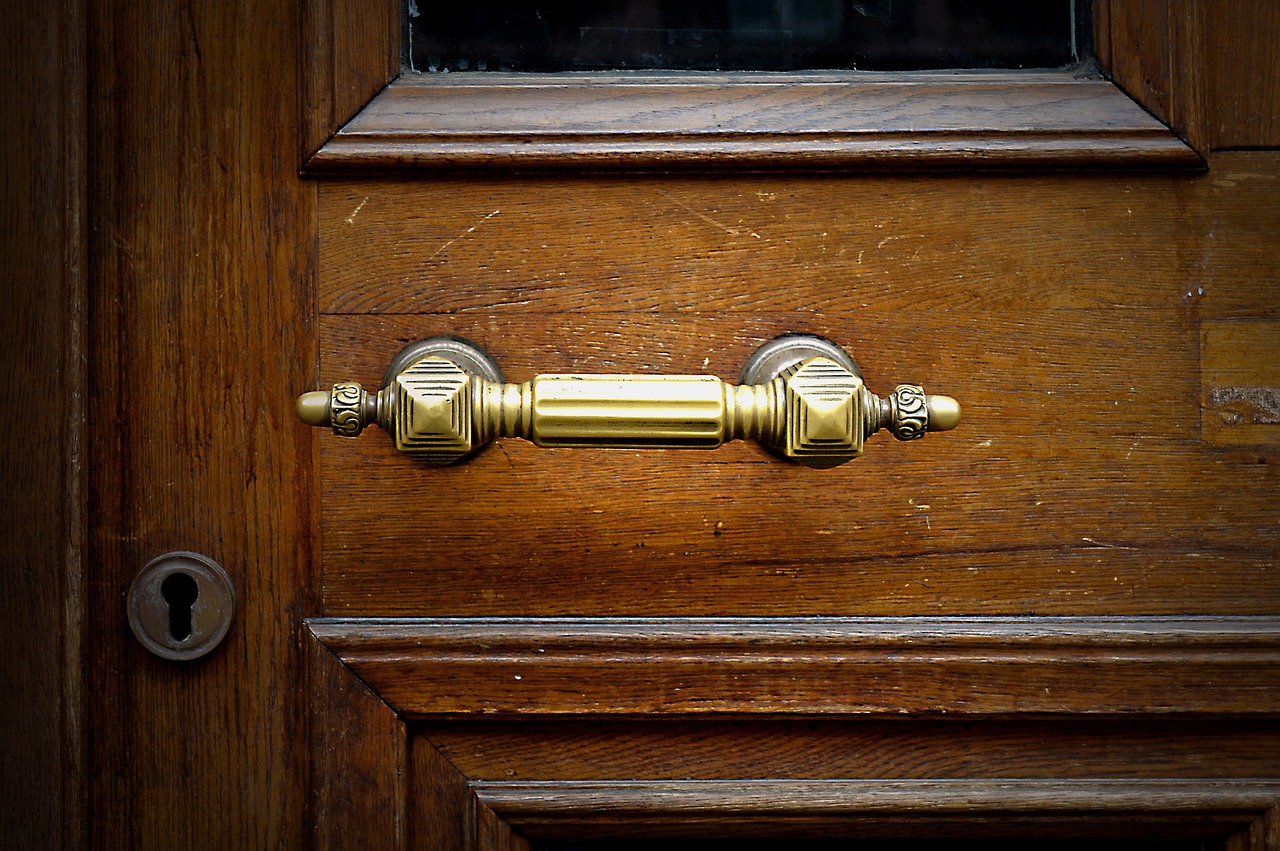
For more practical selection articles, see the Buying Guides section on dashiqing.com.
Why brushed brass is different from polished, satin, and antique brass
Brass is generally understood as a copper-zinc alloy; the Copper Development Association describes brasses as copper alloys in which zinc is the principal addition. In decorative hardware, however, brass can refer either to the metal itself or to the color family. Two products both labeled brushed brass may therefore have very different prices, construction, and aging behavior.
The Builders Hardware Manufacturers Association uses finish terminology that helps clarify these differences. In ANSI/BHMA finish references, a satin finish is described as a smooth dull finish that may or may not have a directional pattern. BHMA finish charts also distinguish bright brass from satin brass, and clear-coated finishes from oxidized or relieved finishes. Decorative cabinet hardware brands do not always list BHMA codes, but the standard is useful because finish names often relate to surface texture, coating, base material, and appearance, not only to marketing language.
In everyday buying terms, polished brass is brighter and more reflective. Brushed brass is softer and more linear. Satin brass is often similar but may show less visible grain. Antique brass is darkened or aged. Unlacquered brass is a living surface that changes as it reacts to air, moisture, and hand oils. Treat the product name as a starting point, then verify the specification sheet or request a sample.
Finish and material options compared
The table below summarizes the options buyers most often see when shopping for brushed brass hardware. Exact performance depends on the manufacturer, coating thickness, cleaning habits, and room conditions.
| Option | What it usually means | Best fit | Main limitation |
|---|---|---|---|
| Solid brushed brass, lacquered | Brass base metal with a brushed surface and clear protective coating | Kitchens, wardrobes, furniture, and doors where buyers want a stable brass look | Lacquer can wear, chip, or discolor over time, especially on high-touch points |
| Solid brushed brass, unlacquered | Brass base metal without a clear protective coating | Traditional, transitional, and character-led interiors where patina is welcome | Color will darken and vary; polishing is needed if a bright look is desired |
| Brass plated over zinc, steel, or aluminum | A brass-colored or brass layer over another base metal | Budget-conscious cabinet upgrades and low-impact furniture | Wear can expose the base material; quality varies widely |
| Brass-colored PVD coating | A thin hard coating deposited on a metal substrate, often stainless steel or brass | Busy kitchens, bathrooms, hospitality-style projects, and frequent handling | Color may not match real brass exactly; harsh cleaners can still damage the finish |
| Painted or powder-coated brass tone | A coating intended to resemble brass color | Decorative areas with light handling | Usually less convincing up close and more dependent on coating quality |
Architectural hardware care guides commonly describe PVD as a vacuum-based thin-film process in which coating material is deposited onto the hardware surface. In practical buying language, PVD brass tones are often chosen for durability and color consistency, while unlacquered brass is chosen for natural aging. Neither option is automatically better. The right choice depends on whether the project calls for a stable finish or an evolving patina.
How to choose brushed brass hardware for each room
Kitchen cabinets and drawers
Kitchens are a demanding location for brushed brass cabinet hardware because pulls are touched with wet hands and exposed to cooking oils, soap residue, and cleaning products. For a busy family kitchen, lacquered solid brass or a high-quality PVD brass finish is usually easier to maintain than raw unlacquered brass. If the design depends on an aged European or traditional look, unlacquered brass can work well, but the buyer should expect uneven darkening around frequently used drawers and doors.
Brushed brass pairs especially well with warm white, cream, greige, navy, forest green, walnut, oak, and natural stone. It can also soften black cabinetry or add contrast to flat slab doors. If the kitchen includes stainless steel appliances, the mix can still work when brass is repeated in more than one place, such as cabinet hardware and lighting, rather than appearing as a single isolated accent.
Bathrooms and humid rooms
Bathrooms add humidity, toothpaste, soap, hard water, and stronger cleaners to the performance requirements. For brushed brass hardware on vanities, linen cabinets, or bathroom doors, check whether the finish is recommended for humid environments. PVD or well-lacquered finishes are often more predictable than unlacquered brass in a bathroom. If you choose unlacquered brass, expect faster color movement near sinks and towel areas.
Do not assume that a brushed brass faucet, towel bar, and cabinet pull from different brands will match. Faucet finishes often use proprietary names such as champagne bronze, brushed gold, warm brass, or satin brass. Order physical samples when possible and compare them in the actual room under daylight and evening lighting.
Interior doors, closets, and furniture
Door levers and entry sets need a higher durability standard than small decorative knobs because they are pulled, twisted, and touched repeatedly. For door hardware, look for clear finish descriptions, warranty terms, and, where applicable, recognized performance standards. BHMA finish references are more common in door hardware than in decorative cabinet hardware, so finish codes can help when matching hinges, latches, stops, and levers.
Furniture hardware usually faces less moisture, but it is often viewed at close range. A plated pull may be acceptable on a dresser that is opened occasionally. A heavier solid brass pull may feel more appropriate on a built-in cabinet, pantry, or appliance panel where grip and perceived quality matter more.
Sizing and placement details that prevent costly mistakes
Understand center-to-center measurement
The most common ordering mistake is confusing overall length with center-to-center measurement. Center-to-center, often abbreviated CTC, is the distance between the centers of the two mounting holes on a pull. Overall length is the full visible length of the hardware. If you are replacing existing pulls and want to reuse the holes, CTC is the critical measurement.
Many cabinet pulls follow common metric hole spacings such as 96 mm, 128 mm, 160 mm, 192 mm, 224 mm, and 320 mm. U.S. listings may also use inch equivalents. Before ordering, remove one existing pull and measure from screw center to screw center, not from end to end.
Choose pull length by proportion and function
A widely used design guideline is to choose a pull with an overall length around one-third of the drawer width, then adjust for cabinet style and hand comfort. Small drawers may use knobs, 3-inch to 5-inch pulls, or 96 mm to 128 mm pulls. Wide pot drawers often look better with longer pulls, or with two pulls if the design calls for symmetry. Heavy trash pull-outs, integrated appliance panels, and pantry pull-outs need hardware that is comfortable to grip, not just attractive. See also: Fasteners.
Knobs are flexible on small doors and narrow drawers, while bar pulls, edge pulls, cup pulls, and appliance pulls each create a different look. Brushed brass cup pulls suit traditional and farmhouse kitchens, slim bar pulls suit transitional and contemporary rooms, and edge pulls reduce visual clutter on slab cabinetry.
Plan placement before drilling
Hardware placement should match how the hand naturally reaches the door or drawer. On framed cabinet doors, knobs or vertical pulls are commonly placed on the stile opposite the hinge. On drawers, centered horizontal placement is the usual starting point. Tall doors, pantry pull-outs, and appliance panels may need a custom position based on grip, door weight, and nearby clearances.
Never drill a full kitchen based only on measurements from an online image. Use a hardware jig, make a cardboard template, and test the first location with painter’s tape before drilling. For renovation work, check whether new backplates can cover old holes if you are changing from knobs to pulls or from one CTC size to another.
Maintenance expectations before you buy
For lacquered and PVD brushed brass
Most coated brushed brass hardware should be cleaned with a soft cloth and mild soap solution, then dried. Avoid bleach, acid-based cleaners, abrasive pads, metal polish, and aggressive sprays unless the manufacturer specifically approves them. Hardware aftercare guides for lacquered brass commonly warn that abrasive metal polish can remove the protective coating. Once that coating is damaged, discoloration can appear unevenly.
PVD finishes are usually promoted for durability, but they are not permission to use harsh chemicals. Cleaners containing chlorides, acids, or abrasive particles can still dull or damage a surface. In coastal areas or rooms with high humidity, regular wiping and drying become more important.
For unlacquered brushed brass
Unlacquered brushed brass changes by design. It may start bright and warm, then darken in recesses and become shinier where fingers touch it often. This aging is part of the appeal for many buyers, but it can look like inconsistent staining to buyers who expected a fixed finish.
If you want patina, clean gently and let the hardware age. If you want to restore brightness, use a brass polish only when the hardware is confirmed to be solid unlacquered brass. Do not use brass polish on plated, lacquered, painted, or PVD hardware unless the manufacturer says it is safe.
Common buying mistakes
- Buying by color name alone. Brushed brass, satin brass, antique brass, champagne bronze, and brushed gold can look different from one brand to another.
- Ignoring the base material. Solid brass, plated zinc, aluminum, stainless steel, and steel can all carry a brass-toned finish, but they do not age or feel the same.
- Assuming all brass is antimicrobial. The U.S. Environmental Protection Agency has registered certain antimicrobial copper alloy surfaces with specific claims, but ordinary decorative brushed brass hardware should not be treated as a hygiene product unless it has the proper registration and labeling. Coatings and lacquers can also change surface behavior.
- Mixing finishes without a plan. Brass can work with nickel, black, bronze, and stainless steel, but the mix should be repeated intentionally across the room.
- Forgetting replacement needs. Choose common hole spacings and order a few extras for future repairs, especially for rental units, multi-room projects, and discontinued collections.
- Skipping samples. Screen images cannot show warmth, grain direction, reflectivity, or match quality accurately.
A practical buying checklist
- Confirm whether the item is solid brass, plated, PVD coated, painted, or another construction.
- Ask whether the brushed brass finish is lacquered, unlacquered, or otherwise protected.
- Check CTC hole spacing, overall length, projection, screw length, and backplate dimensions.
- Compare samples beside faucets, hinges, lighting, appliances, and cabinet colors.
- Verify care instructions before choosing hardware for bathrooms, coastal homes, or rental properties.
- Order enough pieces from the same batch when finish consistency is important.
- Keep at least one spare pull or knob for future replacement.
The best brushed brass hardware is the one that matches the room’s use, not just the mood board. For stable color and lower maintenance, choose a quality lacquered or PVD finish. For natural character and a changing surface, choose solid unlacquered brass and accept patina. For budget updates, plated hardware can work, but samples and clear specifications matter even more.
Frequently asked questions
Is brushed brass hardware still a safe choice for kitchens?
Yes. Brushed brass hardware remains a practical choice when it fits the cabinet color, appliances, and maintenance expectations. Its softer surface is usually easier to integrate than very shiny polished brass. The key is to avoid trend-only buying and select a finish quality that suits daily use.
Does brushed brass tarnish?
Unlacquered brushed brass will tarnish and develop patina. Lacquered, plated, painted, and PVD brass-toned finishes are designed to slow or prevent visible tarnish, but they can still wear or discolor if the coating is damaged or cleaned incorrectly.
Can I mix brushed brass hardware with stainless steel appliances?
Yes. Brushed brass can work with stainless steel appliances if the brass appears intentional. Repeat it in cabinet pulls, lighting, shelves, or a mirror frame, and avoid trying to match every metal exactly.
Is solid brass always better than plated hardware?
Solid brass generally feels heavier and can age attractively, especially when unlacquered. Plated hardware can still be suitable for lower budgets or light-use areas. The better choice depends on use, cost, desired aging, and coating quality.
What should I clean brushed brass hardware with?
For most coated brushed brass hardware, use a soft cloth, mild soap, and water, then dry the surface. Avoid abrasive pads and harsh chemical cleaners. Use brass polish only on confirmed solid unlacquered brass when you want to brighten the metal.