Car battery buying guide for size, CCA, type, and warranty

What to check before you buy
This car battery buying guide starts with the specification your vehicle was designed to use. The replacement battery must fit the tray, put the terminals in the correct position, meet or exceed the vehicle maker’s cold cranking amp requirement, and use a chemistry the charging system can support. A higher-priced battery is not better if the group size, terminal layout, or battery type is wrong.
For most drivers, the safest buying process is straightforward: check the owner’s manual, compare the label on the old battery, factor in climate and driving habits, then choose a warranty that matches how long you expect to keep the vehicle.
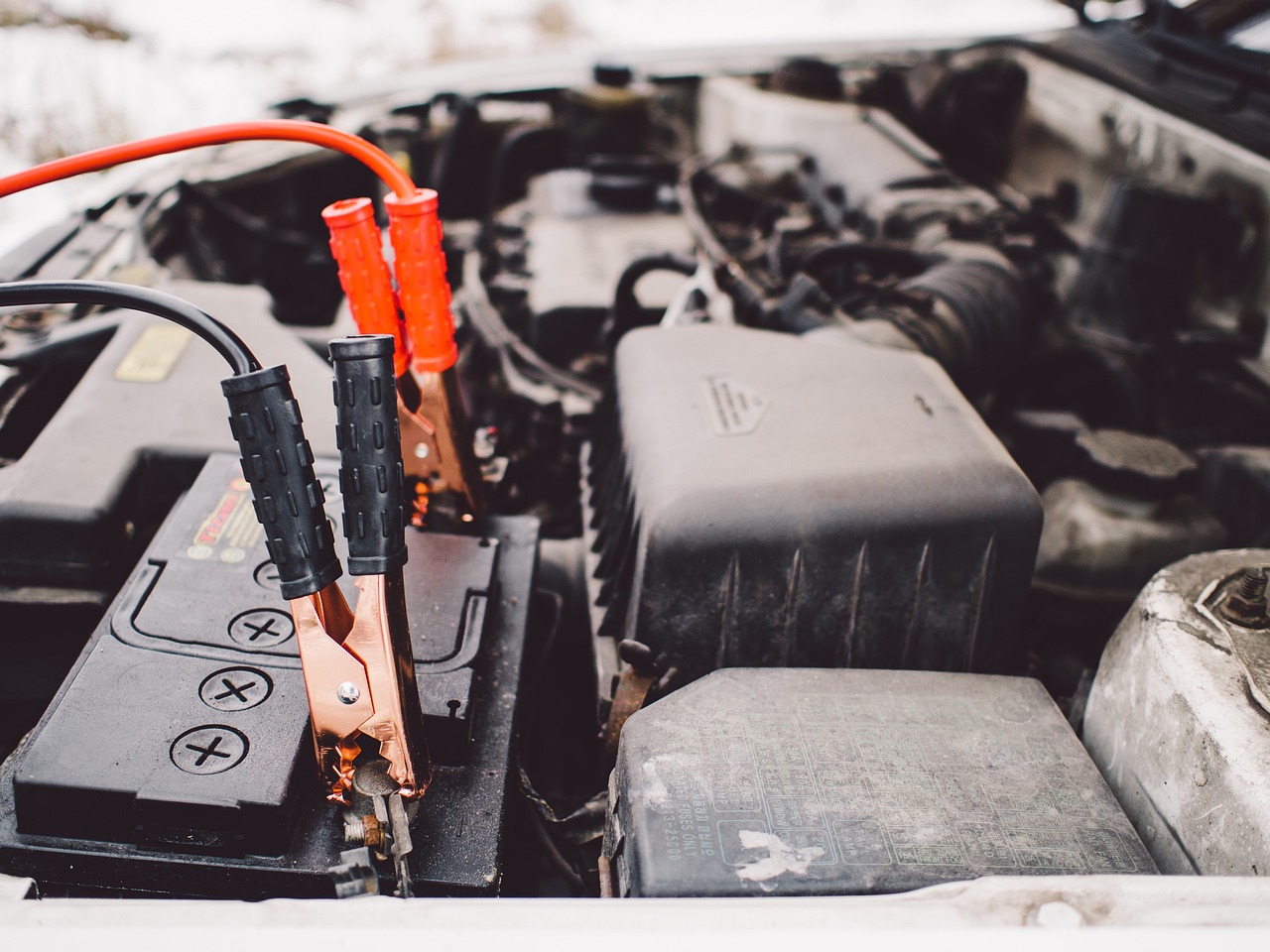
Car batteries are physical hardware as well as electrical parts. Case size, terminal layout, hold-down fit, corrosion resistance, and recycling rules all affect whether a purchase is practical. For more replacement and material selection articles, visit the Buying Guides section.
Start with group size and terminal layout
The first specification to confirm is the battery group size. Battery Council International describes group size as a classification system that standardizes a vehicle battery’s physical dimensions, terminal locations, and related performance characteristics. In practical terms, it tells you whether the battery will sit securely in the tray and connect to the cables without stretching, twisting, or touching nearby parts.
Do not assume two batteries are interchangeable just because both are 12-volt automotive batteries. A case that is slightly too tall can interfere with a hood, cover, or heat shield. A case that is too short or narrow may not be secured correctly by the hold-down bracket. A reversed terminal layout can leave the positive cable unable to reach safely or place the terminals close to metal parts that were not designed for them.
Use three checks before purchase:
- Owner’s manual or parts database: Confirm the correct group size for the exact year, make, model, engine, and trim.
- Old battery label: Compare the group number, terminal orientation, and rated capacity, but remember that the old battery may not be original.
- Physical inspection: Check tray space, hold-down style, heat shield, vent tube connection if present, and cable reach.
Some vehicles list more than one compatible group size, often because of engine size, a cold-weather package, or optional electrical equipment. In that case, choose the specification recommended for your configuration rather than simply buying the largest case that appears to fit.
Understand CCA, reserve capacity, and amp-hours
Cold cranking amps, usually shown as CCA, measure starting performance in low temperatures. A battery with too little CCA may struggle to turn the engine when oil is thick, temperatures are low, or the battery is no longer new. AAA guidance identifies CCA as one of the most important specifications for vehicles used in cold weather. In cold regions, it is sensible to meet or modestly exceed the vehicle maker’s CCA requirement, as long as the battery is the correct size and type.
Reserve capacity, often shown as RC, describes how long a battery can support a specified electrical load before voltage drops to a defined limit. This matters when a vehicle has many accessories, frequent short trips, long accessory use with the engine off, or an alternator fault that temporarily forces the battery to carry loads. RC does not replace CCA; the two ratings describe different jobs.
Amp-hours, or Ah, are more common on European specifications and some AGM batteries. Ah indicates stored electrical capacity under a defined test condition. It can be useful for comparing batteries of the same type, but buyers should avoid casual conversions among Ah, RC, and CCA because the test standards are not identical.
| Specification | What it affects | Buying guidance |
|---|---|---|
| Group size | Case dimensions, hold-down fit, terminal position | Match the vehicle specification first |
| CCA | Cold starting ability | Meet or exceed the vehicle maker’s minimum |
| RC | Accessory run time and reserve support | Helpful for heavy electrical loads and short-trip use |
| Ah | Stored capacity under a defined test | Compare within the same battery type and standard |
| Terminal layout | Cable routing and short-circuit risk | Must match the vehicle layout |
Choose the right battery type
Most replacement car batteries are lead-acid designs, but not all lead-acid batteries are built for the same duty cycle. The three common categories are flooded lead-acid, enhanced flooded battery, and absorbent glass mat. The correct choice depends on the original equipment design, the charging strategy, and how the vehicle is used.
Flooded lead-acid batteries
Traditional flooded batteries are widely available and usually cost less than AGM batteries. They work well in many older and conventional vehicles when the correct group size and rating are selected. Many modern flooded batteries are marketed as maintenance-free, but they still need proper charging, secure mounting, clean terminals, and protection from heat.
Enhanced flooded batteries
Enhanced flooded batteries, often called EFB, are designed to handle more charge-discharge cycling than standard flooded batteries. They are commonly associated with vehicles that have basic stop-start systems. If a vehicle came with EFB, replacing it with a lower-grade conventional flooded battery can shorten service life because the duty cycle is more demanding.
Absorbent glass mat batteries
AGM batteries hold electrolyte in glass mat separators and are sealed valve-regulated designs. AAA and Consumer Reports both note AGM as a strong option for demanding conditions, including high accessory loads, frequent short trips, stop-start systems, and extreme temperatures. AGM batteries usually cost more, and they should be compatible with the vehicle’s charging system. If the vehicle came with AGM from the factory, staying with AGM is usually the safest replacement choice.
Do not upgrade chemistry only because a label looks premium. Some vehicles require battery registration or a charging system reset after replacement, especially many late-model European vehicles and vehicles with battery monitoring systems. If your owner’s manual or service information requires this step, have the installation handled with the correct scan tool or service procedure.
Match the battery to climate and driving habits
Climate affects battery life in different ways. Cold weather exposes a weak battery because the engine needs more effort to crank and available battery output falls. Heat is often more damaging over the long term because it accelerates internal chemical wear. AAA commonly describes typical car battery life as roughly three to five years, with service life affected by climate, driving conditions, and maintenance. AAA has also published regional guidance showing shorter average life in hotter southern regions than in cooler northern regions.
If you live in a hot climate, prioritize correct fit, heat shield compatibility, good warranty coverage, and a battery type suited to the vehicle’s electrical load. Do not discard a factory heat shield unless the replacement battery and vehicle documentation clearly allow it. Heat shields and covers are often used to reduce under-hood thermal stress.
If you live in a cold climate, CCA deserves extra attention. Meeting the original specification is the minimum; choosing a battery with a higher CCA rating can be useful when it is available in the correct group size and chemistry. However, CCA should not be the only measure. A battery with very high cranking power but poor reserve capacity or a short warranty may not be the most sensible purchase. See also: Fasteners.
Driving habits also matter. Short trips, long storage periods, dash cameras in parking mode, added audio equipment, winches, power inverters, and frequent accessory use can drain or cycle a battery more than ordinary commuting. In those cases, an AGM battery or a higher reserve-capacity option may be worth considering if the vehicle supports it.
Compare warranty, freshness, and total cost
Battery pricing can be difficult to compare because two products with the same group size may differ in chemistry, CCA, reserve capacity, warranty structure, and installation support. Compare total value, not only shelf price.
- Free replacement period: This is the most important warranty term. If the battery fails during this period under covered conditions, replacement is usually simpler.
- Prorated period: Some warranties reduce coverage after the free replacement period. Read the terms before assuming the full warranty length equals free replacement coverage.
- Installation cost: Some retailers include installation for simple replacements; others charge separately, especially when battery registration or difficult access is involved.
- Core charge: Many retailers add a refundable core charge that is returned when you bring back the old battery.
- Stock condition: Ask whether the battery has been stored charged and rotated properly. A neglected battery can age before it is installed.
A lower-cost battery may be reasonable for an older vehicle used locally in a mild climate. A higher-cost AGM may be justified for a vehicle with stop-start, heavy electronics, long ownership plans, or severe climate exposure. The best choice is the one that fits the vehicle requirements and use case, not the one with the biggest number on the front label.
Installation and safety checks before leaving the store
A car battery is heavy, acidic, and capable of delivering very high current. OSHA battery-handling rules for workplaces emphasize ventilation during charging, protection from acid exposure, and keeping metal objects away from uncovered batteries. A home installer should treat the job with similar caution, even when not working under workplace rules.
Before installation, inspect the old battery area. White, blue, or green corrosion on terminals should be cleaned properly. A swollen case, cracked cover, leaking acid, or strong rotten-egg odor indicates a problem that should be handled carefully. Wear eye protection and gloves, keep sparks and flames away, and avoid placing tools across terminals.
After installation, confirm these points:
- The battery is firmly secured by the hold-down bracket.
- Positive and negative terminals are connected to the correct posts.
- Terminal clamps are tight but not damaged from over-tightening.
- Vent tubes are reconnected on batteries and vehicles that require them.
- The heat shield, cover, and insulation pieces are reinstalled if equipped.
- Clock, window, steering angle, radio, or battery monitoring resets are handled as required by the vehicle.
If the battery is hard to access under a seat, in a trunk, under a cowl, or behind electronic modules, professional installation may be safer than a quick parking-lot replacement. Also consider professional testing if the old battery failed suddenly. A weak alternator, parasitic draw, loose belt, or corroded cable can ruin a new battery if the underlying fault is not corrected.
Recycle the old battery correctly
Used automotive lead-acid batteries should not go into household trash or ordinary municipal recycling bins. The U.S. Environmental Protection Agency advises consumers to return lead-acid batteries to a battery retailer or a local household hazardous waste collection program. EPA materials also estimate a very high recycling rate for lead-acid automotive batteries in the United States, which is one reason core-return systems are common.
Recycling is not just an environmental formality. Automotive batteries contain lead and sulfuric acid, both of which need controlled handling. Returning the old unit through a retailer or approved collection program helps recover lead and plastic while keeping hazardous materials out of general waste streams.
Transport the old battery upright, keep it from tipping, and place it in a tray or plastic bin if the case looks dirty or damp. If it is cracked or leaking, do not put it loose in a passenger compartment. Ask the retailer or local waste authority how to package and deliver damaged batteries safely.
Frequently asked questions
Can I install a battery with higher CCA than original?
Usually yes, if the battery is the correct group size, terminal layout, chemistry, and charging-system match. Higher CCA can help in cold weather, but it should not be used to justify an incorrect case size or wrong battery type.
Is AGM always better than flooded lead-acid?
No. AGM is often better for stop-start systems, high accessory loads, vibration resistance, and demanding climates, but it costs more and must match the vehicle’s charging system. For many conventional vehicles, a quality flooded battery that meets the original specification is still appropriate.
How often should a car battery be replaced?
Many car batteries last about three to five years, but climate and use can shorten or extend that range. Testing becomes more important as the battery ages, especially before winter in cold regions or before summer in hot regions.
What does the battery core charge mean?
A core charge is a refundable deposit used to encourage return of the old battery. When you bring back the used battery, the retailer typically refunds the core amount or applies it to the purchase, depending on store policy.
Should I replace the battery myself?
DIY replacement is reasonable when the battery is easy to access and the vehicle does not require registration or special resets. Choose professional installation if access is difficult, the battery is leaking or swollen, or the vehicle uses a battery monitoring system that requires service equipment.