Wok buying guide for home cooks choosing material, size, and stove fit
The quick choice for most kitchens
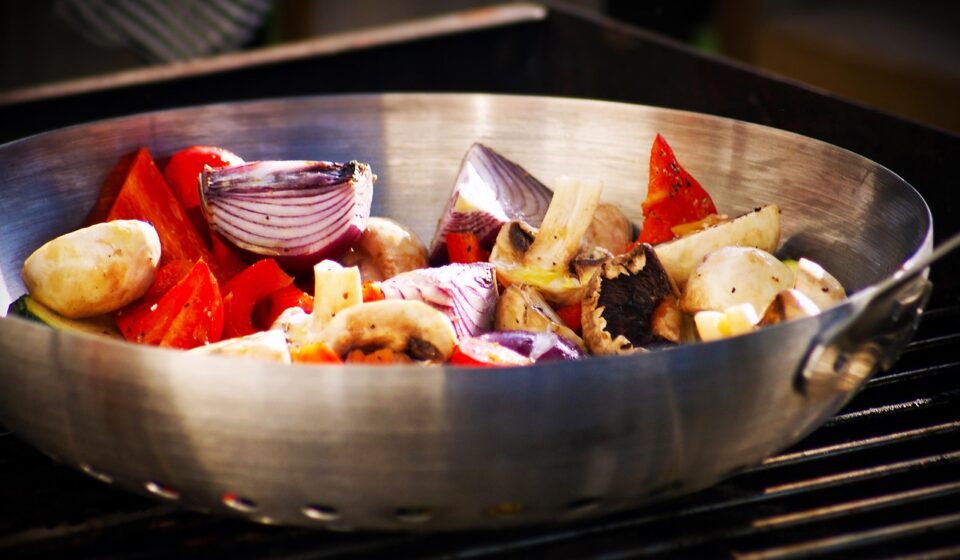
A useful wok buying guide starts with fit, not brand ranking. Match the wok to your stove, your willingness to season and dry cookware, and the way you cook most often. For many U.S. home kitchens, a 14-inch flat-bottom carbon steel wok is the most versatile starting point: it responds quickly to heat, sits securely on common gas and electric ranges, and can build a seasoned cooking surface over time. Round-bottom woks are better reserved for a stable wok ring, a dedicated wok burner, or an outdoor high-heat setup. For more practical material comparisons, see our Buying Guides archive. (thewoksoflife.com)
A wok works as a system. Material sets heat response and care requirements. Bottom shape determines stove contact and stability. Diameter affects batch size. Handles affect control. Coatings set heat limits and expected service life. When these details line up with the burner, even a modestly priced wok can be more useful than a heavier or more expensive pan that does not fit the stove.
Match the wok to your stove first
Before comparing brands, confirm that your cooking surface can safely support the wok shape you want. This matters more than whether a wok is hammered, spun, pre-seasoned, or sold with accessories. The Woks of Life and Consumer Reports both point buyers toward flat-bottom carbon steel for electric ranges and many Western home stoves, while round-bottom woks usually need a ring or a dedicated burner for stability. (thewoksoflife.com; consumerreports.org)
Gas range
A home gas range can work with either a flat-bottom or round-bottom wok, but stability should drive the final choice. A flat-bottom wok sits directly on the grate and is easier for beginners to manage. A round-bottom wok can bring the curved sides closer to the flame, but it normally needs a wok ring that fits the grate securely. If the ring lifts the wok too high above the flame, heat transfer may suffer. If it rocks, skip it.
Electric coil or glass ceramic range
A flat-bottom wok is usually the safer choice. A round-bottom wok does not make broad contact with a flat electric surface, and poor contact means slower heating and less predictable cooking. Lowe’s also cautions that curved-bottom woks can be unsuitable for some electric stoves. For glass ceramic cooktops, check the appliance manual because rough or heavy cookware can scratch the surface. (lowes.com)
Induction cooktop
Induction requires magnetic cookware and close contact with the cooking surface. Carbon steel is usually induction-capable as a material, but the wok still needs a flat, stable base, and the product label should confirm induction compatibility. Some flat-bottom woks have a small contact patch that may heat unevenly on large induction zones. Consumer Reports specifically advises checking induction compatibility on the wok label before buying. (consumerreports.org)
Outdoor wok burner
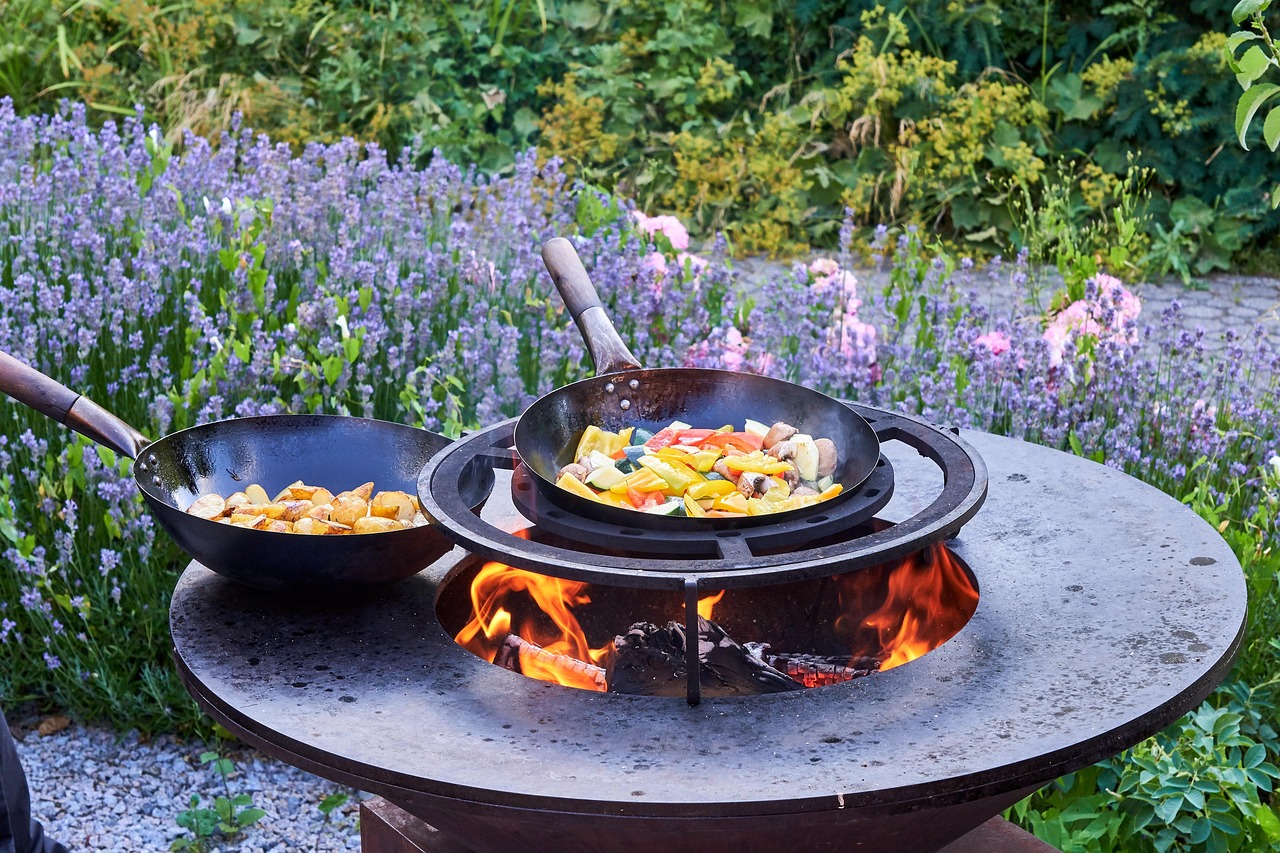
If you own a dedicated outdoor wok burner, a traditional round-bottom carbon steel wok becomes more attractive. The burner can support the curved shape and deliver heat around the lower bowl. This setup is not necessary for everyday stir-frying, but it changes the buying decision because a round bottom becomes a functional advantage rather than a stability problem.
Choose material by heat response, care, and cooking style
Wok material is the central buying decision. The common options are carbon steel, cast iron, stainless steel, and nonstick-coated metal. Each can cook food well, but they behave differently under fast heating, repeated tossing, acidic sauces, washing, and long-term use.
| Material | Strengths | Trade-offs | Best fit |
|---|---|---|---|
| Carbon steel | Responsive heat, moderate weight, seasons over time | Can rust if neglected, needs seasoning | Most home stir-fry cooking |
| Cast iron | Strong heat retention, durable surface when seasoned | Often heavier, slower to respond, can rust | Cooks who value heat retention over tossing |
| Stainless steel | No seasoning needed, corrosion resistant | More sticking risk, less traditional wok surface behavior | Users who prioritize low maintenance |
| Nonstick-coated | Easy release, simple cleanup | Lower heat tolerance, coating wear over time | Lower-heat cooking and beginners who avoid seasoning |
Carbon steel
Carbon steel is the reference material in many wok guides because it heats quickly, cools quickly, and is light enough for lifting, shaking, and tossing. It does require seasoning, and bare or poorly maintained steel can rust. Food Network notes in its 2026 wok coverage that carbon steel woks require seasoning and can rust easily, while The Woks of Life describes seasoning as the path toward a protective patina. (foodnetwork.com; thewoksoflife.com)
For most buyers, carbon steel is the balanced choice: more responsive than heavy cast iron, more traditional than stainless steel, and more durable under high heat than many nonstick coatings when used correctly. Look for a surface that is smooth enough to season evenly and a body that feels rigid but not so heavy that you avoid using it.
Cast iron
Cast iron woks can hold heat well, which helps when food cools the pan. The trade-off is weight and slower response. A heavy cast iron wok can be tiring to move, and fast heat adjustments are harder than with thinner carbon steel. Cast iron also needs protection from rust unless it is enamel-coated. University and cookware care guides commonly describe seasoning as both a rust barrier and a cooking surface for bare iron cookware. (fcs.mgcafe.uky.edu)
Stainless steel
Stainless steel is easy to clean and does not require seasoning, but it is not the most forgiving surface for classic high-heat stir-frying. Food can stick if the pan is underheated, overcrowded, or used with too little oil. Stainless may make sense if you frequently cook acidic sauces, do not want to maintain seasoning, or prefer dishwasher-style habits, although many stainless woks still perform better with hand washing.
Nonstick-coated woks
A nonstick wok is convenient for eggs, noodles, and low-to-medium heat cooking, but it is not the strongest choice for aggressive high-heat wok cooking. In its discussion of authorized PFAS uses in food-contact applications, the FDA lists nonstick coatings on pots and pans as polymerized PFAS applications. Buyers should follow the manufacturer’s heat and utensil limits for any coated pan. (fda.gov)
The practical issue is lifespan. Coatings can scratch, lose release, and limit the use of metal tools. If you mainly want a deep nonstick pan shape, a coated wok may be fine. If you want long-term seasoning, high heat, and metal spatula use, carbon steel is usually the more durable path.
Size, thickness, bottom shape, and handles
After material, construction details decide whether the wok feels useful day after day. A common home size is 14 inches because it provides enough surface area for two to four portions without becoming too bulky for a standard range. A 12-inch wok is easier to store and control, but it crowds quickly. A 16-inch wok can help with larger batches, yet it may overhang small burners and lose heat at the outer wall.
Thickness
Very thin carbon steel heats quickly but may warp if abused or used on intense uneven heat. Very thick steel is more stable, but it is also slower and heavier. Many home cooks are well served by a medium-gauge carbon steel wok that feels stiff when pressed by hand but remains liftable with one hand and a helper handle. If buying online, read the weight and gauge details rather than relying only on photos. See also: Fasteners.
Flat bottom versus round bottom
Flat-bottom woks are practical for gas, electric, ceramic, and induction surfaces because they provide direct contact and stable support. Round-bottom woks are traditional and work well when the heat source is designed for them, but on ordinary home stoves they can wobble or sit too far from the heat. Bottom shape is not a status choice; it is a stove-compatibility choice.
Handle layout
Northern-style woks have one long handle, often with a small helper handle opposite. Cantonese-style woks usually have two loop handles. A long handle is easier for shaking and pouring. Two loop handles are compact and useful for lifting with both hands, especially on heavier pans. Metal handles tolerate oven seasoning better, while wood handles stay cooler but may limit oven use unless removable.
Seasoning and maintenance should influence the purchase
A wok that needs care is not a bad purchase, but the buyer should understand the routine before choosing it. Carbon steel and bare cast iron need seasoning to reduce sticking and protect against rust. Seasoning is not a one-time decorative finish; it develops as thin layers of oil are heated onto the surface over repeated use. Early discoloration, blotches, and darkening are normal signs of use, not defects.
- Wash a new uncoated wok to remove factory oil or residue.
- Dry it completely over heat so moisture does not remain in seams or handle rivets.
- Apply a very thin film of high-smoke-point cooking oil.
- Heat until the surface changes color and the oil polymerizes into a thin layer.
- Cook regularly, clean gently, dry fully, and wipe with a trace of oil before storage.
Rust changes the issue from appearance to food safety. The USDA Food Safety and Inspection Service says rust is not a food-safe material and should be removed from utensils such as cast iron skillets or knives before use. For a rusty carbon steel or cast iron wok, scrub back to clean metal, dry thoroughly, and re-season before cooking. (ask.fsis.usda.gov)
Maintenance also affects what you cook. Long simmering with acidic ingredients can weaken seasoning on carbon steel or cast iron, so tomato-heavy or vinegar-heavy dishes are better cooked briefly or moved to stainless steel. This does not mean acidic food is forbidden; it means the seasoning layer may need rebuilding if the wok is used that way often.
A practical buying checklist
Use this checklist before checkout. It is designed to prevent the most common mismatch: buying an attractive wok that does not work well on the buyer’s actual stove.
- Stove fit: Choose flat bottom for electric, ceramic, most induction, and most beginner gas setups. Choose round bottom only if you have stable support and suitable heat.
- Material: Choose carbon steel for the broadest high-heat usefulness. Choose stainless for lower maintenance. Choose nonstick only if you accept heat and tool limits.
- Size: Start with 14 inches for most home kitchens. Size down for storage and solo cooking. Size up only if your burner can support the diameter.
- Weight: Make sure you can lift, tilt, and wash it comfortably. A wok that feels too heavy in the store will feel heavier when full of food.
- Handle design: Pick a long handle for tossing and pouring. Pick loop handles for compact storage and two-handed lifting. Check whether wood handles restrict oven seasoning.
- Surface: Avoid deep dents, unstable bases, loose rivets, flaking coatings, or rough interior seams that trap food.
- Accessories: A lid, wok spatula, steaming rack, and ring can be useful, but they should not compensate for the wrong wok shape.
The simplest decision rule is this: if you are buying one wok for a normal home range, start with a flat-bottom carbon steel model around 14 inches. If you know you will not season or dry cookware carefully, choose stainless steel or a coated pan with realistic expectations. If you have a dedicated burner, a round-bottom carbon steel wok is worth considering.
Frequently asked questions
Is carbon steel better than cast iron for a wok?
For most stir-frying, carbon steel is more practical because it heats and cools quickly and is usually easier to lift. Cast iron retains heat well, but its weight and slower response make it less convenient for tossing and rapid temperature changes.
Should a beginner buy a pre-seasoned wok?
Pre-seasoning can reduce the first setup step, but it does not eliminate maintenance. Many pre-seasoned carbon steel woks still improve with additional thin oil layers and regular cooking. If the coating is nonstick rather than seasoning, follow the manufacturer’s heat and utensil instructions.
Can a wok work on induction?
Yes, but it must be induction-compatible and have enough flat magnetic contact with the cooktop. Carbon steel is commonly magnetic, but the product label and bottom design still matter. A round-bottom wok is usually not suitable for a flat induction surface unless the cooktop is specifically designed for wok use.
What wok size is best for a small kitchen?
A 12-inch wok is easier to store and wash, but it can crowd food quickly. A 14-inch wok is the more flexible size if your burner and cabinet space can handle it. For very small burners, stability and heat coverage matter more than maximum diameter.
Do I need a wok ring?
You need a wok ring only for a round-bottom wok on a stove that does not already support that shape. You do not need one for a flat-bottom wok. If a ring makes the wok unstable or places it too far above the flame, it is not solving the problem.